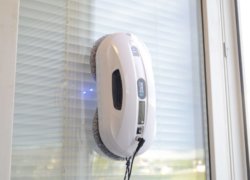
Hobot 388 Ultrasonic: A window cleaning robot with a unique water spray system
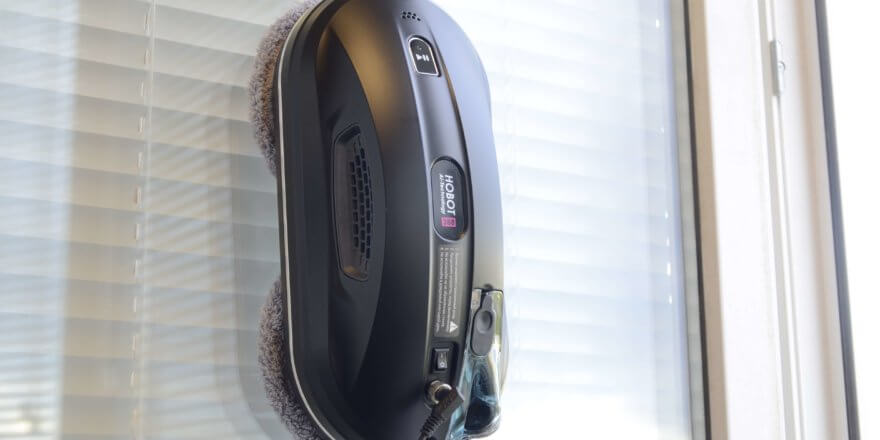
Greetings to all readers of the site robovac.washerhouse.com! Today we got one of them for review The best window cleaning robots in 2020The model is called the Hobot-388 Ultrasonic, and the prefix at the end hints that the device is equipped with some kind of ultrasonic device. Indeed, it's an ultrasonic sprayer that additionally wets the surface while cleaning the window. This additional feature really helps better tackle dusty and dirty windows, as well as medium-heavy stains. In this review, we'll unbox the new product, examine its specifications and features, and, of course, test it on various surfaces. So, let's get started!
Equipment
Let's start with an overview of the components. The window cleaning robot is packaged in a neat, compact box. It's quite informative. First, we see a mention of the model's key feature: ultrasonic liquid spray. Incidentally, this is a unique system; another window cleaning robot from the Hobot line is equipped with a similar sprayer. Hobot 298 Ultrasonic, which we also reviewed earlier.
The 388 model comes complete with:
- The window cleaning robot itself.
- Operating instructions.
- First Run Guide.
- Spare rings for attaching napkins (2 pcs.).
- Spare ultrasonic nebulizer.
- Remote control with batteries.
- Cleaning liquid.
- Power cable.
- Power unit.
- DC extension cord.
- Spare microfiber cloths (12 pcs.).
All components are shown in the photo:
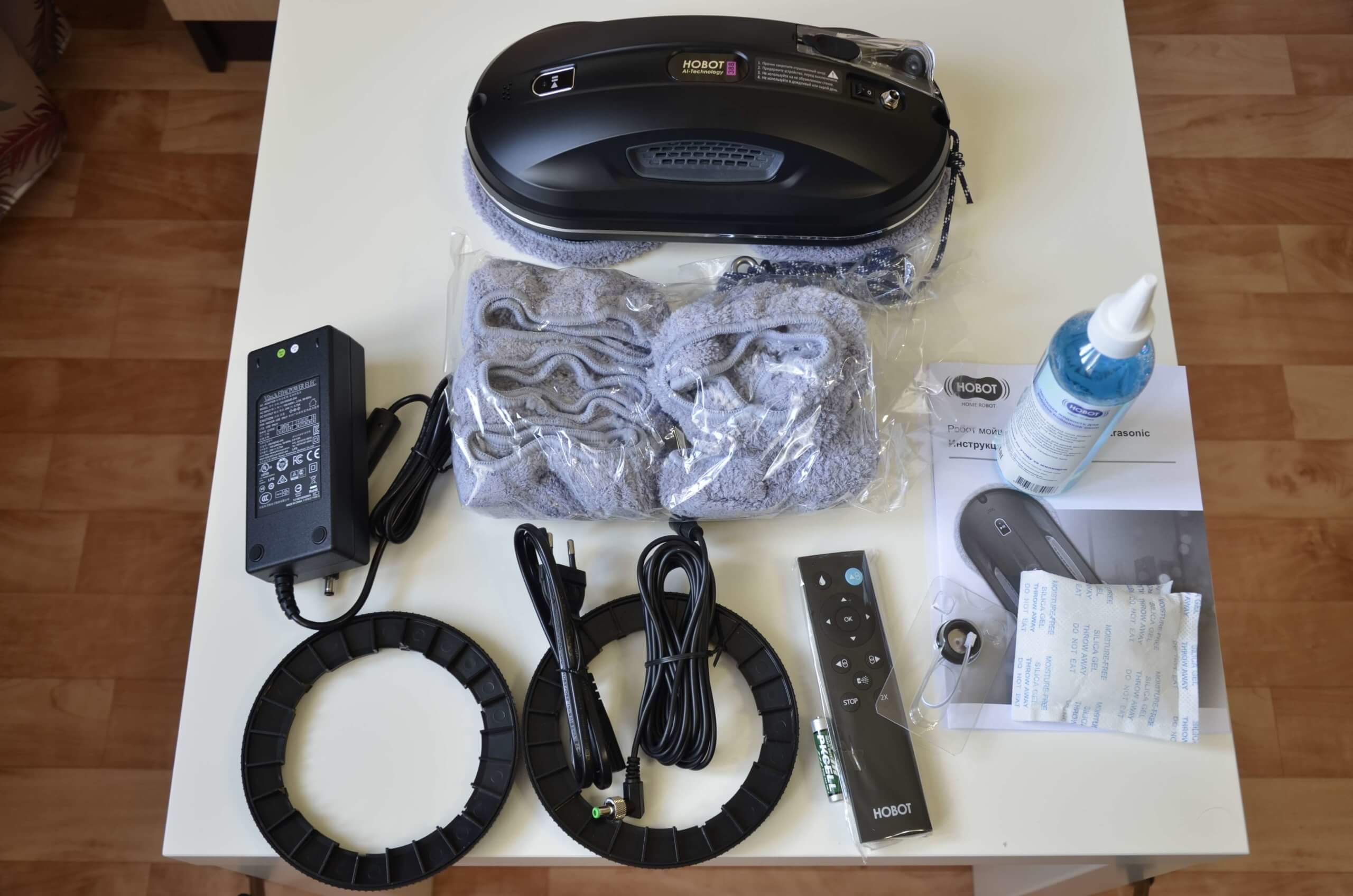
Hobot Equipment
Appearance
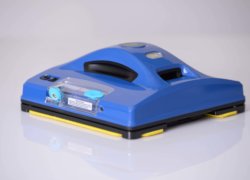
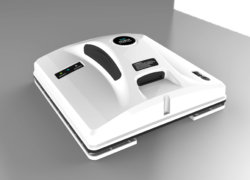
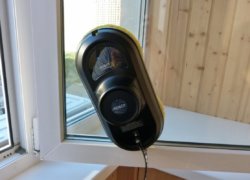
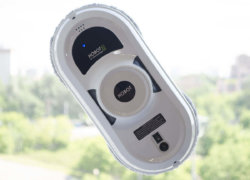
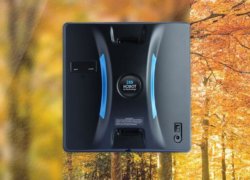
Let's take a closer look at the robot itself. The Hobot 388 Ultrasonic is black, made of matte plastic that won't show dirt. On the top, you'll find the start button, safety instructions, the power switch, and the power cable connector. A safety tether is already attached to the robot.
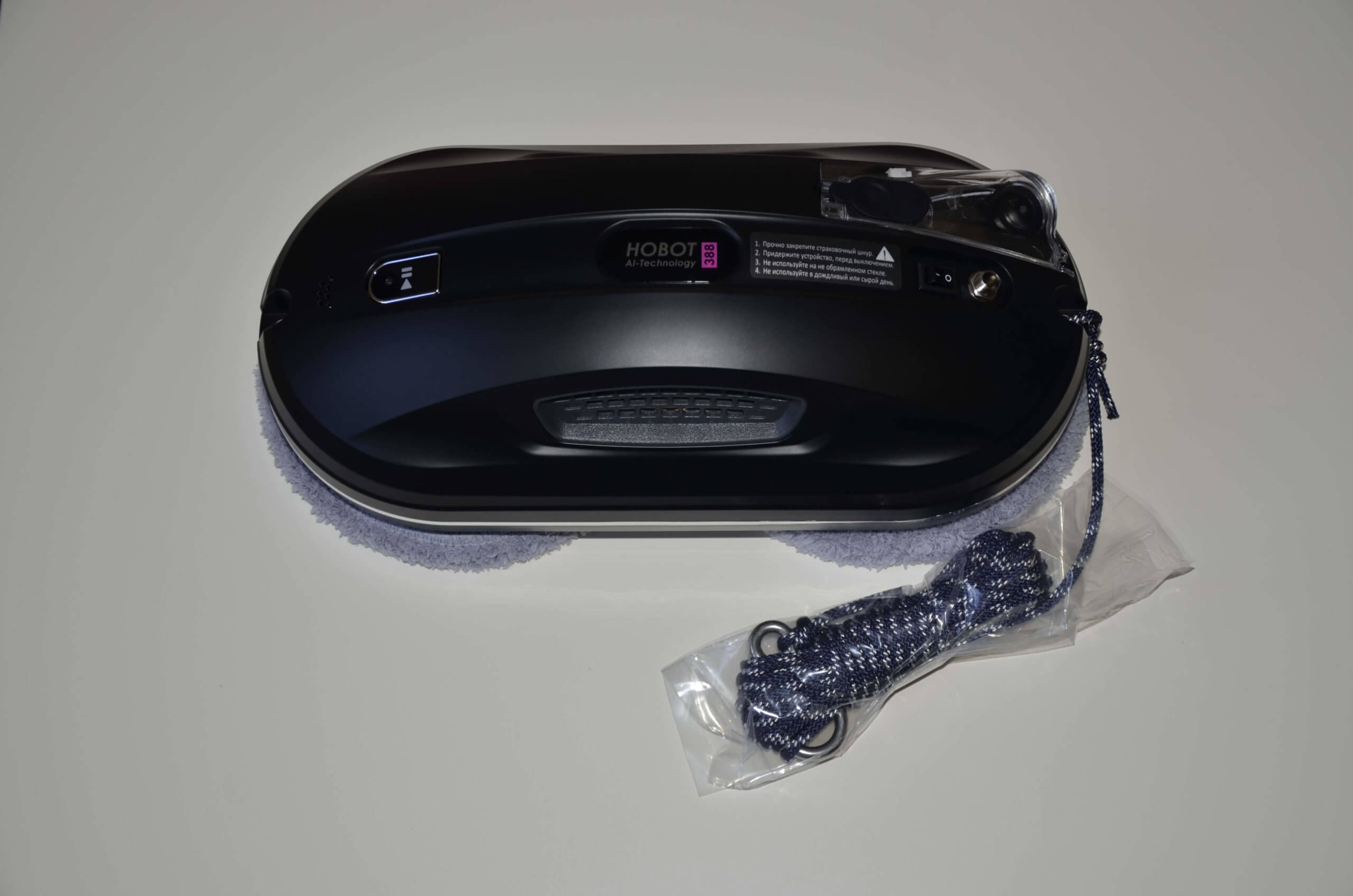
Top view
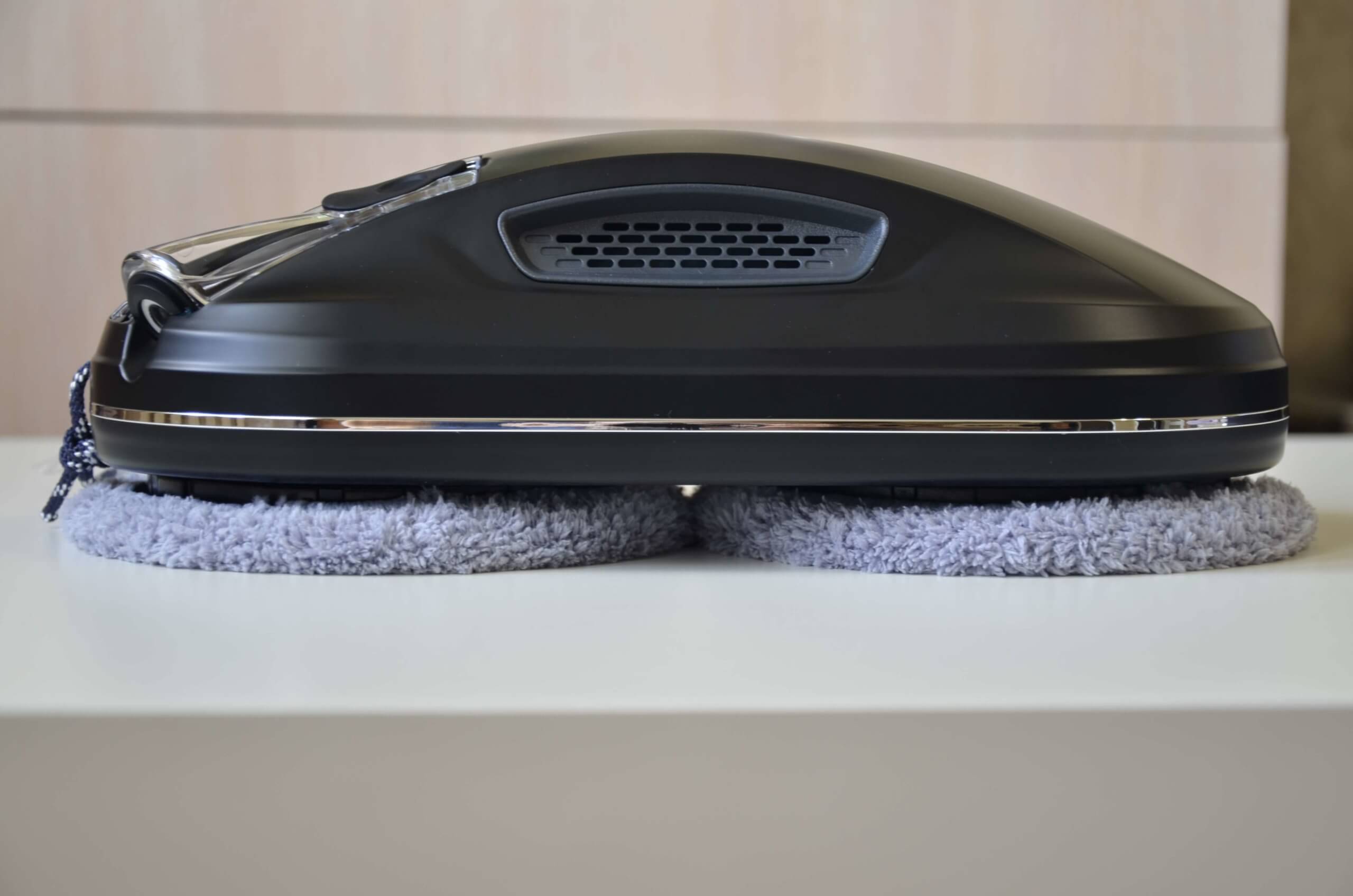
Side view
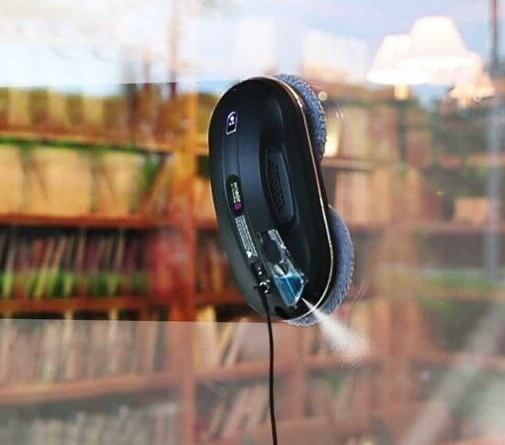
Let's take a closer look at the cleaning fluid tank with an ultrasonic sprayer. The fluid is poured into a specially designed opening with a sealed valve. The sprayer is already installed and aimed directly at the area in front of the cleaning pads.
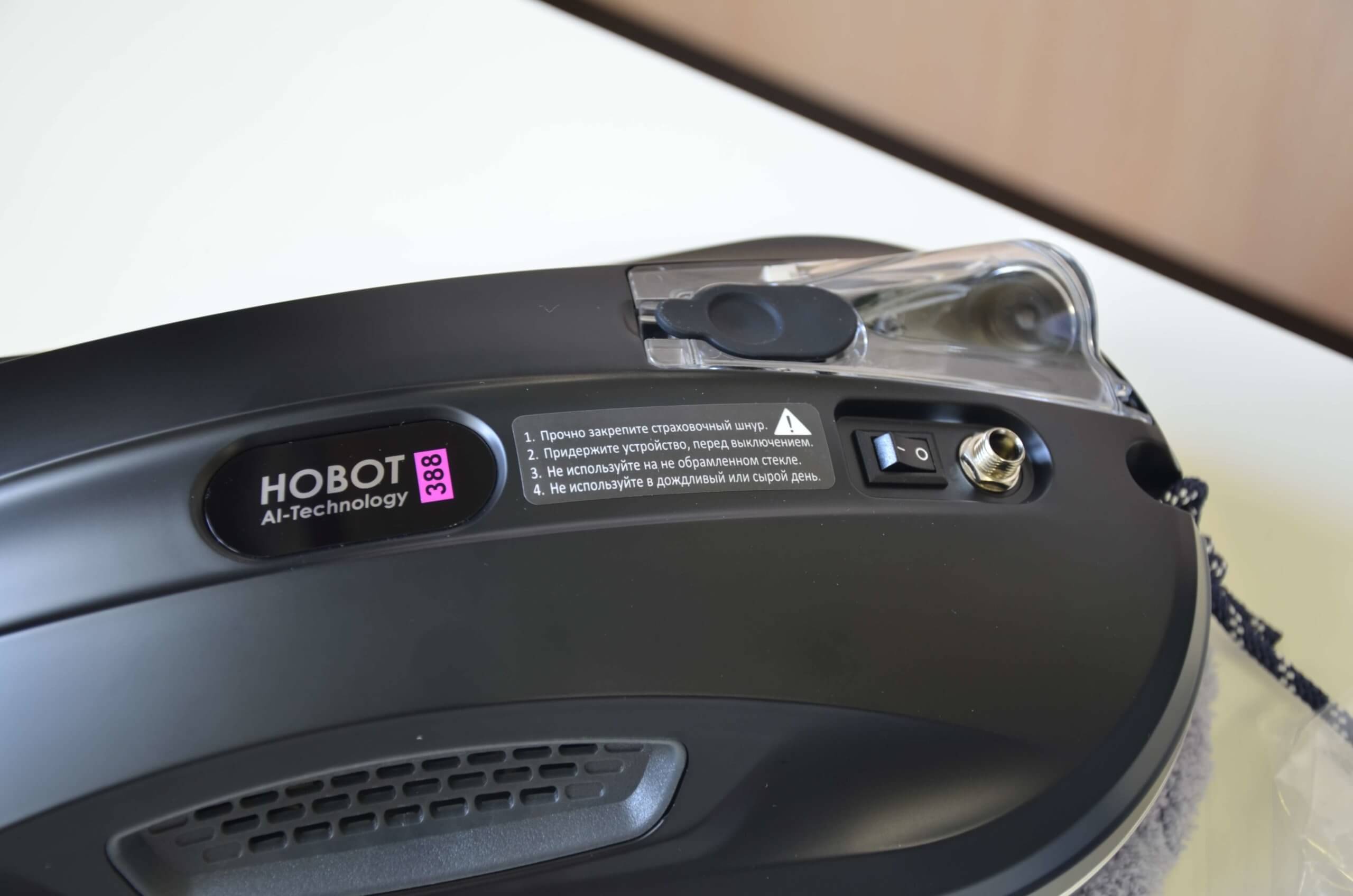
Spray
Let's take a look at the robot's underside. The wipe rings are already installed and can be easily removed for replacement and maintenance.
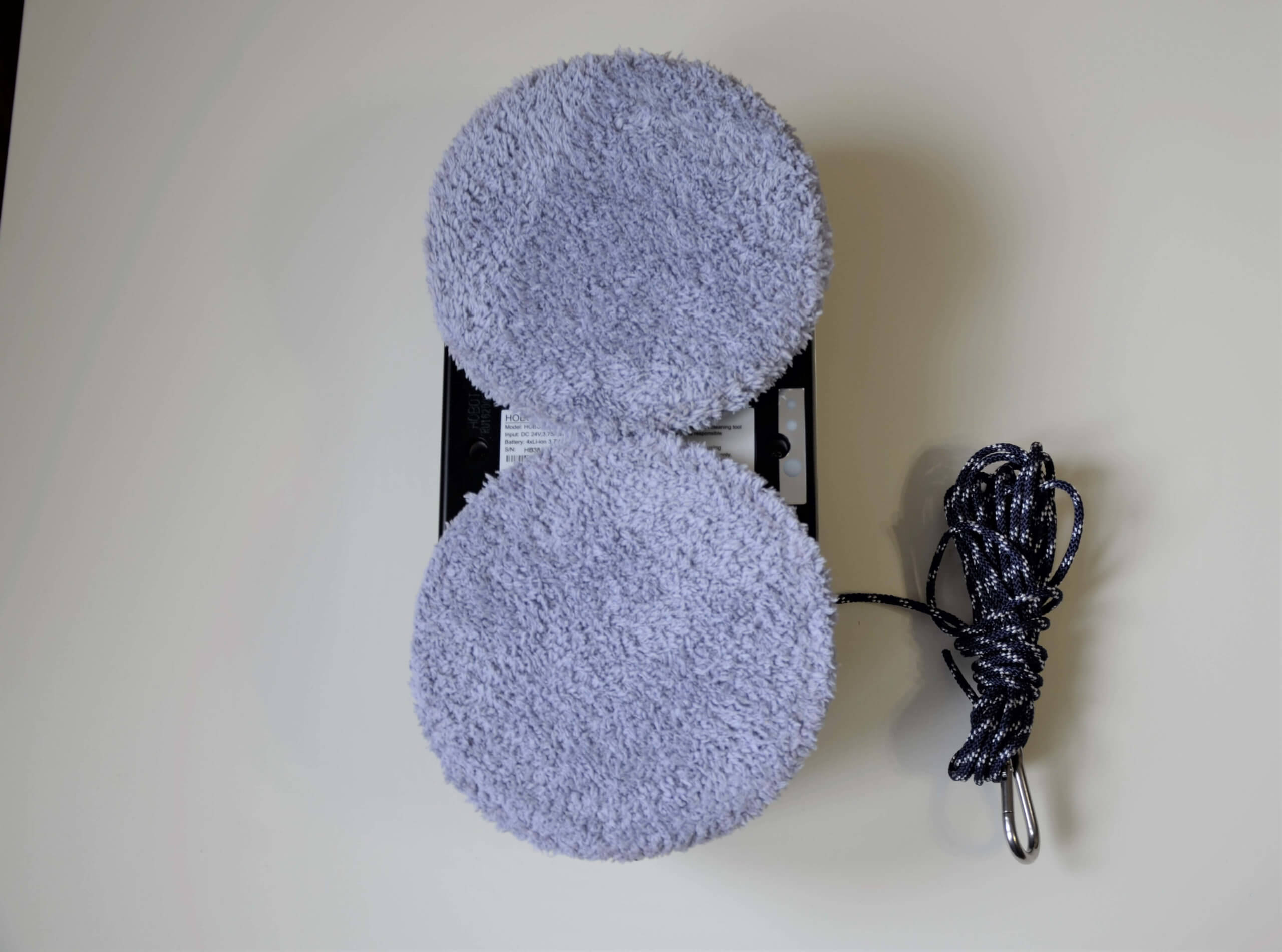
Bottom view (napkins installed)
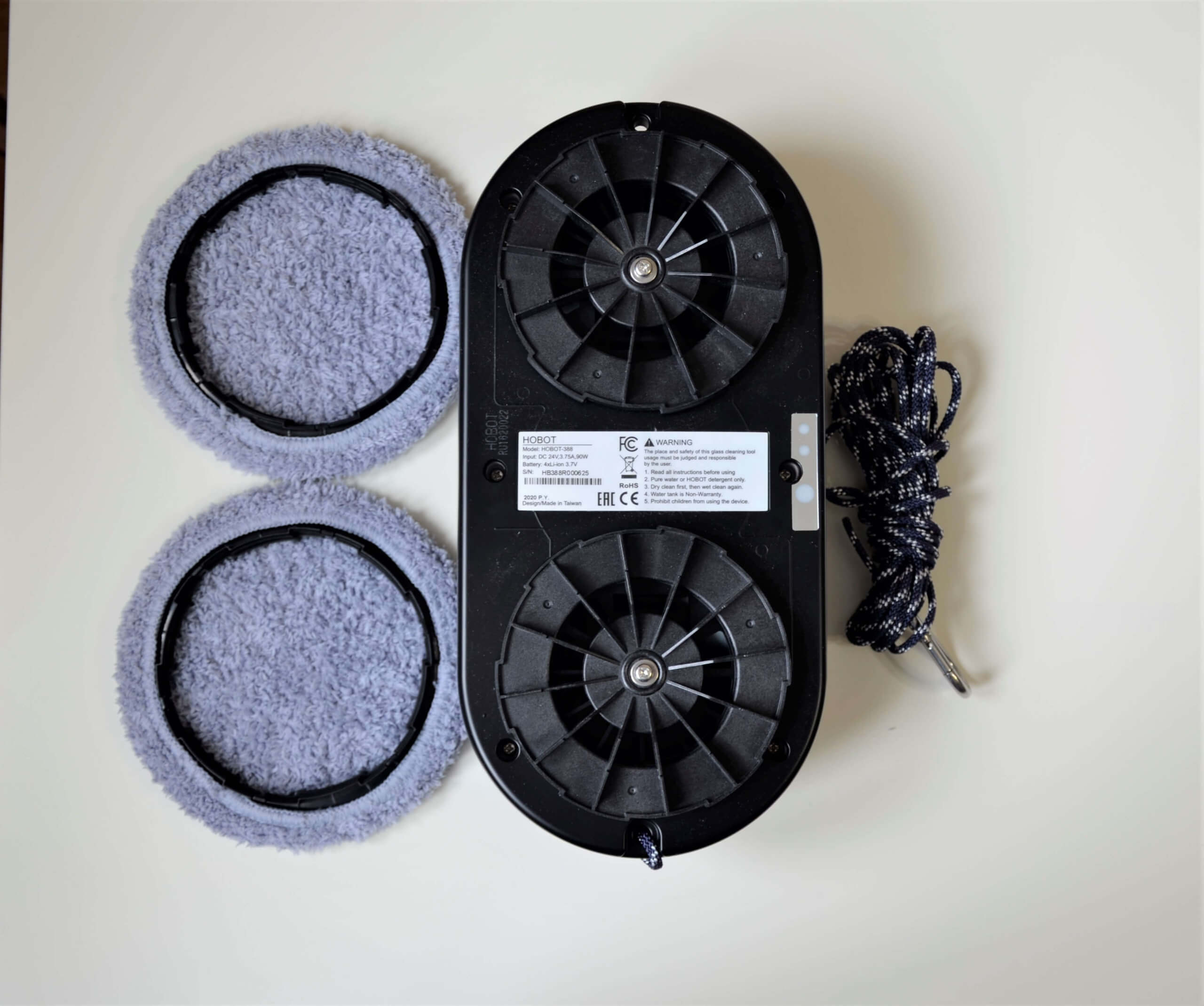
Bottom view (without napkins)
Overall, the robotic window cleaner looks quite impressive, the build quality is high, and the materials are pleasant to the touch. We've covered everything we could in detail. Let's move on to an overview of the features and functions.
Technical specifications
Regarding the characteristics of the Hobot 388 Ultrasonic, I would like to highlight the following:
- The minimum size of the work surface (for example, a window) is 35*35 cm.
- Cleaning speed 3.6 min/m2.
- Battery life up to 20 min.
- Maximum surface difference up to 1.5 mm.
- Noise level 65 dB.
- Dimensions: length 295 mm, width 148 mm, height 95 mm.
- Weight 915 g.
- Power consumption 90 W.
- There are no restrictions on the thickness of the glass.
It's clear that the Hobot 388 is suitable for cleaning small windows. It also handles medium-sized windows well, as you can see in the video tests below. Next, let's discuss the robot's functionality.
Functional capabilities
Among the main functions I would like to highlight:
- Control via app, remote control and button on the body.
- Automatic detection of the boundaries of the cleaning area.
- 3 cleaning modes.
- Works on various surfaces, including horizontal ones.
- Sending push messages to your smartphone.
Splashing water
Now let's demonstrate all the functions using the remote control as an example. The remote design, by the way, has been slightly changed. I like this version better than the previous one.
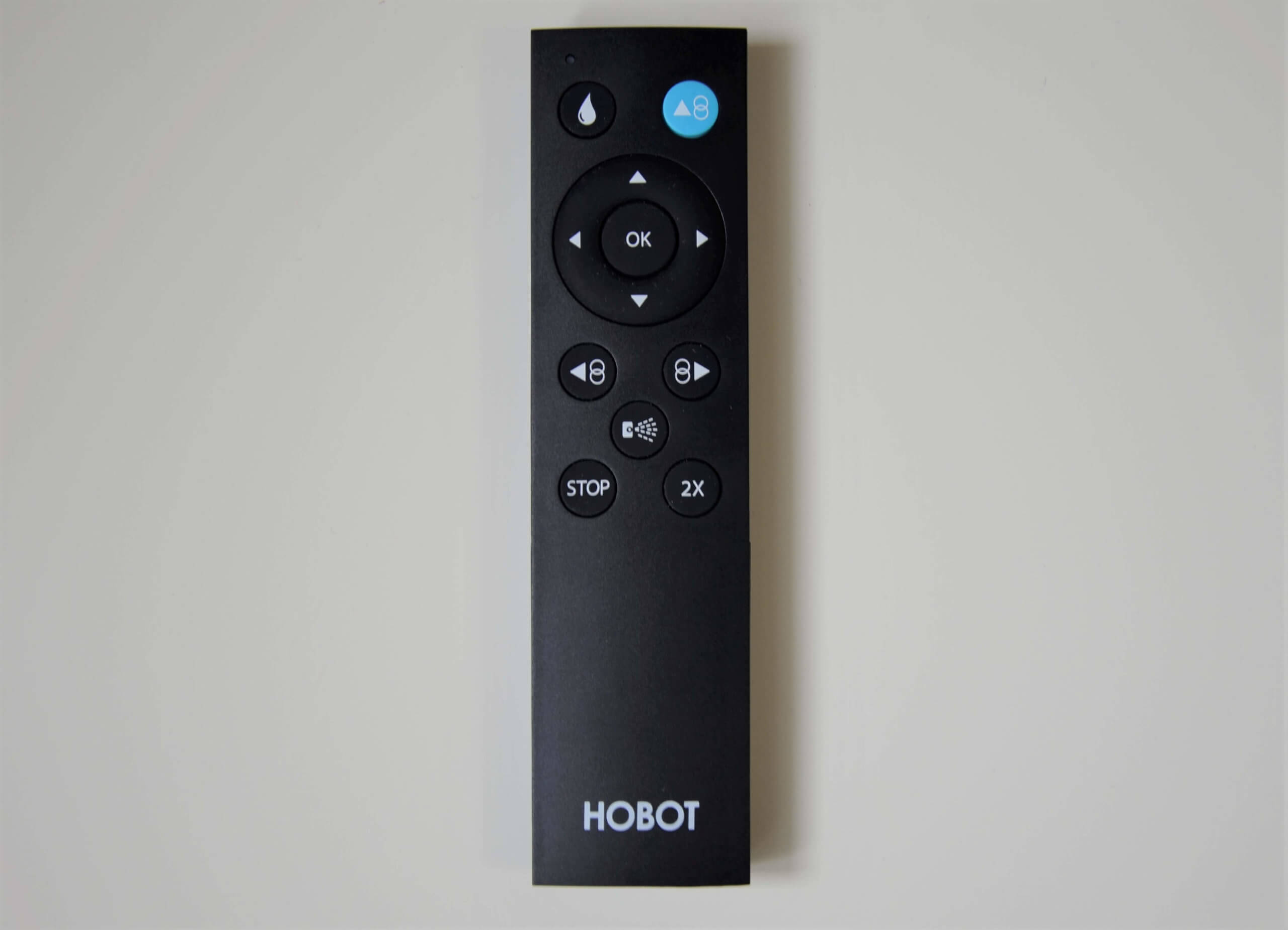
Remote controller
So, the top left button turns the water supply on and off during cleaning. If the indicator on the robot is blue, the water supply is on; if it's white, the water supply is off.
The button at the top right turns on the standard cleaning mode. The robot will first rise from its current position to the very top of the window, then begin cleaning from top to bottom in horizontal passes.
Below are the manual control buttons for the window cleaning robot; everything is self-explanatory. Press left, and the robot starts moving left across the window; press right, and it moves right.
On the left, below the joystick, is a button that activates right-to-left cleaning mode. From its current position, the robot will move to the leftmost edge of the window and begin cleaning from there. Similarly, the adjacent right button activates left-to-right cleaning mode.
Below these buttons is a button for forced spraying of liquid from the sprayer. If needed, you can press this button yourself, and the robot will spray the liquid as often as you like.
The bottom left "STOP" button stops the cleaning process. You can manually stop the robot at any time if needed. The last, bottom right button initiates double cleaning mode. The Hobot-388 will clean the entire area twice, which is useful for tough stains.
Now that we've figured out how to use the remote, let's look at the app's interface and functionality.
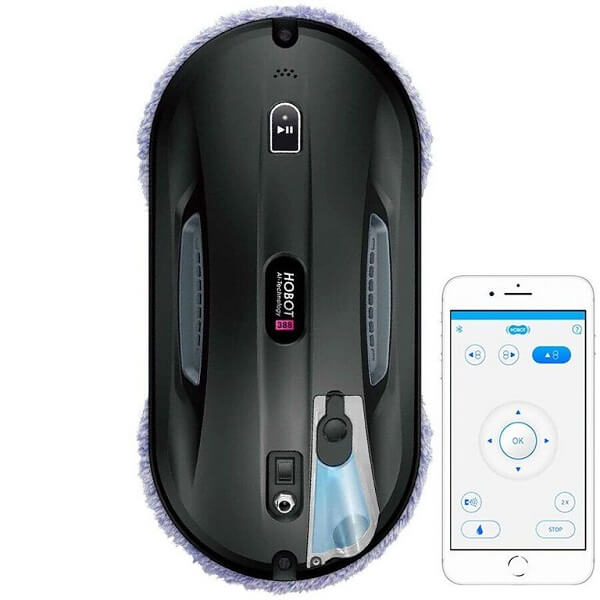
Application
It's localized in Russian, and the main screen duplicates all the buttons on the remote control. However, there's also a section called "Help" in the top right corner. By clicking this section, you can review all the robot's instructions, find answers to the most frequently asked questions, and even quickly access the manufacturer's official website if needed.
There's no need to reiterate what each button does. It's important to note that when you install the mobile app, you can enable push notifications on your smartphone. These notifications will notify you of the end of a cleaning cycle, power outages, and possible errors. This is a crucial feature, freeing the user from having to monitor the robot. For example, if the power goes out in the apartment, the robot will notify you by sending a message to the connected smartphone, prompting you to remove it from the window as quickly as possible. The robot will also beep and flash its lights to alert you as quickly as possible.
That's all the app's functionality. The advantage of app control is that the robot can be controlled from another room, while the remote's signal won't penetrate the wall.
In the video below, we thoroughly tested the Hobot 388 Ultrasonic in various conditions: on a window, bathroom tiles, and even a mirrored closet door. We recommend checking out the video review and test:
Let's sum it up
In conclusion, we'll highlight the main advantages and disadvantages we discovered after a detailed review and testing. Advantages:
- Stylish design and well-thought-out construction.
- Unique ultrasonic cleaning liquid spray system.
- The low height of the body allows the robot to be used even on windows with bars.
- Three different control methods.
- Works on various surfaces, including relief glass.
- Good quality window cleaning from dust and dirt.
- A large supply of napkins is included.
- You can enable push notifications about work status.
- Warranty and service support are provided.
As for drawbacks, no significant ones were found. There's just one caveat: this robot can't handle very heavy dirt. It's better suited for cleaning dusty windows. If you want to clean grease off a kitchen backsplash, it's not guaranteed to work the first time, or at all.
As for the price, it's not exactly budget-friendly (around $270 at the time of writing). However, it's important to note that this robot is from the renowned manufacturer HOBOT (a portmanteau of the words "home" and "robot"), which pioneered the so-called "walking" robot technology and continues to lead the way, delighting consumers with its latest developments and high-quality products.
Otherwise, the robot passed all tests and left a generally positive impression. If you're looking to automate the cleaning of small and medium-sized windows, as well as protect yourself from the dangers of washing windows on upper floors, you might want to consider purchasing the Hobot 388. That's all for now. Happy shopping, everyone!
Analogues: