Samsung VR20R7260WCSamsung VR20R7260WC

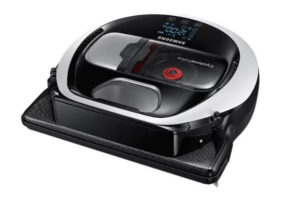
Samsung VR20R7260WC

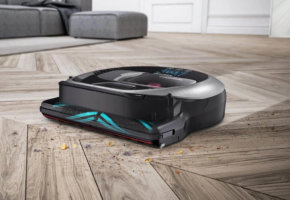
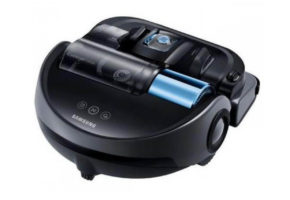
In this review, we'll explore the specifications and features of the VR20R7260WC model from Samsung. This robot boasts an attractive design, the ability to clean hard-to-reach areas, and [...]

Samsung VR20M7050USSamsung VR20M7050US

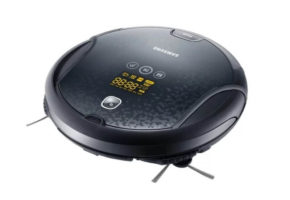
Samsung VR20M7050US

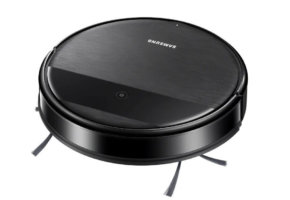
The Samsung VR20M7050US/EV robot vacuum cleaner (also known as the SR20M7050US) features a larger main brush and greater suction power. These features [...]

Samsung SR8980Samsung SR8980

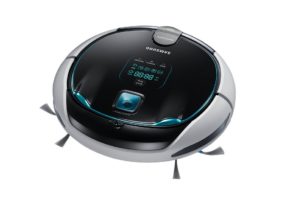
Samsung SR8980

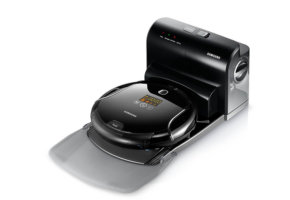
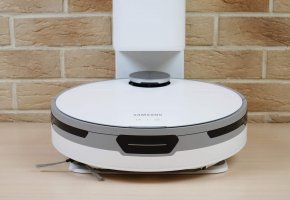
Samsung has developed a robot vacuum cleaner that differs from its predecessors in that it features a completely different charging station. The difference lies not only in its size, but also [...]

Samsung VR10M7030WWSamsung VR10M7030WW

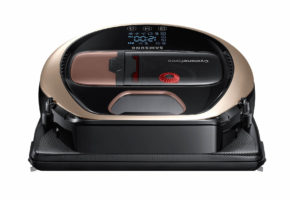
Samsung VR10M7030WW

The VR10M7030WW (also known as the VR7030 or SR10M7030WW) is a robotic vacuum cleaner from the Korean company Samsung, designed exclusively for dry cleaning of all types of floors, including [...]

Samsung VR10F71UBSamsung VR10F71UB

Samsung VR10F71UB

The Samsung VR10F71UB robot vacuum cleaner (also known as the SR10F71UB and VR10F71UCBC) is designed for dry cleaning of hard floors in residential and office spaces. The device also [...]

Samsung VR10J5050UDSamsung VR10J5050UD

Samsung VR10J5050UD

The Samsung VR5000 series robot vacuum cleaner is designed for dry cleaning. This robotic device features two cameras, significantly increasing the room's field of view and [...]

Samsung VR20M7070WDSamsung VR20M7070WD

Samsung VR20M7070WD

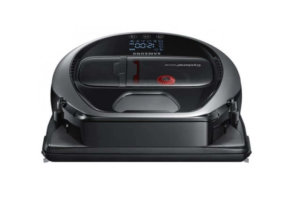
Samsung has released a modified model of its robotic cleaning equipment. The Samsung VR20M7070WD is a robot vacuum cleaner with significantly greater suction power, [...]

Samsung VR20J9040WGSamsung VR20J9040WG

Samsung VR20J9040WG

The Samsung PowerBot VR20J9040WG robot vacuum cleaner is a device that, despite being easy to use, has a sufficient number of functions that can be used to effectively clean [...]

1 2

Samsung Electronics was founded in 1969 in Suwon, Korea, and currently operates over 200 subsidiaries worldwide. Over the years, Samsung has released a wide range of high-tech home appliances, audio and video devices, and telecommunications equipment.

The company's two main business areas are:

  1. Information and entertainment (information technology, telecommunications, video and audio production, including television).
  2. Life safety (healthcare and biotechnology, environment and biotechnology, convenience and comfort).

Samsung's mission is based on utilizing human and technological resources to produce the highest quality products and services to contribute to the improvement of global society. The core principle that defines the company's vision is "Inspire the world, create the future." And Samsung truly inspires with the quality of its products.

Samsung began mass-producing robotic vacuum cleaners in the 2000s. The robots are manufactured in South Korea, and the company's office is located in Seoul. This is a huge advantage for many users, as any Korean-made appliance is valued globally and is a prerequisite for quality.

The 2017 Samsung robot vacuum cleaner lineup includes the following robots:

  • SR8730;
  • SR8731;
  • SR8750;
  • SR8751;
  • SR8875;
  • SR8900;
  • SR8980;
  • SR8981;
  • VC-RA52V;
  • VC-RA84V;
  • VC-RE70V Hauzen;
  • VC-RE72V Hauzen;
  • VCR8825T3B;
  • VCR8845;
  • VCR8855L3B;
  • VCR8895;
  • VR10F71UB;
  • VR10J5050UD;
  • VR10M7010UW;
  • VR10M7030WW;
  • VR20H9050UW;
  • VR20J9020UG;
  • VR20J9040WG;
  • VR20K9000UB;
  • VR20K9350WK;
  • VR20M7050US;
  • VR20M7070WD.

As we can see, the list of robot vacuum cleaners is quite extensive. However, there are a number of features that all Samsung automated robotic cleaners have in common. Firstly, the devices are designed for dry cleaning of rooms by sucking up small dust and debris with an air stream. Secondly, all robotic vacuum cleaners are either round or U-shaped. Thirdly, Samsung robots are equipped with Visionary Mapping navigation technology, which allows them to navigate well in space and plot the optimal cleaning route. Finally, the devices have two processors, allowing for task planning.

The main advantages of Samsung robotic vacuum cleaners:

  1. Robot vacuum cleaners, thanks to special sensors, are able to recognize the dirtiest areas of space and automatically switch to turbo mode with increased suction power and brush rotation speed.
  2. All models feature a stylish, attractive appearance and compact dimensions, including a low height, allowing them to easily reach hard-to-reach areas and clean out accumulated debris.
  3. The robot vacuum cleaners feature a wide turbo brush, 20% longer than the standard brushes found on many robots from other manufacturers, which effectively removes hair and fur, as well as cleans carpets. An additional brush specifically designed for removing pet hair is also included.
  4. Samsung's automated robotic cleaners feature a floor sensor, so when the unit is lifted, it automatically turns off, preventing battery drain. They also feature a charging sensor, allowing the vacuum cleaners to automatically return to the charging station to recharge.
  5. Most vacuum cleaners have low to medium noise levels (from 48 dB), but there are devices with a fairly high noise threshold (70 dB), but their cost is correspondingly lower.

Along with significant advantages, like any similar devices from other manufacturers, Samsung robot vacuum cleaners also have some drawbacks. The main drawback is that almost all Samsung robot vacuums are expensive, ranging from $200 to $500.

The presence of a HEPA filter in all devices is controversial. Most manufacturers tout it as an advantage, but it's important to remember that a HEPA filter reduces suction power, acts as an obstruction to airflow, and becomes a breeding ground for germs and bacteria if not properly maintained. While this may be a drawback for some, HEPA filters are generally considered an advantage.

You can learn more about this brand's robotic technology by checking out our Samsung robot vacuum cleaner reviews in this section!