Compatibility of robot vacuum cleaners and pets
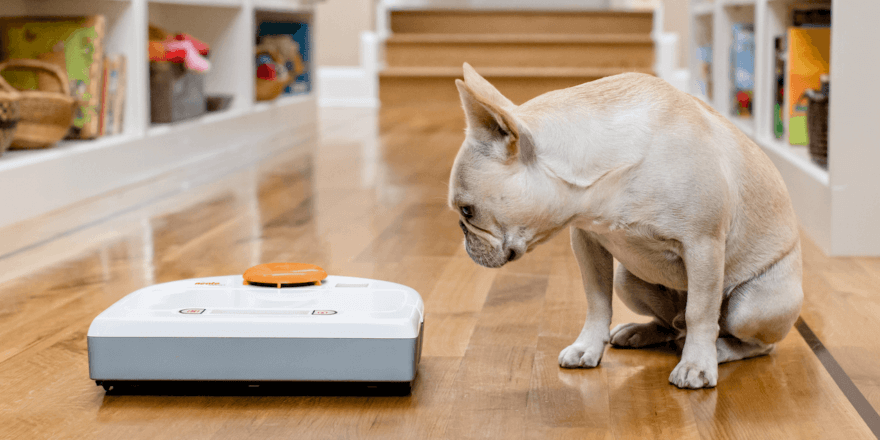
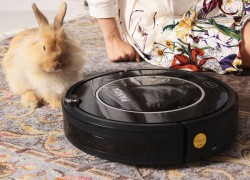
Robotic vacuum cleaners are gaining popularity, and the question of their compatibility with pets—cats, dogs, rabbits, etc.—is becoming increasingly important. Many buyers are interested in how well a robot vacuum cleaner removes pet hair (which is the primary reason they're purchased). But it's far more important to understand whether a "smart" vacuum cleaner will harm animals and what you need to know before purchasing a household helper. This article is for readers of the website.https://robovac.washerhouse.com We'll tell you what pitfalls you need to be aware of when buying a robot vacuum cleaner for a house or apartment with pets.
Existing types of hazards
So, the first thing you should remember is that not all pets can live peacefully in a house with a smart vacuum constantly running. The fact is that both dogs and cats have very different attitudes toward robotic vacuums. The only similarity is that during the first few days, pets pay close attention to the new inhabitant. There are three possible outcomes:
- Complete indifference. Once cats and dogs get used to the robot constantly circling the rooms, they may lose interest in it completely, which is a good thing. As a result, no one bothers anyone, the vacuum cleaner does its job, and the pets live a peaceful life.
- Fear of technology. We all know that many cats are terrified of vacuum cleaners and hide while the house is being cleaned. Because many robotic vacuum cleaners are noisy, cats may also hide. And considering that robotic vacuums are set to clean every day, you can imagine how stressful this can be for animals.
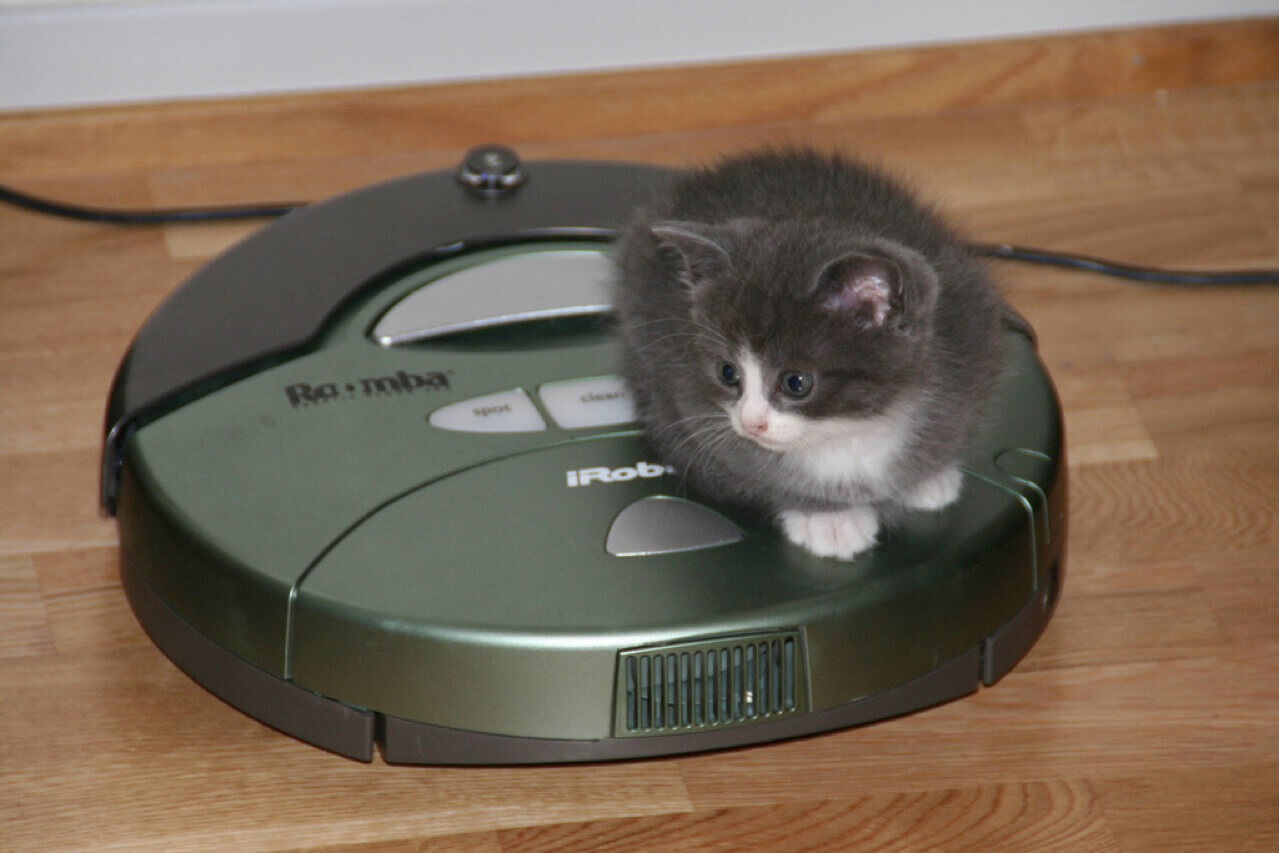
- Friendship. Another seemingly harmless outcome is when pets begin to get used to the robot and even interact with it. The most popular type of "cooperation" is when a cat rides on a robot vacuum cleaner. You've probably seen videos of some Barsik riding around the apartment. Well, that's not exactly ideal. Manufacturers specifically design the mechanism so that the wheelbase can support the weight of the robot vacuum cleaner itself and the debris in the dust bin. A 5-6 kilogram cat on top adds additional stress, which can lead to premature failure of the robot vacuum cleaner.
The second important point is that while cats won't cause any significant damage to the robot, other than putting extra strain on the wheels, dogs, especially large ones, can easily damage the robot vacuum if they don't like it. As an example, we've provided a photo of a dog chewing an iRobot Roomba so badly that the robot is likely beyond repair. There are dozens of similar cases. So, if you have a large dog in your apartment or house, consider whether it could damage the vacuum.


Incidentally, cats can damage the robot vacuum cleaner by playing with the side brushes, which can easily be damaged by their claws. This also happens.
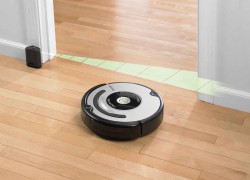
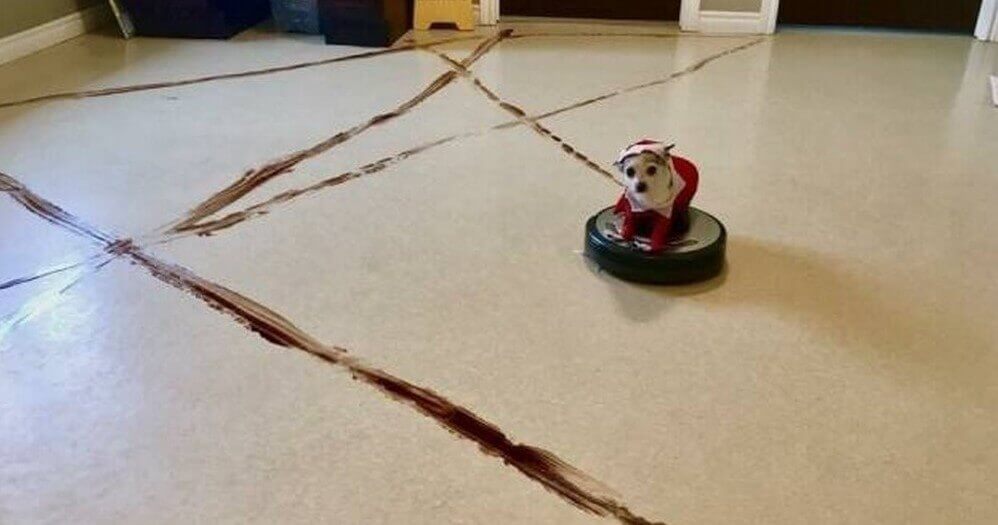
The next thing you should be aware of is that if a cat or dog is allowed to relieve themselves on the floor, the robot will smear it all over the carpet, linoleum, or tile while cleaning. It's not a pretty sight, and restoring the cleanliness will be even more difficult for owners than with a regular vacuum cleaner. However, if you remember to walk your dog and your cat uses the litter box, this danger won't pose a threat. Furthermore, many models are equipped with movement limiters. You can be on the safe side and prevent the robot from moving into areas where there's a potential danger, such as near the litter box. A vacuum cleaner is most often used for this purpose. virtual wall.
The main disadvantage of a robotic vacuum cleaner
Another undesirable factor that many people don't consider is that when a cat rides a robot vacuum, it can accidentally press the buttons with its paws. This could result in a different cleaning mode being selected, the settings being lost, or something else entirely. Manufacturers haven't yet implemented so-called pet protection.
Direct interaction with buttons
And finally, there's a final concern: if you have small pets in the house, a robot vacuum cleaner can be dangerous for them. There have been cases of the robot sucking a dog's tail into the suction port. With a small kitten or puppy, this could result in more serious injuries.
We recommend watching the video version of our rating of robotic vacuum cleaners for cleaning pet hair:
Benefits of buying a robot
You've explored the potential dangers of a robot vacuum cleaner and a dog or cat. While we've described all the potential hazards in as much detail as possible, they're not realistic and are more of an isolated incident.
If we're talking about whether it's worth buying a robot vacuum cleaner if you have pets, the answer is yes. Robotic vacuums are capable of effectively removing dog and cat hair from floors. This is especially important if you have small children or people with allergies at home.
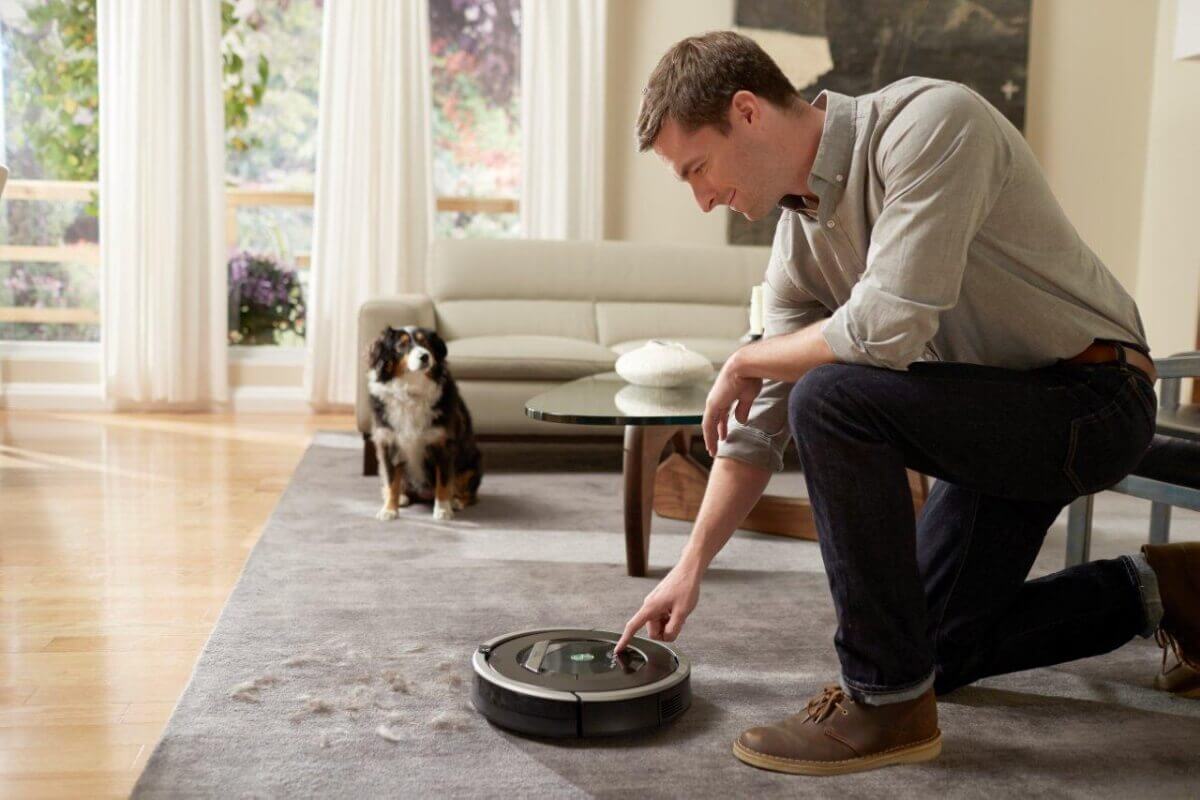
Removing hair from carpet
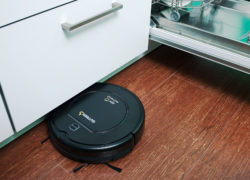
Moreover, thin robots can clean debris under furniture (sofas, kitchen units, etc.), which is not as convenient as a regular vacuum cleaner. Therefore, if you've finally decided to purchase this type of equipment and all the above-mentioned nuances haven't put you off, we recommend choosing the right model and starting using your robotic assistant. How to choose a robot vacuum cleaner for your homeWe discussed this in a separate article, which we highly recommend you read.
Finally, we recommend watching a selection of videos showing a cat riding a robot vacuum cleaner and other possible pet behaviors:
Funny, right? But there's another reaction to a first meeting, like in this video:
When it comes to dogs, the behavior in this case also varies:
That's all we wanted to tell you about the combination of a robot vacuum cleaner and pets in the home. If you have any questions, please ask them in the comments below. We'd love to discuss this popular topic with you!