What is a virtual wall?
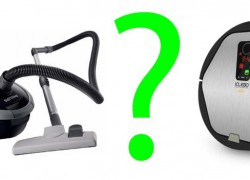
When a user is looking to purchase a robot vacuum cleaner, they often ask themselves the key question: "What criteria should I use to choose a device, and which model is best?" This question is certainly important when choosing a device, but the answer depends on the user's expectations and expectations. There are many models with varying functionality and price ranges. To determine which model is best, it's important to understand their operating principles, design features, and included components. A significant consideration when choosing a robot is the virtual wall. We'll explain what this is and why a virtual wall is needed in a robot vacuum cleaner below.
Structure and purpose
Robot vacuum cleaner manufacturers They develop numerous additional features and capabilities in their products to make them even better and more efficient. For this purpose, they developed a virtual wall and a beacon.
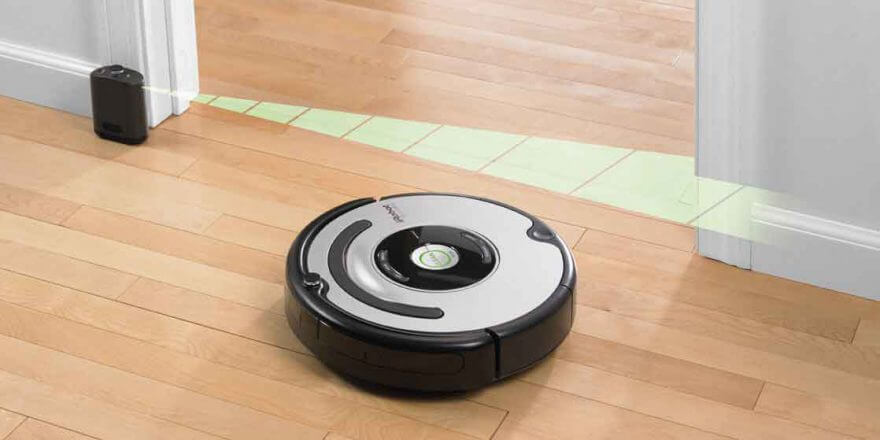
A virtual wall is a special device that allows a robot vacuum cleaner to navigate its surroundings. It's a device that divides a room into zones and prevents the robot from leaving the room it's cleaning.
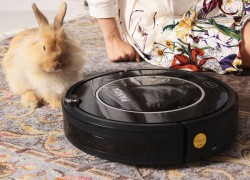
A virtual wall is also used when it's necessary to restrict the device's access to a fragile item in the room, such as a tabletop vase or pet food plates. In such cases, this device is both relevant and necessary.
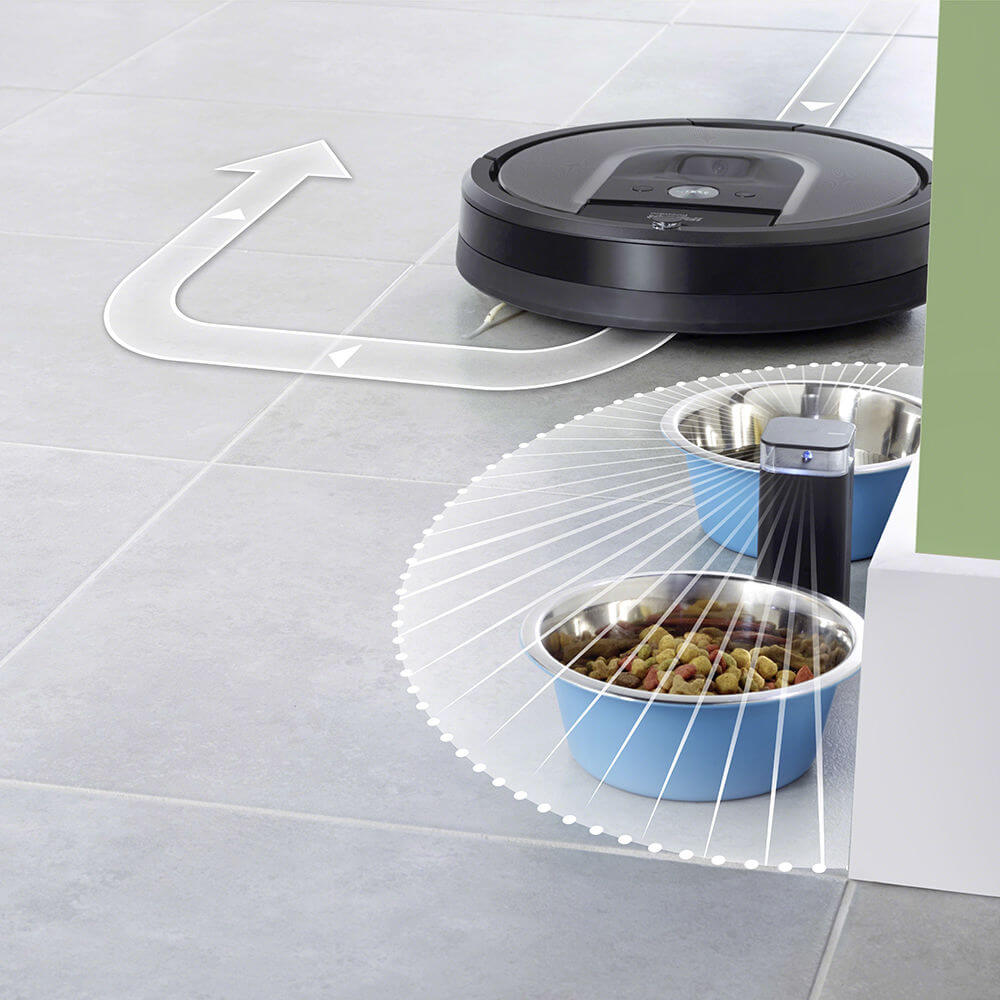
Protecting pet dishes
Of course, special cameras mounted on the robot's body can also be used to orient the robot around the room. Using these cameras, the robot vacuum cleaner surveys the room being cleaned and creates a cleaning plan—a map that stores the location of all obstacles in the room, as well as its charging station. However, such cameras are not a fully-featured component and are prone to malfunction. Furthermore, they are highly dependent on the surrounding environment, which limits their range of application.
That's why manufacturers have begun to focus more on features like the virtual wall. Its primary purpose is to determine the required space around itself for cleaning at any given moment.
Operating principle
If you decide choose a robot vacuum cleaner With such a feature, it's important to understand its operating principle and purpose. So how does a virtual wall work? As mentioned earlier, the main purpose of this device is to define the space to be cleaned. This is achieved as follows: the virtual wall emits infrared rays, which the robot vacuum cleaner receives, completely changing its trajectory.
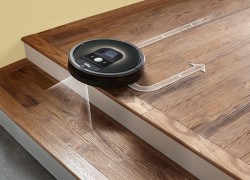
This eliminates the risk of the robot colliding with fragile furniture, getting caught in curtains or wires, or falling down stairs. An infrared beam protects the robot vacuum cleaner from dangerous and fragile objects in the room.
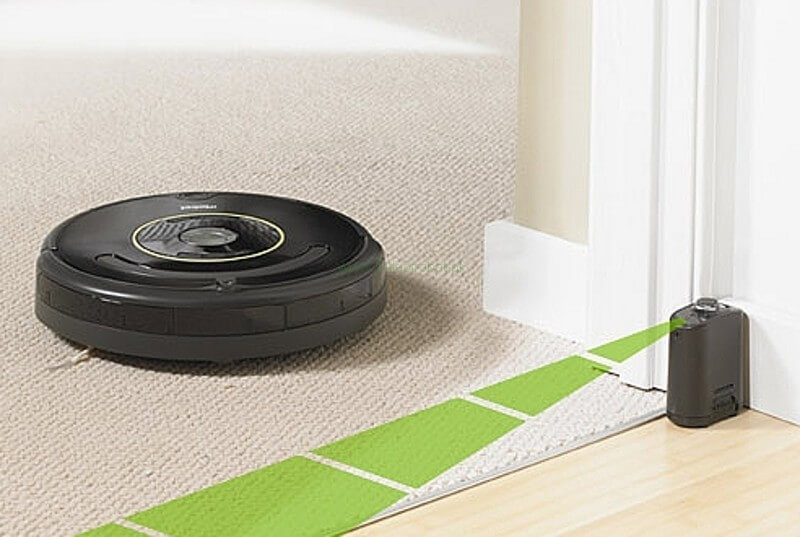
Action of the movement limiter
All the user needs to do before starting work is correctly position the devices around the perimeter of the area to be cleaned. The virtual wall can be turned on and off not only manually but also automatically, depending on the device model selected.
This device will be useful in rooms where pets live, as it can be used to protect food bowls, as well as in apartments or houses with a lot of fragile and valuable furniture.
The only competitive option for a virtual wall is special beacons, which are a more advanced version. The operating principle of a beacon (also known as a navigation cube) is virtually identical. The only difference is that a robot vacuum cleaner equipped with a beacon has two modes. One is the same as the wall mode, and the other is the beacon itself. It communicates between the device and the vacuum cleaner using radio waves.
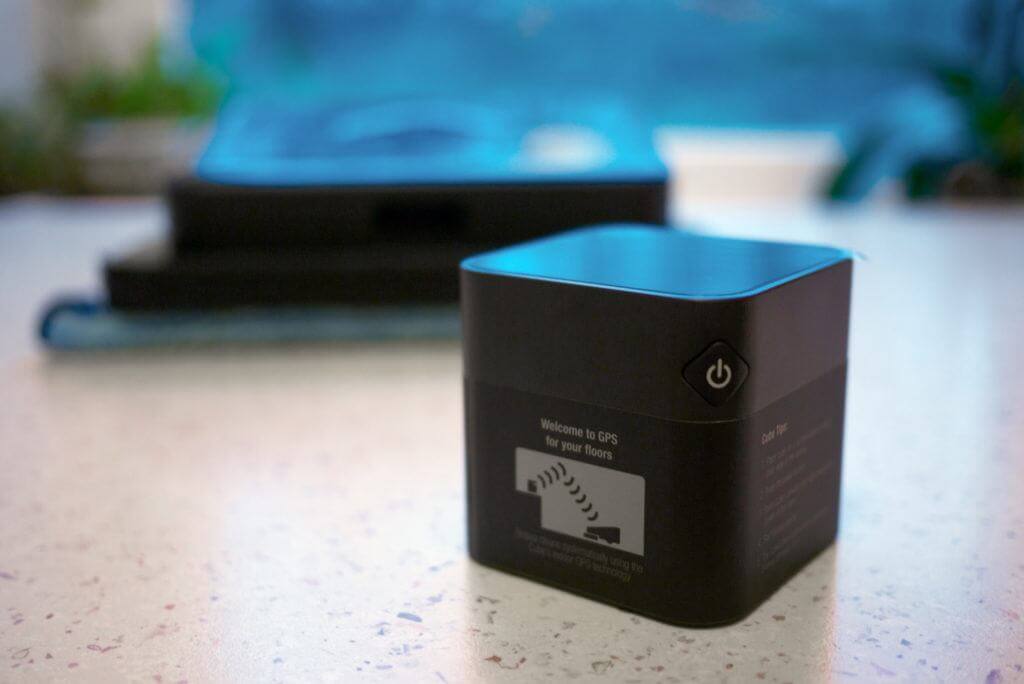
NorthStar Cube navigation cube
With this mode, the robot vacuum cleaner cannot leave the room it's cleaning until it's completely clear of debris and dust. Only then does the beacon signal it to move to another room to continue cleaning. However, since this system is more sophisticated and advanced, its cost will also be significantly higher. Therefore, the choice depends on the consumer's preferences.
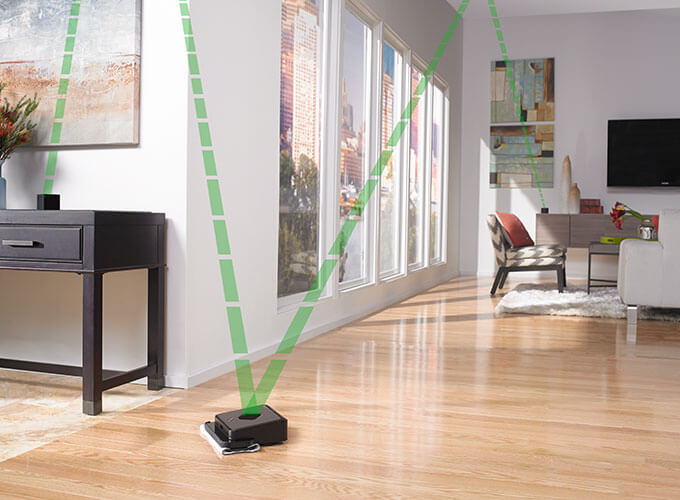
How a virtual lighthouse works
After finishing its work, the robot vacuum automatically finds its charging station and returns to it. This is accomplished using the same infrared rays that the station sends to the robot.
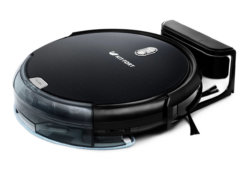
The video below clearly demonstrates how the virtual wall of the Kitfort and iLife robotic vacuum cleaners works:
Some iRobot robot vacuum cleaner models come with two virtual walls, such as iRobot Roomba 980In this case, you can further limit the cleaning area, as shown in the video:
A virtual wall is a specialized device that can significantly simplify and improve cleaning your apartment or house. It eliminates the worry of the device accidentally hitting and breaking fragile items or getting tangled in curtains or wires. Now the device can automatically navigate around obstacles it encounters.
It will be useful to read: