How to choose a robot vacuum cleaner in 2025: a detailed guide from an expert!

Are you completely confused about choosing the best robot vacuum for your needs and budget? Are you unsure which features are worth paying extra for, and which are unlikely to be useful? In this article, I'll explain how to choose a robot vacuum in 2025, taking into account the latest features of these devices. The tips below will help you not only choose the most suitable option but also briefly familiarize yourself with the market, innovations, and, just as importantly, what to look for when choosing a robot vacuum. Having tested over 180 modelsAfter trying different brands and price points, I developed a clear understanding of what features are really needed and how to choose the right type of cleaning module. So, let's get started!
Navigation type
First, let's talk about robot navigation. Even as late as 2022, new products are appearing in the budget segment. no navigation at allThese are erratically moving robots that change direction randomly when they collide with walls and furniture.
A little smarter robotic vacuum cleaners with a gyroscope for navigation. They can move in a serpentine pattern, avoiding uncleared areas. However, with complex room geometry and large areas, spatial orientation errors increase, and therefore, covering ALL available space becomes difficult. And it's important to note that robotic vacuum cleaners with a gyroscope They do not store the map in memory, and therefore do not provide such important functions as selecting rooms or zones for cleaning, as well as setting virtual walls and no-go zones.
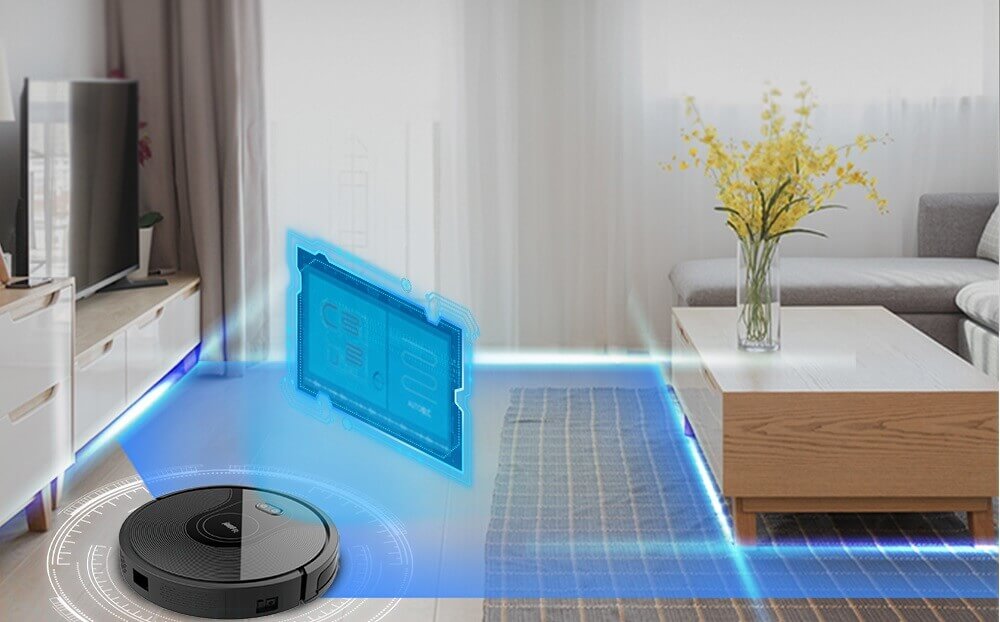
Gyroscope for navigation
The next type of navigation is camera, which allows a robot vacuum cleaner to scan the room using the ceiling, create a map, and store it in its memory. These robots have two important advantages: they are lower in height than lidar models, and they can clean behind curtains and drapes by pushing them toward the wall. Some robotic vacuum cleaners with a camera for navigation They are capable of storing more than one unique map in memory, but the majority of budget and mid-price models still store one map in memory, so it is advisable to use them within the same floor.
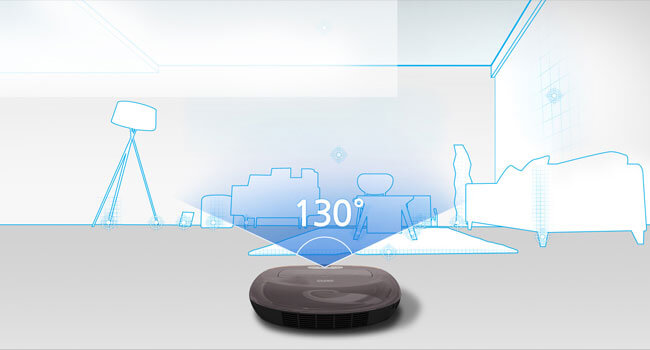
Camera navigation
Well, the most popular and most demanded type of navigation is lidarsThe robot's top turrets house a laser rangefinder that continuously scans the surrounding area while cleaning. Robot vacuum cleaners with lidar for navigation They are the most gentle and have a gentler touch, but because of this, most models avoid curtains, recognizing them as obstacles. Lidar-based navigation is the most precise, and this feature allows most robots to store multiple cleaning maps, making them suitable for cleaning multiple floors, memorizing each map and saving cleaning parameters for each map. No-go zones apply, too.
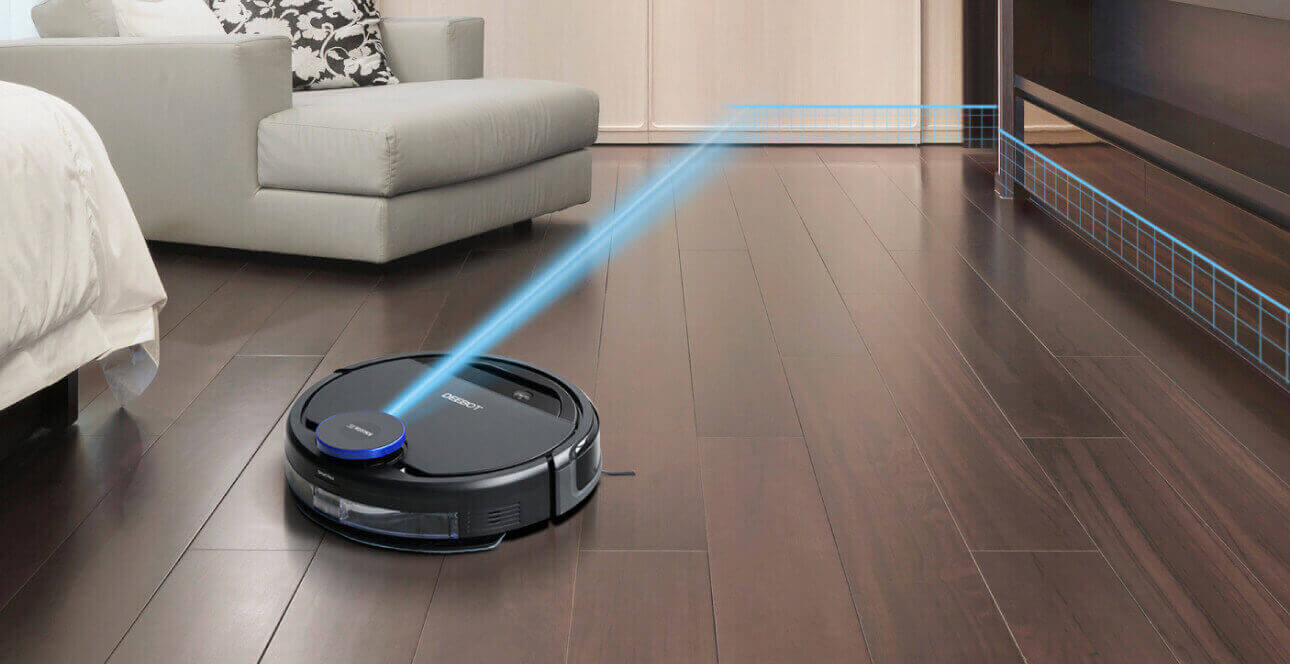
Lidar for navigation
However, the best navigation for robotic vacuum cleaners at the beginning of 2025 is a tandem lidar and bumper-mounted sensor and camera system To recognize and carefully navigate around objects on the floor. These robot vacuums accurately navigate large areas and can identify virtually any household item that might interfere with cleaning: socks, cords, slippers, construction toys, and even pet surprises. Overall, robots with lidar and a bumper camera are the smartest, most accurate, and most attentive.
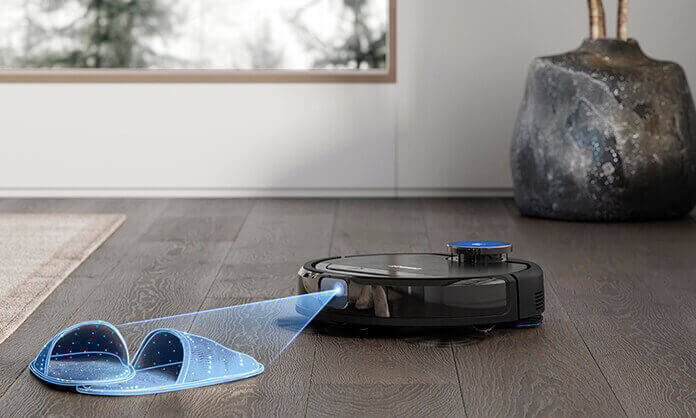
Definition of objects
Now about the choice of navigation:
In the realities of 2025, I see little point in choosing robots with a gyroscope for navigation, let alone models without navigation at all. They used to be cheaper, but now you can even get a lidar robot vacuum for $200. Therefore, I recommend avoiding anything cheaper, especially if this is your first robot vacuum. Choose between a camera, lidar, or a combination of lidar and a floor detection system.
Camera-based robots are more durable, as the lidar is still a moving element that needs to be repaired or replaced over time. However, modern robots are built quite well, so there's no need to worry about lidar repairs, especially since the motor is replaced most often, and it's less expensive. Lidar has many more advantages. It's more accurate, cleaning is faster without sacrificing quality, and even camera-based robots are no longer available in large numbers.
Here I would give more preference to chamber robots, if it is absolutely necessary for the body height to be up to 8 cm, or if you want the robot to clean behind curtains and drapes.
The lidar and camera tandem is the most expensive, and I'd recommend it if you have pets that aren't litter-trained or children who throw toys around. This reduces the risk of the robot becoming blocked by an object and causing an error.
Well, the lion's share of robots are lidar-based, and most likely, the choice will fall on this type of navigation due to the wide variety of models.
Cleaning module type
Now comes the tricky part: choosing the right cleaning module. Let's look at each component in turn.
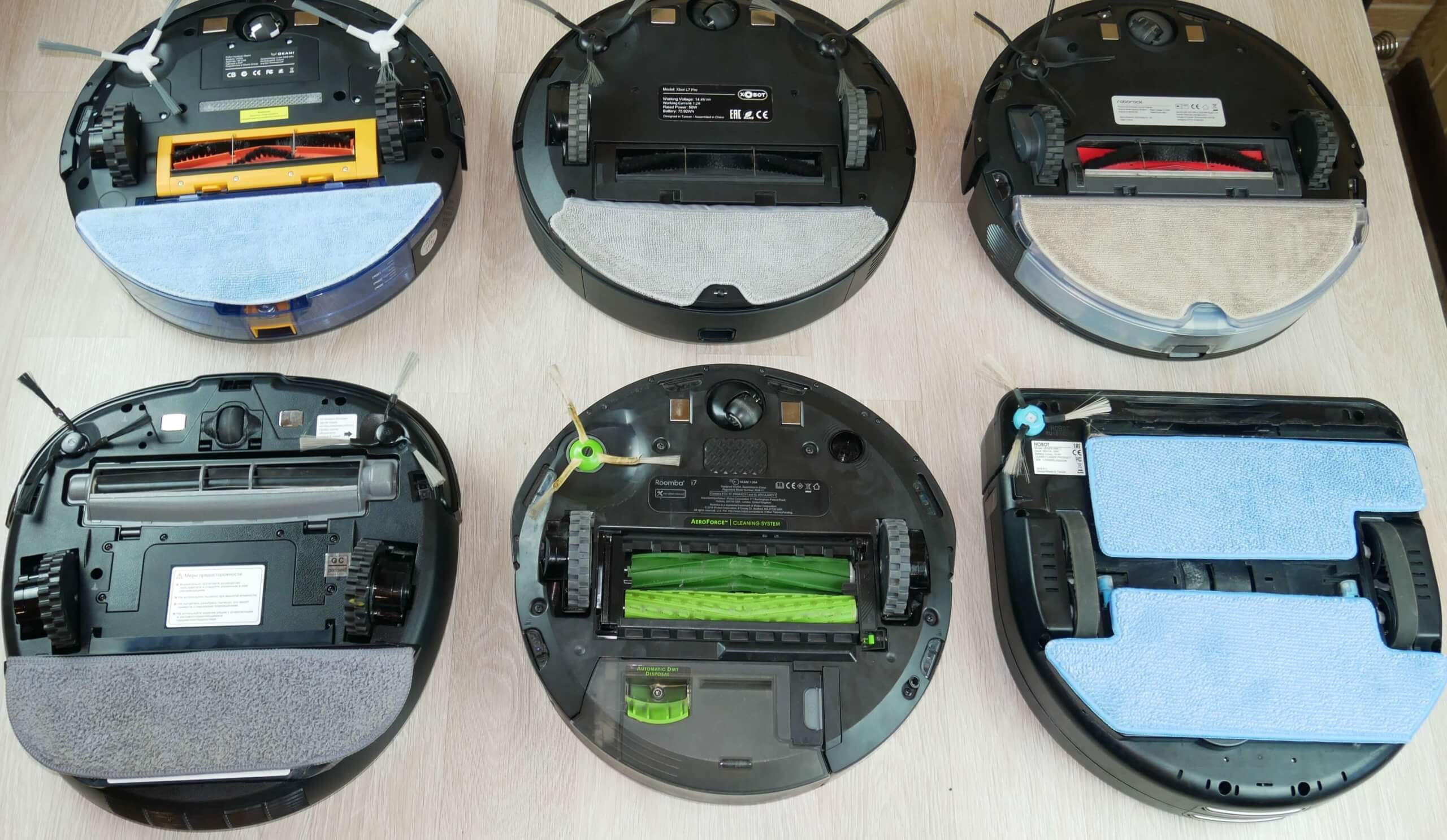
Side brushes Side brushes are more useful for picking up debris along baseboards and in corners. Given that modern robots are equipped with precise navigation, they all clean in a serpentine pattern, leaving no uncleaned areas. Therefore, one side brush is sufficient. For this reason, most robot vacuum brands equip their robots with a single side brush. But in reality, when equipped with two side brushes, the robot cleans SLIGHTLY better. Less debris is scattered to the sides when there is a large accumulation, and most importantly, the second side brush, the left one (when viewed from above while the robot is moving forward), protects the left main wheel from becoming entangled in hair and other debris. This side brush cleans the area where the wheel passes, which also extends its lifespan. Therefore, when choosing between two robots that are similar in functionality and characteristics, it makes sense to choose a model with two brushes, compared to an analogue with a single side brush.
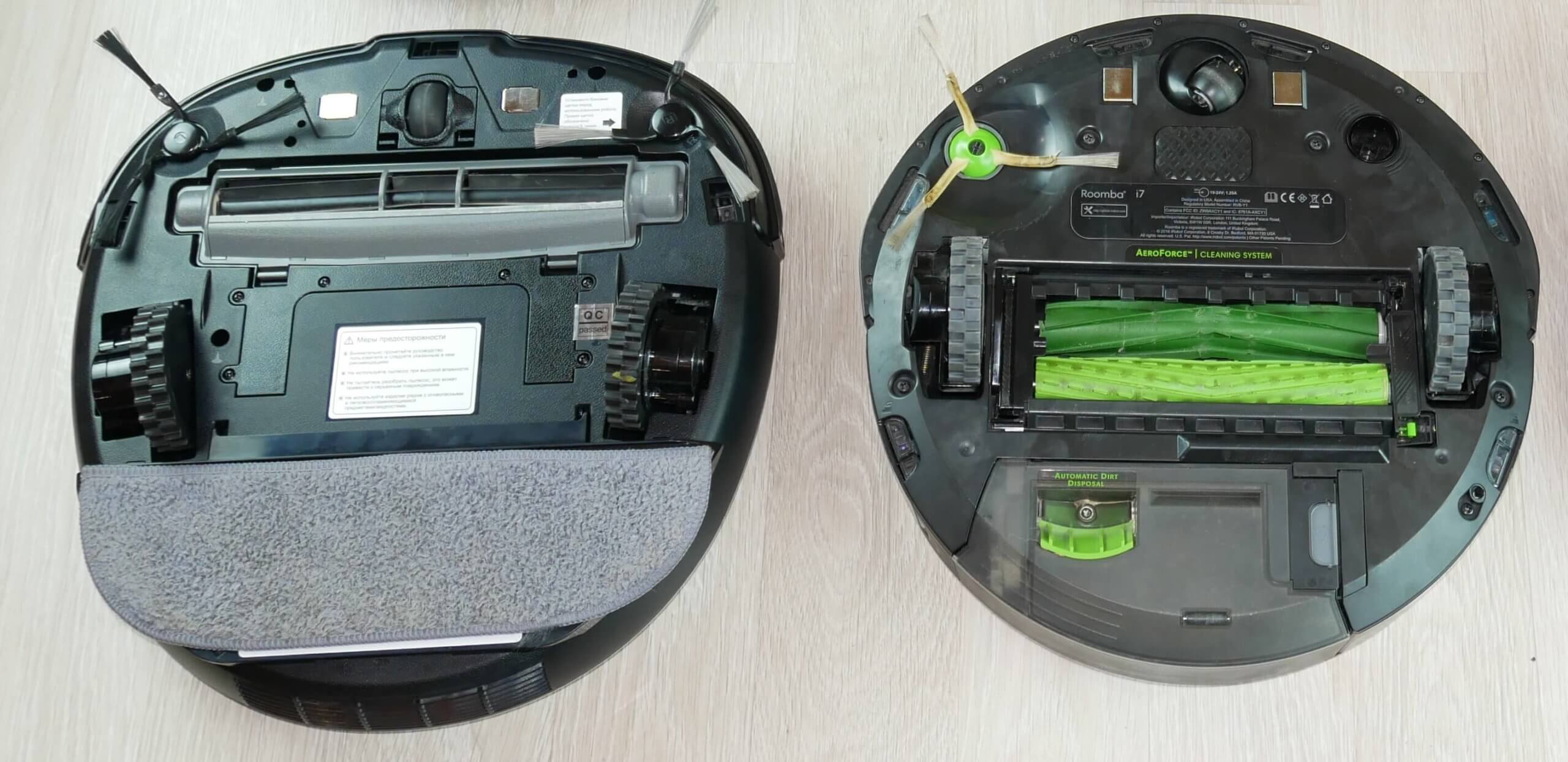
One side brush or two
Central cleaning unit can be represented by a turbo brush or a suction hole. Robots without a turbo brush This is often a marketing ploy by brands. They claim they're better for picking up pet hair and fur, as they're simply sucked into the dust bin and don't get tangled up in the central brush. Robots without a turbo brush are significantly less effective. They don't clean carpets well, and they're less effective at picking up debris and pet hair. You can count the truly effective robot vacuums without a turbo brush on one hand, and these are mostly mopping robots that don't really need a brush. If you're choosing a robot without a turbo brush based on your personal preferences, it's only for cleaning hard floors.
Now about the turbo brush itselfIt can be made of bristle, flap-type bristles, or silicone. The first two types of brushes are better at collecting pet hair and hair and cleaning carpets better, as practice shows. The problem with flap-type bristles and brushes with elastic bristles is that they are more difficult to clean from tangled hair and hair, and hair SPECIFICALLY gets tangled around the roller. Silicone turbo brushes are more practical in this regard and are significantly easier to remove hair and hair, but again, I can say that they perform slightly worse on carpets under the same conditions as bristle brushes.
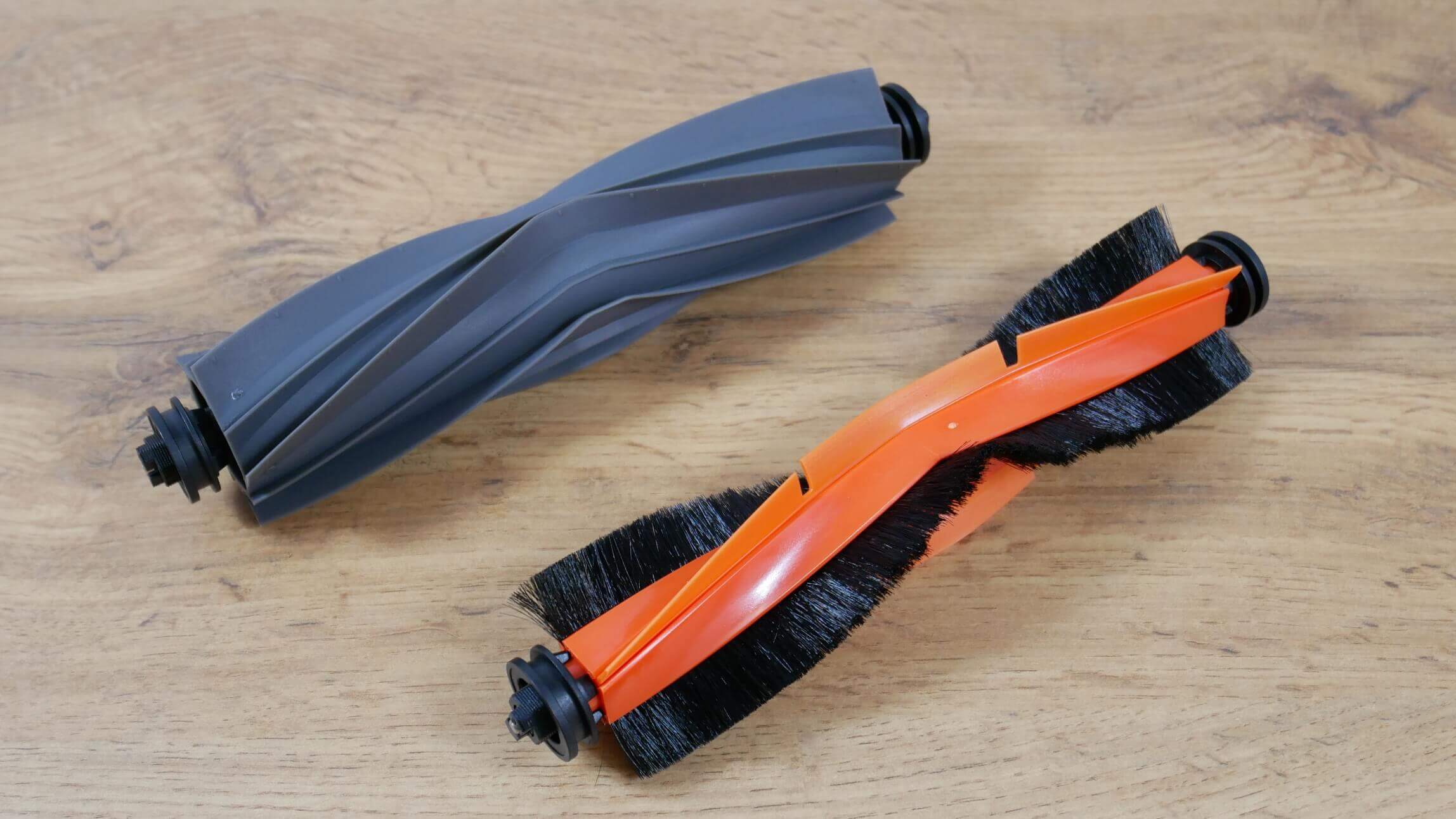
Types of turbo brushes
So, if you have a problem with hair and fur on the floor and don't want to clean the brush every week, consider models with a silicone brush. However, there aren't many such robots available. Therefore, you often have to settle for a bristle-petal brush, and choosing one requires more careful consideration. If, again, hair and fur are a problem, the center brush MUST be detachable. Otherwise, you'll have a hard time cleaning the sides where hair accumulates. If there's no hair and fur on the floor—for example, if you're a bald bachelor—this isn't as critical.
It's also worth noting that the central brush unit should ideally be floating, especially if the floor is carpeted. A floating brush adapts better to different surface textures by pressing closely against them.
The next component of the cleaning module is the platform with the wet cleaning cloth. We'll cover this, as well as the wet cleaning function itself, in more detail in the next selection criteria.
Wet cleaning function
When it comes to wet cleaning, there are many nuances. The main one, of course, is type of cleaning moduleThis can be a regular, fixed cloth, a cloth with a lifting mechanism on carpets, two rotating discs with cloths, or moving platforms.
In 2022, almost no robots are produced without wet cleaning, so ditching this feature for budget reasons won't be possible in 2025. Even the most budget-friendly models are equipped with wet cleaning, and the only thing you can do is simply not use it.
So, if you are not interested in wet cleaning or you simply do not rely on it, it will be enough to choose a robot with a regular stationary napkin, the largest selection on the market. The cloth will collect fine dust and debris behind the brush, slightly improving the quality of dry cleaning.
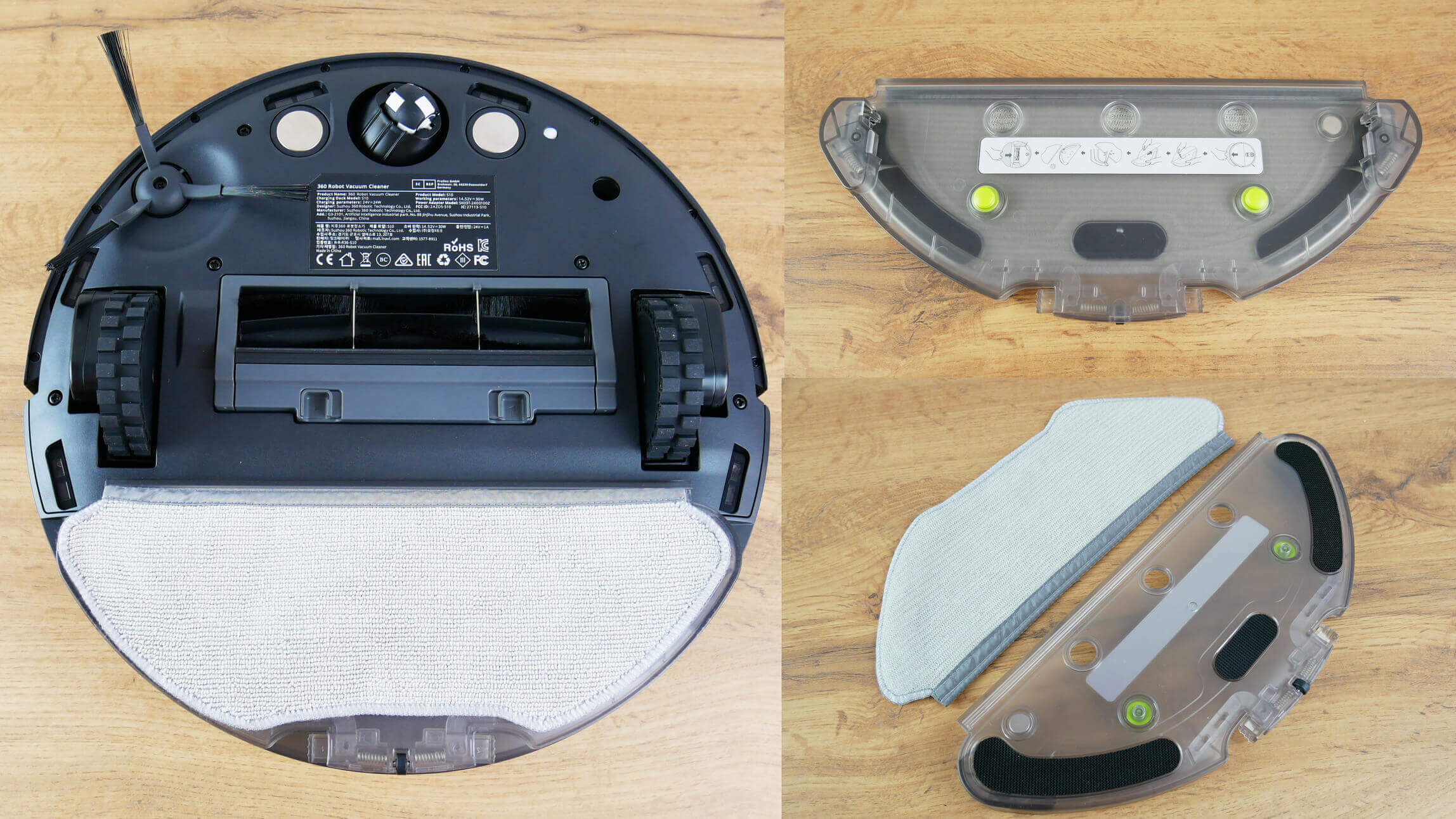
Stationary cloth for wet cleaning
If you have carpets and still want the robot vacuum cleaner to clean the floor, it makes sense to choose the version with a lifting mechanismIn this case, the cloth is pressed against the floor on hard surfaces and automatically lifts 5-7 mm when entering carpets. This prevents the cloth from coming into contact with the carpet, allowing the robot to simultaneously vacuum and mop the floor, leaving carpets dry and clean. More and more robots of this type are appearing on the market.
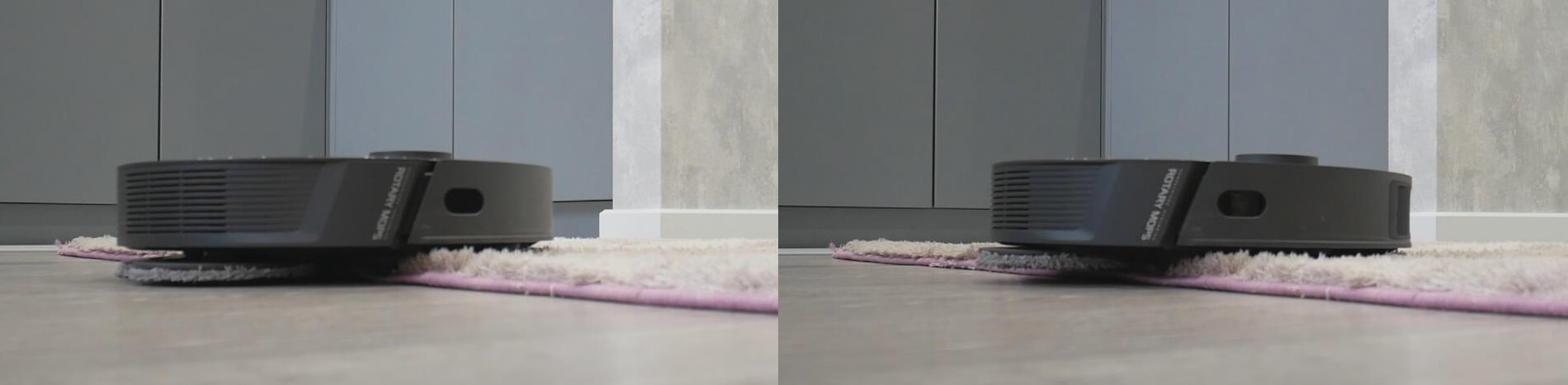
Lifting napkins on the carpet
If you don't have carpet, you don't have to pay extra for the lifting cloth feature on carpets, but it's also useful on hard floors. The cloths lift not only on carpets, but also until the robot starts cleaning a selected area on the map. For example, you might want it to clean only the furthest room, about 10 meters away. A robot with a standard cloth will remain in contact with the floor the entire way, wasting water and dirtying the cloth. With a lifting mechanism, the cloth will only lower in the cleaning area. Many people overlook this important point.
There are specialized robotic floor polishers that moving platforms The wipers use reciprocating or rotating motions, effectively removing dirt from the floor. For example, several robots in the Hobot Legee line feature a cleaning module consisting of two platforms with wipers that move in a reciprocating motion, removing even dried-on dirt. This unique patented design.
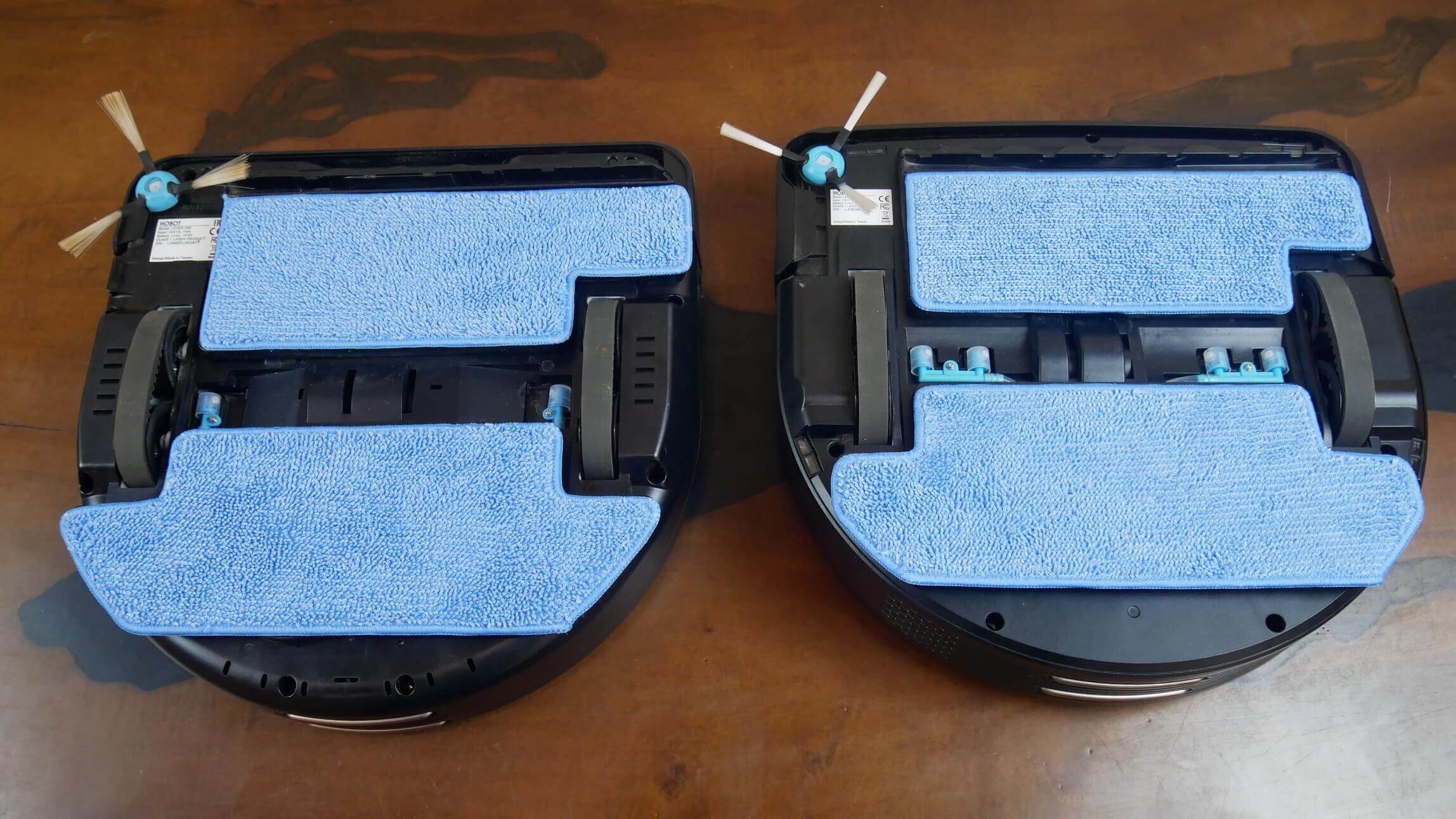
Hobot Legee Cleaning Module
Two rotating discs with cleaning pads have become widely used. Several premium robots with this cleaning module appeared in 2024 and early 2025. Moreover, some models also feature rotating pads that can automatically lift up on carpets.
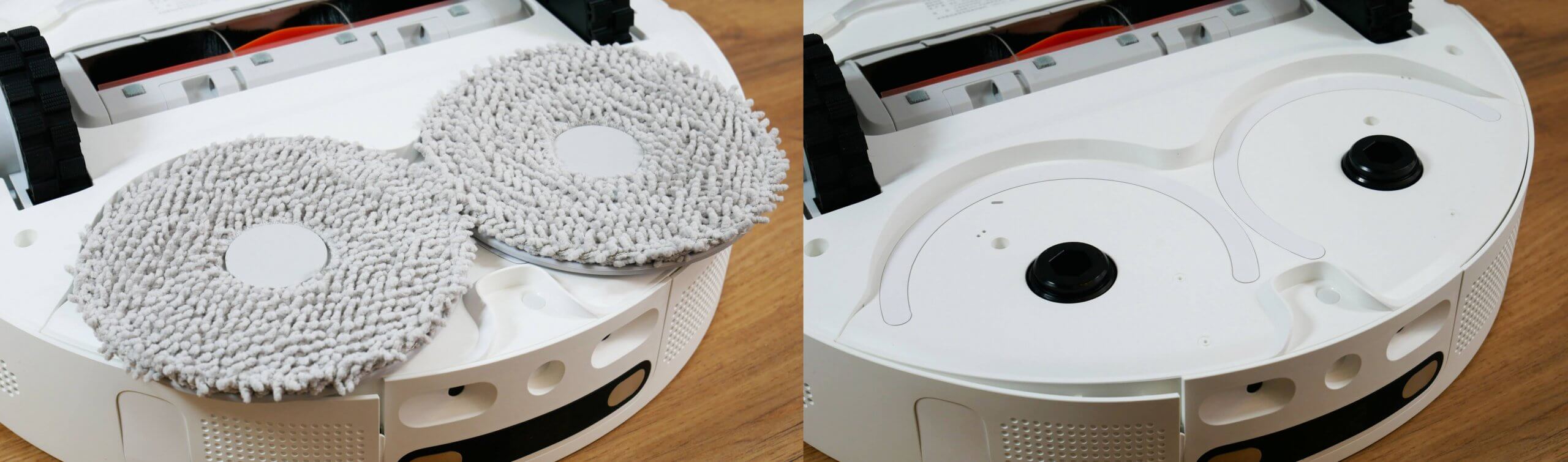
Round napkins
A robot vacuum cleaner with round cloths is worth considering if you are truly interested in wet cleaning and want the robot to mop your floors more effectively.
Station
Let's continue discussing wet cleaning when considering the next criterion for choosing a robot vacuum cleaner: the presence of a station. As of early 2025, several types of stations exist. These include a station for self-cleaning the dust bin, a station for rinsing the cloths during cleaning, and a combined station for self-cleaning and rinsing the cloths.
So, while we haven’t moved away from the topic of wet cleaning, we will immediately consider wipe rinsing stationIt's equipped with tanks for clean and dirty water, as well as a platform where the robot's cleaning pads actually take place. You set the self-cleaning frequency in the app, and after a specified time interval or area covered, the robot vacuum returns to the station and rinses the pads, then continues cleaning with clean, well-moistened pads. This allows for high-quality wet cleaning over large areas. For example, you can set the pads to be rinsed every 10 square meters, after cleaning each room, or even every 5 minutes of cleaning. Very convenient and practical.
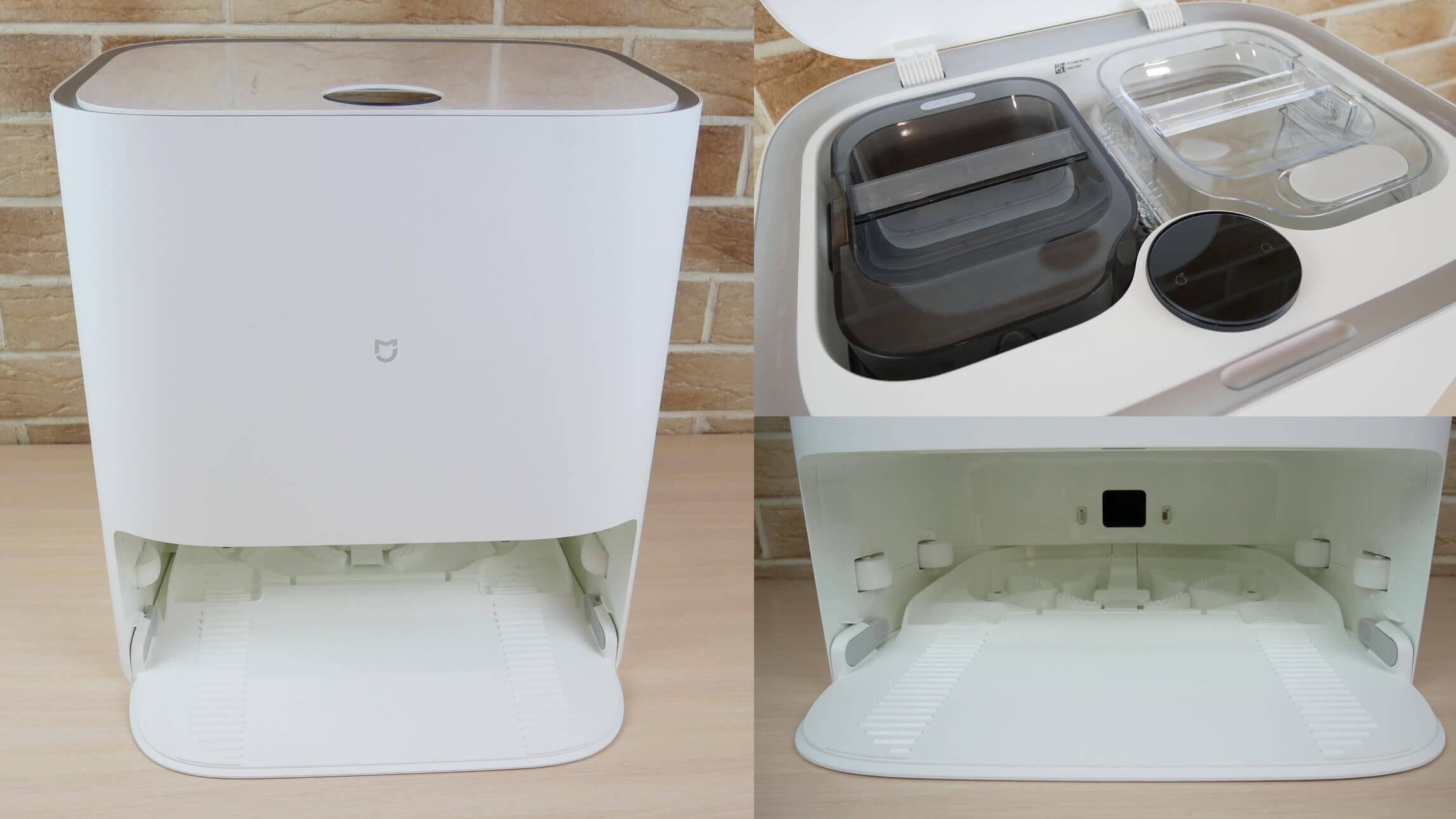
Wipe rinsing station
If you're cleaning a small area—say, up to 50 square meters—it might not make sense to overpay for a station, as the useful cleaning area will be half that, including furniture and other interior items, and the cloth's lifespan will be sufficient to collect dust without smearing it across the floor. However, if you're cleaning a larger area and want a robot vacuum to perform high-quality wet cleaning, a station will be essential in 2025. By the way, when choosing robot with a station for rinsing wipesAlso, make sure that the dryer has a hot air drying feature so that it not only cleans the fabric but also dries it, preventing the formation of unpleasant odors and germs.
The next type of station is – for self-cleaning wasteIt's up to you whether to choose this option or not. The robot's empty dust bin is sufficient for one full cleaning cycle, even on areas over 100 square meters. If you're willing to empty the dust bin every one or two cleanings, the station isn't as important. If you want to simplify the maintenance process as much as possible and automate the robot's cleaning, choose this option. robot vacuum cleaner with a self-cleaning stationIn my opinion, this is not marketing, but a truly convenient option.
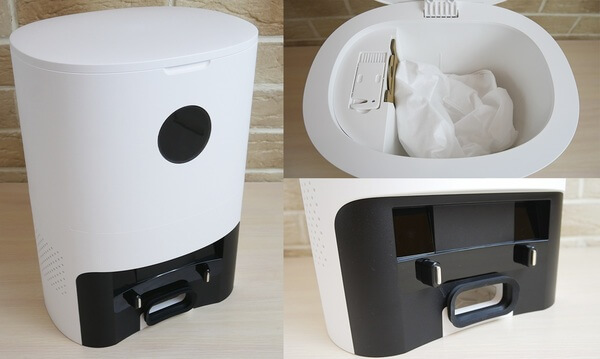
Self-cleaning station
Well then combined station – this has been a new feature for the past two years. In 2022, many robots appeared with stations that not only self-clean the dust bin but also rinse the cloths. If this option interests you, there's already a wide selection of models to choose from.
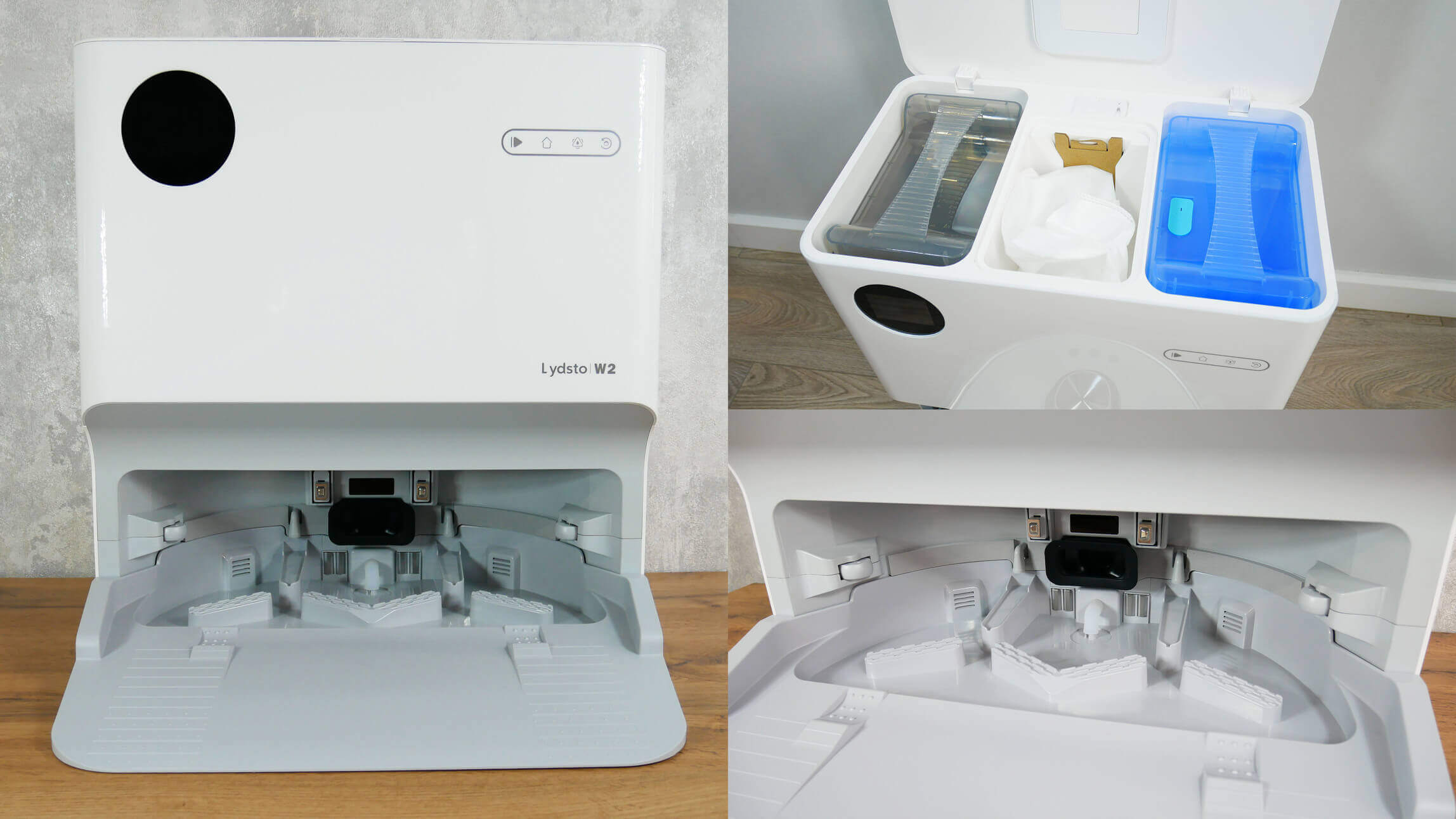
Combined station
Suction power
An equally important criterion for choosing a robot vacuum cleaner is suction power. It's typically stated by the manufacturer and ranges from 2000 to 5500 Pa. But this is more complicated. There's no established method for evaluating suction power or optimal selection guide. Many manufacturers lie, inflating suction power claims based on laboratory tests under ideal conditions. As a result, while 10,000 Pa may be claimed, the robot vacuum isn't actually capable of cleaning even the smallest cracks between floor tiles, let alone medium-pile carpets.
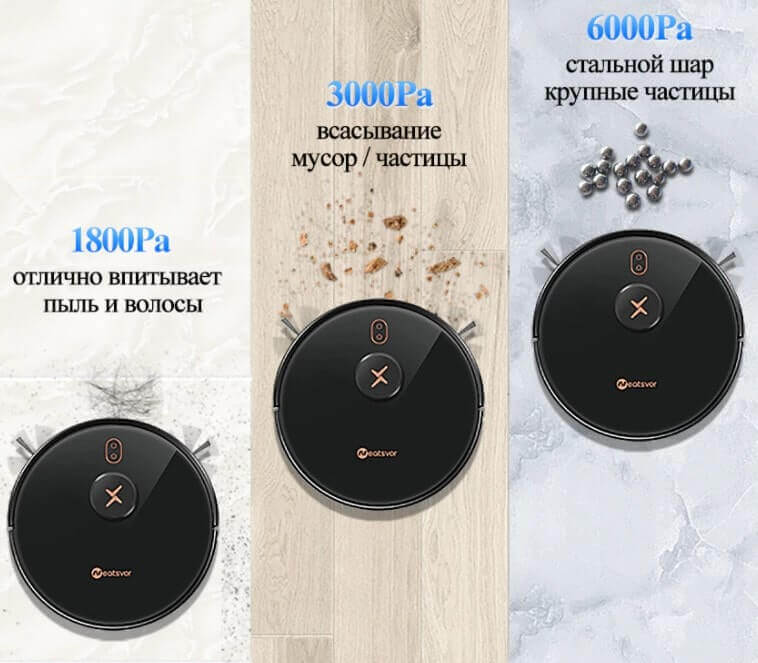
Suction power
Therefore, I decided to test the robot's performance on a rig with gaps of varying depths—from 2 to 10 mm. I believe that for hard surfaces, a robot should be able to vacuum debris from at least a 2 mm gap. And for a thorough cleaning of carpets, at least 4 mm is needed. However, a significant number of robots have already demonstrated impressive results, vacuuming debris from a 10 mm gap, while the lion's share of models are barely capable of vacuuming debris from a 2 mm gap.
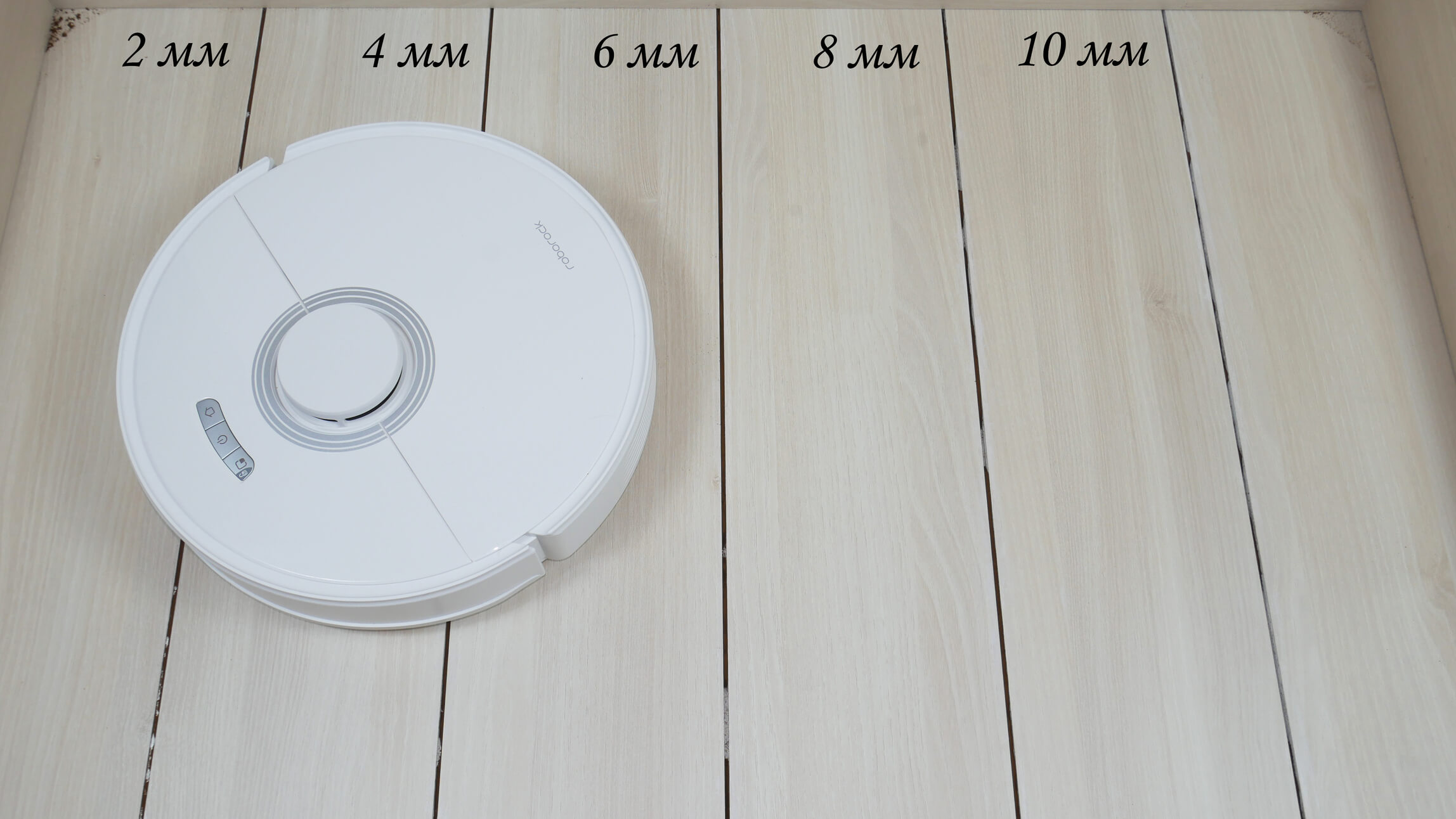
Real suction power
So, it's up to you to decide whether to believe my tests or the numbers on paper. I'm betting on the former.
Manufacturer
I'll express my own opinion about manufacturers, which are also worth paying attention to when choosing a robot vacuum cleaner.
Personally, I consider it A-brands the following manufacturers, whose developments are in most cases unique, advanced and fundamental in the development of the robotic vacuum cleaner market. This iRobot, Roborock (a Xiaomi sub-brand), Dreame (a Xiaomi sub-brand), Hobot, Ecovacs, Neato, and 360By choosing a robot vacuum cleaner from one of these companies, you can be confident in quality, durability, and, in some cases, even a high level of after-sales support from the manufacturer. Products from these brands are more expensive than similar ones, so you can often choose something less expensive from the brands listed below that offers comparable cleaning performance and, in some cases, even reliability.
The so-called second echelon These are brands that can also implement their own unique features, but lack build quality, software reliability, level of support, and, of course, reliability. They're not always inferior, but overall, the robots are slightly lower-quality. This category includes the following brands: Mijia (a Xiaomi sub-brand), Viomi (a Xiaomi sub-brand), Lydsto (a Xiaomi sub-brand), Midea, Samsung, LG, Eufy, Tefal, Roidmi (a Xiaomi sub-brand), Cecotec, Proscenic, Yeedi, iCLEBO.
The next group of brands – these are Russian manufacturers of robotic vacuum cleaners: Clever&Clean, Polaris, Redmond, Xbot, iBoto, Gutrend, Kitfort, GenioTheir undeniable advantage is the availability of a comprehensive warranty and after-sales support, often even their own software, which is updated more frequently. Furthermore, the robots themselves can easily compete with their Chinese counterparts in terms of cleaning quality and functionality.
Well, at the bottom of the ocean I would place Chinese brands such as Liectroux, iLIFE, Airrobo, NEATSVOR, Lefant, AbirHere, only iLIFE can stand out with its own developments and relatively good build quality compared to other brands, but again, not at the level of higher-ranking brands.
Functions
When it comes to functionality, this is where things can get confusing, deciding what to overpay for and what not.
Here's a list of features I consider important when choosing a robot vacuum cleaner in 2025:
- Customize cleaning parameters for each room.
- Automatic power increase on carpets.
- Floor polisher mode (Y-shaped movement trajectory).
- Double/triple passage of the selected room/zone.
- No-go zones and virtual walls.
- Prohibited areas for wet cleaning mode/avoiding carpets in wet cleaning mode.
- Control via Yandex.Alice.
Another popular option is the ability to record/install creative voice packs. In this case, the robot will curse, compliment, or speak in the voice of a recognizable fairy tale character. Not all models support this feature.
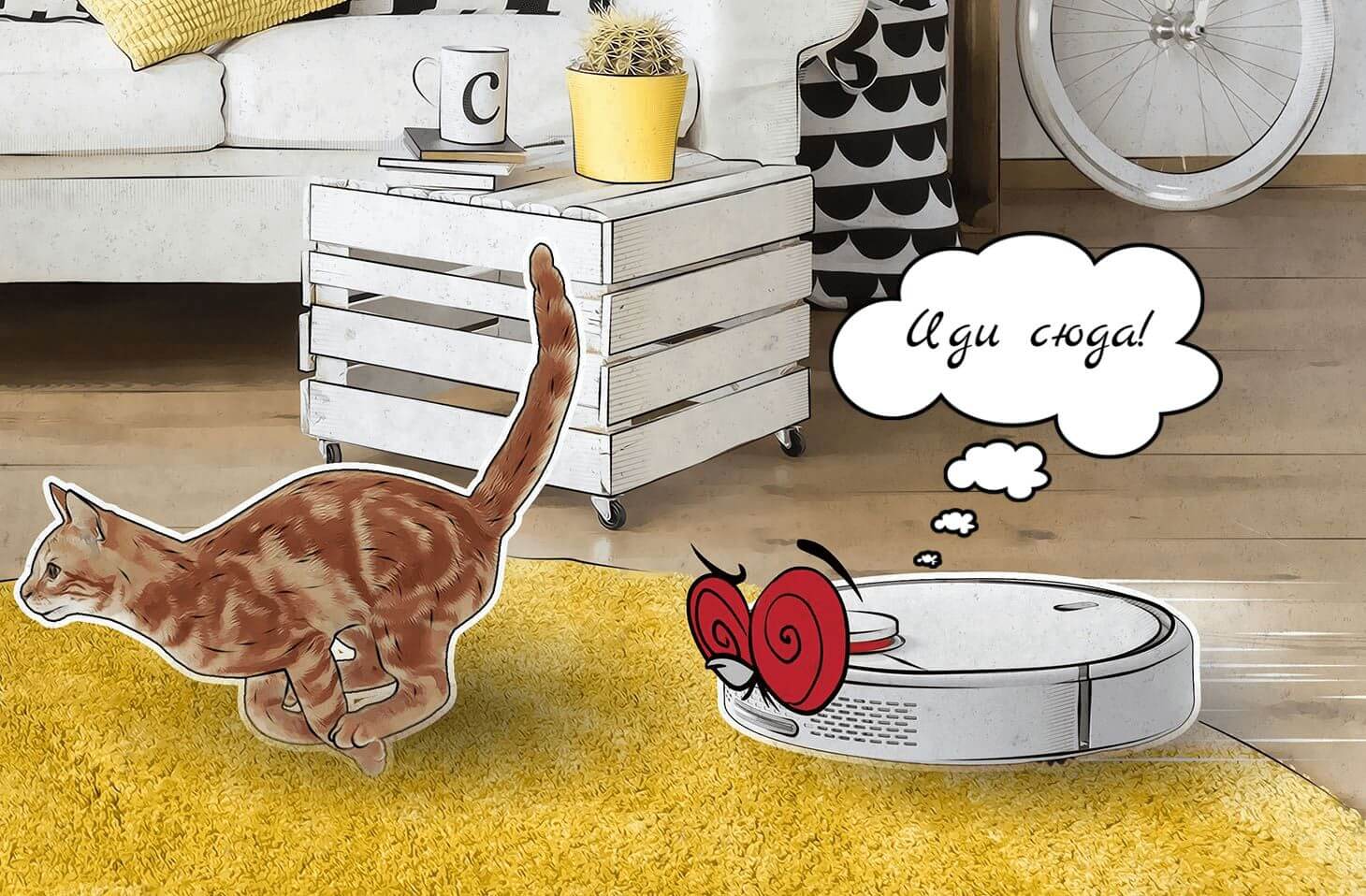
Talking robot vacuum cleaner
And the second feature, important to me as well, is remote monitoring of your home via the robot's camera (specifically, streaming the image to your smartphone screen). In this case, the robot becomes not only a cleaner but also a security guard.


Remote home monitoring
It's worth noting that some robot vacuums are controlled not only via a mobile app but also via a remote control, which offers options such as power adjustment, scheduled cleaning, manual control, and even operating mode selection. If there's no Wi-Fi in the home or the robot vacuum will be used by an elderly person, it might be worth choosing a robot vacuum with a remote control.
Design features
Finally, I'd recommend paying attention to unique features and general design characteristics. For example, not many robot vacuums can sweep debris into corners. This requires a D-shaped or square body, while most robots are round, which improves their maneuverability. If you really need your robot to sweep into corners, opt for D-shaped models.
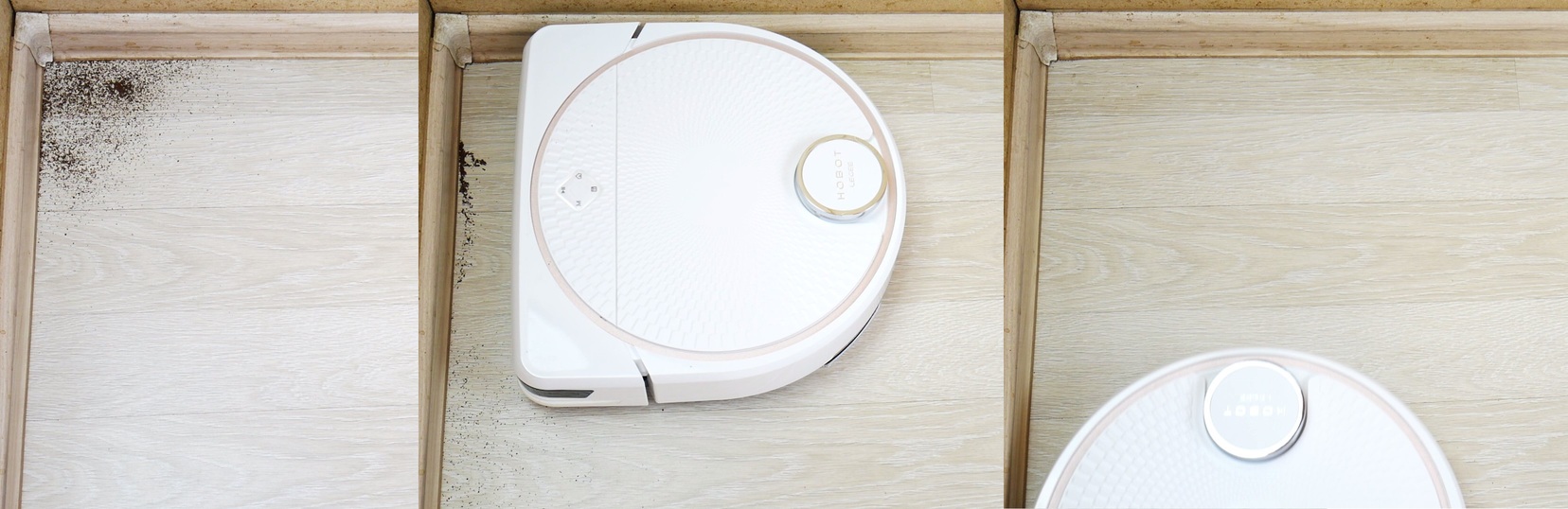
The robot vacuum cleaner effectively sweeps away debris from corners
The second, particularly important point is the ability of a robot vacuum cleaner to simultaneously vacuum and mop the floor. Many budget models still come with separate, interchangeable water and dust containers. So, with the dust container installed, the robot vacuums, while with the water tank installed, it mops the floor. This is a thing of the past, extremely inconvenient and impractical.
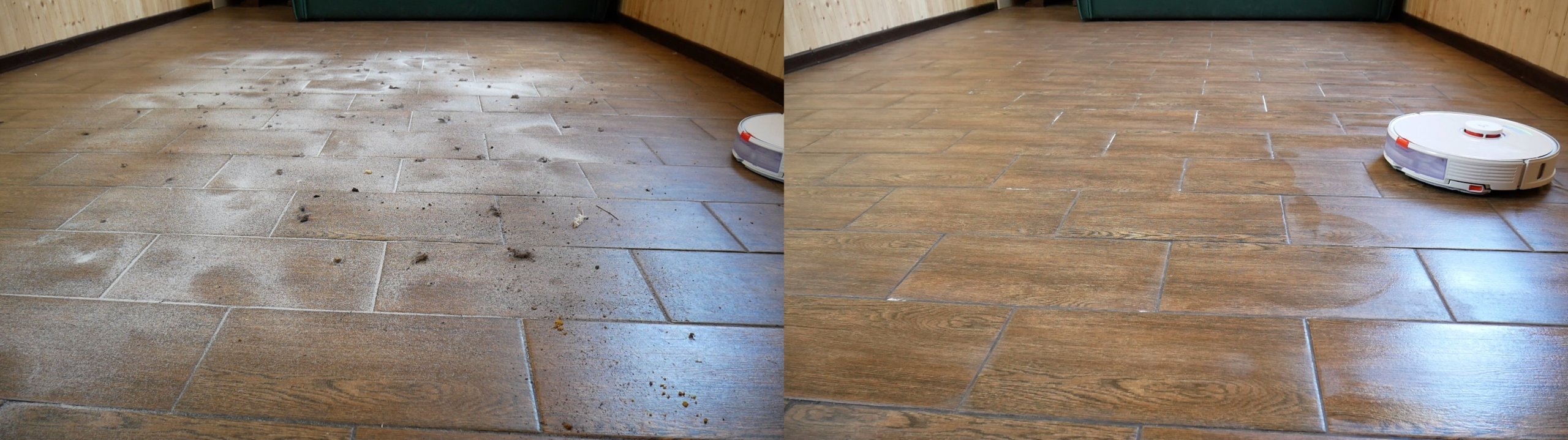
Simultaneous dry and wet cleaning
The next point is the dust collector design. It's a big plus if it can be washed with water. This simplifies maintenance and cleaning of the robot.
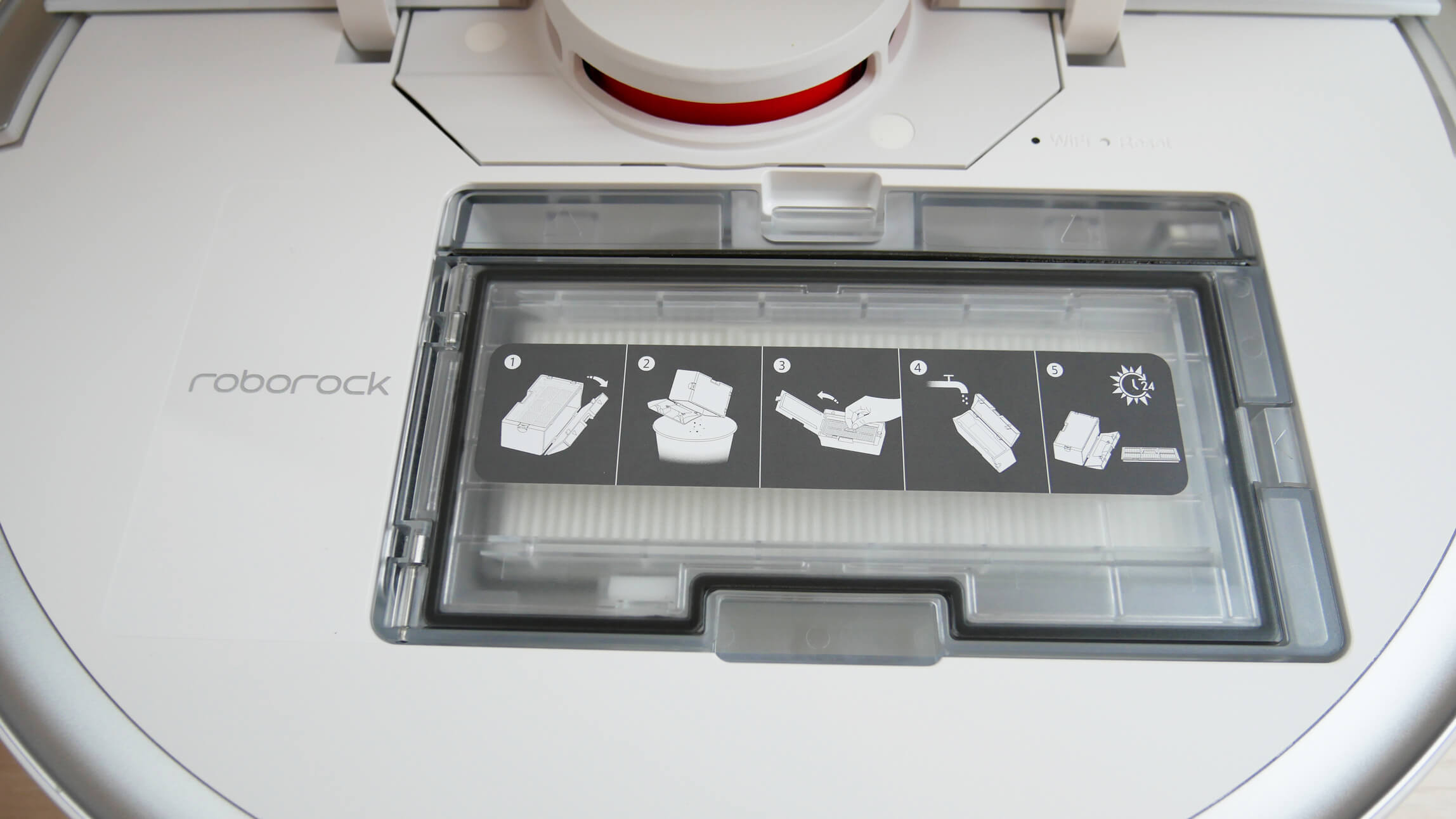
Washable dust collector
For allergy sufferers, an air filtration system is essential. A triple filtration system is ideal: a mesh filter, a foam filter, and a HEPA filter.
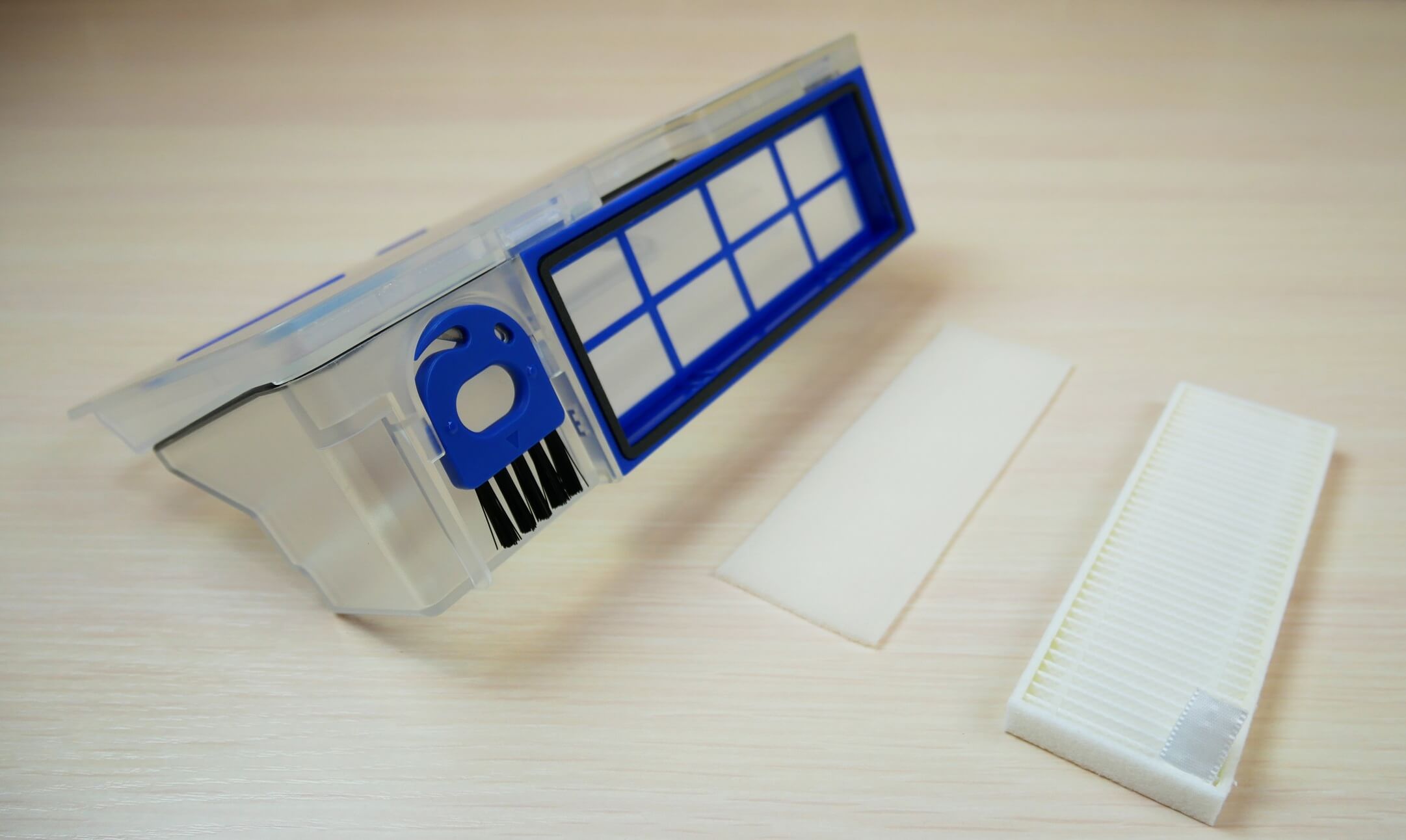
Triple filtration system
The body height of robots also varies. Lidar robots are typically between 9.5 and 10 cm tall.
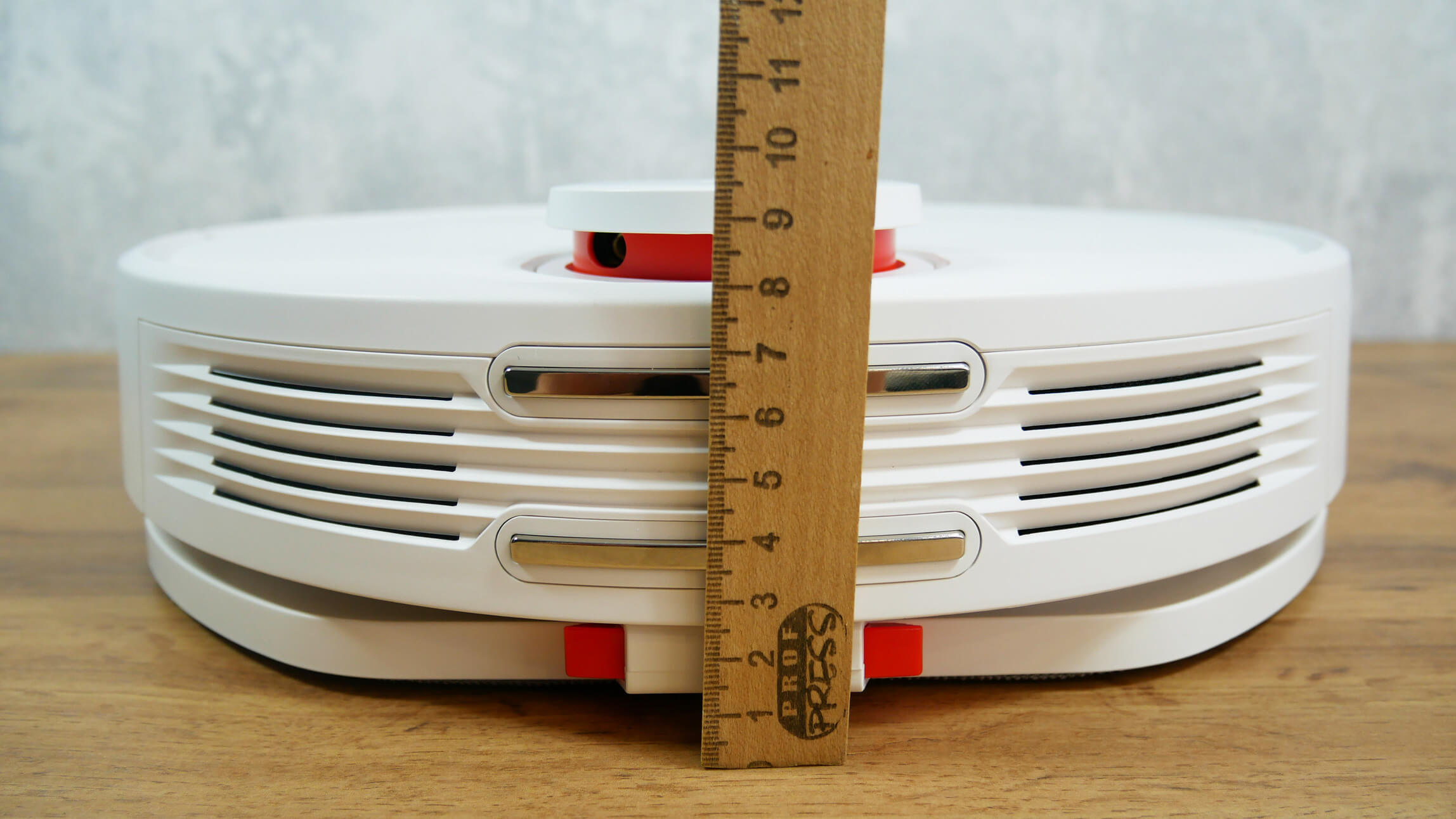
Height of a robot with lidar
But there is, for example, a unique model 360 S10 85 mm high. Its lidar is hidden inside the housing.
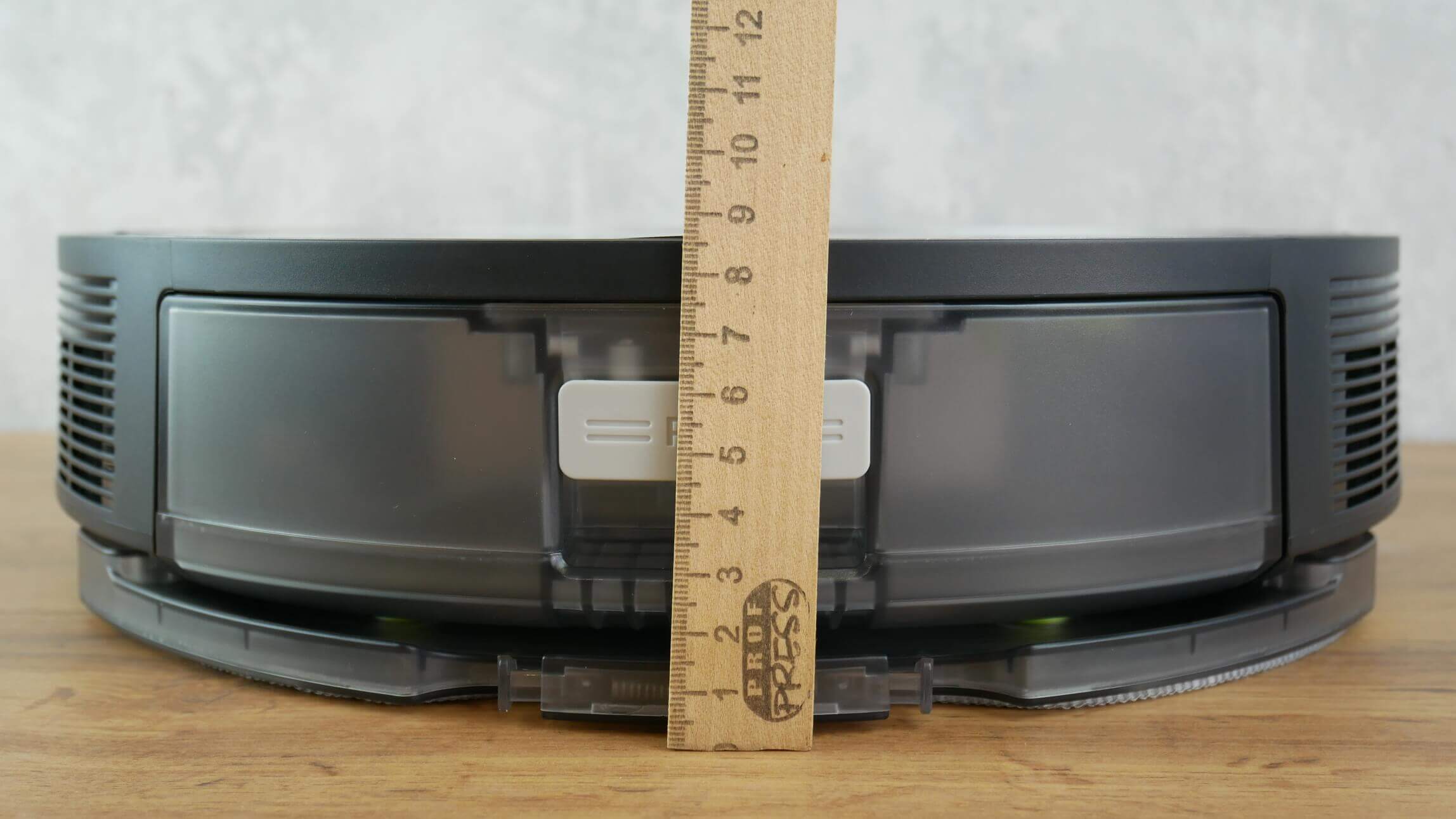
360 S10 body height
Robots with cameras are usually up to 9 cm tall. The thinnest robot I tested was only 5.5 cm tall and had a camera for navigation. Xiaomi Mijia Ultra-Thin Robot Vacuum CleanerIf you need your robot to clean under low furniture, consider lower-profile models.
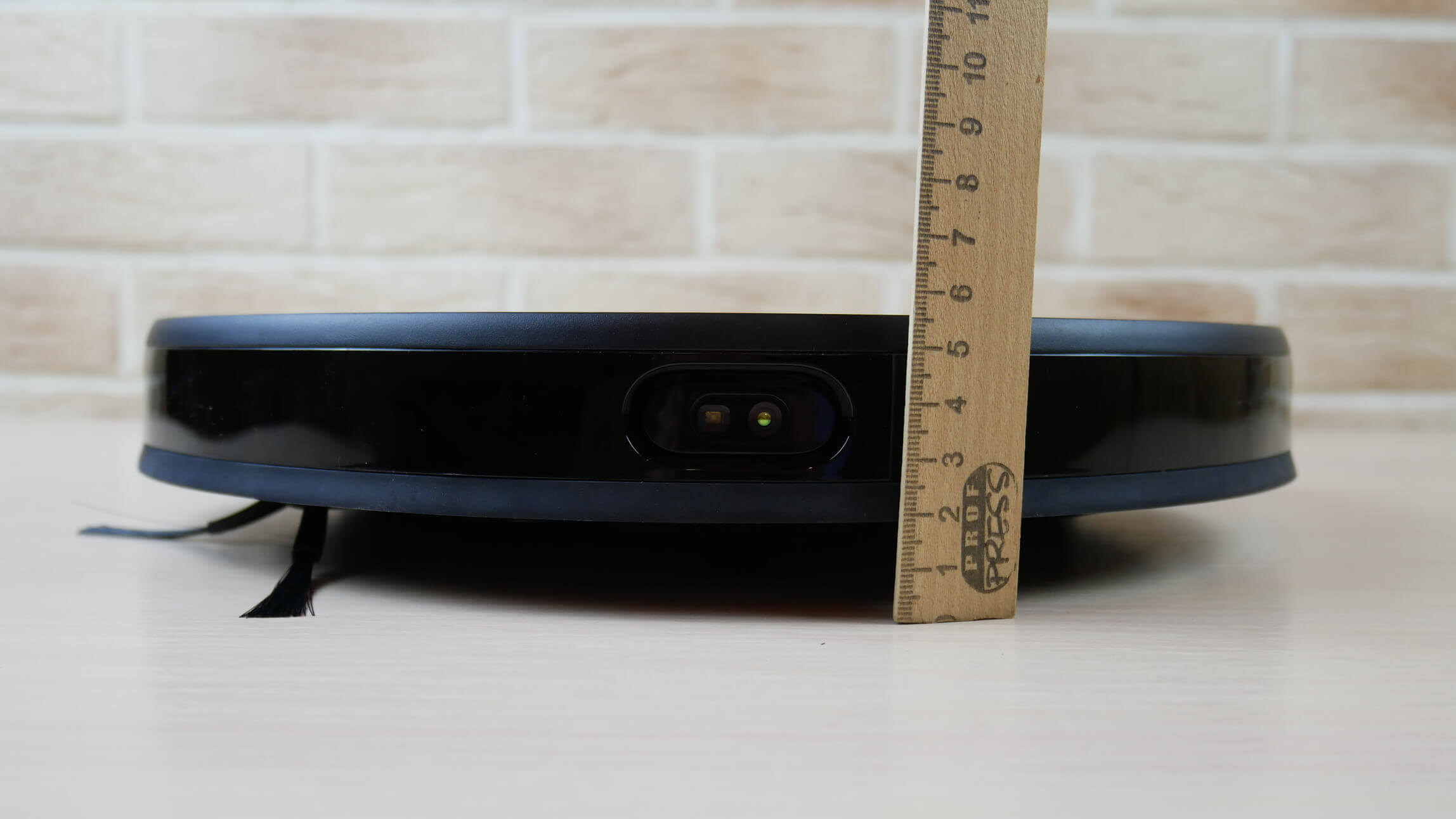
Height of the thinnest robot
Battery capacity Another important criterion worth highlighting when choosing a robot vacuum cleaner is that it typically takes at least a minute to clean one square meter. Therefore, larger areas require a higher-capacity battery. Ideally, a 5200 mAh battery should be used. If the area is up to 100 square meters and cleaning hard surfaces is a priority, you can consider a robot with a 3200 mAh battery, but it's best to run it at medium power. If the battery is 2600 mAh, expect the robot to clean no more than 80 square meters of usable area on a single charge. A recharge function can be a lifesaver, but it's not as convenient. High-power batteries are often used even in inexpensive robot vacuum cleaners. Just be sure to check this.
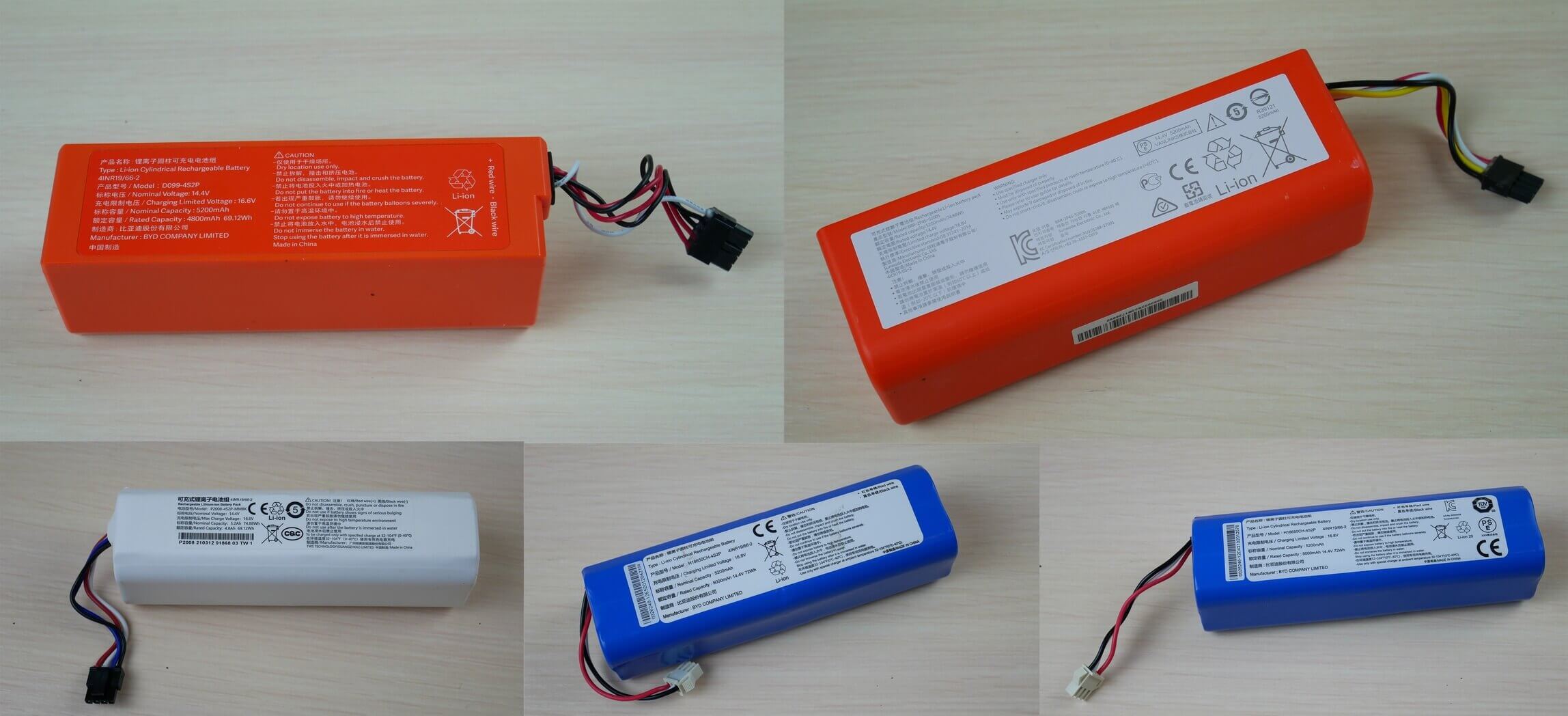
Robot vacuum cleaner batteries
If you have thresholds in your home, keep in mind that all robot vacuums can only cross thresholds up to 2 cm high. However, some have lower thresholds, up to 15 mm. And some even struggle to cross 5 mm. These are mostly floor polishers. Manufacturers typically specify this, but many overstate the threshold. So, it's best to test the robot's real-world capabilities. I'm conducting this test myself.
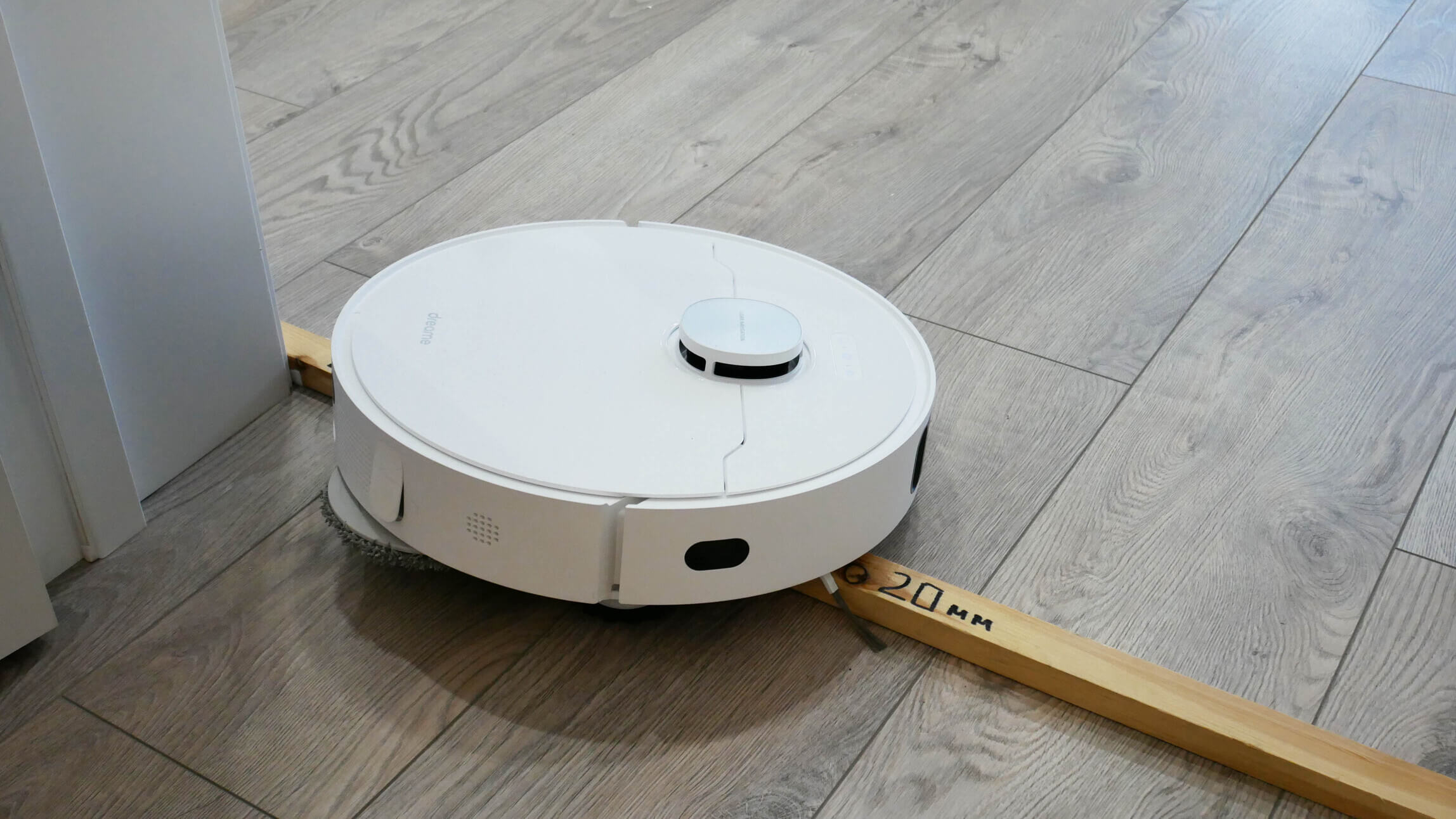
Obstacle clearance
Another design feature worth noting is the sensitivity of the fall protection sensors. Most robots' sensors react to black surfaces as if they were a precipice, and will retreat when they encounter black areas of the floor, whether black tiles or simply black patterns on the carpet. Manufacturers don't specify this in their specifications. One of the tests I conduct is specifically testing performance on black surfaces, so check the reviews to see how each robot performs on black carpet if this is important to you.
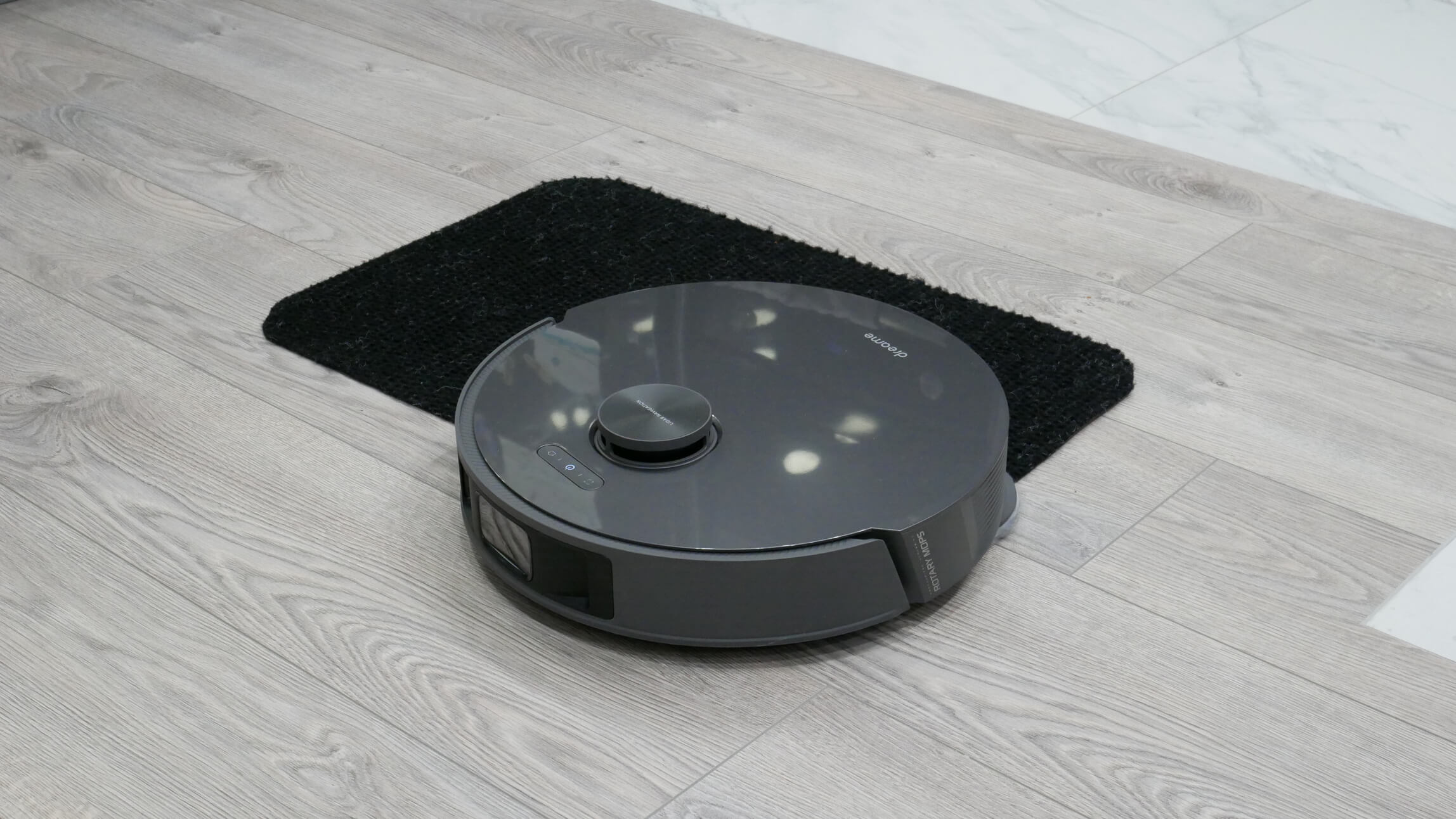
Driving on black surfaces
Help in choosing
Now that we've covered the basics, I think I've laid everything out in its proper place. Here are some helpful tips and resources to help you choose the right robot vacuum for your needs.
The first thing I would like to recommend is my own online form for choosing a robot vacuum cleanerSimply check the desired parameters and receive a selection of suitable, tested models. The form includes unique parameters you won't find on other websites, such as sensitivity to black surfaces, corner cleaning, real-world power, or whether it includes a remote control. Basically, everything I discussed in this video.
Second, don't stop at reviews alone. Once you've selected a few suitable models, read reviews online, if possible on multiple platforms. Forums, marketplaces, and review sites are all great options. And I hope I don't need to explain why you shouldn't trust reviews of your chosen model on the brand's official website. 😊 Reviews, including mine, are cursory, a quick check of the robot's capabilities over a few weeks of use. Many flaws become apparent much later, after two or three months of active use, so it's best to further research real owner opinions.
And finally, all the robot vacuum cleaners that I reviewed, are evaluated, after which the results are entered into a common table. Currently, this table contains over 110 models. You might be interested to know what it looks like Overall rating of tested robotic vacuum cleanersThe table allows you to compare the ratings of several selected robots, which may help you choose one or even determine which is better. However, this is my subjective opinion.
Consolidating the results
To consolidate the material covered, I'll briefly highlight the main points to consider when choosing a robot vacuum cleaner:
- Robots with gyroscopes are a thing of the past. They're suitable as gifts, if your budget is under $100, or if you have a good understanding of their capabilities and are confident they're sufficient for your needs. Choose a camera, lidar, or lidar in tandem with an object detection system.
- Camera-equipped robots clean behind curtains and drapes (something almost all lidar robots don't do). Lidar robots clean faster and are more numerous.
- The item identification system is important if you have small children and/or pets in the home.
- Robots without a turbo brush are mostly a marketing ploy. They can only be effective if they're a robotic mop and only when cleaning hard surfaces.
- If you need to collect fur and hair, the central brush must be detachable. Ideally, it should be made of silicone.
- The battery capacity determines how much area the robot can clean in maximum power mode. 2600 mAh is poor, 3200 mAh is acceptable, and 5200 mAh is good.
- A wipe rinsing station is a truly important option, improving the quality of wet cleaning. The self-cleaning station is simply a convenient solution and does not affect the cleaning performance in any way.
- Foot traffic, sensitivity to black flooring, effective suction power, and the robot's ability to vacuum and mop simultaneously are factors often overlooked when choosing a robot vacuum. Check out reviews and real-world tests.
- If you need wet cleaning and have carpets, consider robotic vacuum cleaners with a carpet lift feature. They're becoming more common, and they're more practical.
- Don't forget to read real reviews, especially if the robot vacuum is not new. Reviews are just a quick check of its capabilities.
The Best Robot Vacuums of 2025
Finally, I present to you the best robot vacuum cleaners I tested from late 2022 to early 2025. Here's the top 10:
- Dreame X40 Ultra Complete
- Roborock Saros 10R
- Roborock S9 MaxV Ultra
- Roborock Qrevo Curv
- ECOVACS DEEBOT T30S COMBO
- Dreame Bot L30 Ultra
- Dreame Bot L20 Ultra Complete
- Roborock S8 MaxV Ultra
- Roborock Qrevo Master
- Ecovacs Deebot X8 Pro Plus AI
So, we've covered the basic rules for choosing a robot vacuum cleaner. If I missed any points, please let me know in the comments, and I'll give you a detailed answer regarding them. Thank you all for your attention. I'd appreciate it if you subscribed to the channel and liked this video. Happy shopping. Bye!
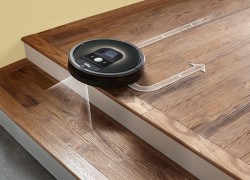
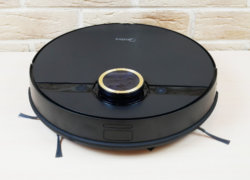
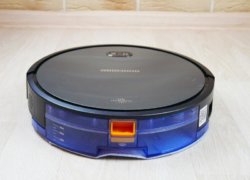
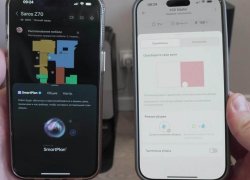
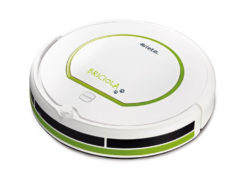
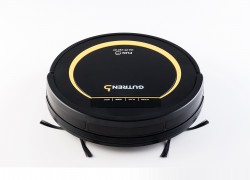
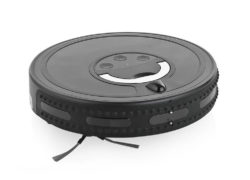
We bought a robot vacuum cleaner and haven't regretted it. My husband and I are constantly at work, and only our school-age daughters are home. The girls try to help, of course, but they're still kids, so what can you expect from them? The robot does the bulk of the work, and the hardest part. And it even does it quite well. We have a Genio Profi 260—wet cleaning, simple controls, and a charge time of about an hour and a half. Overall, we like everything about it. The only downside is that the dust bin is clogged. You have to remember to empty it (about every two cleanings).
Clearly and impartially written, useful when choosing your first robot vacuum cleaner.
I'd just like to clarify that the battery type doesn't affect cleaning performance. Lithium-ion batteries simply don't have the "memory effect" typical of Ni-MH batteries. Ni-MH batteries need to be completely discharged before recharging; if you constantly charge a half-discharged Ni-MH battery, its capacity drops significantly. Lithium-polymer batteries were also available long before robot vacuum cleaners; they were and are still used in expensive mobile phones.
I also learned that even the Chinese can build decent robots. I bought a Miele robot, but it started glitching at first; it was too finicky. It kept throwing errors, and at one point it started showing an F6 error and the motor was overheating, even though we weren't overloading it. The Miele hotline told me I needed to take it to a service center for an inspection. It's good that they took it back to the store. Before our expensive Miele, we bought an iBoto for our kids, and it works without any problems. We bought ourselves a powerful Samsung.
This is a good article to start with, and will help you navigate the world of robot vacuums. But I think you should first understand the topic yourself before buying a robot. I wanted to mention the turbo brush. It doesn't always pick up hair and fur. We have an iCLEBO Omega, and it has a rubber turbo brush that doesn't pick up hair and fur, so it just flies straight into the dust bin. You don't need to clean it. Robots with bristle turbo brushes, however, do get tangled up, and these brushes need to be cleaned regularly. Overall, I'm happy with my robot. It cleans carpet well, corners, and walls, and it carefully avoids all obstacles. It has a powerful motor and a built-in camera. That's why it cleans so well.
I'd also like to add a few words about the wet cleaning device. We recently bought one—the Everybot RS700 robotic floor cleaner. It cleans the floor with two thick, round cloths, which are then sprayed with a little water. It doesn't leave streaks and removes stains. Overall, it cleans just as well as I do.
Thanks for the comment, we're leaning towards the same models, you've confirmed our choice...
And somewhere else, you mentioned the Gutrend Smart 300 among the best vacuum cleaners. Doesn't it deserve a place in this ranking? I just want to buy one.
We mentioned this robot vacuum cleaner in the list of the best models released in 2018, here you can check it out: https://robovac.washerhouse.com/en/rejtingi/robovac-luchshie-roboty-pylesosy-2018-goda.html
Thank you) You made a great site!
Thank you)
Hello! I'm still studying and choosing.
How do you know if a robot vacuum cleaner can handle an apartment of at least 100 square meters? Is it all specified in the instructions? Or is it a matter of price?
Hello! Yes, manufacturers list this parameter in the specifications section. However, please note that not all manufacturers list it, and some provide false information, misleading potential buyers. To avoid being misled, pay attention to the battery capacity and runtime. If a robot vacuum cleaner runs for 60 minutes, it won't be able to clean 100 square meters in one go. And not all robots continue cleaning from where they left off before the battery runs out. Also, read reviews of the model you like; they often report how long a particular robot actually cleans.
Thank you for the article. Everything is so clear and concise that you don't even need to read the instructions—just buy and use it. He also explained everything clearly and thoroughly in our personal messages, leaving me with no questions. I spent a whole week looking for a robot vacuum cleaner for my son's 30th birthday. I read reviews of various robots, then read this article, asked questions, and all my doubts were gone. I ordered the Clever Clean for dry and wet cleaning. Thank you!
I was glad to help!)
I try to be thorough when choosing household appliances. In this boundless sea of information, I was lucky enough to find this website. I've never encountered such a convenient, informative, and knowledgeable resource for helping me choose. I wish there were similar websites for many types of household appliances. The search engine is very convenient, all the technical specifications of vacuum cleaners are listed, along with reviews, comparisons, and online reviews. And to top it all off, the helpful advice is genuine. Thank you so much. They say a robot vacuum cleaner doesn't replace regular cleaning, but I didn't expect it to clean so well. I'm very happy with my purchase.
Thank you very much for your feedback!
Could you please tell me what type of cleaning robot vacuum cleaner is needed for laminate flooring? Thanks in advance!
Hello! I would recommend choosing one for both dry and wet cleaning, with a turbo brush. You could also consider a universal version, where the turbo brush can be replaced with a suction port.
Thank you very much!
Good afternoon. Could you please tell me where I can officially get a Xiaomi Roborock S6/T6 with a warranty?
I'll share my impressions of the Roomba 960 after three months of use. It creates a room map. It cleans for about an hour to 10 hours. If it didn't have enough time to clean the entire house, it would return to the charger, recharge, and then continue cleaning where it left off. This is a huge plus. It easily navigates carpets. In areas with a lot of dust and debris, it starts moving, spinning, and cleaning more thoroughly. If you rearrange the furniture in the apartment, it becomes a bit slow and sluggish; it takes time to learn the new map. Once it gets the hang of it, it's much faster. Overall, a very good model.
I'm incredibly pleased with what I read! After reading it, you realize the author has done a great job, resulting in an excellent analysis! This analysis really helped me organize the articles and reviews I'd previously sifted through online, which had left me confused, and it also provided a wealth of new information! My vacuum cleaner selection narrowed significantly, making my decision easier! Thank you!!!
We're glad we could help! Thanks for your feedback!
Please tell me, we chose a vacuum cleaner, but will it only clean in a zigzag pattern, will it be effective?
Hello! Yes, of course.
Good afternoon. I can't decide between the Viomi V3 and Roborock S5 Max. I'm confused by the fact that the Roborock S5 Max is inferior to the Viomi V3 in terms of functionality and power, but it's more expensive. Please comment.
Thank you
Hello! Roborock has better brushes and better quality materials. The navigation could be a little more accurate. Generally, the Roborock manufacturer is more reliable. But Viomi is also a good option. Viomi is better for wet cleaning, Roborock for dry cleaning, in my opinion.
Hello, please tell me which robot to choose or what functions, brushes, etc. for laminate and tile 90 km
Hello! What can you tell me about the mamibot robot vacuum cleaners? They're labeled 660 and 680s. The reviews are completely mixed and there's little information available, though the store is raving about them. I can't figure out the difference between them other than the camera on the 680s.
I found several options here and I can't decide between the Proscenic M7 Pro or the Genio Laser L800.