XIAOMI robot vacuums aren't what they used to be! What's wrong?! 7 complaints about Xiaomi robot vacuums!

In this review, I'll share my opinion on what I don't like about Xiaomi robot vacuum cleaners. I'll be specifically focusing on those models produced under the Xiaomi brand and bearing the company logo. Having tested over 20 Xiaomi robots and nearly 200 robot vacuum cleaners overall, I've come up with a number of concerns that are important to know when choosing one. Xiaomi robot vacuum cleanerI hope the brand's representatives will take note of this feedback and pass it on to the company's engineers so they can make any necessary improvements and incorporate your suggestions into the development of new products. So, let's get started!
Irrational reduction in assembly costs
The first, and most absurd, thing is how engineers are cutting costs on robot assembly, especially when it comes to flagship models. For example, the 2024 flagship. Xiaomi Mijia M40 They let me out without a carpet sensor. How is that even possible?
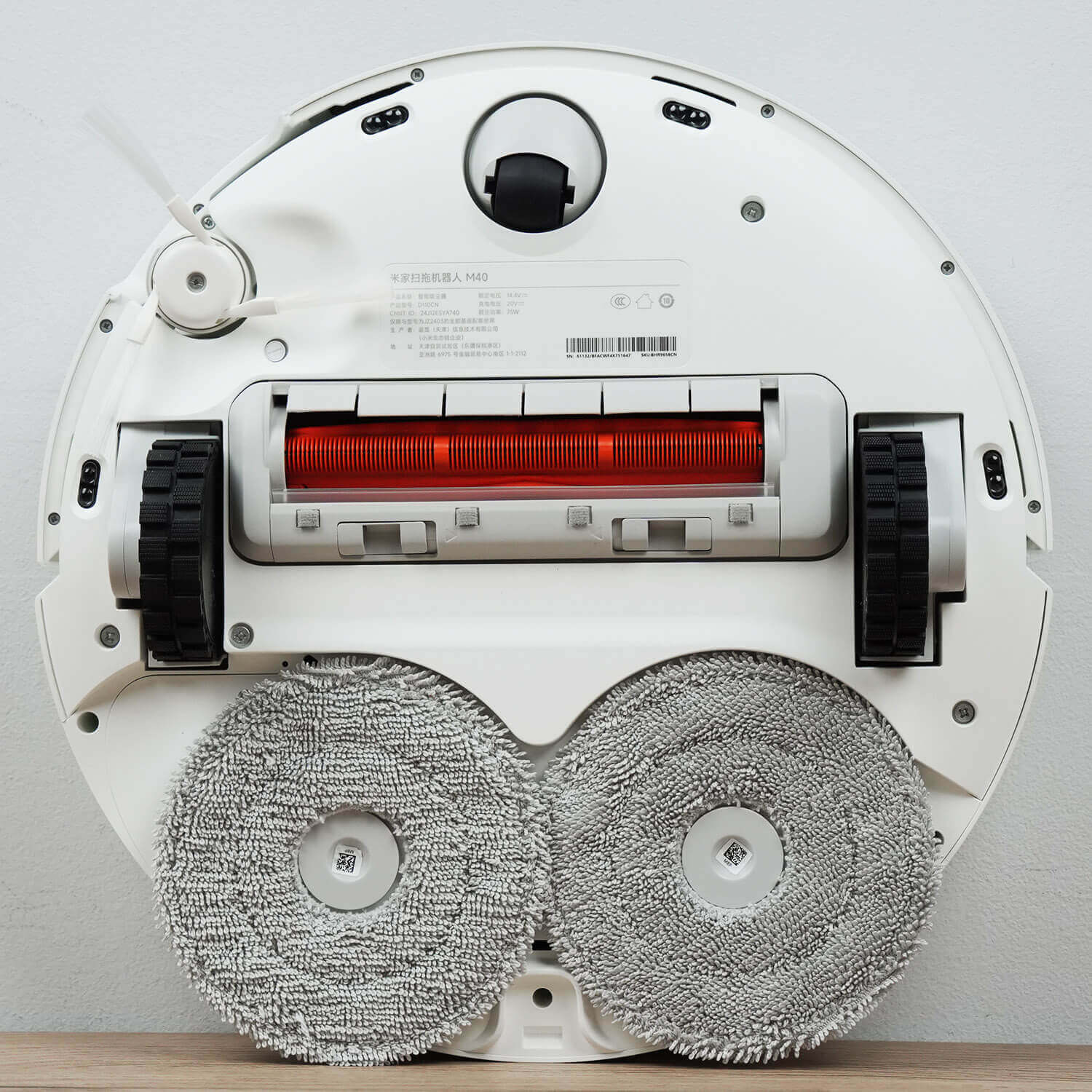
Bottom view (no carpet sensor)
The predecessor M30s there is also no carpet sensor, and M30 Pro There is a carpet sensor, but no wall sensor.
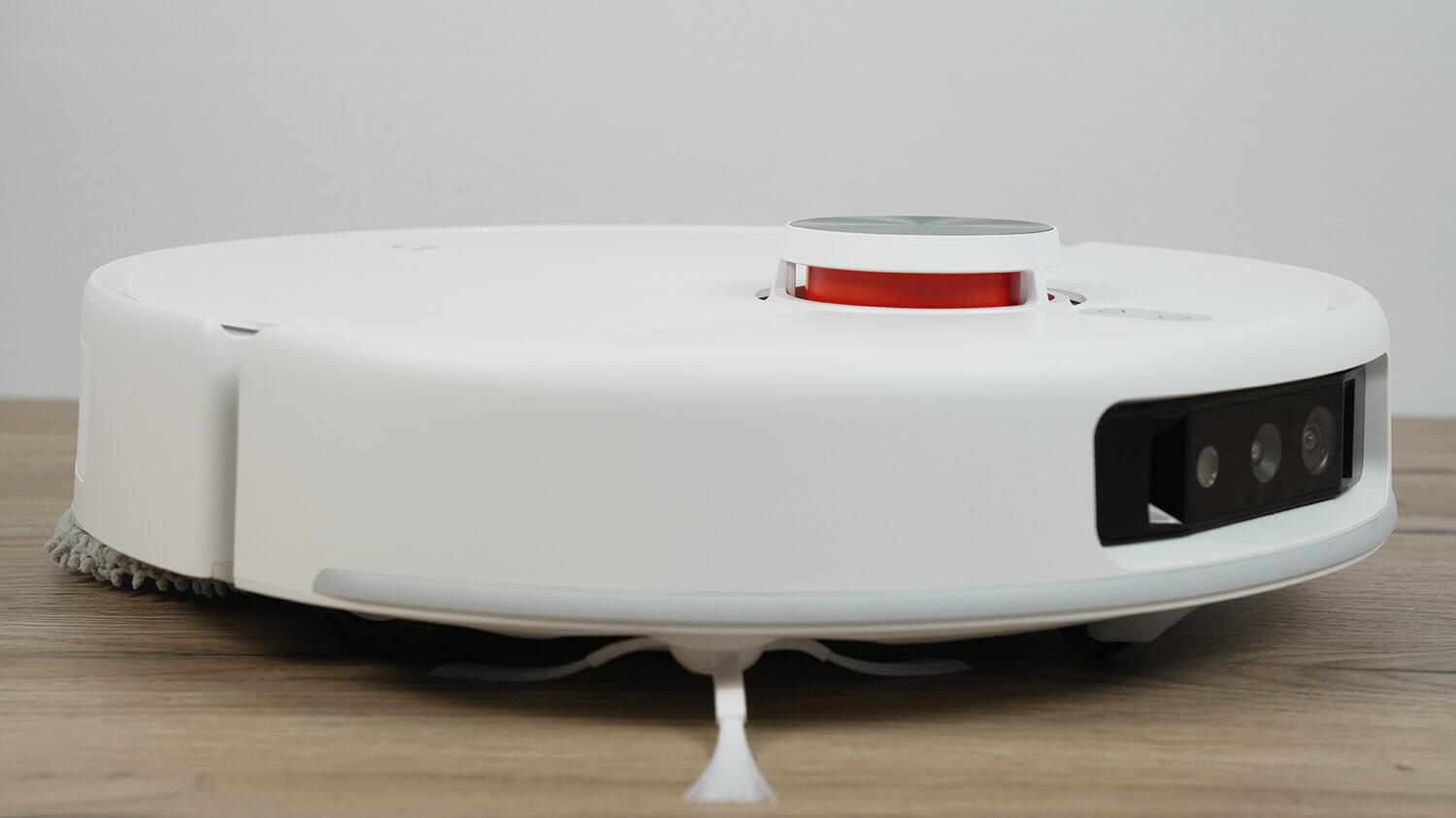
Side view (no wall sensor)
These robots, by the way, cost around $500-600, while robots costing $200-300 have such sensors. Also, the lack of a detergent reservoir, which the older model had, is striking. OMNI 1S and after that it disappeared without a trace from all the new releases.
Users also complain that the station has lost its duplicate control buttons, which are useful for quickly starting cleaning without using a smartphone.
In the budget-mid-price segment, things are also not rosy, even in the 2024 model lineup. They'll remove the wall sensor, then the carpet sensor, or install an ancient, non-removable central wiper blade.
Friends, I'm sure installing wall and carpet sensors won't significantly increase the robot's production costs. There's no need to skimp on this. Xiaomi fans will happily pay an extra $10 for a full set of sensors so the robot can properly detect carpets, avoid scratching walls, and avoid running into furniture!
Loss of individuality
The second thing I don't like about Xiaomi robot vacuums is that they've stopped making products that stand out from other popular brands. In fact, most of their flagships are stripped-down Dreame clones. Their unique innovations have fallen by the wayside.
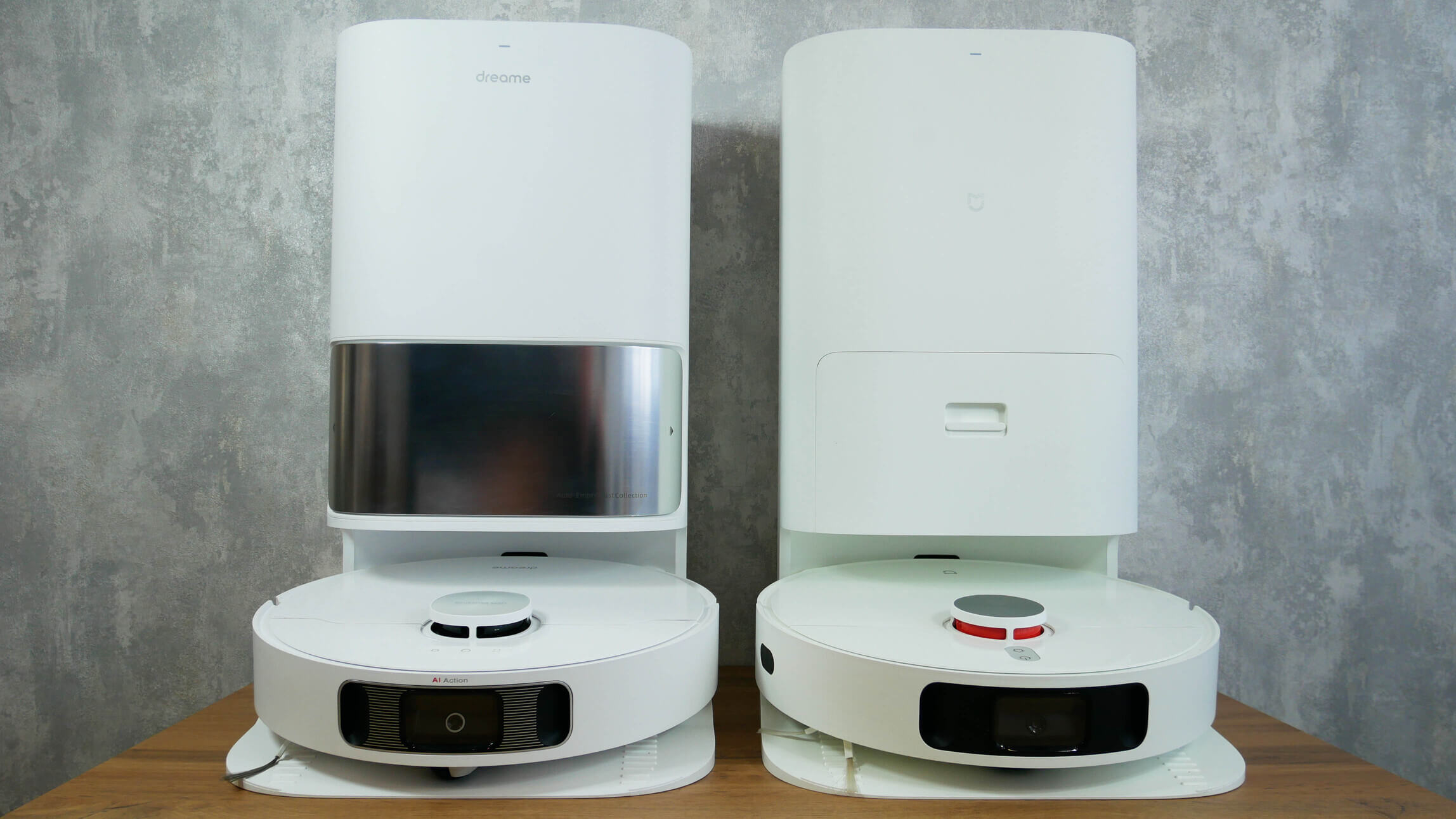
Dreame Bot L10s Ultra vs. Xiaomi Mijia Omni B101CN
For example, I really liked the unique Xiaomi robot vacuum cleaners, such as Xiaomi Mijia Self-Cleaning Robot Vacuum-Mop Pro, which I have long recommended as the objectively best inexpensive robot vacuum cleaner, and Xiaomi Mijia Vacuum Cleaner Pro, as the best budget robot vacuum cleaner with a very accurate object recognition system, and Xiaomi Mijia Ultra-Thin Robot Vacuum Cleaner, which is also the best thin robot vacuum on the market. Incidentally, it's only 5.5 cm tall.
These are the three robots I confidently recommended when it was relevant, and which truly provided strong competition to A-brands in their segment. Now, however, everything being produced, at least the majority, are generic, and again, unreasonably cheapened mid-range products, with the exception of a few models.
Weak object avoidance system
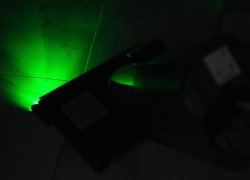
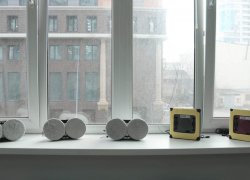
The next thing that Xiaomi engineers really need to work on is the object detection system. It only works properly in three robots I've tested: the Xiaomi Mijia Vacuum Cleaner Pro (MJSTS1), the Xiaomi Mijia M30 Pro, and the recently reviewed Xiaomi Robot Vacuum S20+Moreover, only the first two Xiaomi robot vacuum cleaners have an object recognition function.
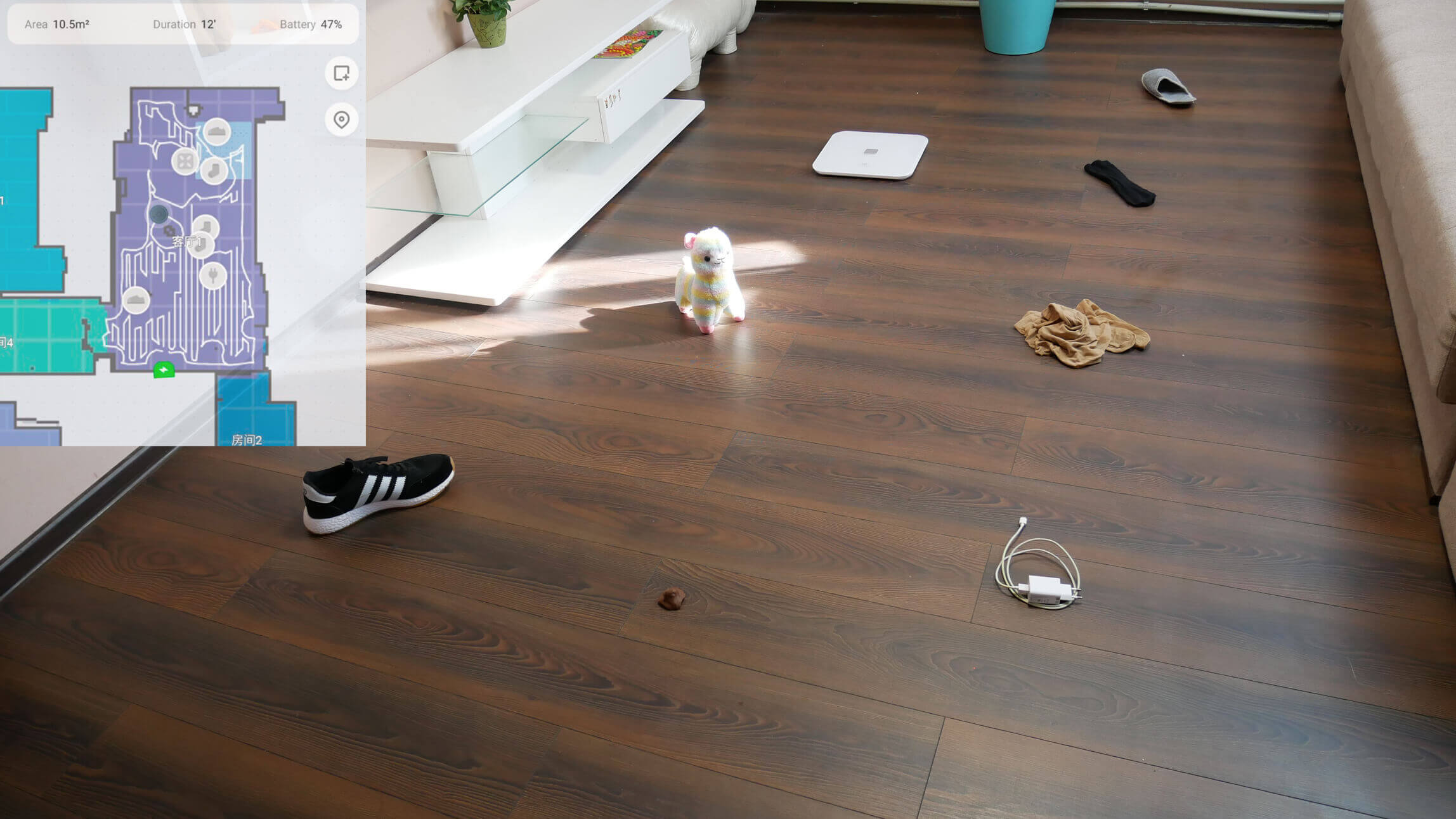
Object recognition
All the others detect, but don't recognize, what's on the floor. And this is despite the fact that the Xiaomi ecosystem consists of a large number of smart devices, including video surveillance systems, baby monitors, and more. I think it would be possible to gather all this accumulated experience into a single database and create some of the smartest robot vacuum cleaners in the field of artificial intelligence and object recognition. But alas, even flagships are released with such a system that it's best not to advertise it in promotional materials.
On top of all this, many Xiaomi robots with object detection systems simply interfere with proper cleaning, and there's no way to disable it. Ultimately, it causes more harm than good. It would be nice to fix it!
No remote home monitoring
Another drawback of Xiaomi robot vacuums is that, as far as I know, none of them have remote home monitoring. This, by the way, is a very useful feature for many owners of this type of device. Yes, there are concerns about surveillance and other such things. Well, make several models in different price ranges specifically for those who aren't afraid and need such features. Or just a camera with a privacy shutter.
Rotating napkins when entering a station
Another issue that could be fixed programmatically is the rotation of napkins when entering a station. Actually, this same drawback was highlighted in comments on Dreame robotic vacuum cleaners, which some Xiaomi clones are based on. The problem is that Xiaomi robot vacuum cleaners with round rotating pads somehow lower the pads and spin them along the ramp when entering a station. As a result, the dirty pads stain the ramp, requiring more frequent removal and cleaning.
The video version of this publication shows what it looks like:
Perhaps the engineers implemented this method to pre-clean the wipes of large debris before washing them at the station, in order to improve the cleaning quality of the wipes, but it's an odd solution, and I haven't seen this problem with other brands. It would be better if the robots entered the station with the wipes raised. What do you think? Let us know in the comments!
Limited functionality
It's also worth working on the software, at least the app's functionality. If you're already making clones, at least partially replicate their functionality.
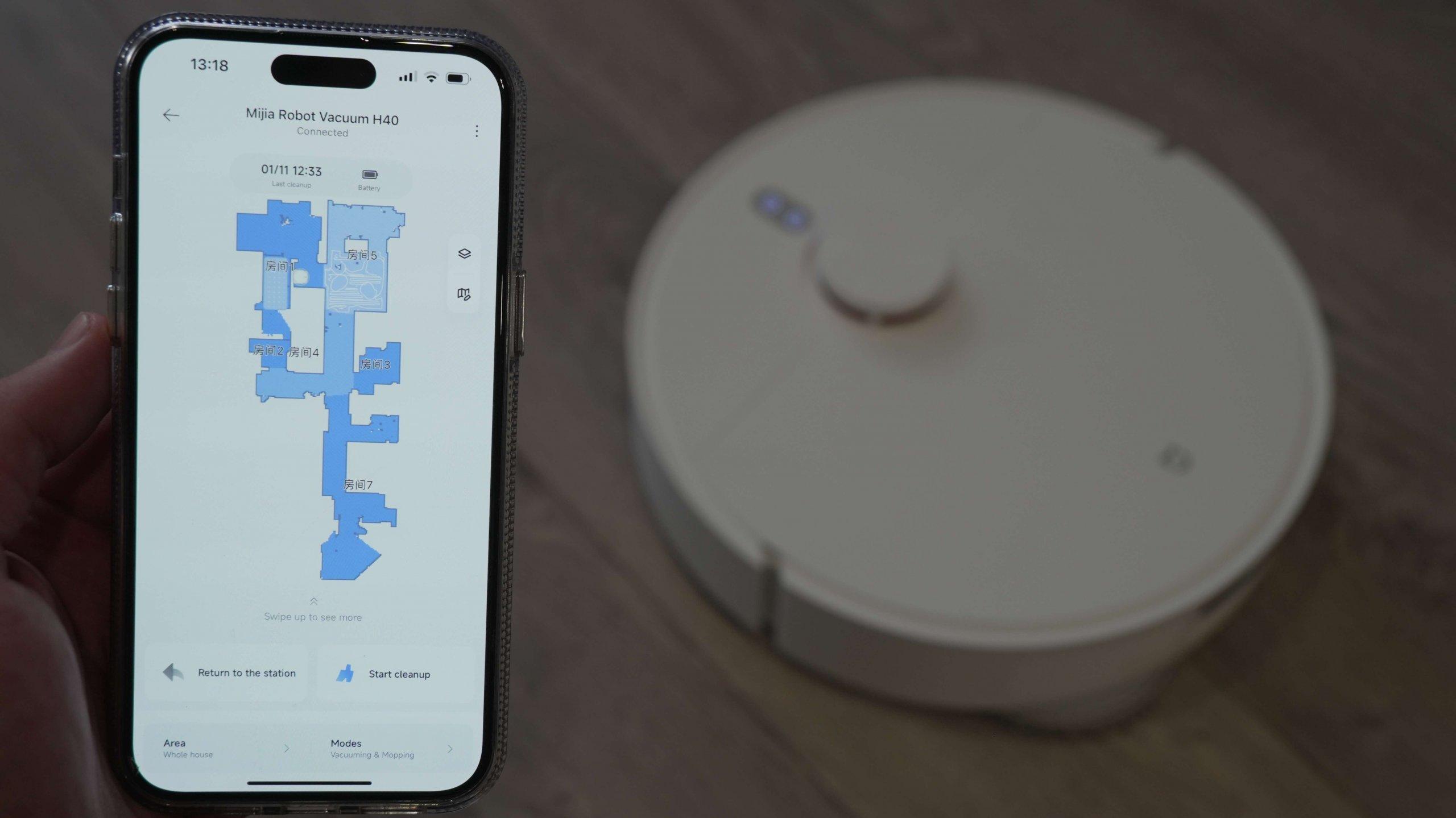
Control via app
For example, many Xiaomi robots don't offer a triple-pass cleaning option, only single or double passes, while similar models offer this feature. You can't set a tighter serpentine cleaning pattern, which would improve the cleaning quality of your floors. Surprisingly, some identical Xiaomi models, although available in different regions, have different functionality.
For example, the Chinese version Xiaomi Mijia OMNI 2 There's a baseboard wash mode that you can use by scrolling the back of the unit. The Xiaomi X20+, its global counterpart, doesn't have this feature and is significantly more expensive. It's unclear why.
It would be great to improve the app's interface and correct the translation of some phrases in the Chinese versions. If you notice any other software flaws or missing features, please share your observations in the comments.
High cost of global versions
And the last thing I don't like about Xiaomi robots is the price of the global versions. In some cases, they're unreasonably expensive, as many people are used to Xiaomi being a mainstream brand, not a premium one.
So, the flagship global Xiaomi Robot Vacuum X20 Max, which is essentially a clone of the Xiaomi Mijia M30s, costs between $750 and $800 versus $500 for the Chinese version. This is a significant difference, given that the Chinese version is just as easy to use and has no regional locks.
In principle, the price segment of $700 and above is already the money for which you can take Dreame or Roborock, which are better assembled, more functional and more efficient.
Moving on, the Xiaomi X20+. It retails for $550 in popular online stores, but you can find it for $450 if you're looking. The Chinese version of the OMNI 2, which also features a wall-washing mode, costs around $350 during sales and up to $400 during off-peak hours. Again, for $550, you can get an equally functional Roborock.
Another good example is the Xiaomi Robot Vacuum Cleaner S20+. It's priced between $250 and $330. At the time of writing, it's currently listed at $330 in popular, trusted stores. For $350, you could probably find the same OMNI 2 with an all-in-one station. So, it would certainly be a good idea to change the pricing policy and bring back the popular price of Xiaomi's global models.
These are my criticisms of Xiaomi robot vacuum cleaners. Despite their shortcomings, these robots offer serious competition in the market, have won the hearts of many users, and, if chosen wisely during the sales season, will be significantly better than their competitors. They're in many ways on par with competitors costing twice as much.
I hope the brand's representatives will take these comments into account. If you have any personal observations that weren't mentioned in the video review, please leave a comment detailing what you personally don't like and what you'd like to improve, including the model name. On that note, I'd like to conclude the review. Happy shopping, everyone. Bye!