How Dreame robot vacuum cleaners are tested at the factory: A REVIEW of the Dreame test lab
Hello to all readers of the project! We continue to get to know Dreame better, and in this review, you'll learn how the brand tests its robot vacuum cleaners. Many of you are already accustomed to my signature express tests, which assess key parameters such as noise level, maneuverability, cleaning performance on different surfaces, and so on. But you'll probably be interested to know what tests Dreame conducts before launching a particular model into mass production or, for example, to spot-check a production batch for defects. So, below, I'll explain what they test, how they test it, the extent to which it's performed, and I'll show you what I consider to be the most interesting and informative tests. So, let's get started!
Let me start by saying that the tests are conducted in a separate laboratory. It's a four-story building that employs over 400 people.
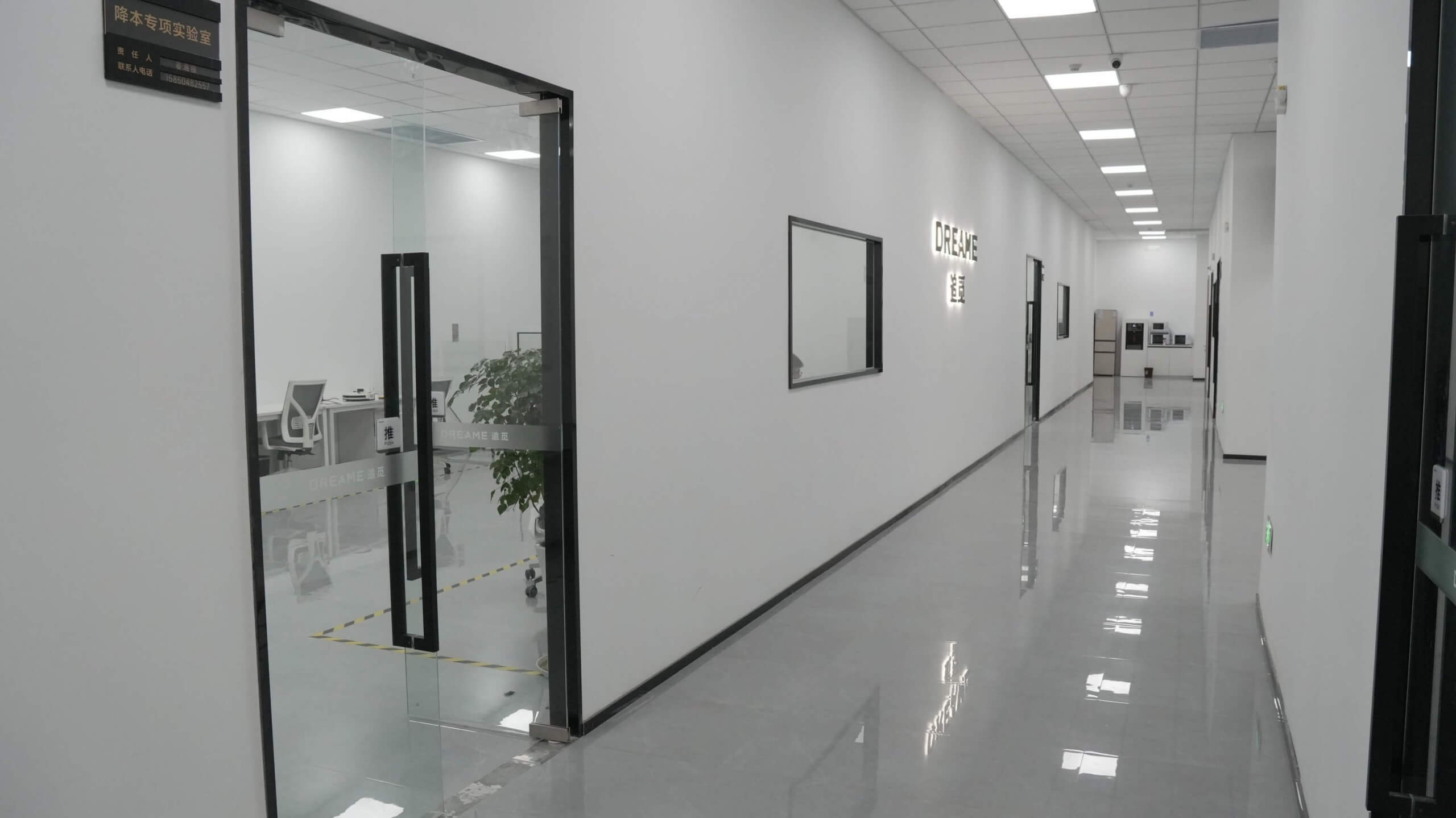
Dreame Test Lab
Each employee is responsible for their own individual test, conducting it throughout their entire workday. At first, it seemed like fun. You walk into a testing room covered in low-pile carpet. An employee sits at a computer and spends their entire workday testing a specific vacuum cleaner on a specific carpet. They enter the test results into a report and compile specific analytics, for which they are responsible.
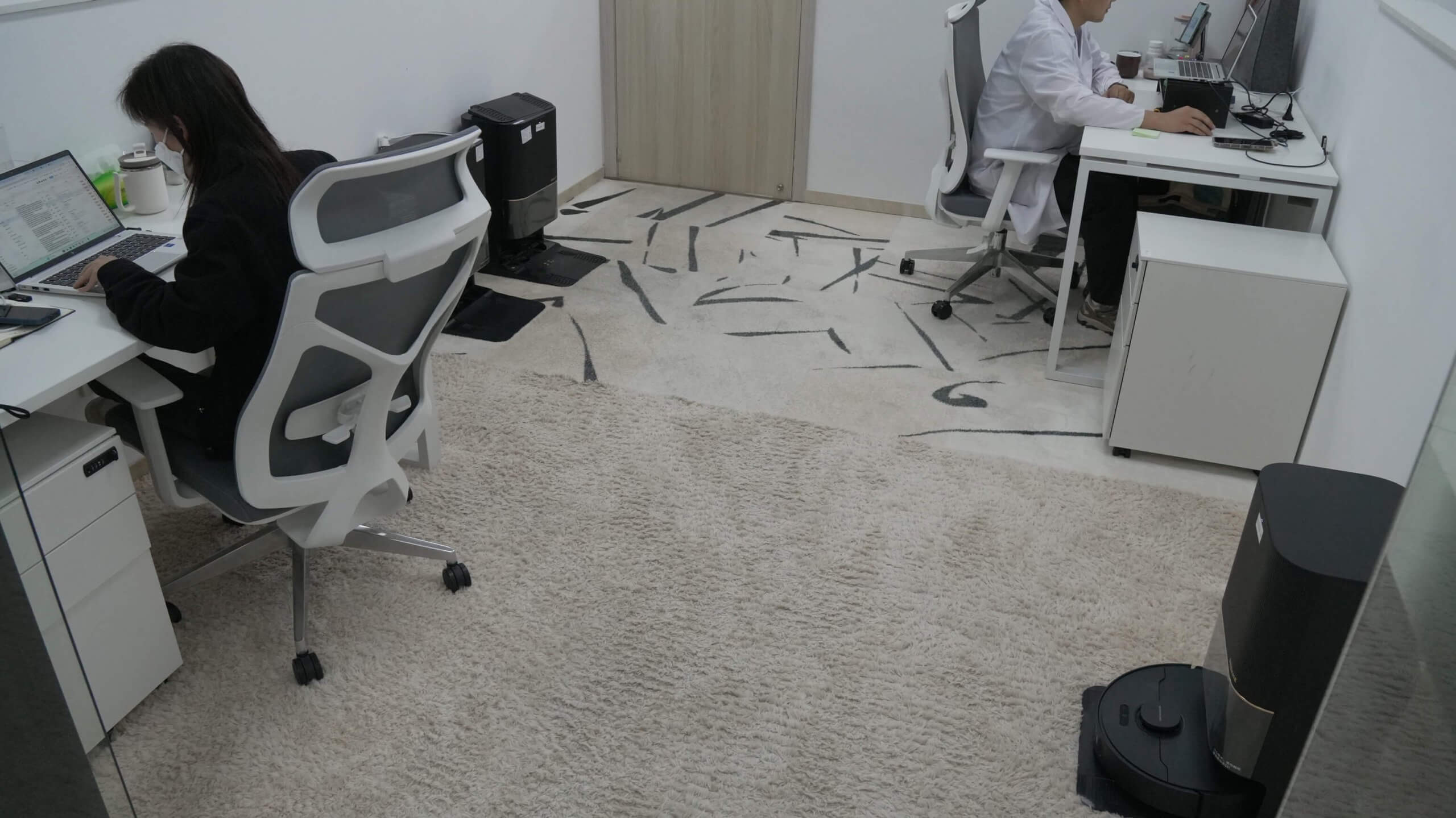
Test account
There are such workers on all four floors. Each one is responsible for their own carpet, threshold, chair, or even mirror. Various Dreame robot vacuum models, and others, are tested under identical conditions. You can even find flagship models from competing brands here. And that's truly remarkable. Test results are taken into account not only within the company's own line but also in comparison with similar models.
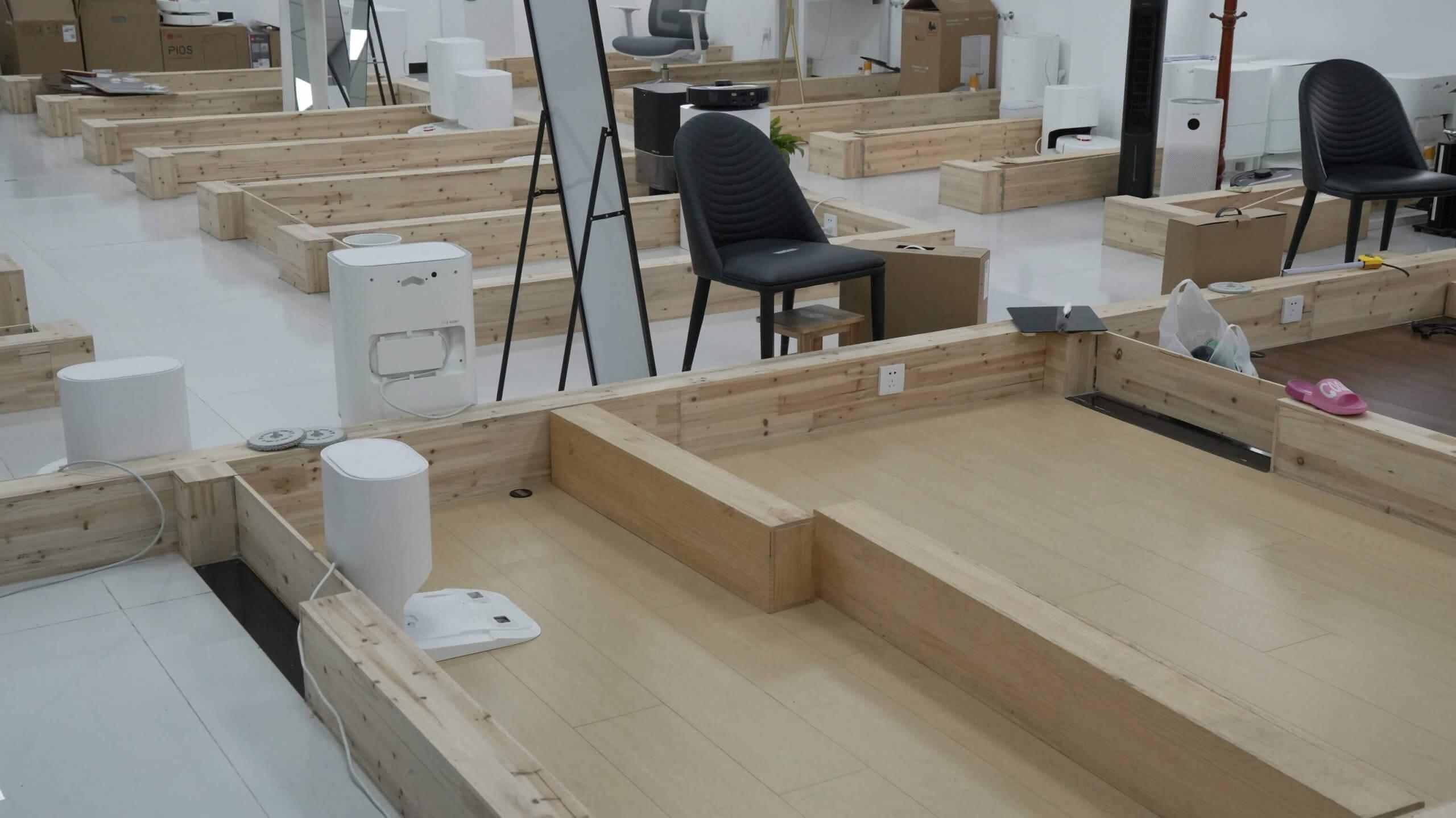
Test stands
Over time, you realize it's not just a joke—it's very, very professional. Every detail is taken into account. Every standard and unusual situation. For example, there's a separate room with various chairs and armchairs. A bar stool with a chrome base, a rocking chair, a regular office chair, an office chair with runners, and coffee tables of various designs. They also check how well the robots clean under low furniture.
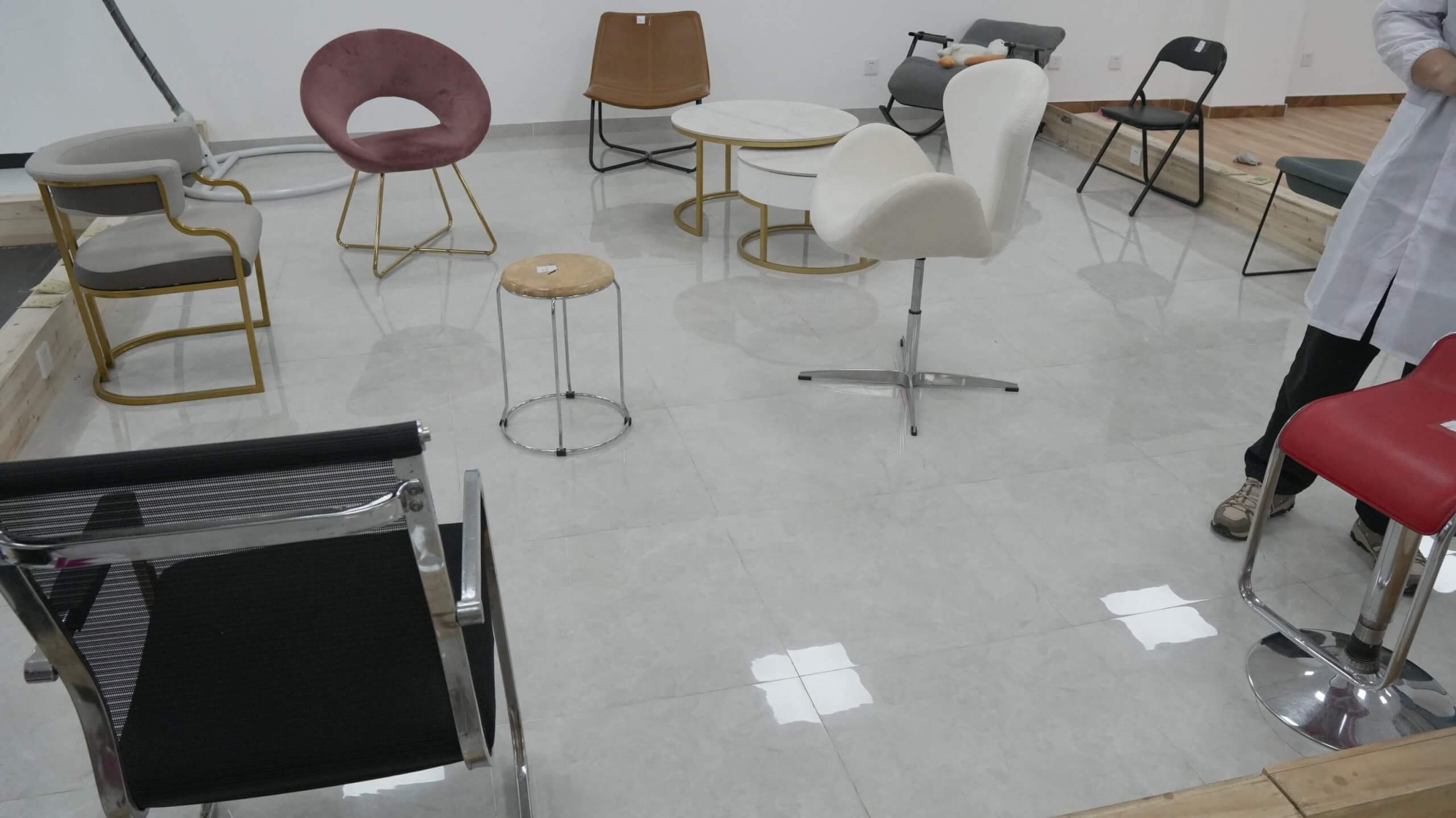
Test with chairs of different shapes
Separate stands are used to test how the robot overcomes various obstacles on the floor: the bottom rail of a sliding wardrobe, the usual 2 cm threshold, tubular obstacles of various diameters, carpets with different pile heights, and so on.
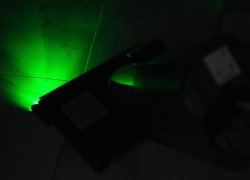
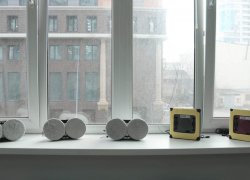
Of course, navigation is tested. They also simulate a situation where the robot vacuum cleaner finds a station in an unexplored area, and they test the floor recognition system using several dozen common household items and even stuffed animals.
A huge number of tests are devoted to cleaning quality. The laboratories are equipped with at least 50 containers containing various types and structures of waste. This includes cat food, sand, and sunflower seed shells—basically, everything that robotic vacuums are designed to pick up.
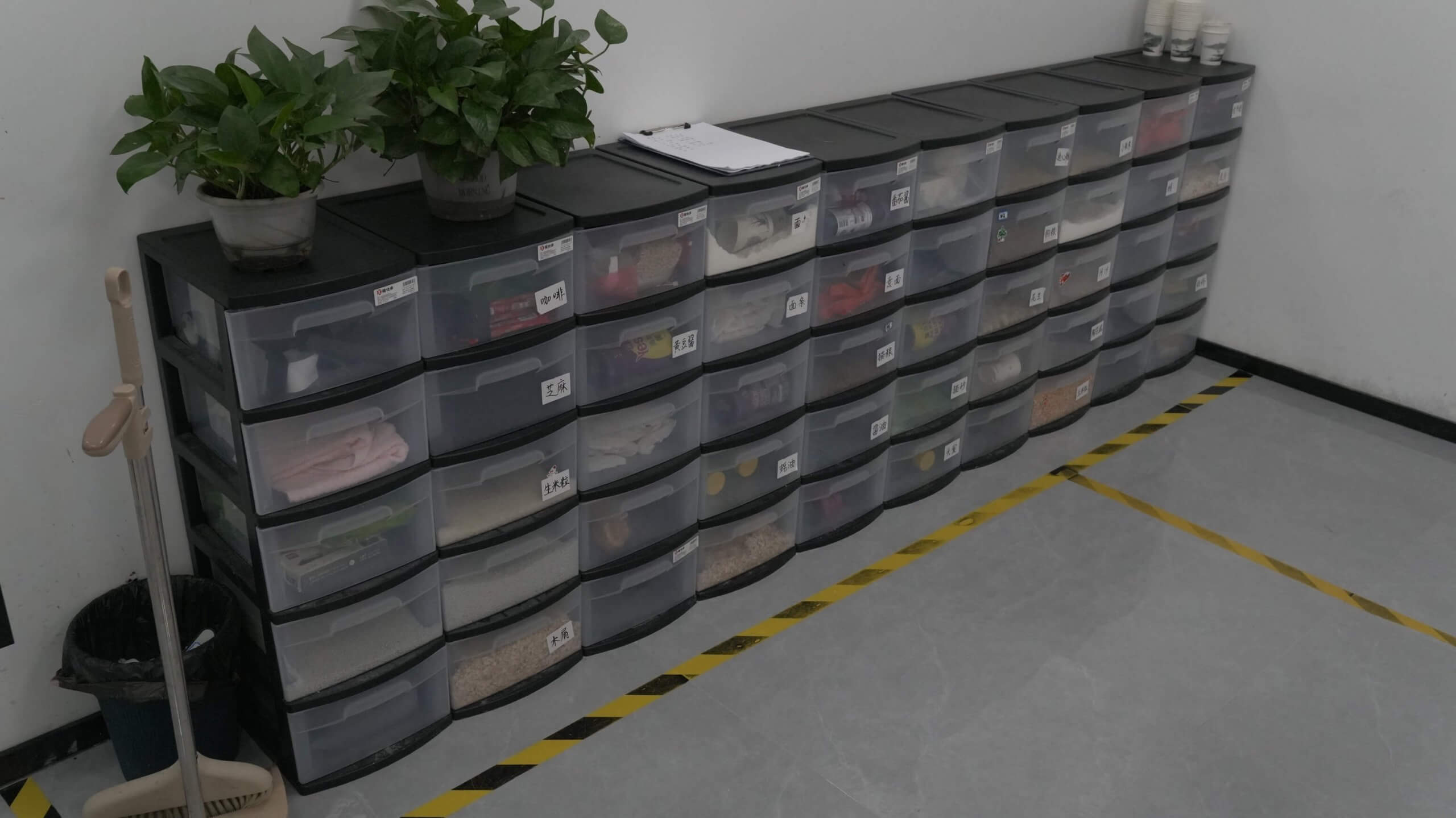
Test trash
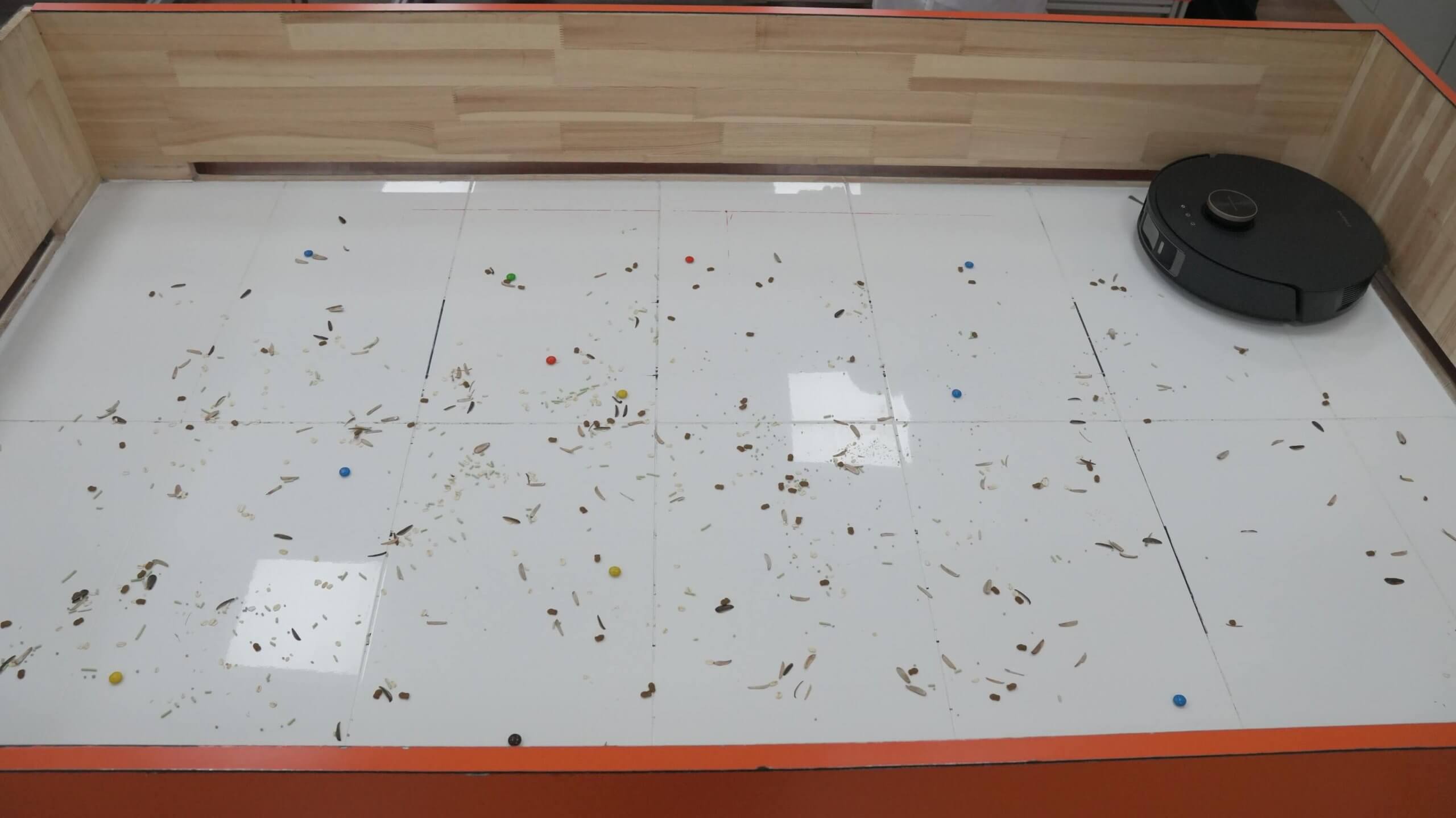
Waste collection quality test
Interesting fact! The tests use a special dust sample, which the company orders separately. It's designed to be as close as possible to household dust in particle size. One package of this sample costs about 2,000 yuan, or about $260. A single test costs about 30 yuan worth of dust, or about $4.
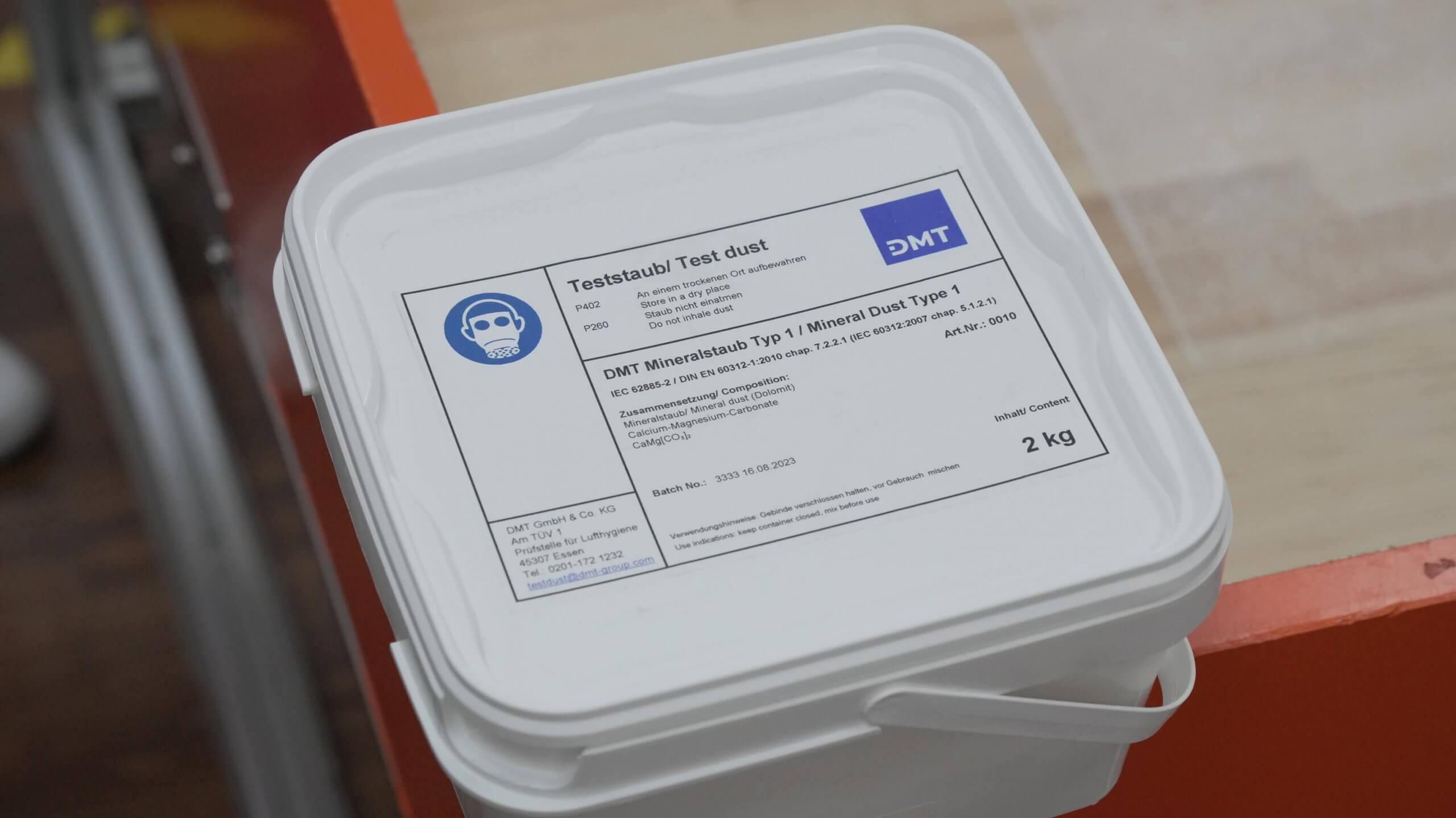
Test dust for robotic vacuum cleaners
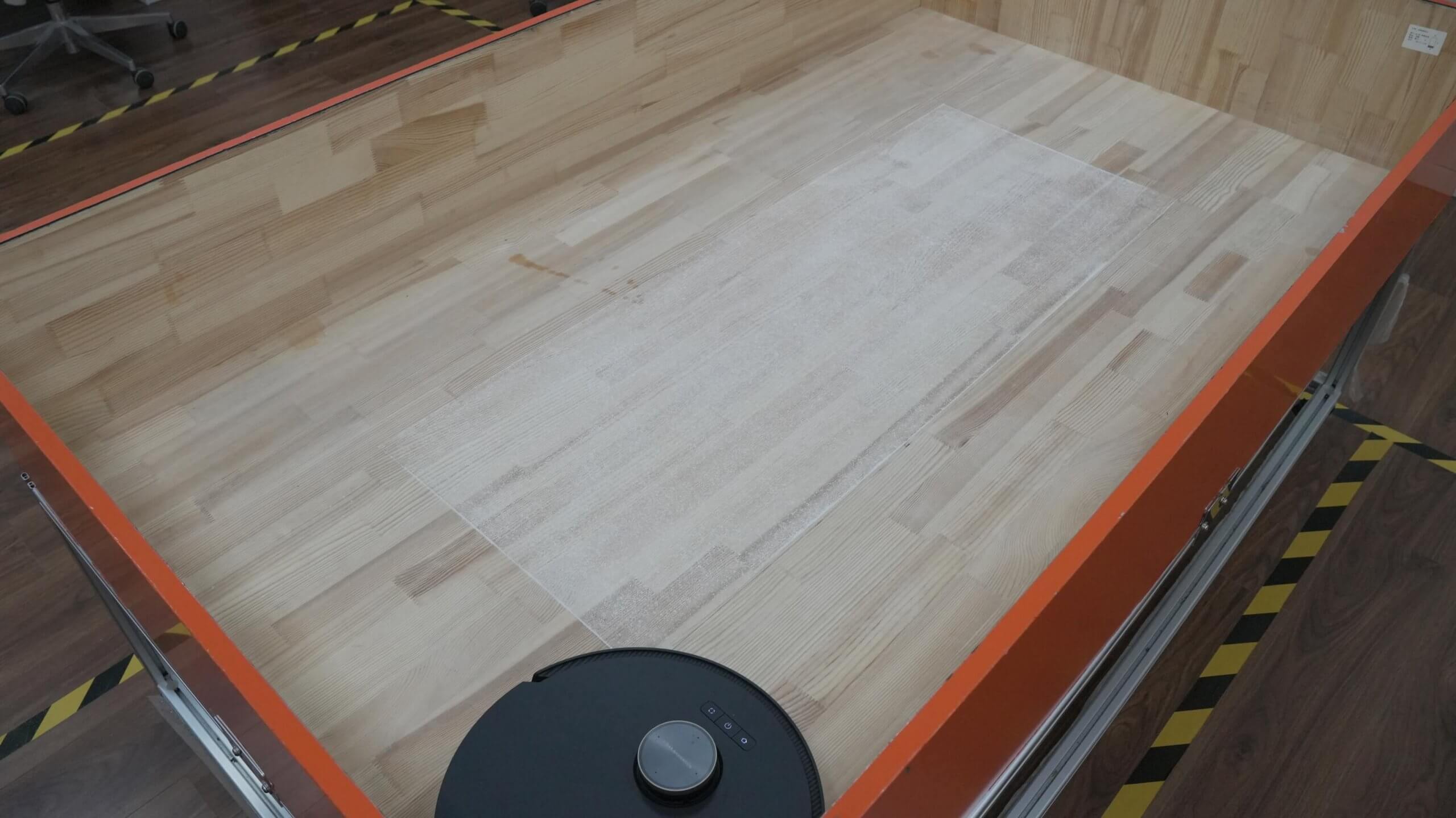
Robot dust collection
A lot of attention is paid to wet cleaning. This includes stains of varying textures and how robotic vacuums clean corners and along baseboards. Everything is measured, compared, and recorded in a report.
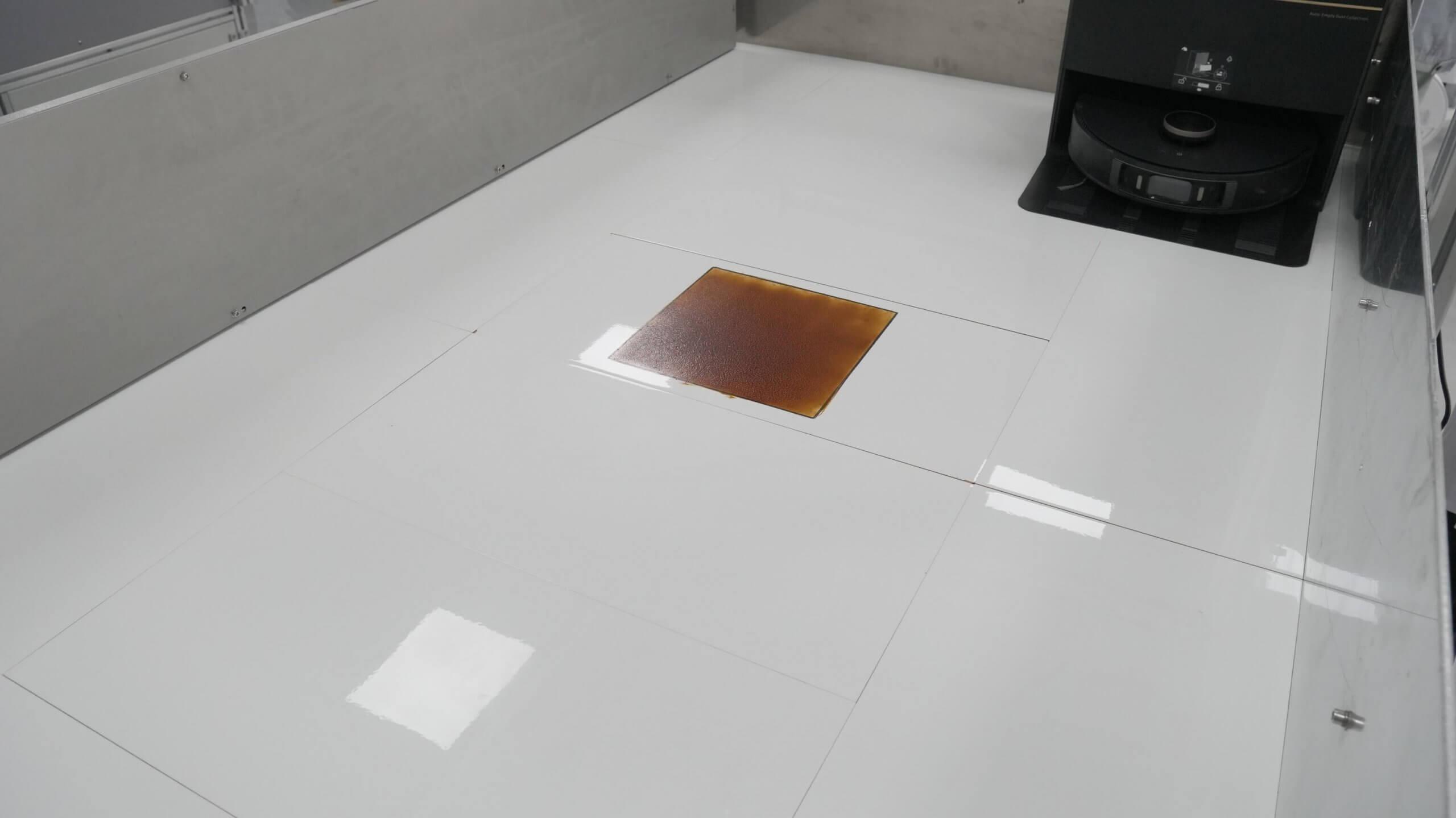
Stain removal test
The stations are also tested. How well the robot cleans itself of various types of debris, how well the wipes self-clean, and how the sewer and water supply connection module work.
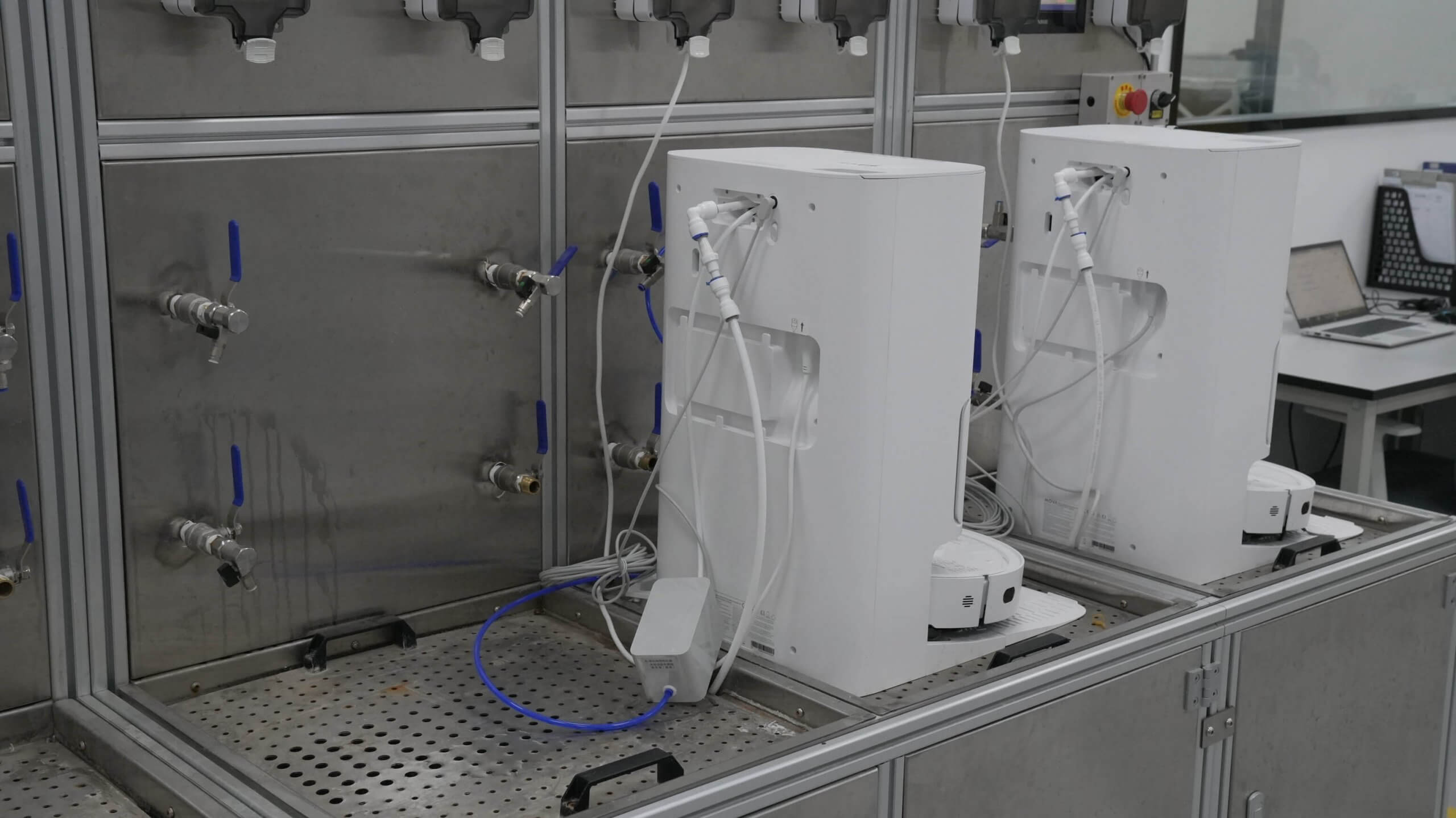
Station test
The built-in voice assistant, activated by saying "OK, Dreame," is tested separately. The company's employee responsible for this test checks the noise level at which the robot responds to this phrase. Furthermore, dialogue is played in the background to check whether the voice assistant can recognize the desired voice command in a noisy environment.
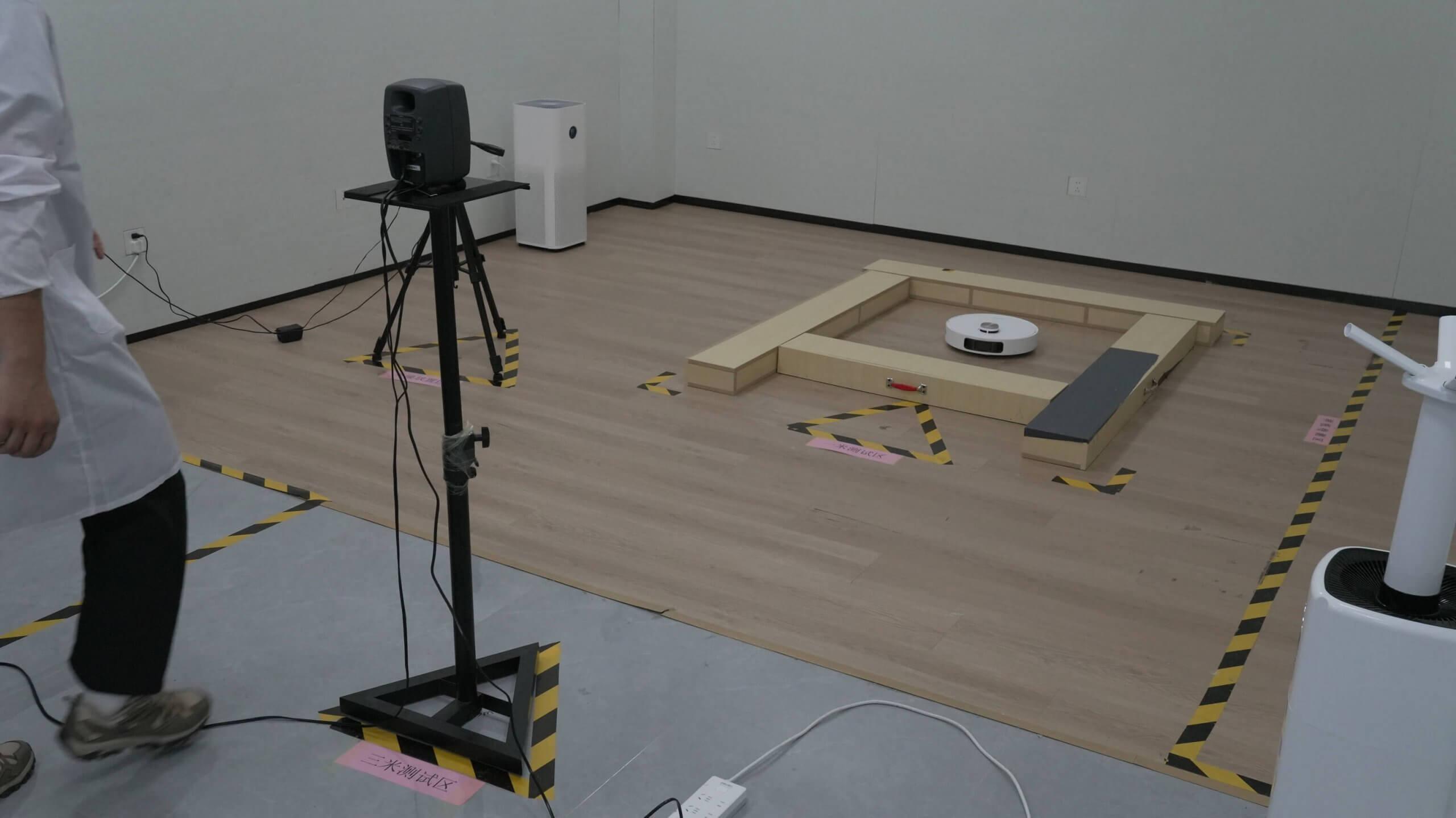
Voice assistant test
But these are all tests that most reviewers simulate, or at least are capable of. Dreame's labs also offer more complex, specialized tests. For example:
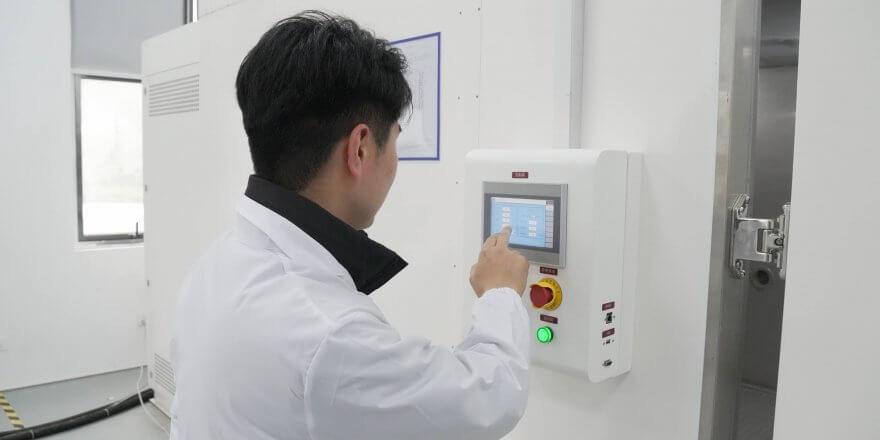
The stations are tested for their safety against electric shock during a breakdown. The station is placed on a test bench and water is sprayed onto it at various angles. This simulates the effects of a flooded apartment or simply water ingress in an unforeseen situation. After testing, the robot is dried with paper towels and a 3000-volt voltage is applied to the station's housing through a special power supply. The station is connected to the power grid during this time. The housing must not conduct electricity to prevent shock to a person or animal if touched. At the same time, the housing's tightness is checked to ensure that external voltage applied to the housing will not damage the electronics inside.
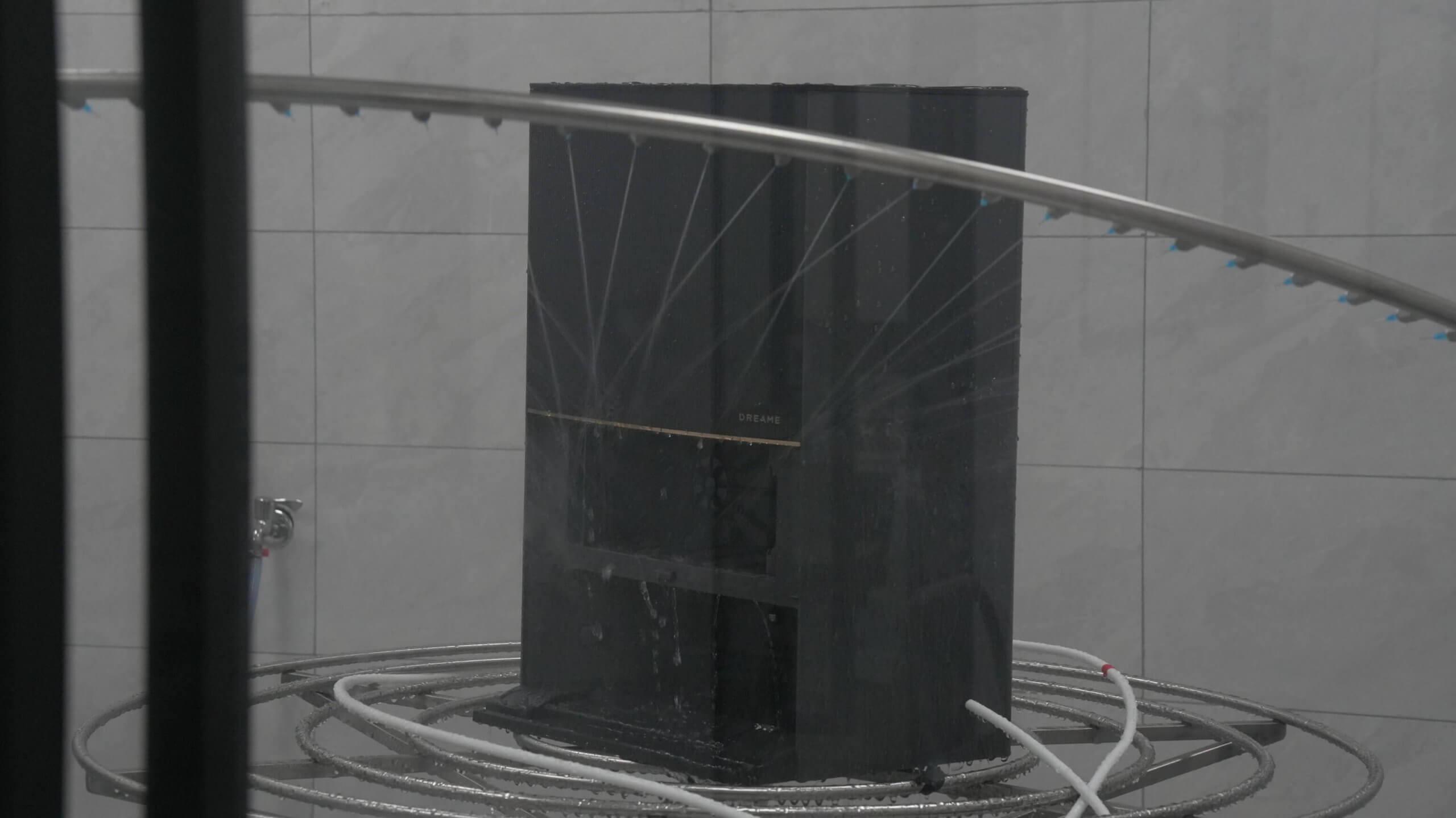
Electrical protection test
There's also a test that simulates a power surge. Using a special device, high voltage is applied to metal parts, including the robot's charging terminals. The test sample's functionality is then checked.
In a separate room, the packaging is checked and force majeure events during robot transportation are simulated. This includes prolonged shaking, simulating train transport, placing the box in a room with elevated temperatures of up to 100 degrees Celsius, and even testing in a room with high humidity. The robots themselves, without their boxes, are tested under similar conditions.
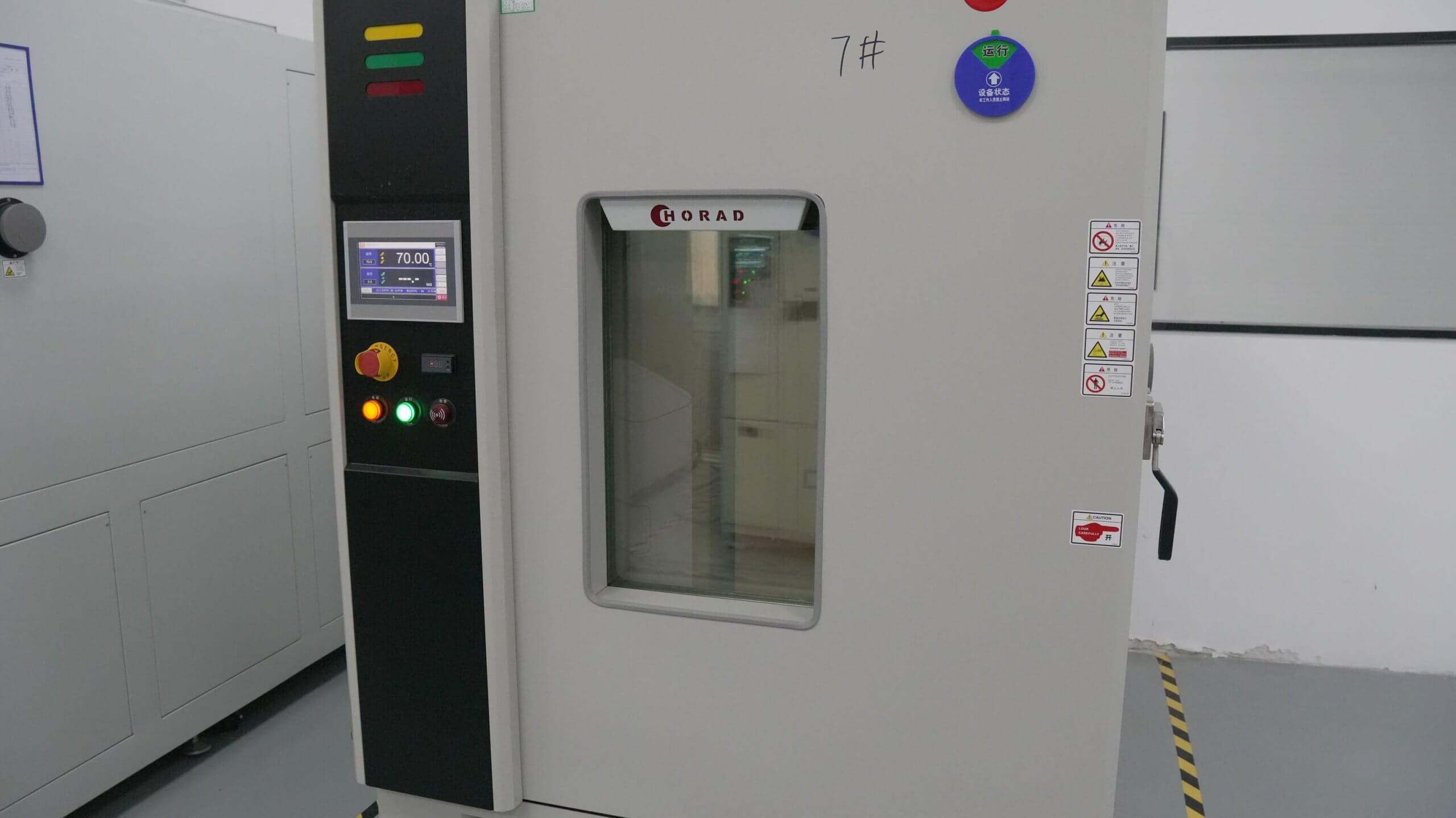
Packaging test
There are also so-called crash tests: robots are dropped from various heights and tested for strength. In special chambers, they are heated to 850 degrees Celsius for the terminals, and to 550 degrees Celsius for the plastic housing parts. The latter must be flame-retardant. The housing's deformation under heat and mechanical stress is also tested. The strength of various seals is also tested. They are stretched, and the results are recorded in reports.
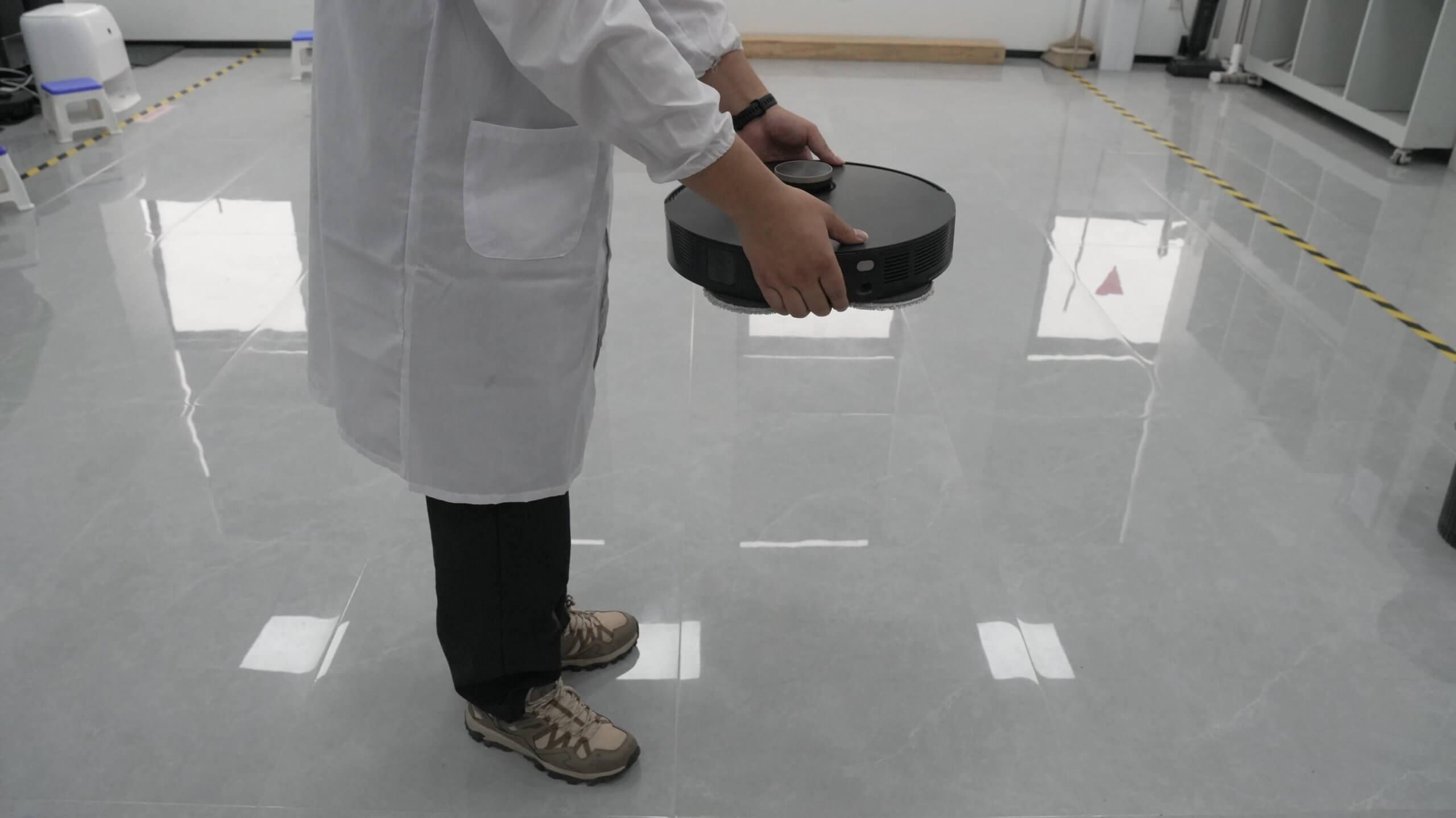
Dreame Robot Vacuum Crash Test
As for suction power, it's actually very easy to test with a pocket differential pressure gauge. The device's tube is inserted into the vents where the robot's main turbine is located, and the differential pressure is measured. This value is then displayed in promotional materials, designated as suction power or suction force. I couldn't find any stands with slits of varying depths or any alternative methods for measuring suction power.
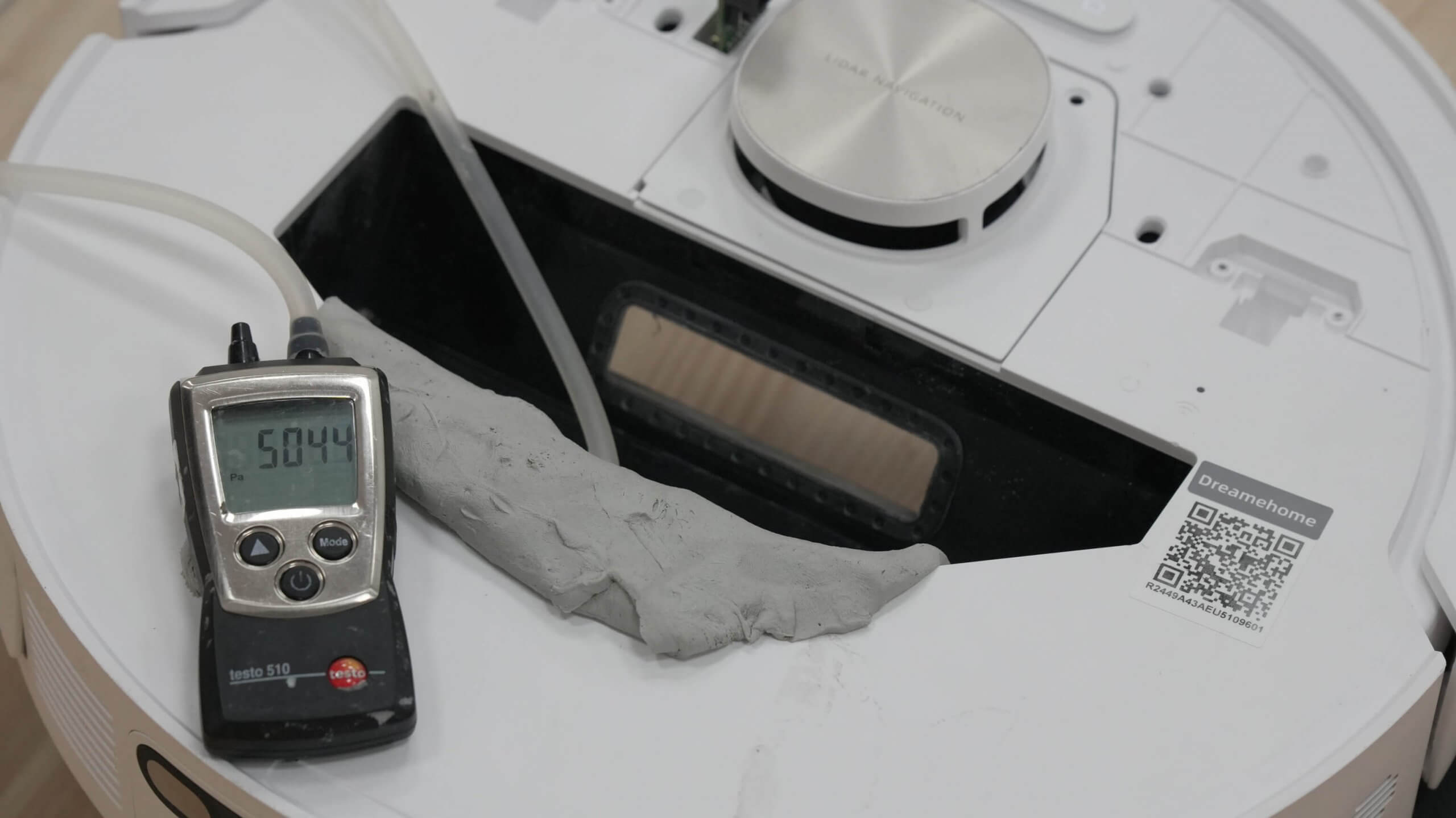
Suction force test with differential pressure gauge
Overall, there are a lot of tests; I counted over 30 types alone. And according to brand representatives, a single sample can undergo up to 4,000 tests! They are tested daily and according to specific methods prescribed by the brand itself.
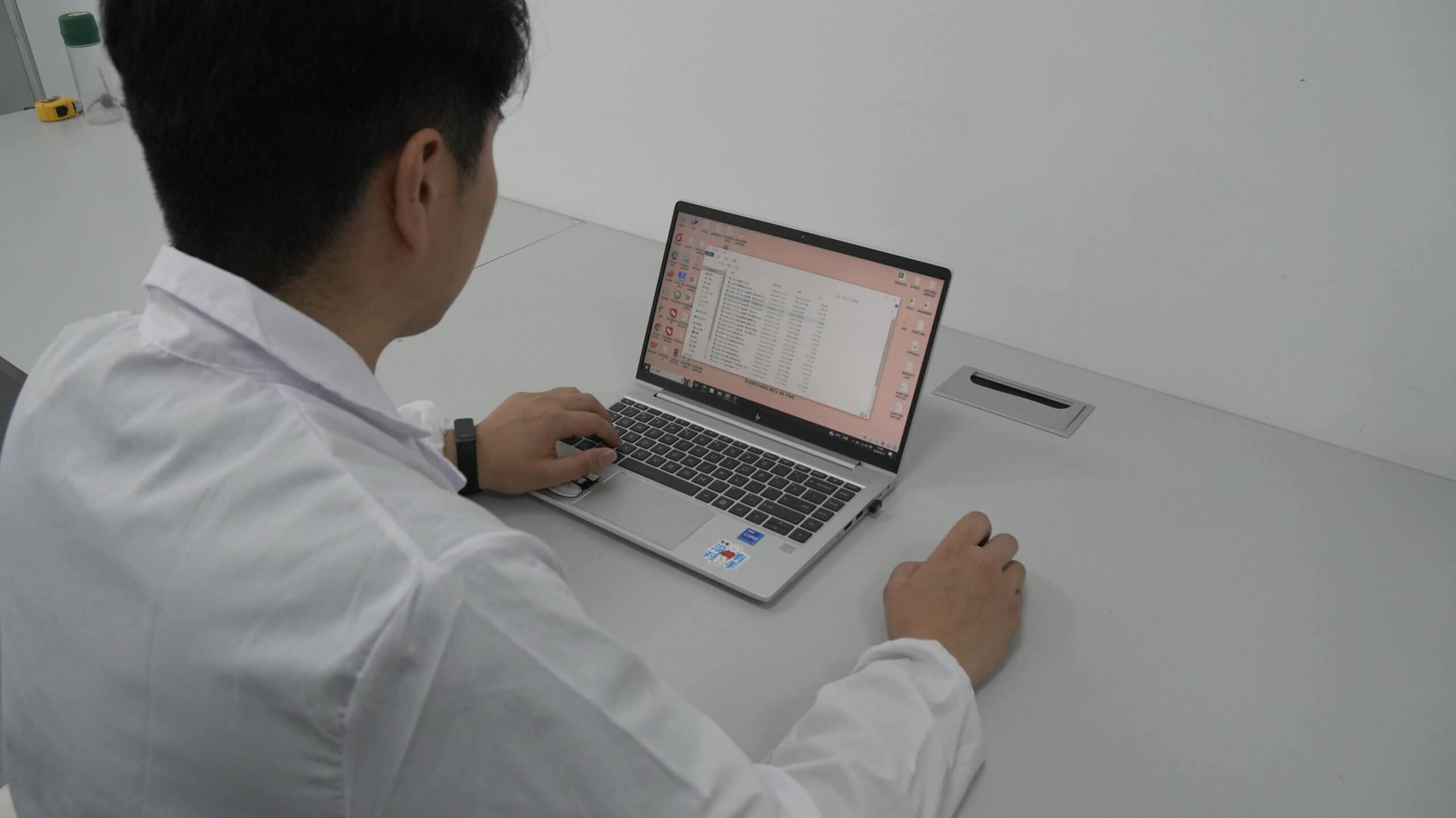
Test report
This applies not only to Dreame robot vacuums but also to upright vacuums. I accidentally witnessed a mass testing of upright wet vacuums, where, mind you, after mopping the floor, the wet roller was weighed to determine how much water it absorbed.


Test of washing vacuum cleaners
Another fascinating and invaluable experience, which gave me numerous ideas for improving my own tests, but most importantly, it showed me the inside story of Dreame. How a large team strives to create the perfect robot vacuum cleaner that will satisfy all the needs of its future owner.


That's all I have for now. Subscribe to the channel and let me know in the comments how you like this review format. Your interaction with the video will help it gain more reach and create opportunities for new, interesting interactions with brands.
The video review itself:
Thank you all for your attention!