How to Choose an Upright Vacuum Cleaner in 2023: 20 Parameters from an Expert
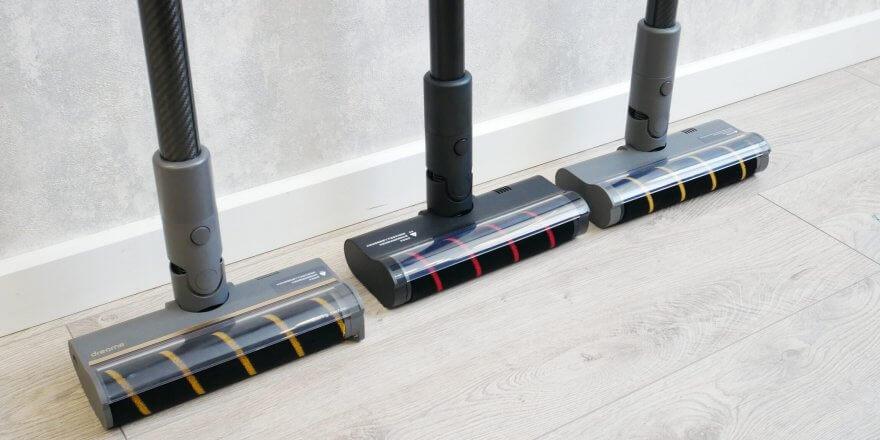
Hello to all readers of this project! In this review, I've decided to cover in detail how to choose a cordless upright vacuum cleaner for your home and what parameters you should pay attention to when choosing one. This guide lists 20 key parameters, in my opinion, that you should pay attention to and understand when choosing a cordless upright vacuum cleaner. I'll list them in order of priority: from the most important criteria to secondary ones, which will also help you choose the best option for your needs. And yes, I'm specifically talking about cordless vacuum cleaners. Dragging a cord around in a home environment is a thing of the past. Cordless models in 2023 are already quite powerful and can run for up to 90 minutes, which is plenty for a full cleaning in a home environment. So, let's get started!
Type of cleaning
The first thing you need to figure out is what type of upright vacuum cleaner you need. There are upright vacuums designed exclusively for dry cleaning, models with a wet cleaning function, and full-fledged wet/dry vacuums that can thoroughly clean floors and pick up debris.
So, I'll create a separate guide for choosing a washing vacuum cleaner, because this is a separate segment with a lot of individual parameters and nuances.
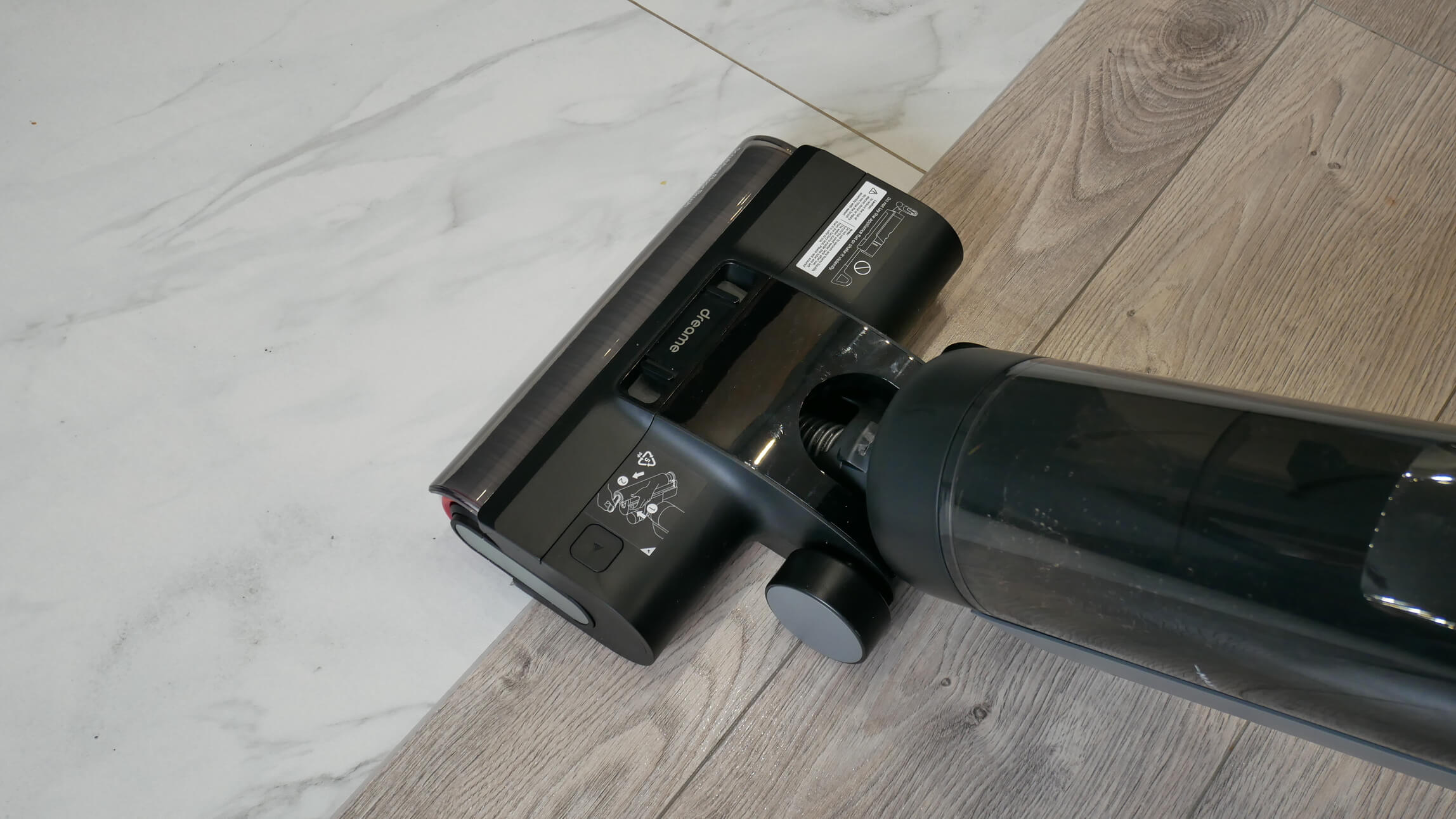
Washing vacuum cleaner
Upright wet and dry vacuum cleaners are typically dry cleaning models with an additional polishing attachment or a water tank with a cloth that attaches to the main attachment.
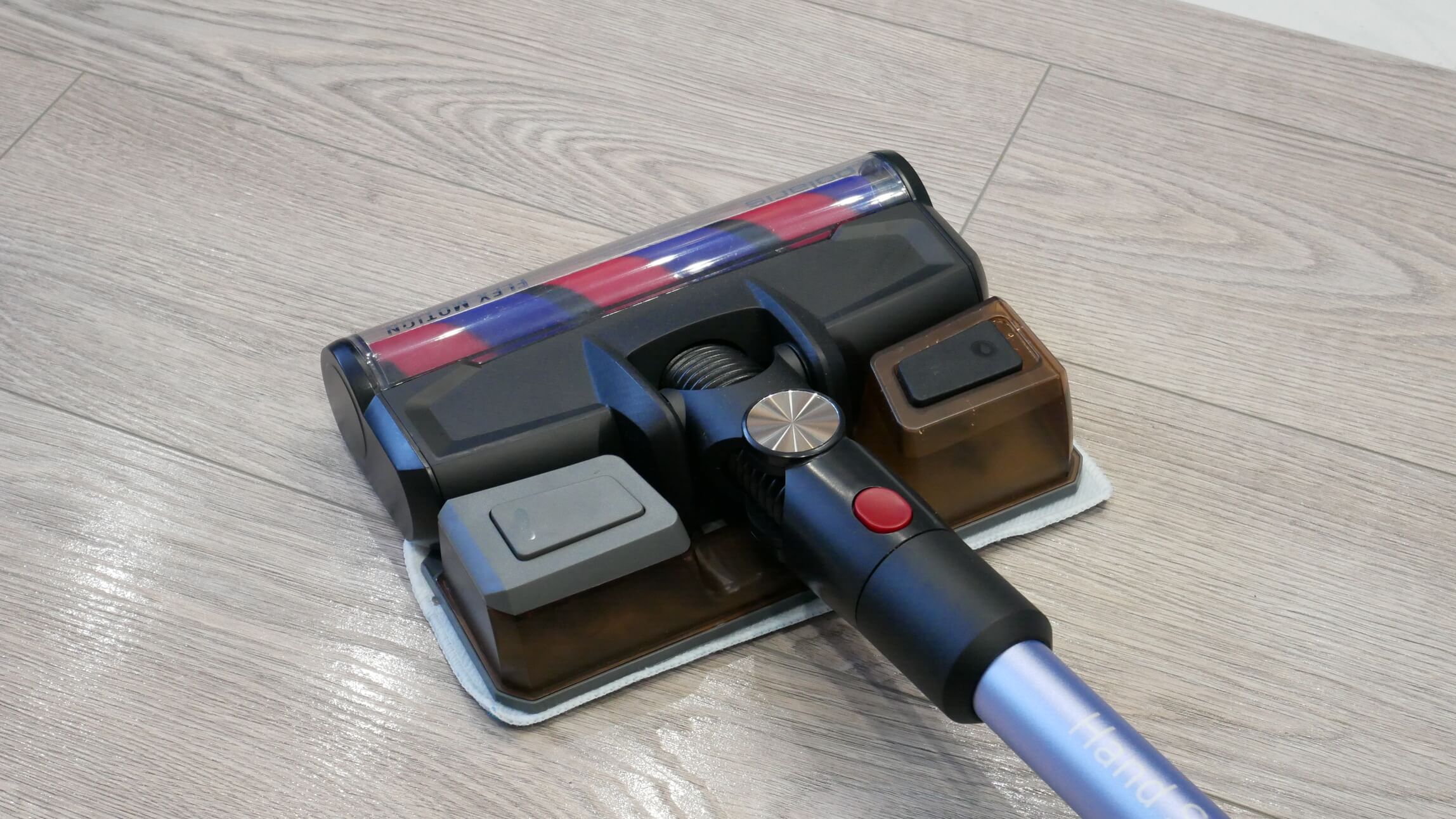
Dry and wet cleaning
These models aren't capable of cleaning floors. At best, they'll scrub light stains and pick up dust that the main brush can't reach. Upright vacuum cleaners for dry cleaning, however, are the most common type of device, and choosing one will be discussed below.
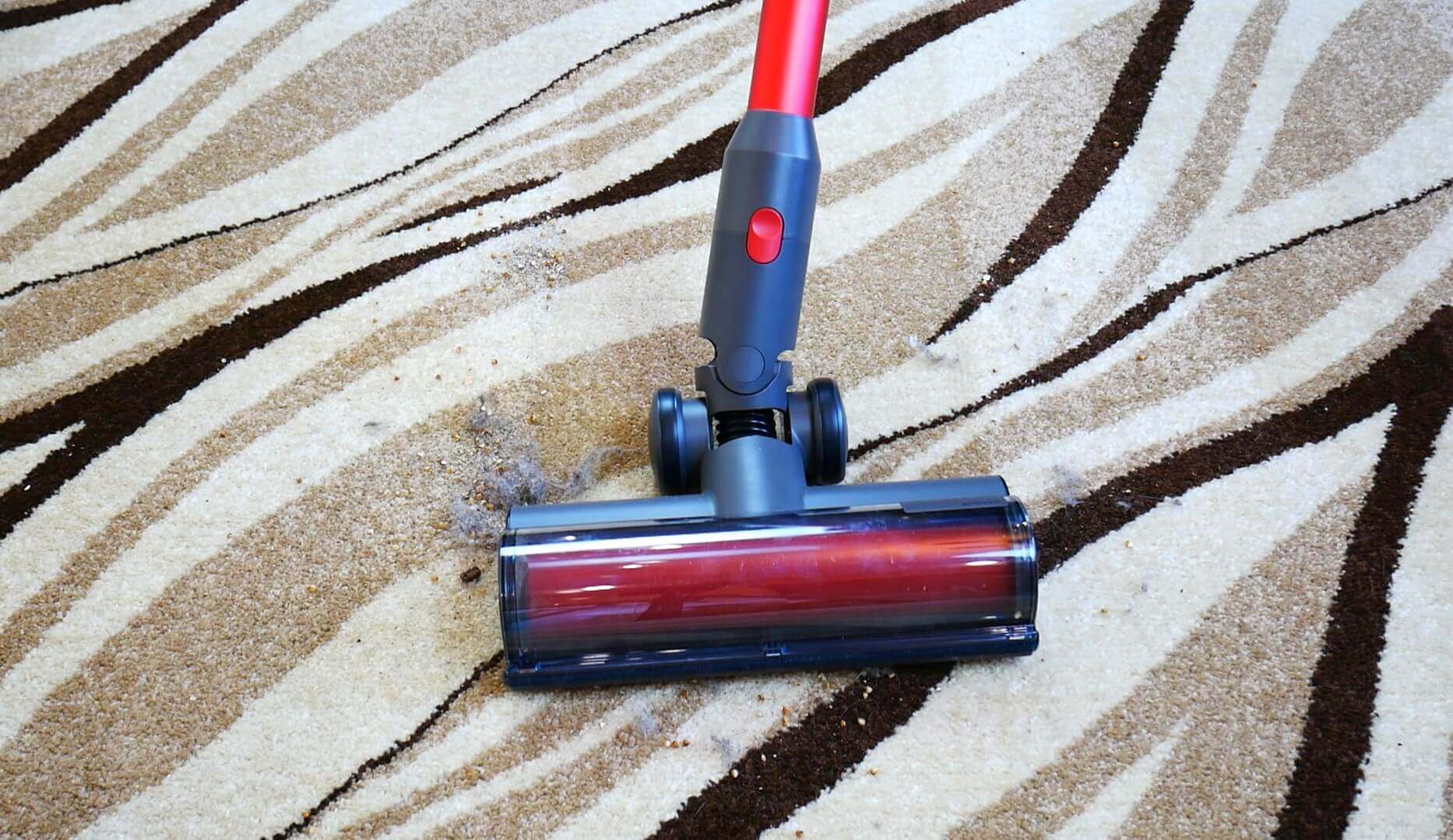
Dry cleaning
Brush type (roller)
When choosing an upright vacuum cleaner for dry cleaning, it's important to determine the type of roller, or brush, on the main floor nozzle. There are two options. One is a fluffy roller with soft bristles, which is better suited for cleaning hard floors.
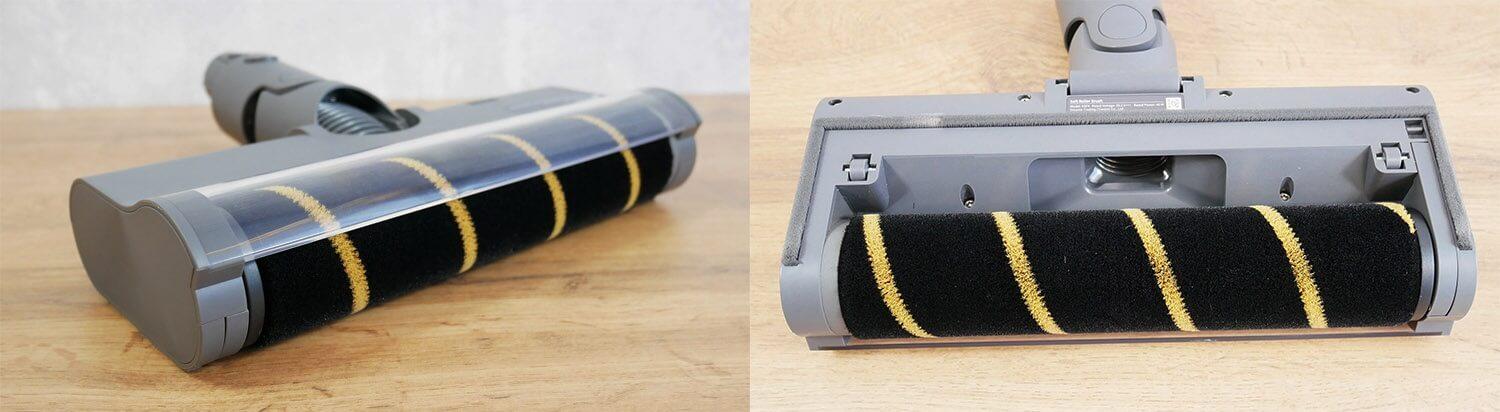
Floor nozzle with roller for hard floors
Or a roller with short, elastic bristle inserts that can thoroughly clean carpets.
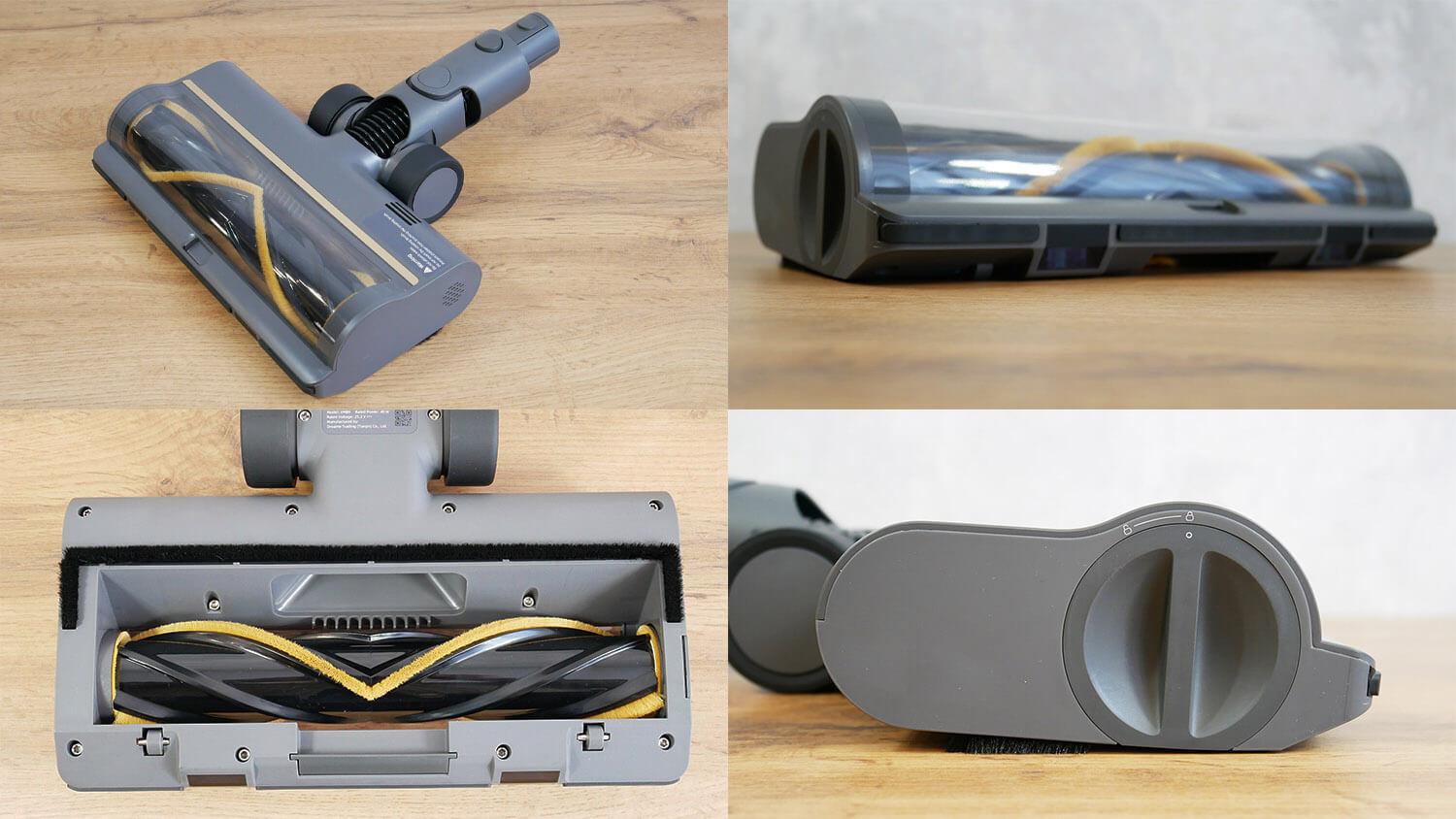
Floor nozzle with carpet roller
So, a roller with fluffy pile doesn't clean carpets very well, so if you have carpets, we opt for vacuum cleaners with rollers equipped with bristle inserts. They can also be combined with silicone pads. However, if you don't have carpets, you can choose any type of roller; both will do a good job of picking up debris. The only downside is that a fluffy roller is slightly better at collecting dust and, so to speak, polishing the flooring. This is a selling point for many.
There are also vertical vacuum cleaners, in which the main brush is a tandem of two rollers with different structures: a soft fluffy one and one with elastic bristle inserts.
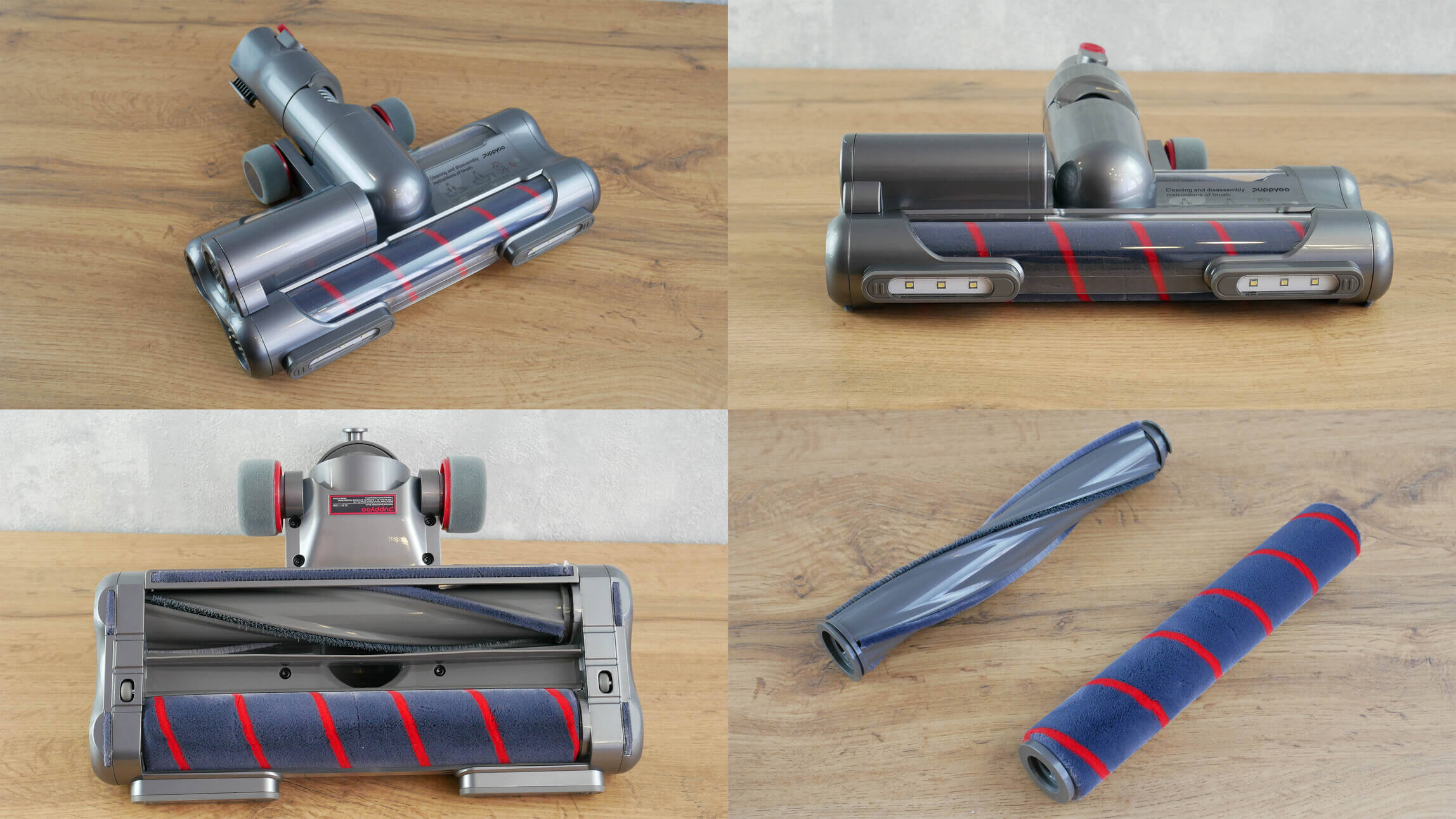
Double roller attachment
The solution is universal and highly effective. Unfortunately, there are only a few such vacuum cleaners on the market.
Many manufacturers also include two types of attachments or rollers with their vacuum cleaners, each suitable for different types of surfaces. This is a convenient solution, allowing you to choose the brush best suited to your specific needs. However, the inclusion of a second attachment directly impacts the price of the vacuum cleaner, so it's important to consider this.
Power
The next most important criterion when choosing an upright vacuum cleaner is power. It's worth clarifying that there's motor power consumption and suction power, which is more accurately referred to as suction force.
Power consumption is measured in watts and can reach 650 watts in 2023. At least, I haven't encountered a more powerful one. The logic here is simple: the higher the power consumption, the more power-hungry the motor, and therefore the more powerful it is, the more suction it provides. In practice, this is usually the case.
Suction power is measured in Aerowatts (aW). The highest I've encountered is 245 aW. This is truly powerful suction, enough to suck the life out of your carpet.
Don't assume that if you don't have carpets, you can choose a less powerful vacuum cleaner. Keep in mind that you'll also be vacuuming upholstered furniture, mattresses, and other items that require deep cleaning. It's best to buy with extra power. In practice, from 400 W or approximately from 150 A – these are already models of decent power.
Filtration system
Speaking of the filtration system, it's simple: the more filtration levels, the longer the motor will last and the cleaner the air will be blown out of the vacuum cleaner. The latter is especially important for allergy sufferers.
A good filtration system in 2023 has 5 stages: a cyclone filter, a metal mesh filter, a foam filter, a pre-motor HEPA filter, and a blow-out filter, which can be either foam or HEPA.
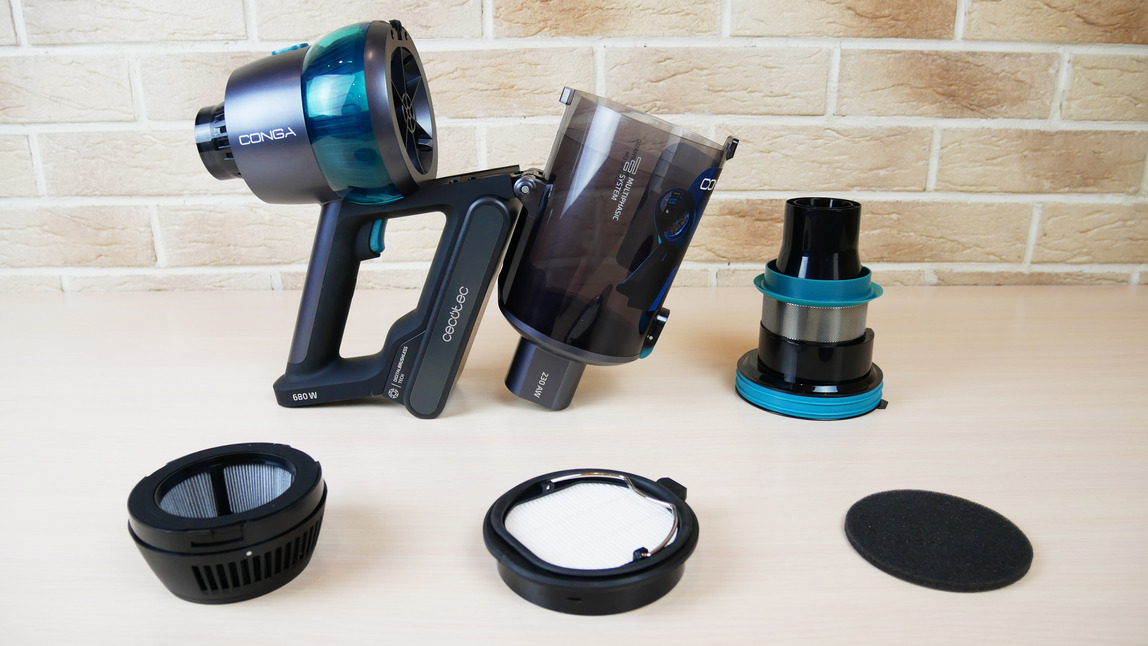
5 stages of filtration
If there's no foam insert in front of the HEPA filter, it will become dirty faster and require more frequent replacement, which is an expensive consumable. If there's no pre-motor HEPA filter, or if it's not a HEPA filter, the motor will be more susceptible to contamination and will fail faster. If there's no exhaust filter, the air purification will be less effective, and you'll be breathing in dust particles raised from the floor while cleaning.
Operating modes
When choosing an upright vacuum cleaner, pay attention to the operating modes available. Typically, there are 2 to 5. The most convenient set of modes consists of 4: Economy, Medium, Turbo, and Automatic.
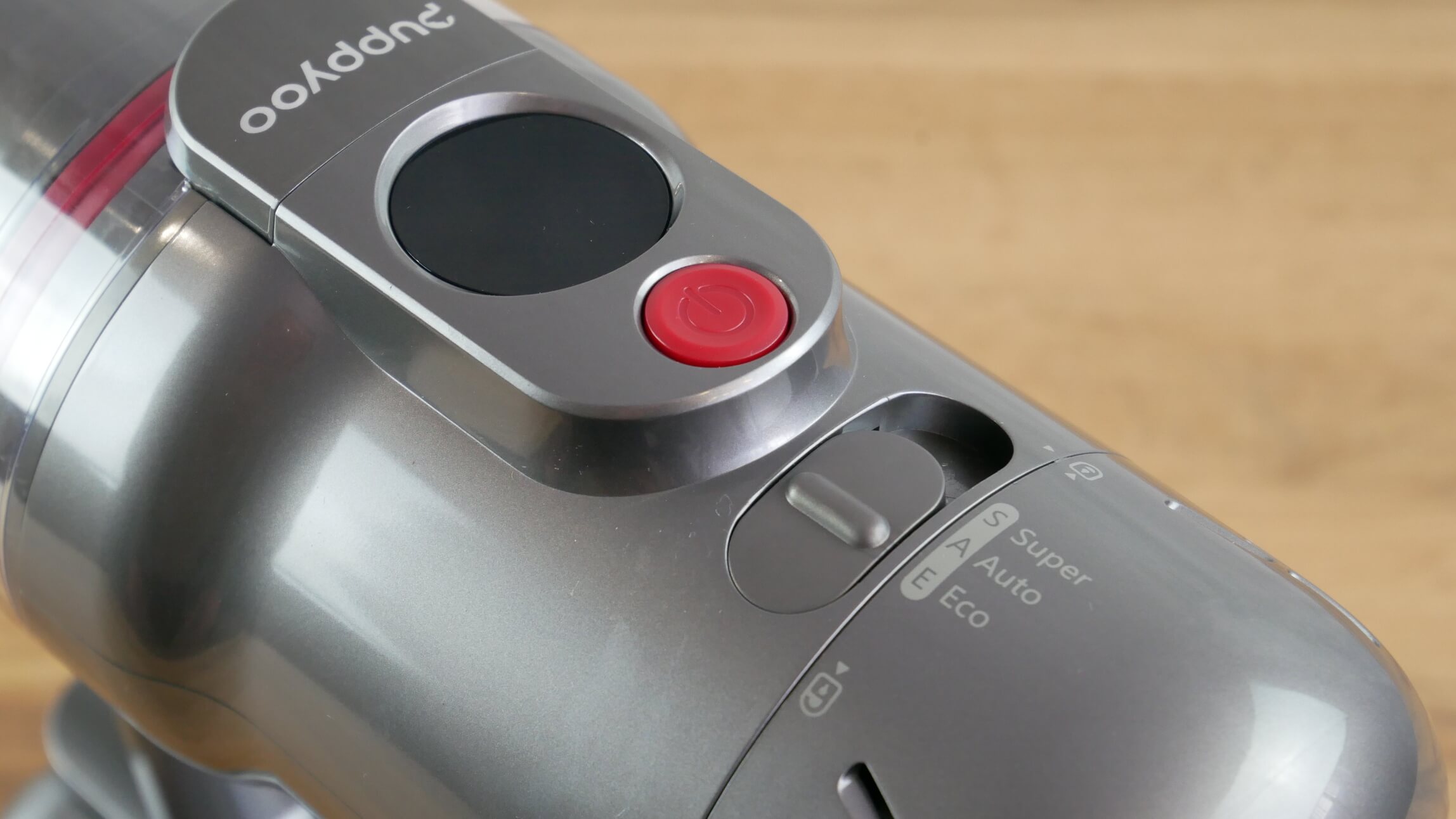
Operating modes
The latter mode automatically adjusts suction power depending on the type of floor covering or how dirty it is. The vacuum cleaners are equipped with smart sensors that alert you when the power needs to be increased or decreased without your intervention. Very convenient.
Eco mode is equally convenient; it allows you to vacuum hard floors in the most energy-efficient mode. This ensures debris is picked up from the floor while minimizing battery drain.
In Turbo mode, on the contrary, you can briefly turn on maximum power for intensive cleaning of the desired area.
In general, when choosing, consider which modes you need and which you don't. For example, Auto mode is more of a convenience feature, which will cost you a few tens of dollars extra.
Opening hours
Battery life is actually an alternative parameter to battery capacity, which many recommend paying attention to when choosing a vacuum cleaner. While the numbers on the battery don't tell you much, the runtime on a fully charged battery is what gives you an idea of how long a vacuum cleaner will last.
Some dishonest manufacturers only list the maximum runtime, such as up to 90 minutes. But 5 minutes is still up to 90 minutes, no matter how you look at it. Therefore, it's good when the manufacturer specifies the battery life in different modes. For example: 10/35/90 minutes. This makes it clear how much time you have for cleaning. For context, charging the battery from a full charge takes up to 4 hours, so interrupting your cleaning process for this is not an option.
In my tests, I always check the operating time of the vacuum cleaners I review in Turbo mode, that is, the minimum operating time of each vacuum cleaner.
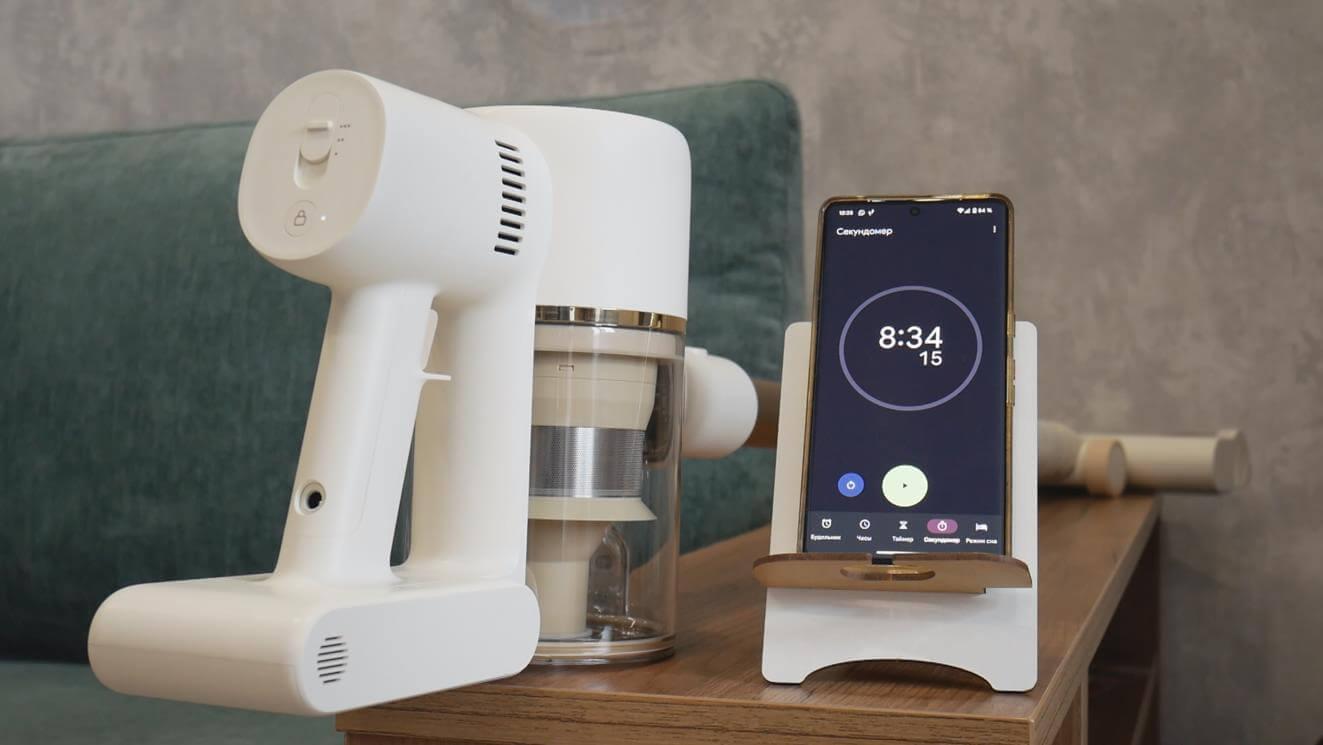
Opening hours
In practice, a good result in Turbo mode is more than 12 minutes. Some models have a runtime of around 7-8 minutes at maximum power, so if you need Turbo mode, it makes sense to choose models with a longer runtime.
Equipment
Now that we've sorted out the basic components, let's move on to the additional accessories. These will be needed for spot cleaning. These include various crevice tools, flexible adapters, a mini turbo brush for cleaning furniture, flexible hoses, and even a floor polisher attachment.
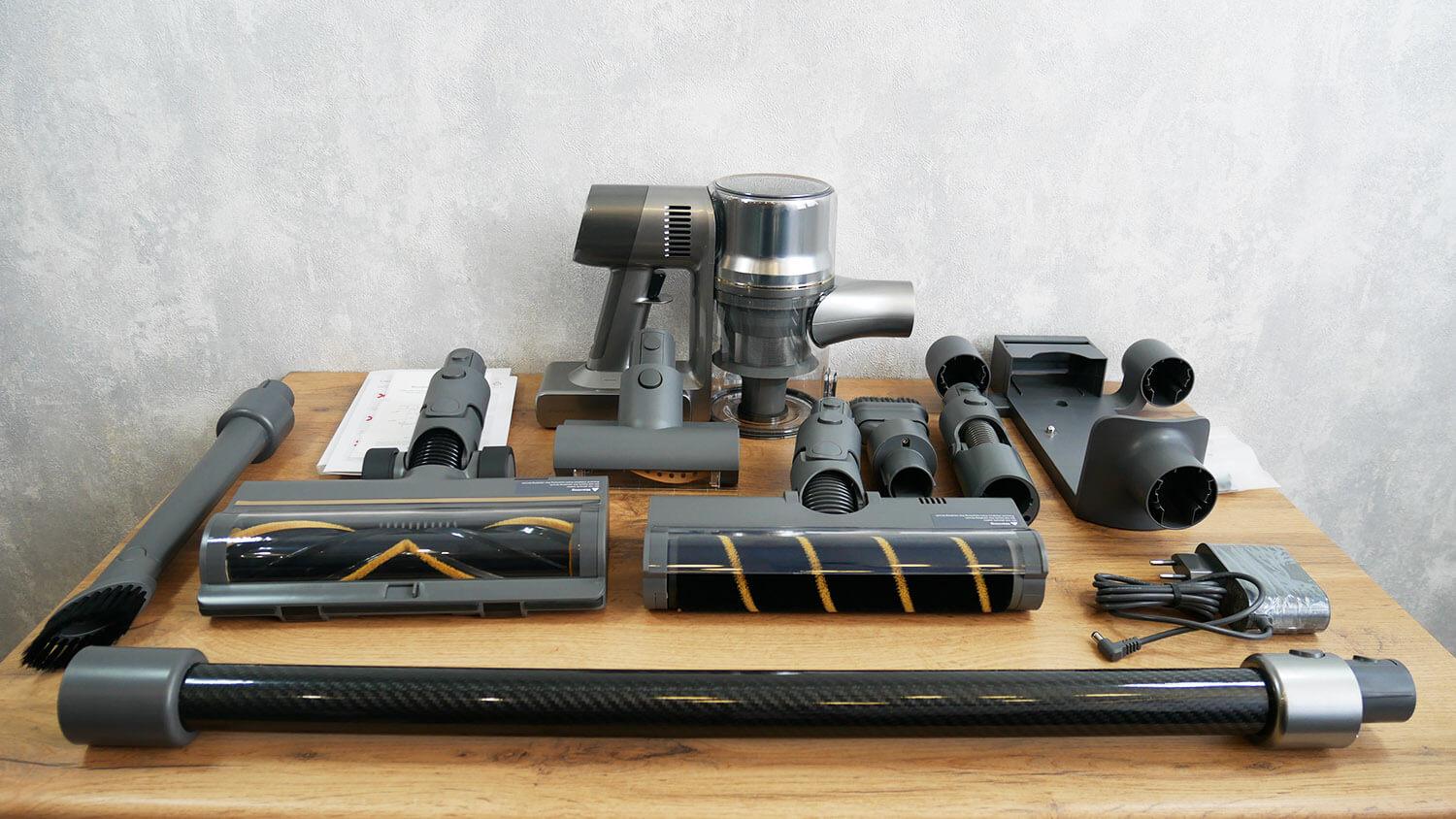
Equipment
There may be dozens of accessories, but remember that each attachment is an extra cost, already included in the price of the vacuum cleaner. Want to save money? Decide on the attachments you really need for your needs. Personally, I consider the "must have" accessories: a mini turbo brush for cleaning furniture and a crevice tool. Everything else will be used at best a few times a year. And then you'll have to figure out where to store them.
Storage
Besides storing the attachments, you'll need to decide in advance where and how you'll store the vacuum cleaner itself. There are only two options. The most convenient is storing the vacuum cleaner and attachments on a wall holder. This is especially true if the holder also supports wireless charging. Simply connect the charger to the holder, hang the vacuum cleaner on it, and charging begins automatically. There's no need to plug the plug into the main unit each time.
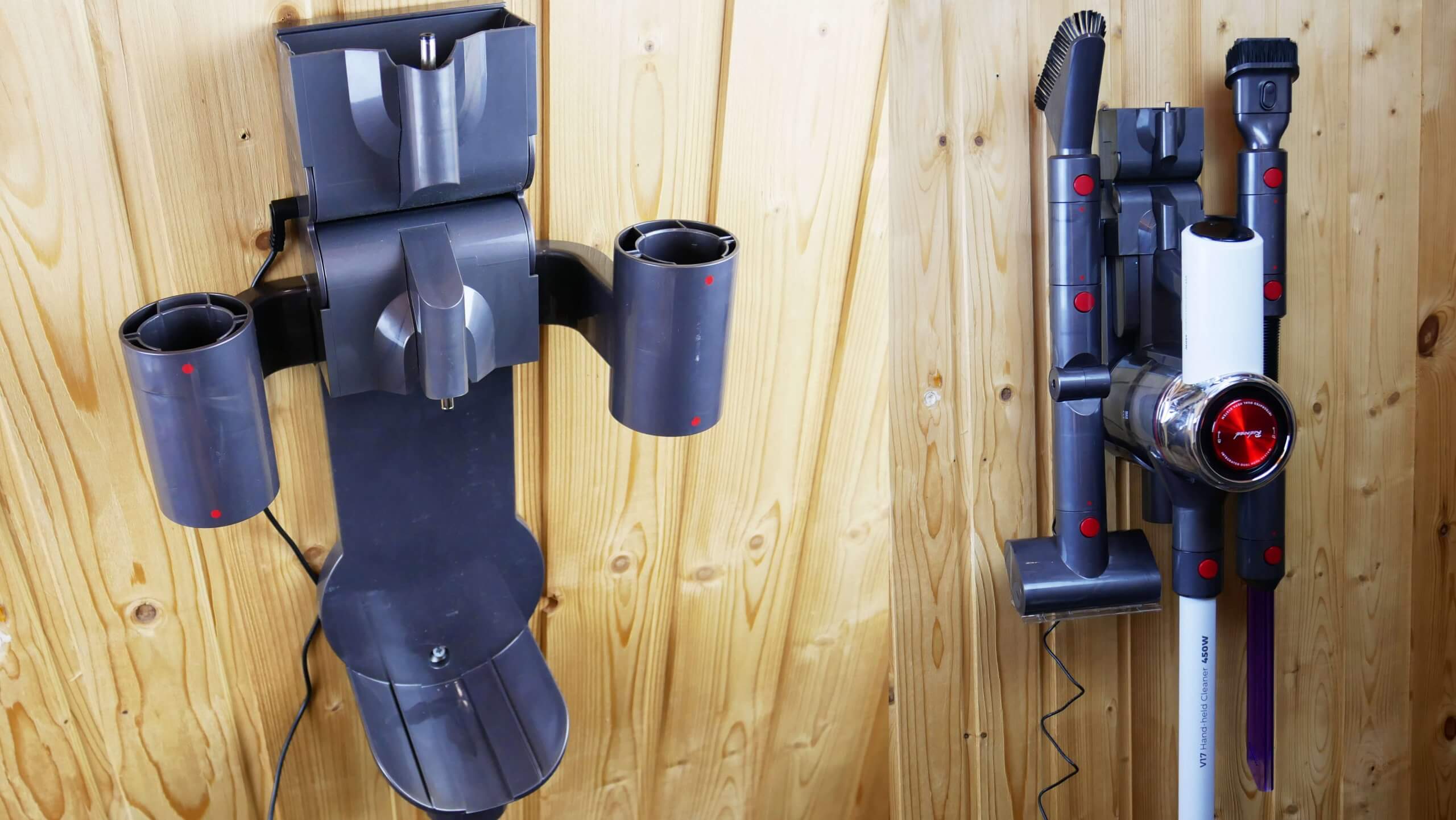
Wall holder
But not everyone is ready to ruin the wall finish and install a wall holder. That's where storing your vacuum cleaner and attachments on a floor stand comes in handy. Place it in a convenient corner and store your entire kit there. Wireless charging is also supported.
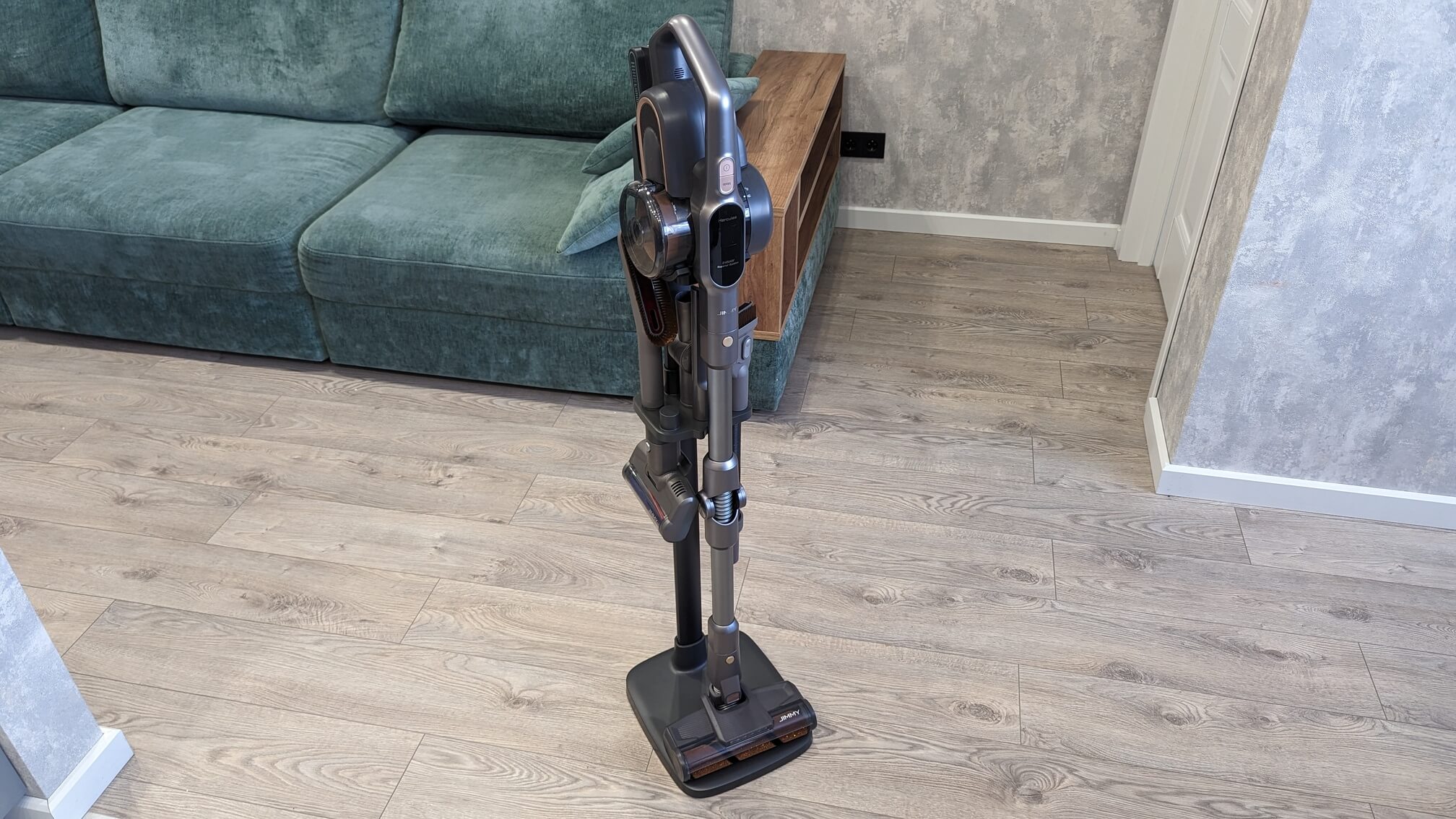
Floor stand
Noise level
An upright vacuum cleaner should not only be efficient and easy to use, but also quiet. No one is saying the noise level should be 45 dB, like a humidifier or air conditioner in the bedroom. However, the motor shouldn't rattle, whistle, or hum.
Manufacturers have already learned to mute even powerful vacuum cleaner motors, keeping noise levels at 77-78 dB in Turbo mode. So, if you don't want your vacuum to be a nuisance, do your research before purchasing.
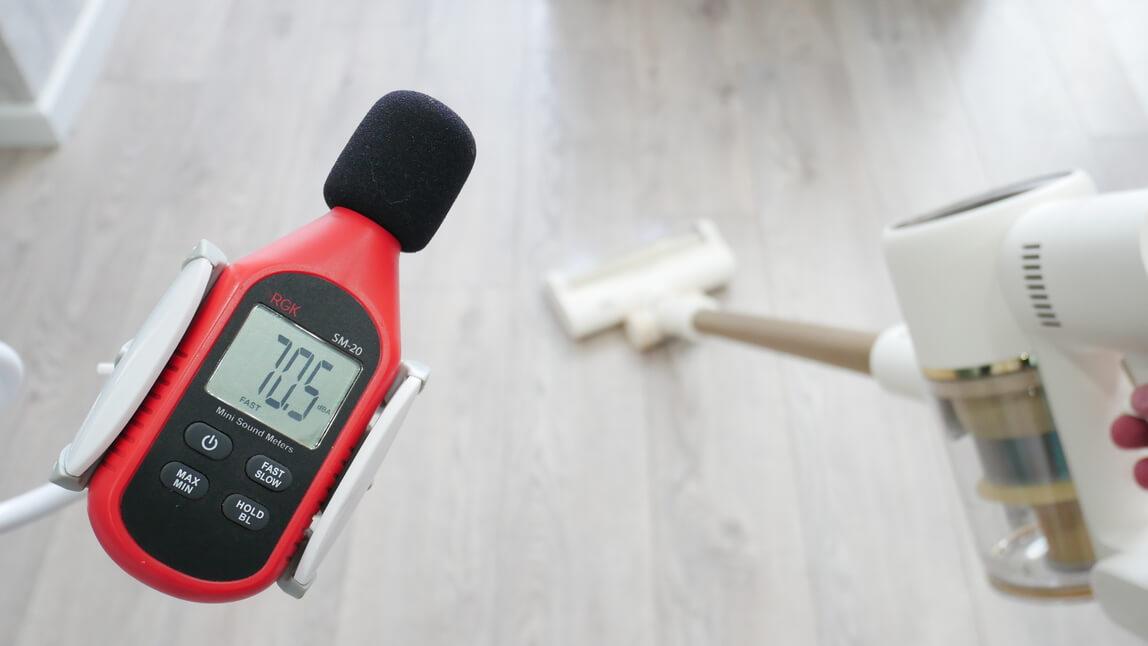
Noise level
Again, I conduct noise level tests in different modes and include this information in my vacuum cleaner reviews. Real online reviews are also helpful. Complaints about really loud vacuum cleaners are common.
Manufacturer
The 10th parameter, which I would rank as the last of the most important, is the choice of manufacturer. Much will depend on this: the quality of after-sales service, subsequent sourcing of spare parts and consumables, the reliability of the vacuum cleaner itself and the build quality, and many, many additional related details.
In 2023, a large number of brands are producing upright vacuum cleaners. Dyson is clearly the industry leader, but in the current situation, they're expensive, and the brand's future market prospects are unclear. Therefore, I'd include Dreame, Jimmy, LG, Samsung, and Tefal among the most reliable and optimal brands.
Xiaomi sub-brands Lydsto and Roidmi are gradually entering the market, producing affordable but high-quality upright vacuum cleaners. Xiaomi itself also produces a line of upright vacuum cleaners at the Mijia factory.
There are also quite interesting models from Russian companies such as Redmond and Polaris.
Overall, Dyson and the top five are high quality and above-average priced; higher models are cheaper, but the build quality may be inferior. I'd also look for official distributors on the market so that manufacturers can provide feedback to resolve issues and answer questions.
What else?!
I'll briefly run through another ten criteria that will help you choose the best upright vacuum cleaner for your needs.
It's a good idea to have a vacuum cleaner with a removable battery. This significantly simplifies the replacement process if the battery fails or stops holding a charge over time. You can also extend the battery life of your cordless vacuum by purchasing a second battery, charging it separately, and then swapping the dead one for a charged one mid-cleaning.
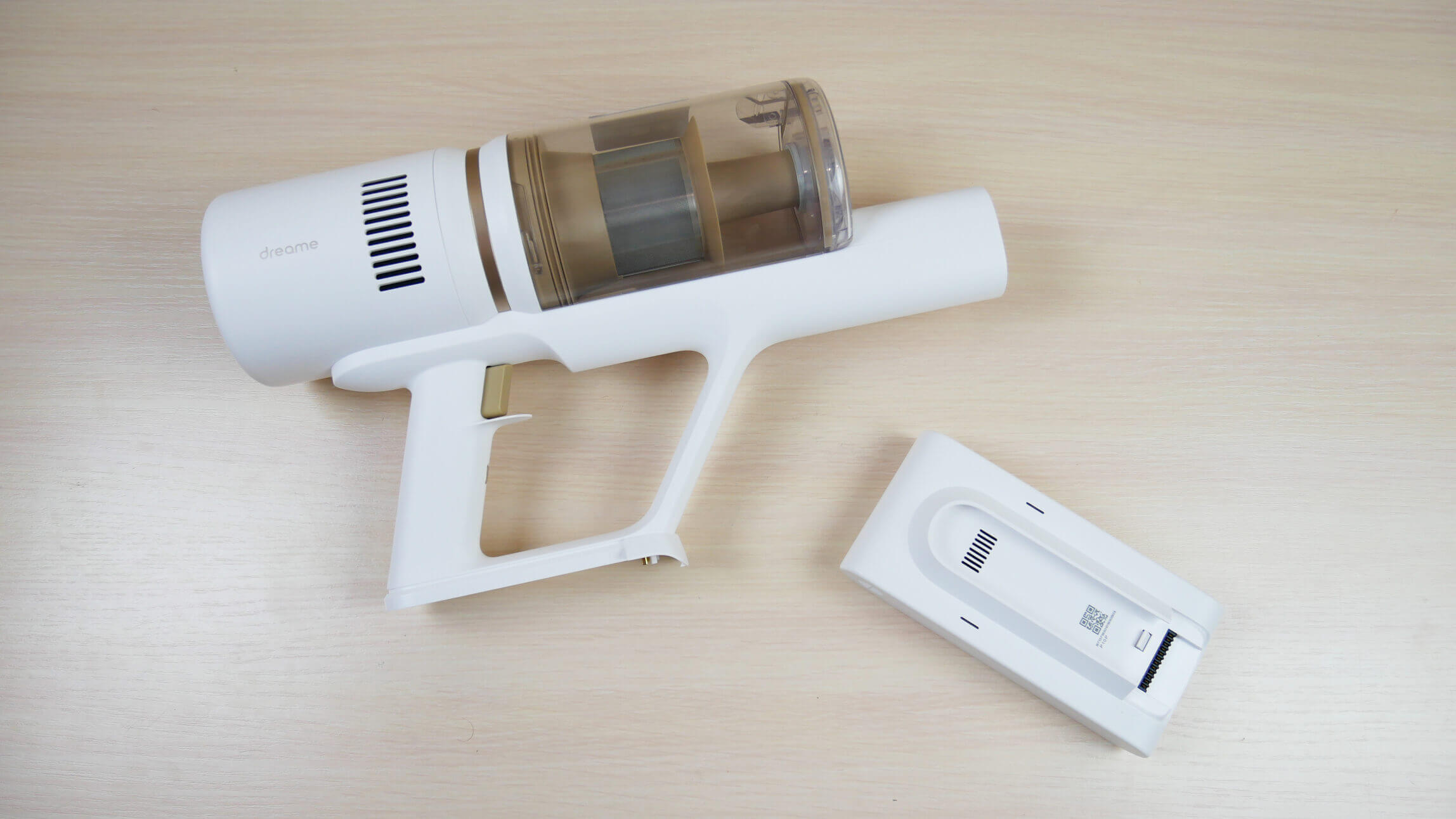
Removable battery
Ease of cleaning the dust container should also be considered when choosing. You'll likely need to clean it after every cleaning. The dust container can be emptied by pressing a button on the body, which opens the bottom and allows the debris to fall out. However, it would be better if the dust container could be completely removed from the main unit. A removable dust container is incredibly convenient, both for easy cleaning and for periodic cleaning of the flask itself, the walls of which can become heavily soiled during use.
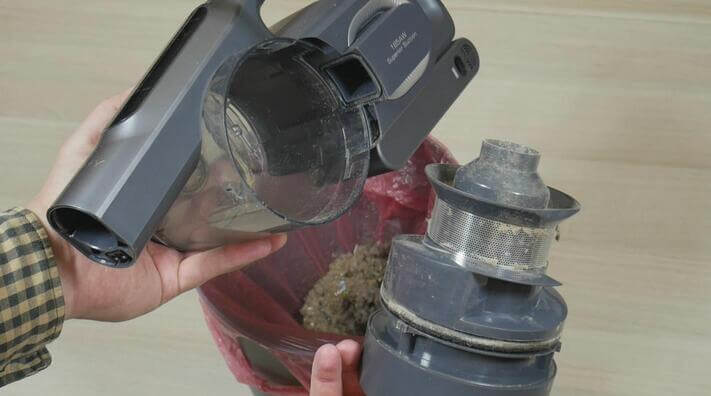
Cleaning the dust collector
Illumination of the cleaning area is a feature that many find incredibly useful. It illuminates a small area in front of the main nozzle, highlighting debris on the floor. This makes cleaning easier and improves the quality of debris collection. It's less likely to miss something on the floor.
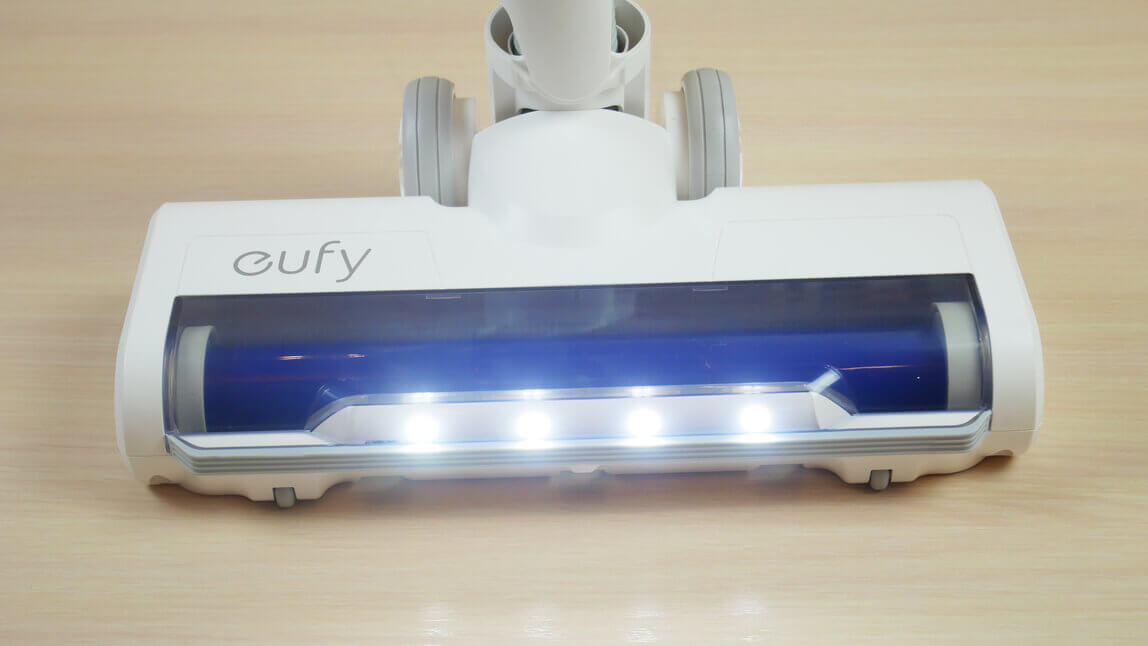
LED backlight for floor brush
To ensure convenient and comfortable operation of your vacuum cleaner, it's important to have a locking feature when it's turned on. If it's activated by a trigger, it's important to have one. Otherwise, you'll have to hold the trigger down with your finger the entire time you're cleaning. And after 15-30 minutes of cleaning, your finger will definitely get tired.
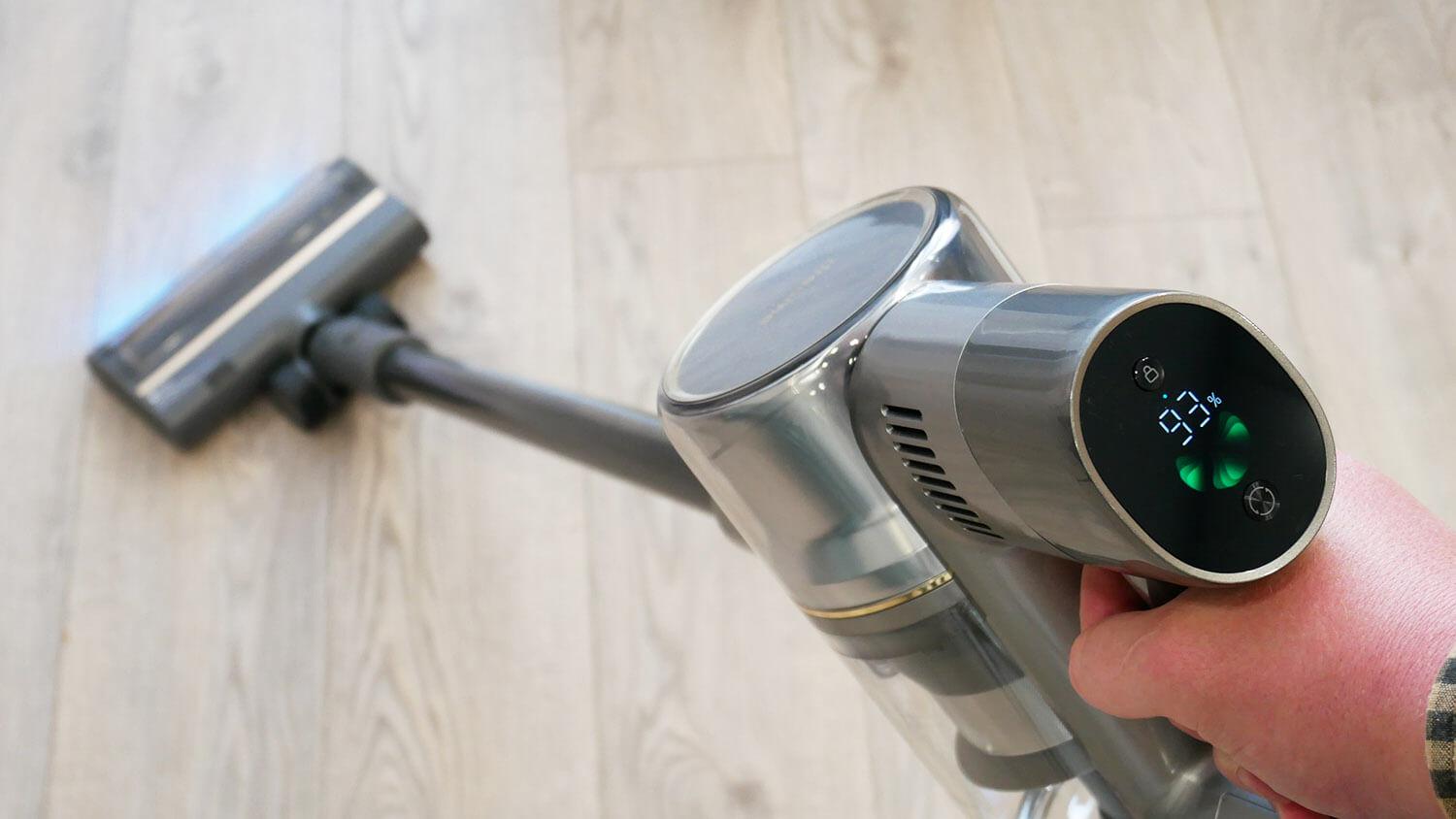
Control without holding the button
When choosing a stick vacuum, many people pay attention to the weight listed in the specifications. Here again, manufacturers are being disingenuous, stating the weight of the main unit is around one and a half kilograms. But add in the extension tube, which weighs 300 grams, and the main nozzle, which weighs around 800 grams, and the figures are quite different.
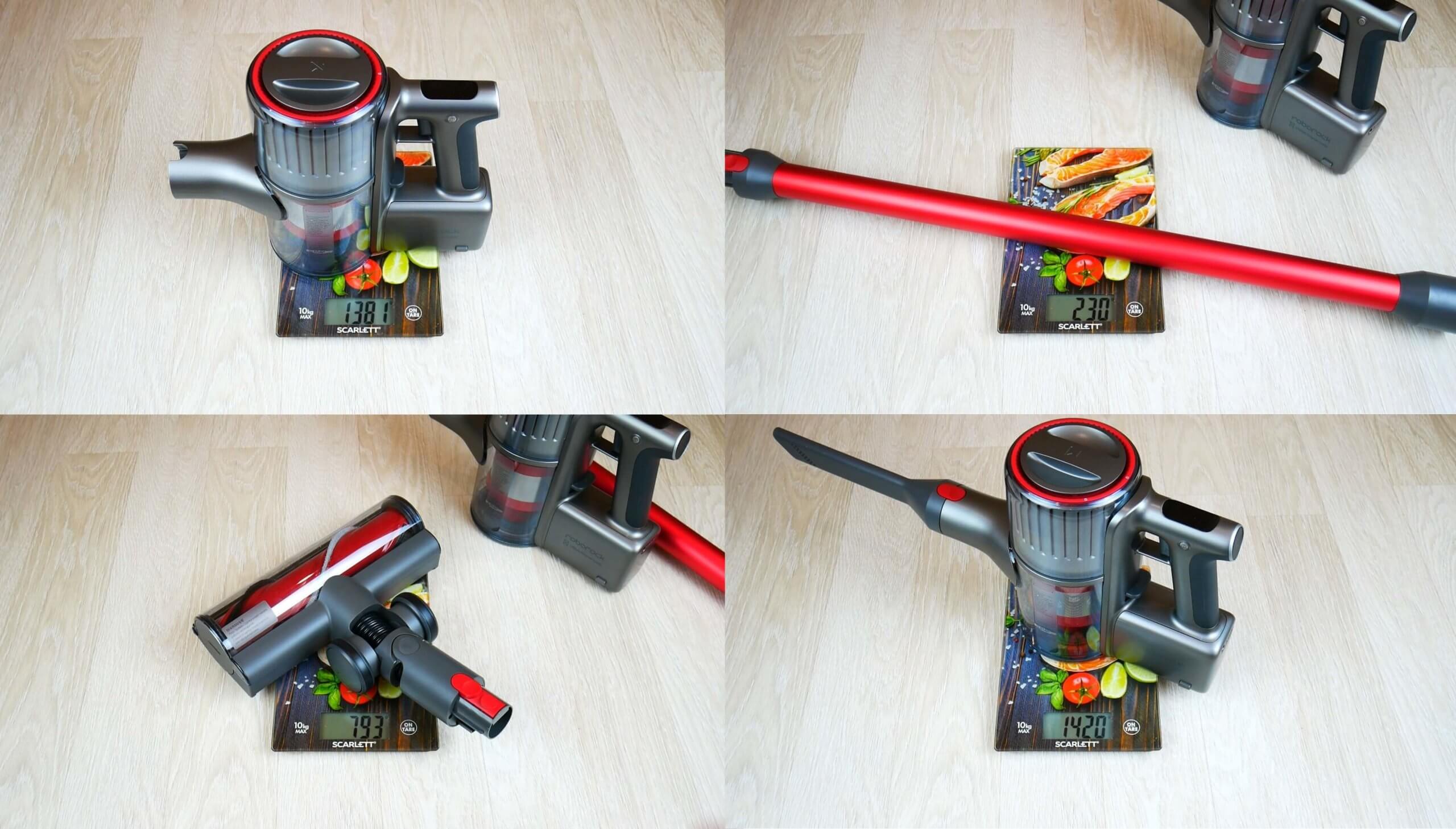
Weight
In practice, a light upright vacuum cleaner is considered to be one weighing 2.5 kg or less. Typically, these devices weigh between 2.5 and 2.7 kg. Heavy upright vacuum cleaners are generally considered to be those weighing over 3 kg. A woman's hand will notice a difference of half a kilogram, especially over a cleaning session lasting about half an hour. But this is debatable. The way the engineers distribute the center of gravity is also important. A heavy vacuum cleaner can literally glide across the surface, and you won't even notice it in your hands. A light one, on the other hand, can be designed in such a way that you have to constantly lift it and adjust its angle, turning cleaning into a workout.
It's great if your upright vacuum cleaner supports vertical parking outside of its wall mount. For example, if you're cleaning and suddenly need to pick something up or move it, you can simply park it vertically and leave it there to avoid placing it on the floor or leaning it against walls or furniture, which could cause it to fall. Unfortunately, not many models support vertical parking, but those that do are definitely worth considering.
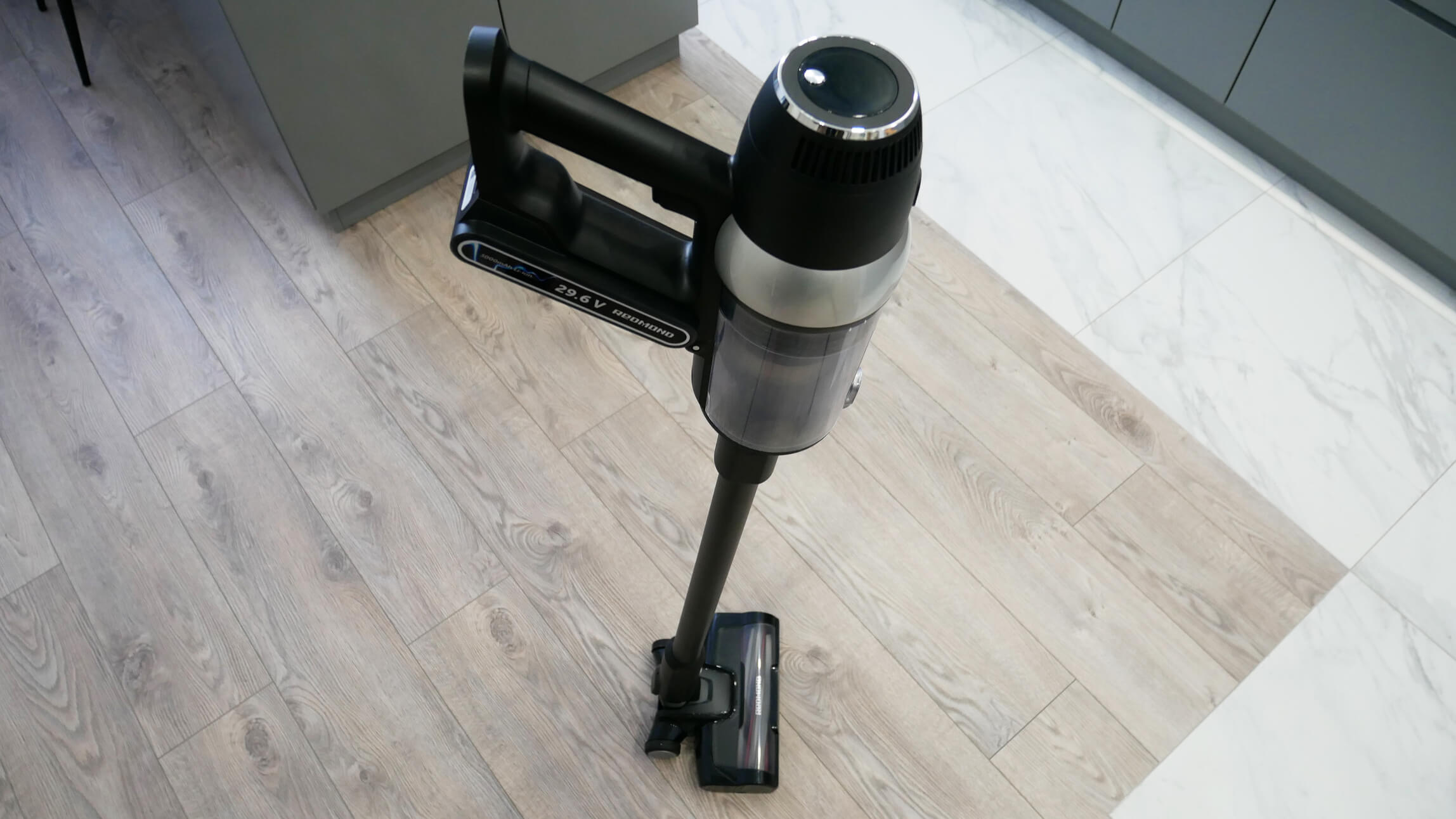
Vertical parking
An on-screen display is another useful feature, which, if implemented correctly, can be very convenient. The display can show the battery charge, the remaining operating time in the selected mode, service messages with error codes, and other useful information. However, if the display simply indicates the operating mode, it's of little use and not worth the extra cost.
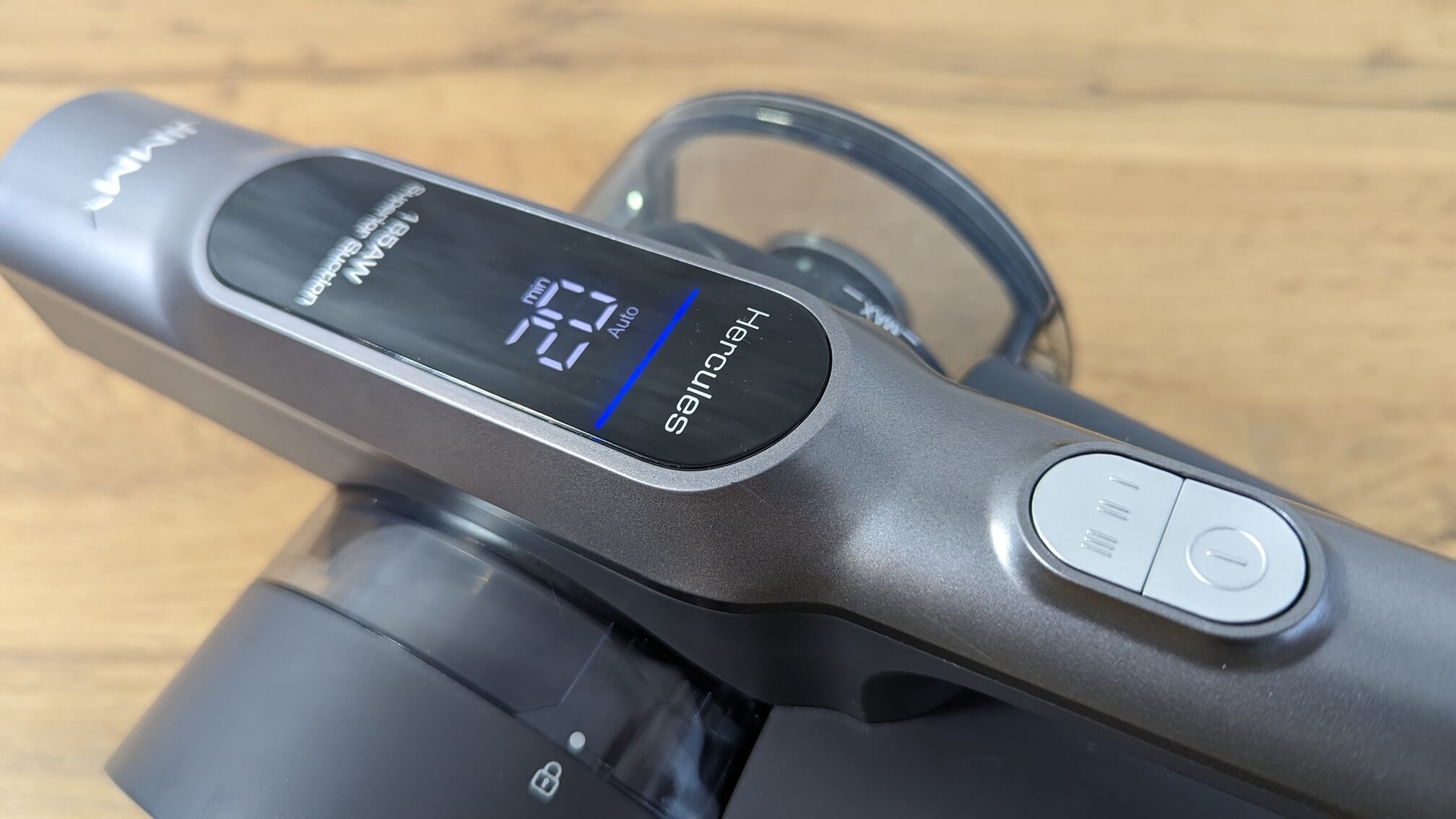
Display
The availability of accessories and spare parts is indirectly related to the manufacturer's customer service and market presence. Therefore, when choosing an upright vacuum cleaner, even from a relatively well-known manufacturer, immediately check where you can order spare parts and consumables, their cost, and whether they are even in stock. Sometimes, even reputable brands cannot fully supply customers with all the necessary consumables, meaning that if a breakdown occurs, you'll have to find alternatives or search for remnants, which is both time-consuming and cumbersome.
Quality of manufacture plays a significant role. The less play there is out of the box, the smoother the locking mechanisms, and the easier the rollers rotate, the more enjoyable the vacuum cleaner will be to use and the longer all these components will last. Hear the rustling of bearings or notice that the folding arm is loose in your new vacuum cleaner? It's best to replace it, or at least take it to the store to determine if it's defective. And again, read reviews from real owners, preferably after a few months of use. They're very helpful if you have any doubts.
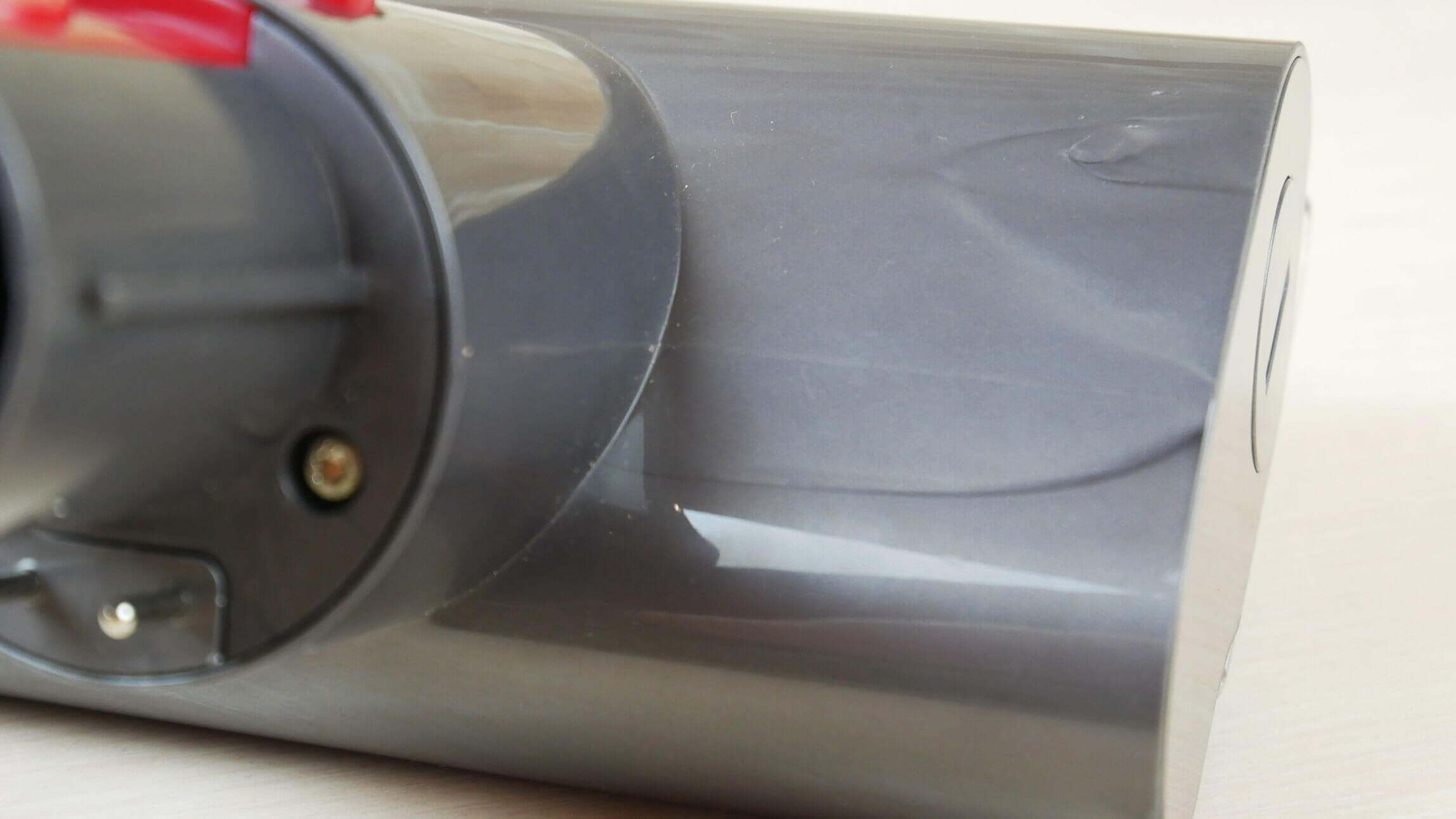
Paint drips
And finally, blind spots. The main attachments of some vacuum cleaners are poorly designed. In some cases, the cleaning area illumination lights extend beyond the edges of the housing, preventing the roller from picking up debris and dust right up against baseboards and furniture. In others, the roller itself is positioned not at the edge of the housing, but a few centimeters away. Some vacuum cleaners are completely incapable of picking up debris in corners, leaving a blind spot of several centimeters. This is a very unpleasant situation, and one that should be taken into account when choosing an upright vacuum cleaner.
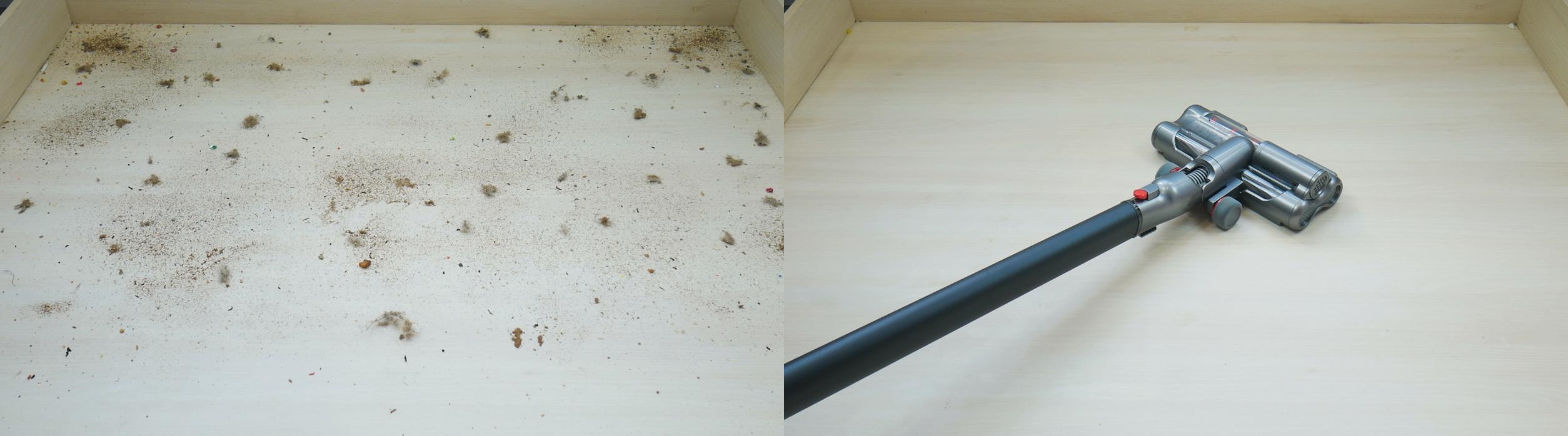
Collecting debris on laminate flooring
Watch the tests and study the design carefully. It's best if the roller extends beyond the attachment at the front. This way, it will definitely capture debris and dust in front of it.
So, we've covered some tips for choosing an upright vacuum cleaner for your home. I'm not saying a vacuum cleaner must meet all the recommendations. The perfect model isn't on the market yet. But by familiarizing yourself with all the nuances, you'll be able to identify the most important ones and make the right choice based on that.
Finally, I recommend watching this video, which clearly shows what you need to pay attention to when choosing a good upright vacuum cleaner in 2023:
If I missed any points, please let me know in the comments what else you recommend. Happy shopping, everyone. Bye!