Which robot window cleaner is better: square or round, with or without a sprayer?
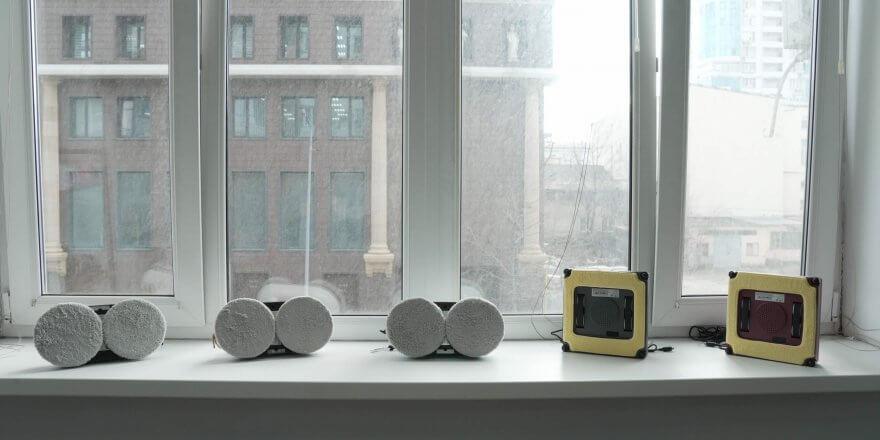
In this review, I decided to answer a very popular question: "Which window cleaning robot is better: round or square, and with or without a sprayer?" The fact is that there are a huge number of window cleaning robot models on the market, and the devices themselves are virtually identical in both price and functionality. The main difference is the shape of the cleaning cloths and the presence of a water spray function. Using the Dadget line of window cleaning robots as an example, namely the models W100, W120, W200, R100 And R200 I'll demonstrate the differences between the most popular cleaning module types in a comparative test. Afterward, I'll share my opinion on which one is better. So, let's get started!
The test was conducted under identical conditions. I used a four-pane window for this purpose. All the glass panes were in the same condition, as the window was last cleaned six months ago in the fall.
In total, we have 4 types of robots:
The first is with round cloths without a water spray. In the Gadget line, these are the W100 and W120 models. They have identical cleaning modules, so I chose the updated W120 model for my test.
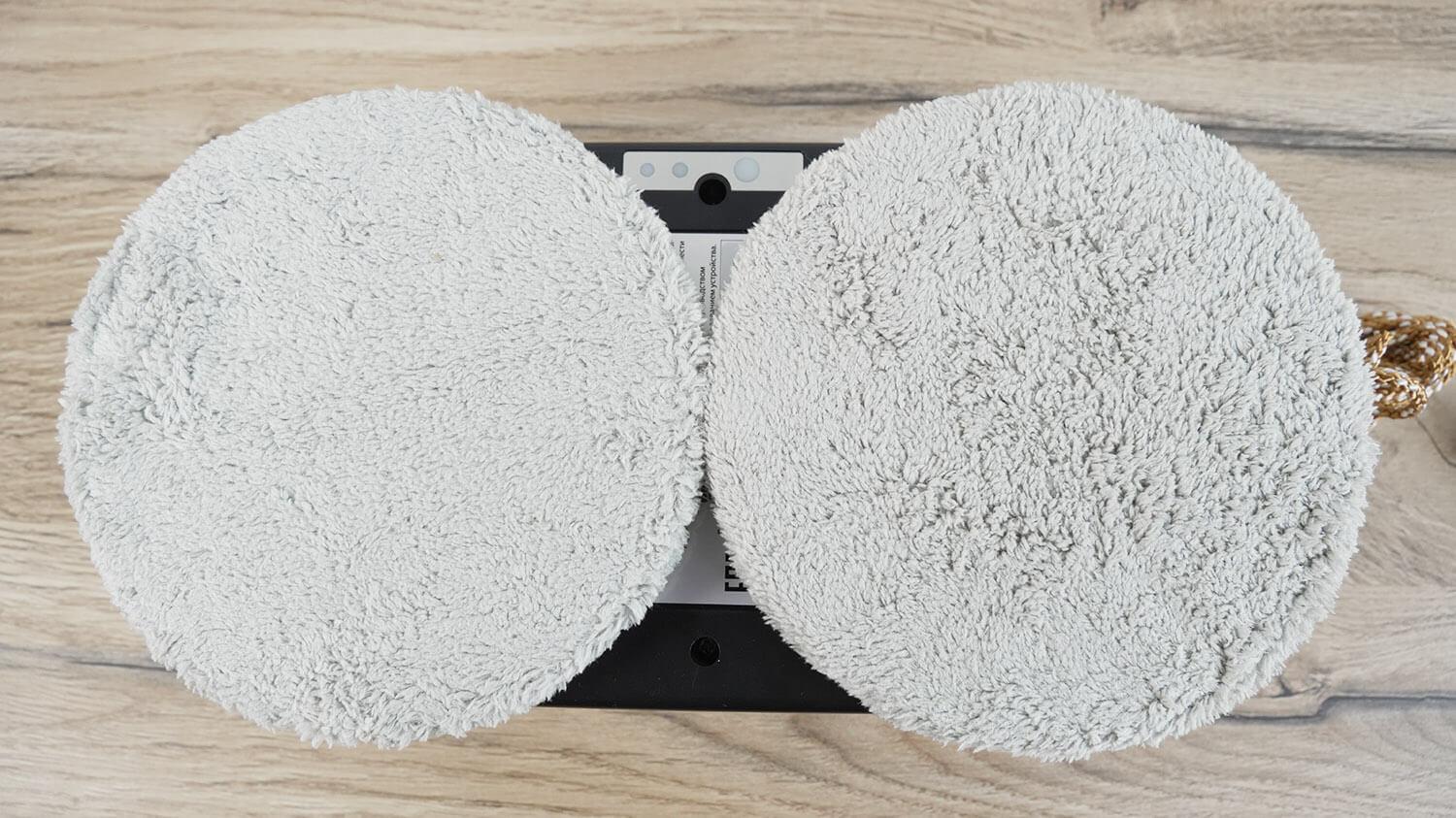
Robot window cleaner with round cloths without a sprayer
The second option is a robotic window cleaner with round cloths and a water sprayer. This is the Gadget W200.
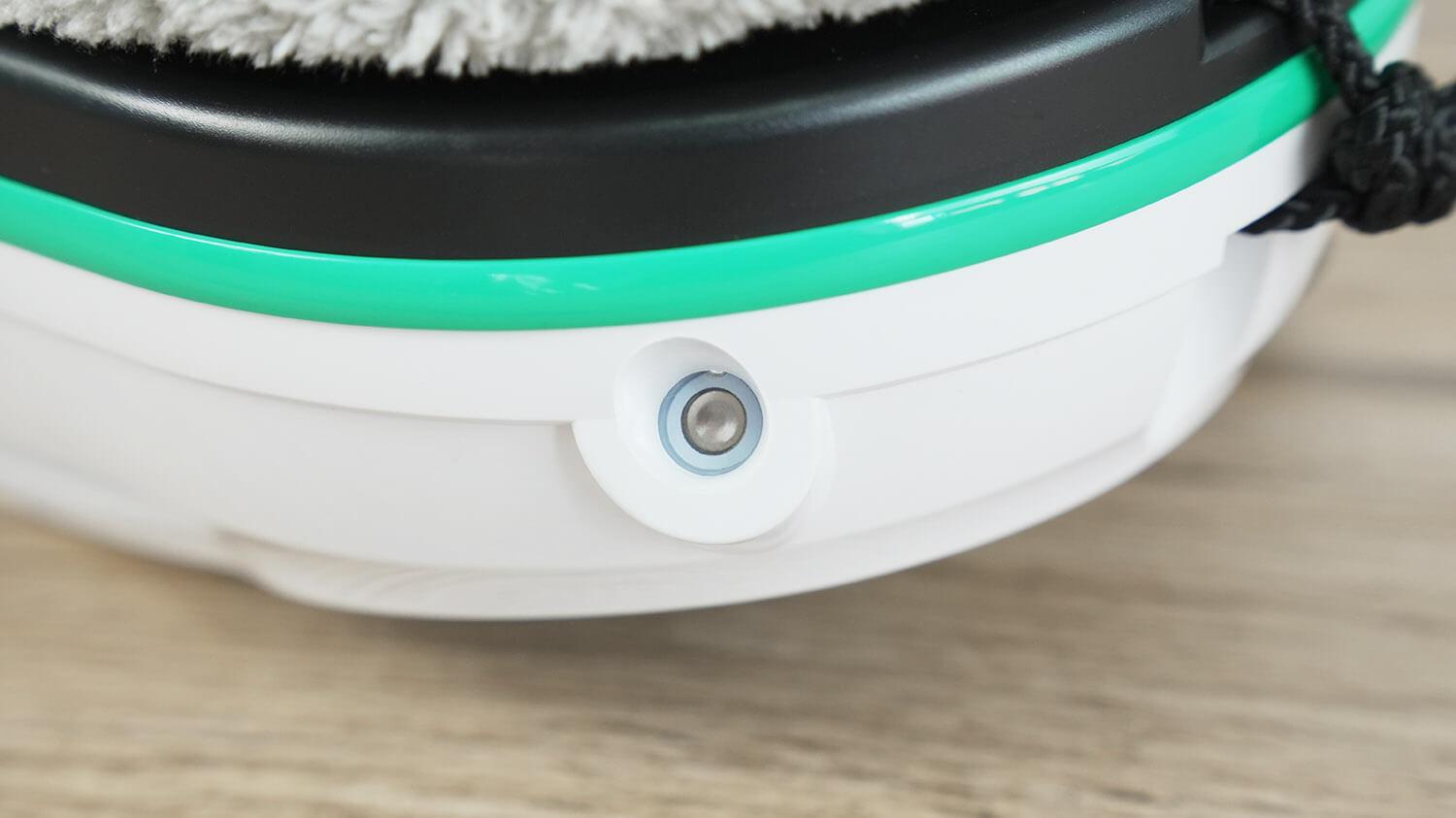
Robot window cleaner with round cloths and water spray
The next type of robot is a square one without a water spray. This is the R100.
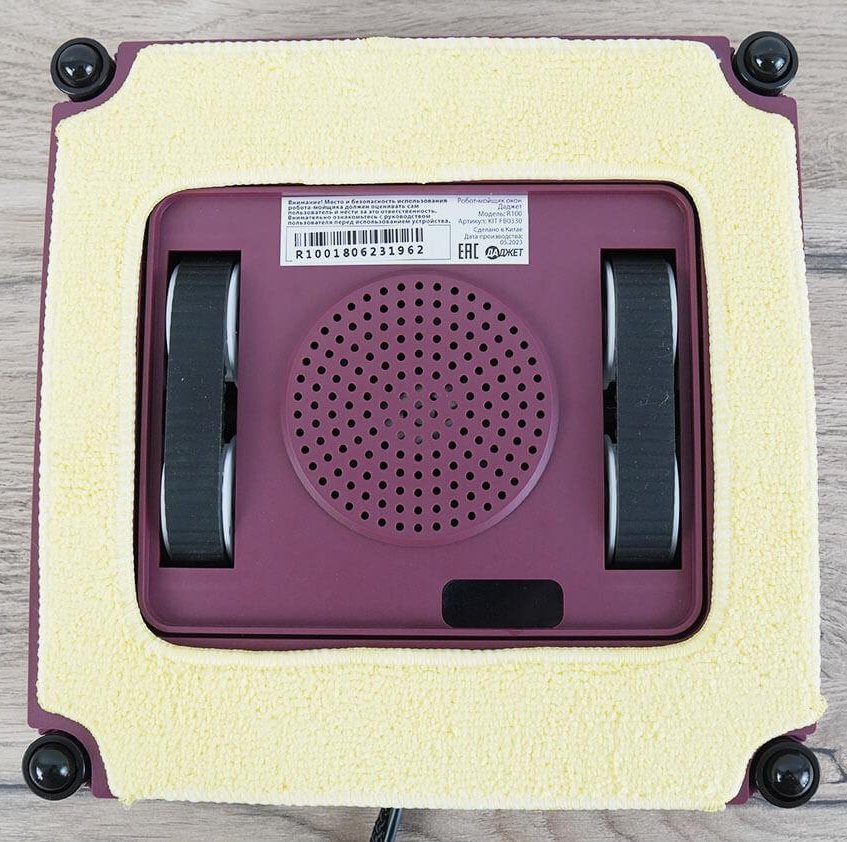
Robot window cleaner with a square cloth without a sprayer
And finally, a square window cleaning robot with a sprayer. Also known as the R200.
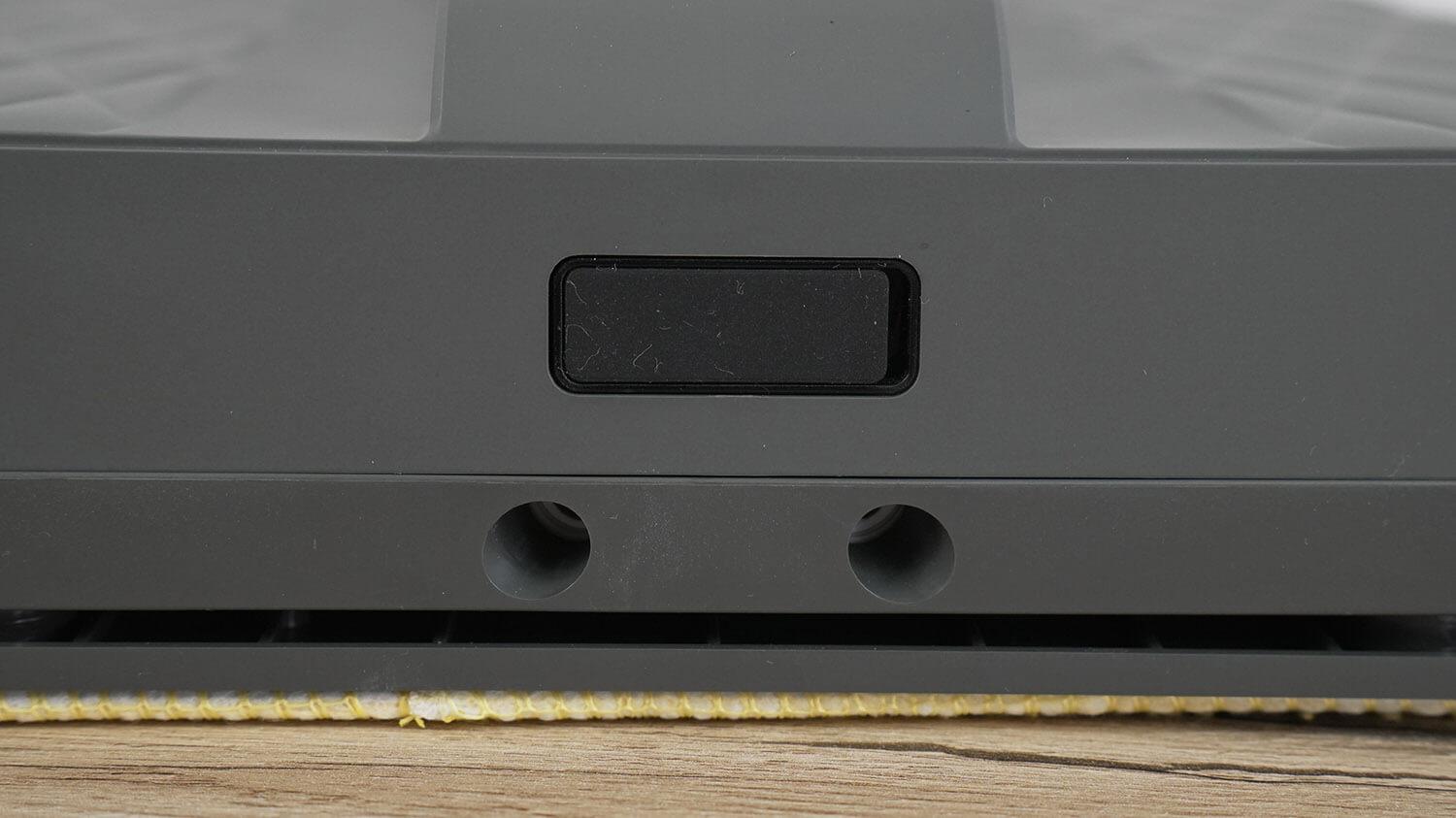
Robot window cleaner with a square spray cloth
So, the first time I ran all four robots with dry wipes. I disabled the spray function on the models with water, so they would first wipe the windows dry, as recommended in the instructions. We see that the window cleaning robots with round wipes remove dirt significantly better than the square ones. This is their main advantage. The second time, I sprayed a little water on the wipes of all the robots, again, as recommended in the instructions. I enabled the spray function on the models with automatic water supply. And you can see that after the second pass, the window cleaning robots with round wipes still performed better. The square ones were still unable to completely remove the dirt. Moreover, the Dadjet R100, the square one without the spray function, left even small streaks.
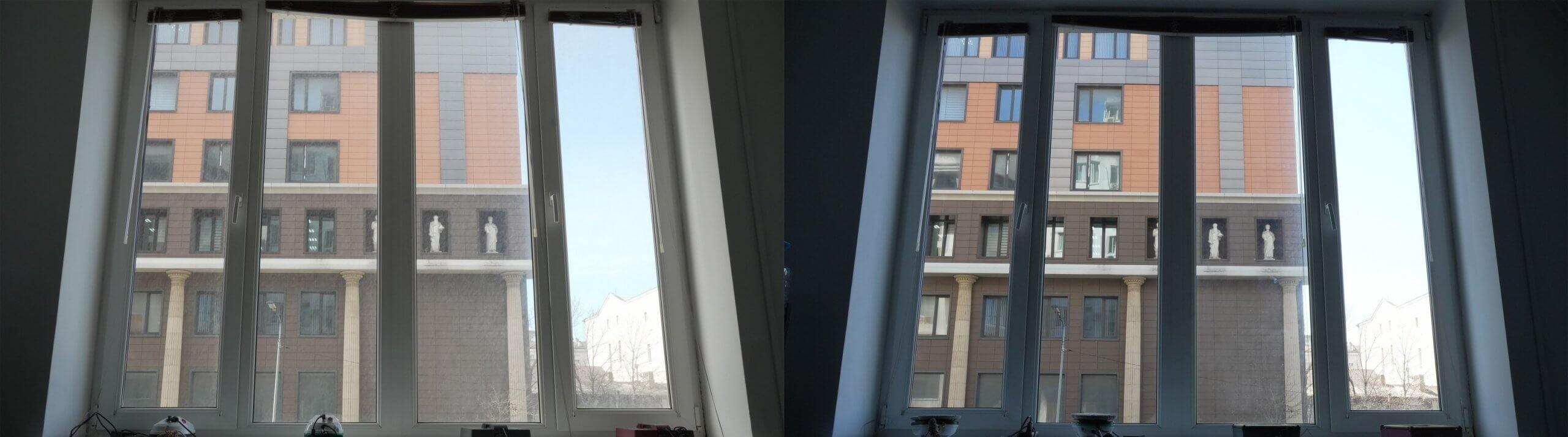
Before and after window comparison
You can watch a detailed comparative test in our video:
So, ultimately, I can say that robotic window cleaners with round cloths perform their primary function better. Moreover, the water spray feature actually improves the quality of window cleaning, especially for larger windows. Firstly, the cloths themselves stay moist longer. Secondly, dirt is washed away by spraying water onto the surface. And thirdly, during a test run on a clean window with clean cloths, if you use a special cleaning solution, the robot will remove remaining streaks better than its counterpart without a spray feature.
I'll highlight a few more important points when comparing robotic window cleaners of different designs. Square robots actually move faster across surfaces than round ones. Perhaps for some, window cleaning speed will be a priority when choosing a robotic window cleaner, for example, if the task is to quickly clean large windows.
Round window cleaning robots have a slightly larger blind spot in the corners, which they cannot clean. Square window cleaning robots also have limited corner cleaning performance due to sensors located in the corners. However, the blind spot is still slightly smaller.
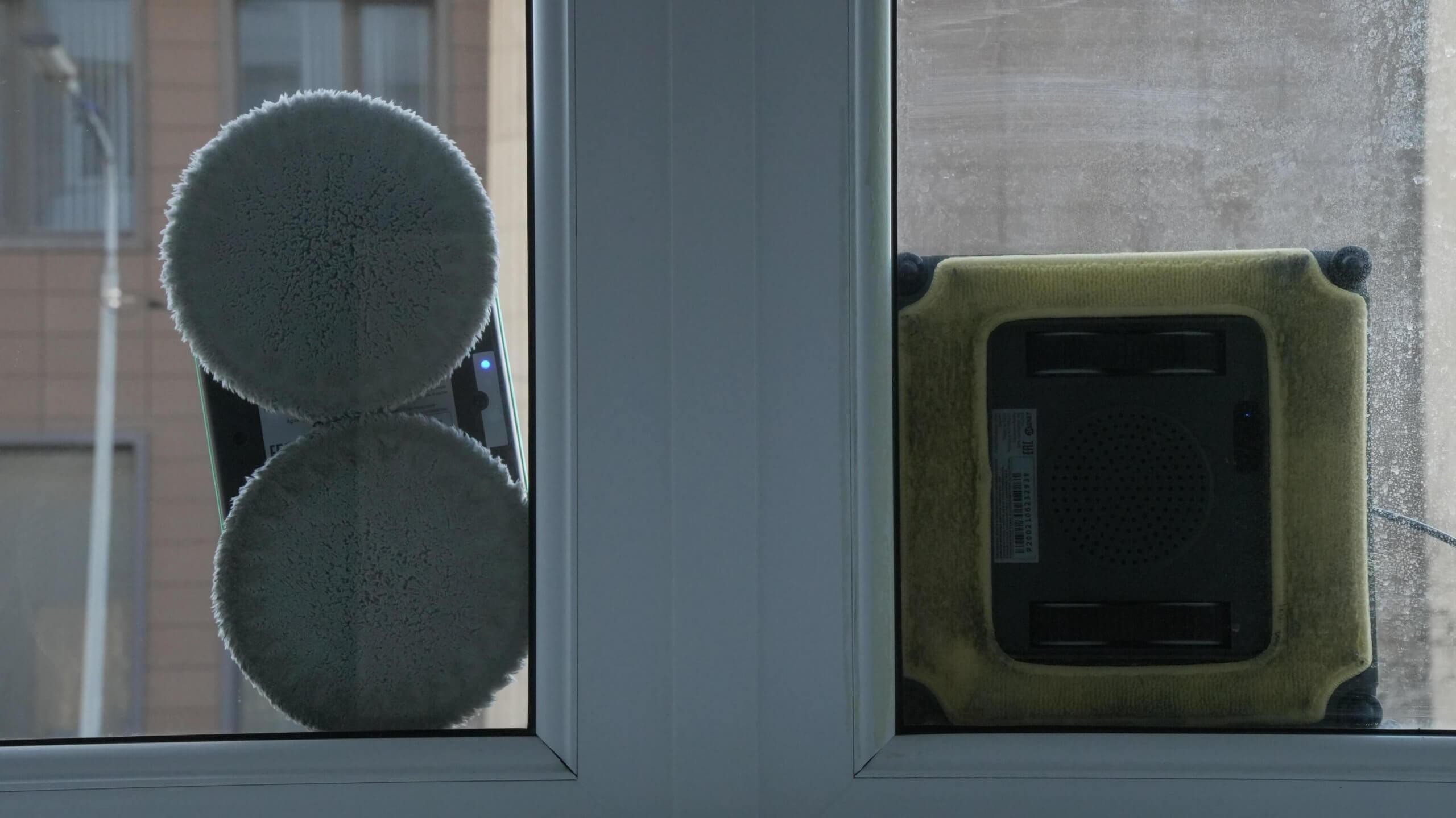
Blind spot in the corners of the square and round robots
However, square robots can leave thin, unwashed streaks along the frames if the cloth is not positioned correctly along the edge. This is important to keep in mind.
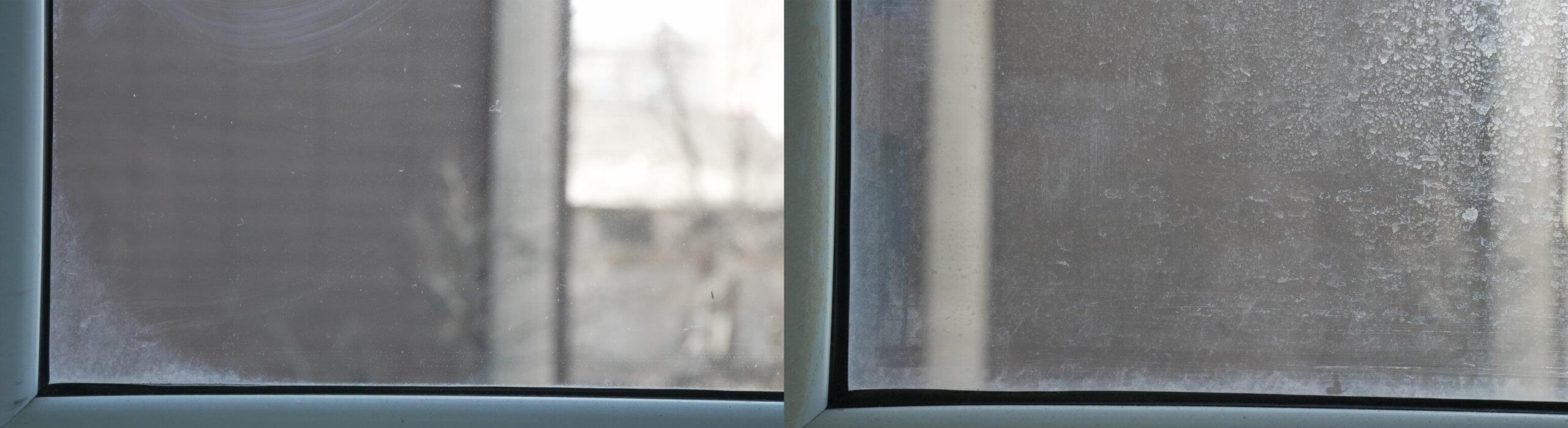
Comparison of corner cleaning quality by robots
I'd like to add that oval-shaped robots with round cloths are generally more compact and maneuverable, and therefore suitable for use on narrow windows. Not all square-shaped window cleaning robots are suitable for this purpose.
And finally, there's the final detail: cleaning frameless surfaces. Even in testing with the Dadget line of window cleaning robots, all five were able to clean a frameless mirror without tipping over. However, manufacturers do not recommend using such devices on frameless surfaces. Some brands do allow their robots to be used on frameless windows, but only on square ones, which have more sensitive vacuum sensors installed in the corners. In this regard, some square robots have a slight advantage over round ones.
So, what's the bottom line? Based on my testing results, I would rank the window cleaning robots from best to worst in the following order:
- Robot window cleaner with round cloths and water spray (Dadget W200).
- Robot window cleaner with round cloths without spraying water (Dadget W100/W120).
- Robot window cleaner with square cloth and water spray (Dadget R200).
- Robot window cleaner with a square cloth without spraying water (Dadget R100).
I'd like to point out that other types of cleaning modules exist, such as moving platforms and rotating rollers, but these are rare and more unique models that offer window cleaning performance comparable to robots with round cloths. They simply reach a little deeper into corners to remove dirt.
As mentioned, most window robots are available in four tested designs, and through a demonstration test, I explained the differences and which one is best. I hope you found this information useful and interesting! That's all I have to say. Happy shopping, everyone. Bye!