Xiaomi Roborock S4
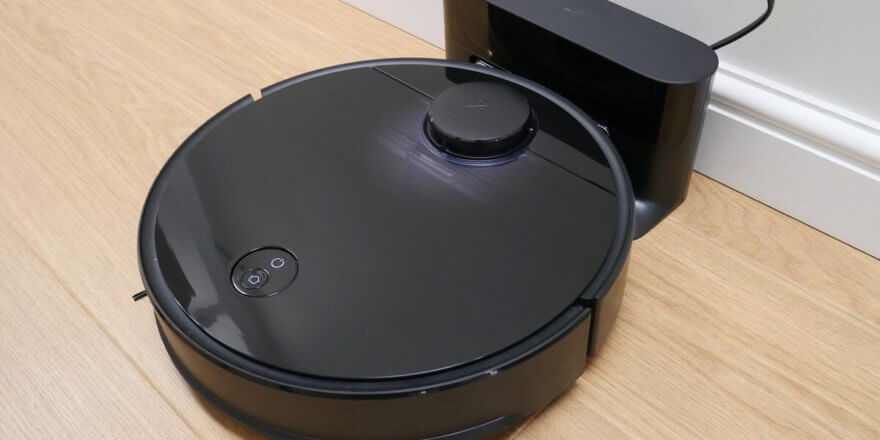
Roborock is a rapidly growing high-tech company specializing in the production of smart robotic vacuum cleaners for the home. The company produces products both under its own brand and for the renowned Chinese manufacturer Xiaomi. In this review, we'll look at the new Roborock S4 (T4 in China), which features several improvements over its predecessors. S5 And S6The robot vacuum cleaner primarily features a new design with a translucent cover. Additionally, the device is now more maneuverable and better able to navigate tight spaces. Navigation has also been slightly improved, and a Roborock app has been developed to replace the previous Mi Home app. Below is an overview of the Xiaomi Roborock S4's specifications and features.
Equipment
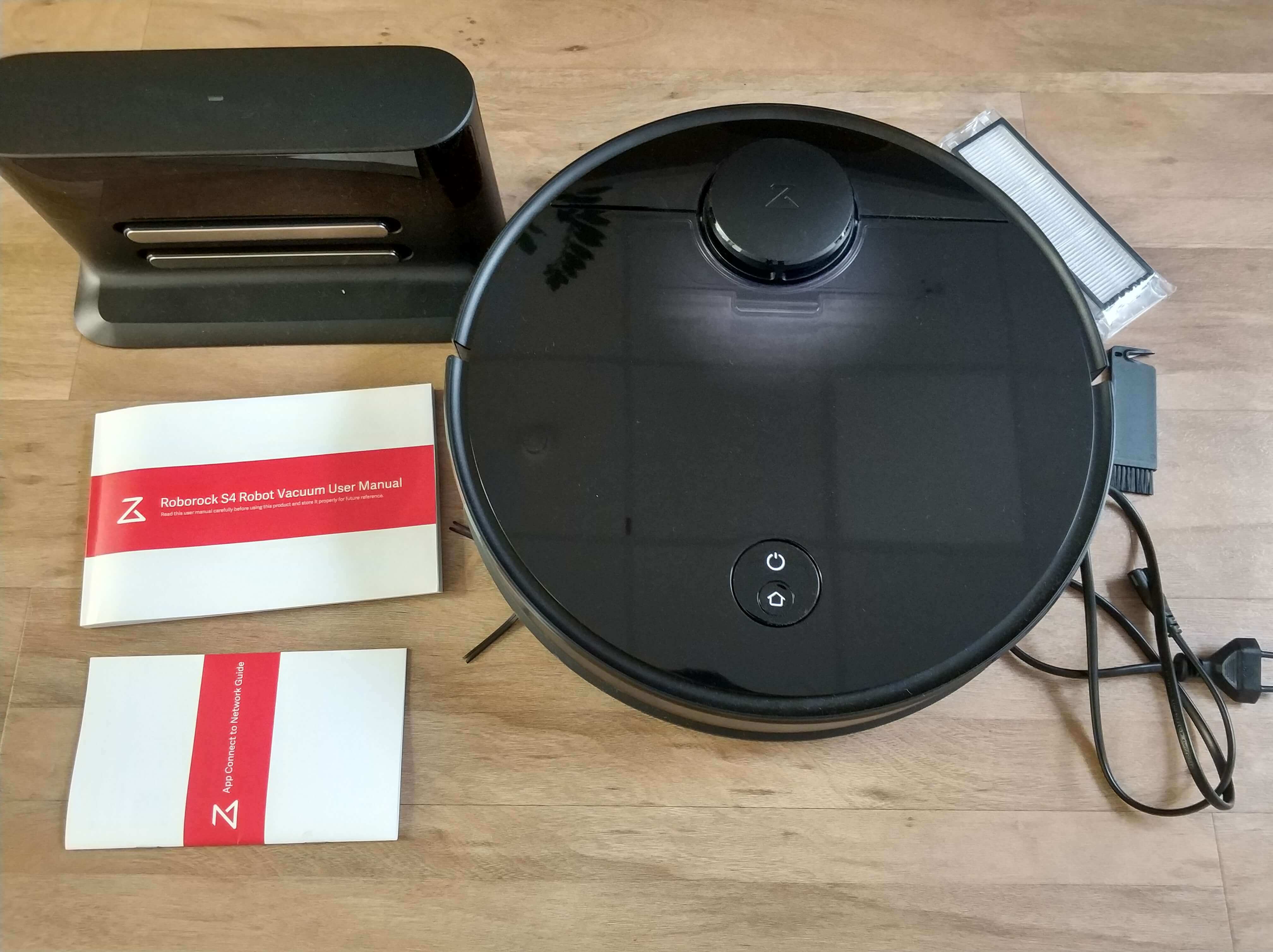
The Xiaomi Roborock S4 package includes:
- The robot vacuum cleaner itself.
- Docking station.
- Charging cable.
- Brush for cleaning the robot.
- Spare filter.
- Operating instructions in 5 languages.
Equipment
Appearance
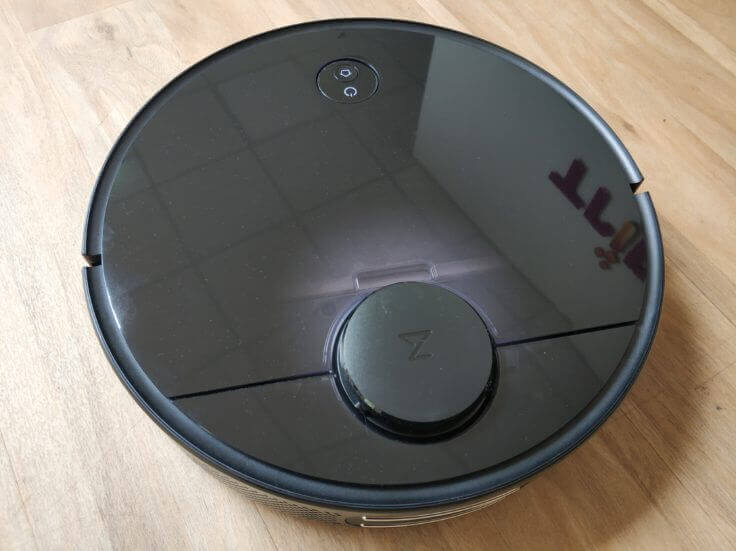
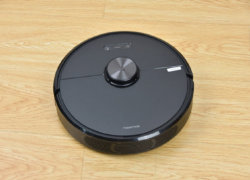
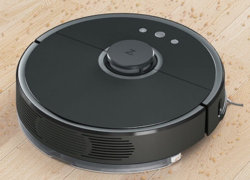
The manufacturer deserves credit for its unique appearance compared to similar devices on the robotics market. This is because the Xiaomi Roborock S4 features a translucent cover, giving it a unique and fresh look. The body is black. Despite its minimalist design, the glossy finish still shows dirt easily and requires maintenance.
The controls on the robot's top panel have also been redesigned: instead of separate buttons, there's now one large button divided into two sections. The first section turns the robot vacuum on and off, and the second section sends it to the docking station.
Top view
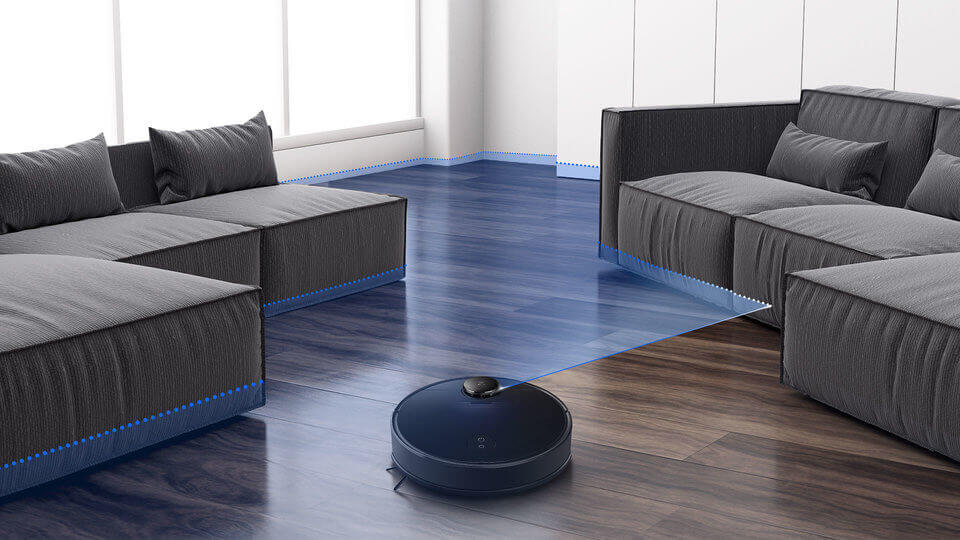
The first thing you notice when looking at the body is the turret with a LiDAR (light-dispersive airborne sensor) sensor, which accurately detects the location and shape of objects and creates an efficient cleaning route. The Xiaomi Roborock S4 also features 12 types of sensors around its perimeter to prevent collisions and falls from heights.
Bottom view
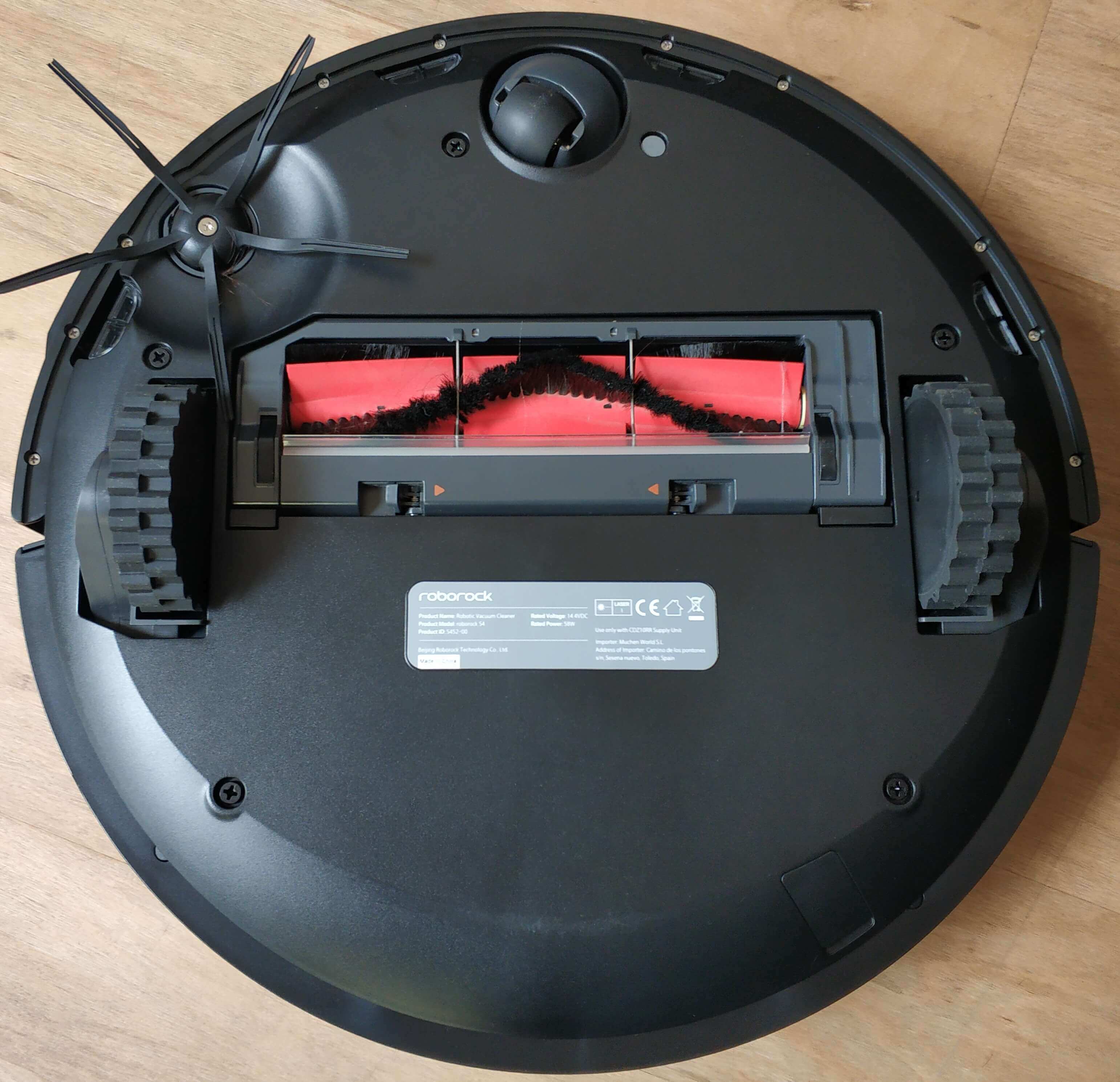
The robot vacuum's main brush features dense bristles and a detachable design with removable tips to prevent tangling. This makes cleaning hair and fur easier. The side brush is rubber and comes in a single piece.
The charging base has also undergone exterior changes. The robot itself now has contacts on the side, rather than the bottom, as on its predecessors. The base has also become smaller.
Technical specifications
We've summarized the Xiaomi Roborock S4's specifications in a table:
| Type of cleaning | Dry |
| Power supply | Li-Ion battery, 5200 mAh |
| Opening hours | 150-180 minutes |
| Charging time | 300 minutes |
| Cleaning area | Up to 250 m2 |
| Suction power | 2000 Pa |
| Overcoming obstacles | 15 mm |
| Dust container type | Cyclone filter (bagless) |
| Dust collector capacity | 420 ml |
| Dimensions | 354x350x96 mm |
| Weight | 3.8 kg |
| Noise level | 50-65 dB (depending on suction power) |
Functional capabilities
The robot vacuum cleaner is equipped with an updated transmission and is able to free itself from narrow openings and successfully navigate around furniture without touching it.
Navigation
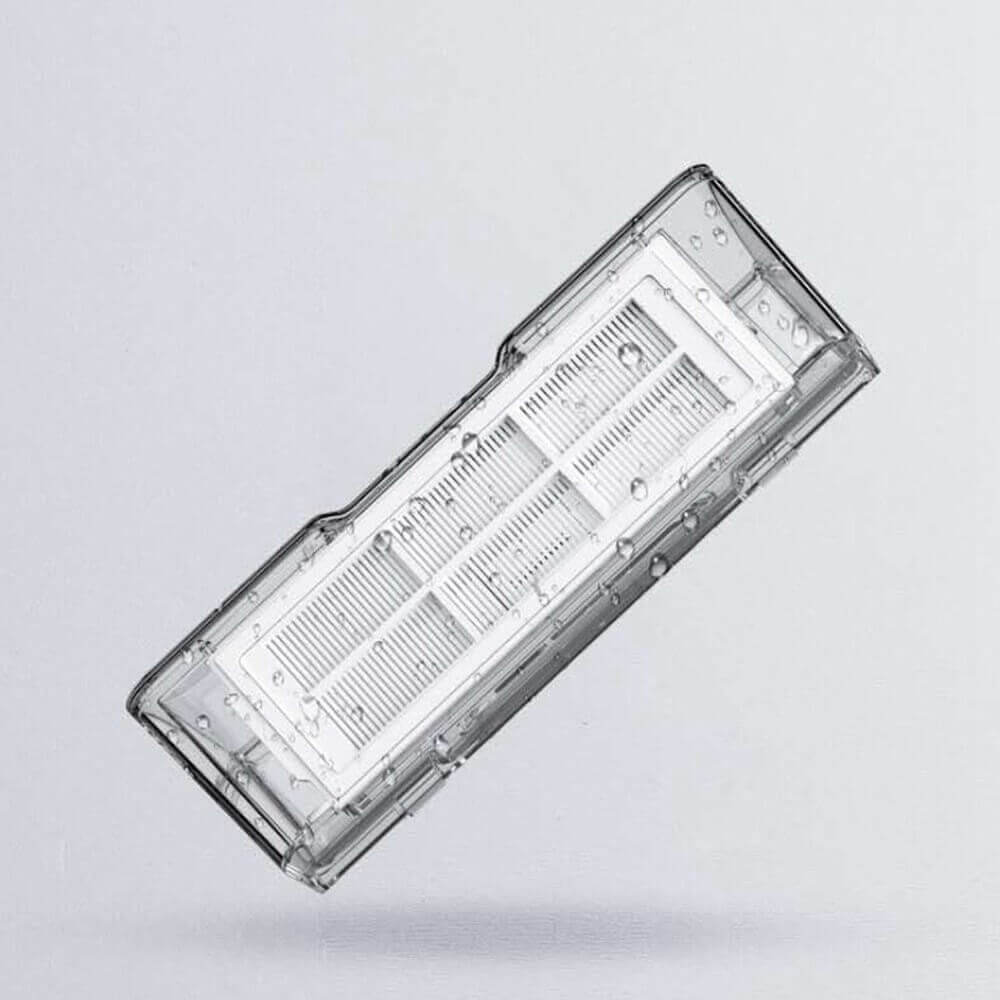
The device cleans with a central brush and one side brush, which collect debris in the center and direct it through a suction channel into the 420-milliliter dust bin. The dust bin is equipped with a class E11 HEPA filter. It even traps mold, dander, and other allergens. The filter is easy to clean and rinse under tap water. However, it's important to dry it thoroughly before reuse.
Washable HEPA filter
The Xiaomi Roborock S4 robot vacuum cleaner is best suited for use in rooms with or without thin carpeting. It excels at cleaning smooth hard floors and low-pile carpets. Its 2000 Pa suction power ensures fast and effective removal of dust particles from the floor surface and from crevices. The following suction power modes are available:
- quiet (50 dB, 1200 Pa);
- balanced (55 dB, 1400 Pa);
- turbo (60 dB, 1800 Pa);
- max (65 dB, 2000 Pa).
One of these modes can be selected in the new proprietary app for Android and iOS, called Roborock, developed specifically for this model to replace Mi Home. The app has become much faster and more user-friendly, and is constantly being improved, with new features added and bugs fixed.
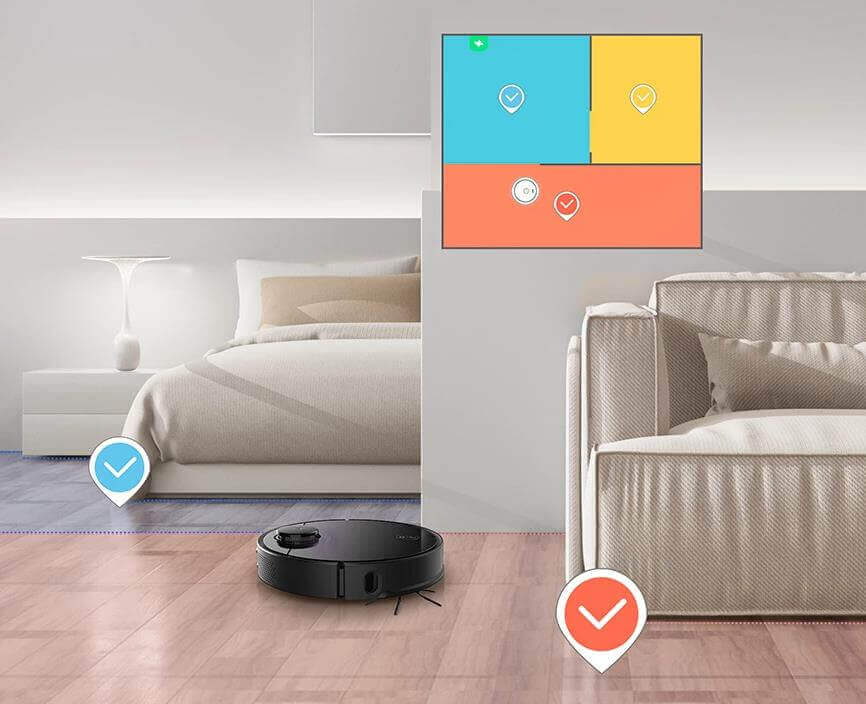
Here you can monitor the robot vacuum cleaner's performance online, zone cleaning and set restricted areas, customize map settings, divide the room into separate rooms, and check the cleaning history. Incidentally, the Xiaomi Roborock S4 can store up to three maps.
Zoning of premises
Advantages and disadvantages
To conclude this review, we'll highlight all the pros and cons of the Xiaomi Roborock S4 robot vacuum cleaner.
Pros:
- Unique design.
- Competitive characteristics.
- Modern, reliable navigation and cartography.
- Several suction modes.
- New convenient mobile application.
- Working with Amazon Alexa.
- Washable HEPA filter E11.
- Disassemblable design of turbo brush.
Cons:
- Dry cleaning only.
- One side brush.
- The obstacle clearance is lower than that of its predecessors.
Overall, considering the robot vacuum costs around $220, the specifications and features are quite interesting. The robot's price is on par with the Roborock S50 or Viomi V2, but there's no wet cleaning. However, new features include an updated central brush, a washable HEPA filter, and the ability to divide the room into rooms for more flexible cleaning options.
In my opinion, if you choose a robot only for dry cleaning, it is better to stop at the model Xiaomi Mi Vacuum Cleaner 1S With lidar and camera navigation, it offers better maneuverability and slightly more accurate navigation. However, this robot is also interesting in its own way, making it a similarly priced alternative.
Finally, we recommend watching a video review of the Xiaomi Roborock S4:
We also recommend checking out a comparison of Xiaomi robot vacuum cleaners:
Analogues:
- iRobot Roomba e5
- Xiaomi Mi Robot Vacuum Cleaner
- LG VR6570LVMB
- Okami T90
- Samsung VR10M7030WG
- Ecovacs DeeBot D710
- Philips FC8778 SmartPro Compact
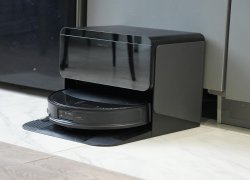
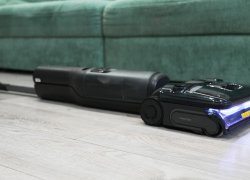
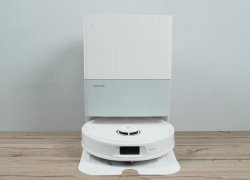
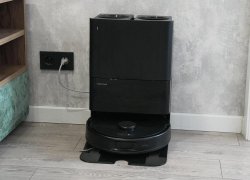
I understand that, like other Xiaomi models, we shouldn't expect any components for it within the next year. If something breaks, you'll either throw it away or buy it outright, ignoring the warranty. I'd also be interested to know how it fares against the usual Xiaomi teething problems—a fear of dark spots, lidar malfunctions, and poorly designed motion logic.