3 Reasons NOT to Buy a Xiaomi Robot Vacuum Cleaner: Debunking the Myths
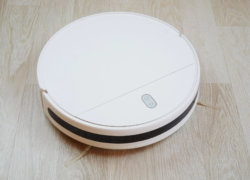
An article was recently published about 7 Reasons to Buy a Xiaomi Robot Vacuum Cleaner, including all the well-known sub-brands, namely Roborock, Viomi, Mijia, Dreame, and Xiaowa. It generated interest among the audience, but at the same time, questions arose about the shortcomings of this brand's robots, if any at all. The website's editorial team robovac.washerhouse.com After analyzing online reviews and drawing on my own experience testing Xiaomi robots, I decided to identify three common reasons that can put potential buyers off products from the popular Chinese company. Or, more simply, the shortcomings of Xiaomi robot vacuum cleaners. Let's look at them one by one.
In fact, over time, we even identified 5 reasons, which we discussed in the video review:
There is no remote control included
In fact, this is the only and most important drawback Xiaomi robots, which is why they are often overlooked. Although these robots are among the most functional and advanced in terms of navigation, without Wi-Fi, all their advanced functionality becomes unavailable.
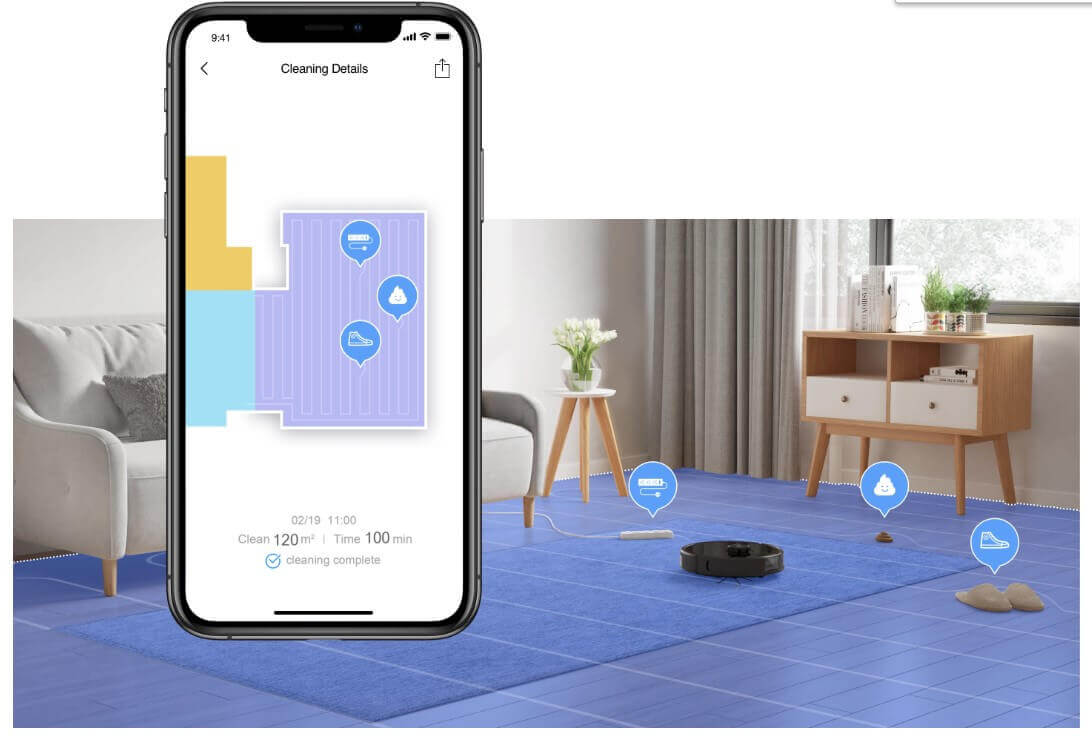
For any advanced user looking to simplify their life with smart gadgets, this drawback will be completely irrelevant, as having a Wi-Fi network in the home is simply essential for modern life. But when it comes to buying a robot vacuum for elderly relatives who don't use smartphones, choosing Xiaomi is a dead end, even though its cleaning performance may be superior to similar products, especially in the budget segment.
It is the presence of a remote control that allows a certain audience to use a robot vacuum cleaner.
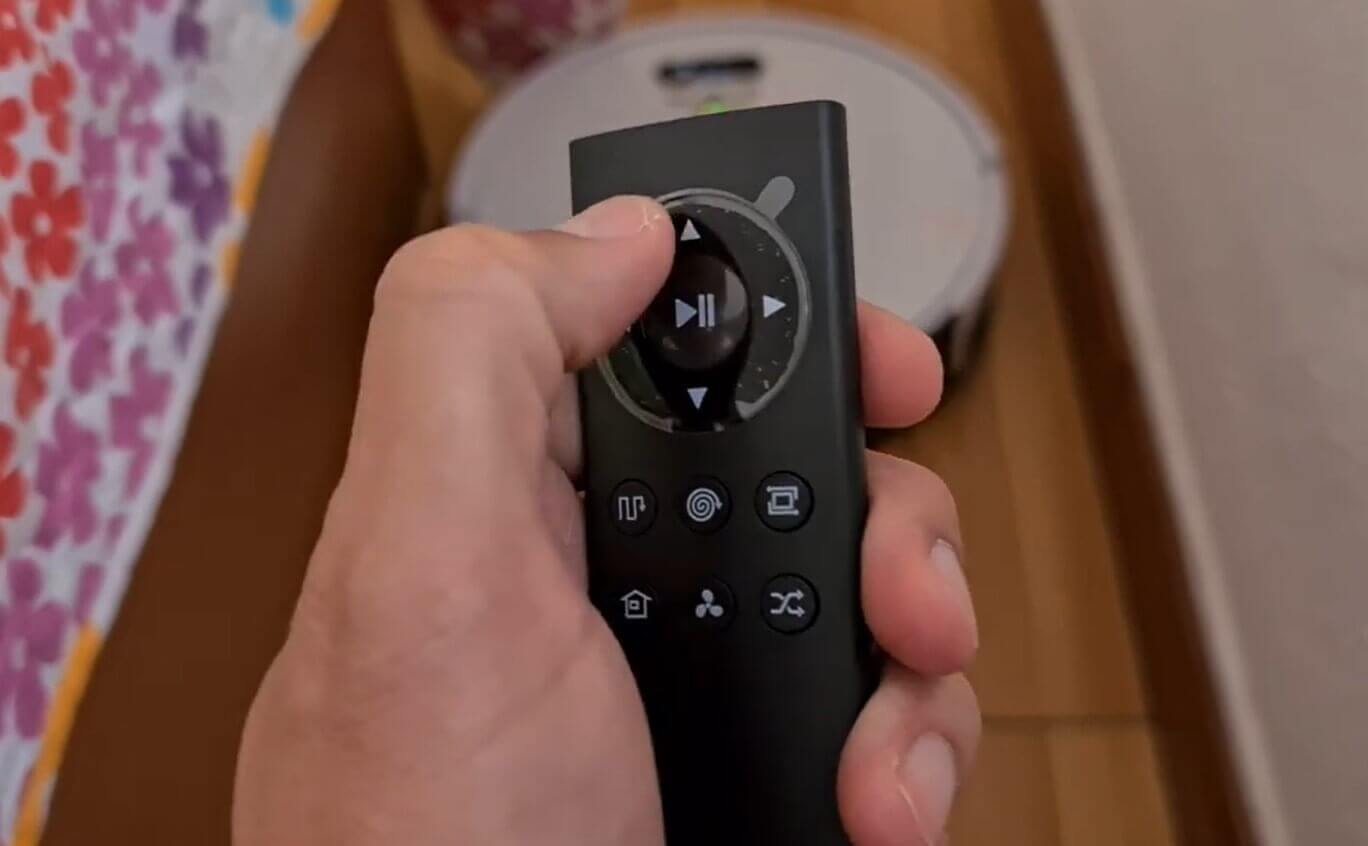
This also applies to situations where the Wi-Fi signal in certain rooms is very weak, or there's no Wi-Fi network at all due to a lack of internet access, which is especially common in suburban cottages. In such cases, a remote control is essential for manual control, setting up a cleaning schedule, selecting an operating mode, or forcing the robot to return to its base. It's worth noting that Xiaomi isn't alone in ditching the remote control; a number of other reputable brands, including iRobot and Ecovacs Deebot, have also made the same decision.
High cost of spare parts
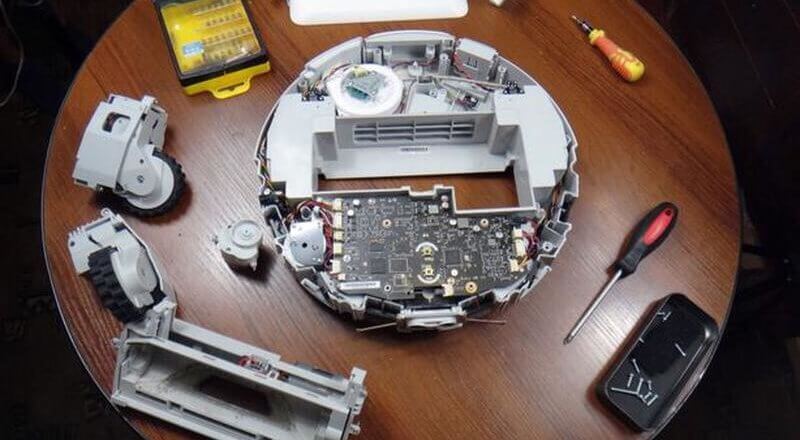
Very many at choosing a robot vacuum cleaner It's essential to research the cost of spare parts for the model you're interested in in advance. And after checking the prices of individual parts, especially for Roborock robotic vacuum cleaners, concerns immediately arise. For example, a lidar costs around $60-70, a battery $40, a main motor around $30, and a control board over $50. These are the most expensive parts. Example of offers from the Lamobile store (original spare parts):
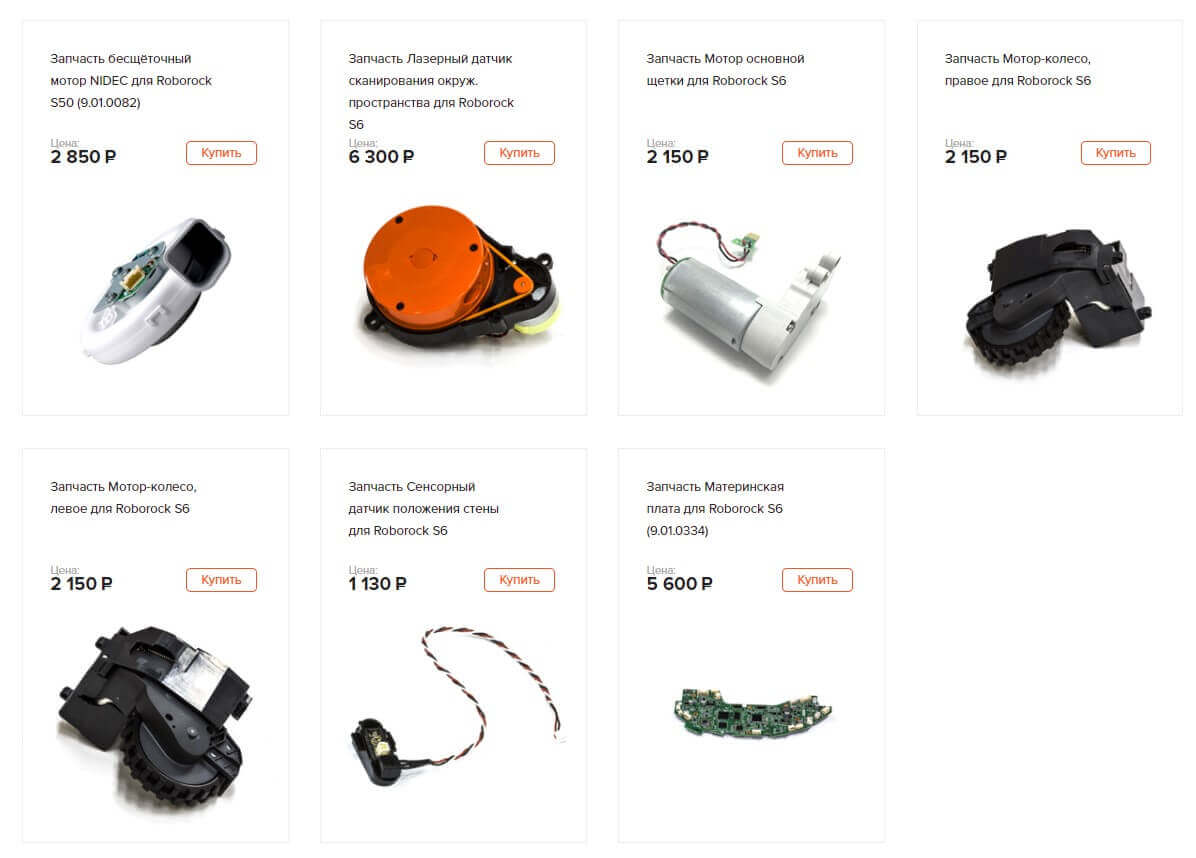
Yes, spare parts aren't cheap, but so are those from other reputable brands, especially market leaders. Without singling out specific models, the control board alone can cost up to $100, the battery around $80-$100, and the cleaning module itself can easily top $150, similar to the cost of a new Xiaomi robot, for example. Mijia 1CSo, expensive spare parts are a feature of many premium robots.
Problems with lidar
This is the biggest scare tactic used by competitors when writing negative reviews of Xiaomi robots. They say the lidar failed on the very first day, a new one costs $70 plus replacement, and now the robot sits idle.
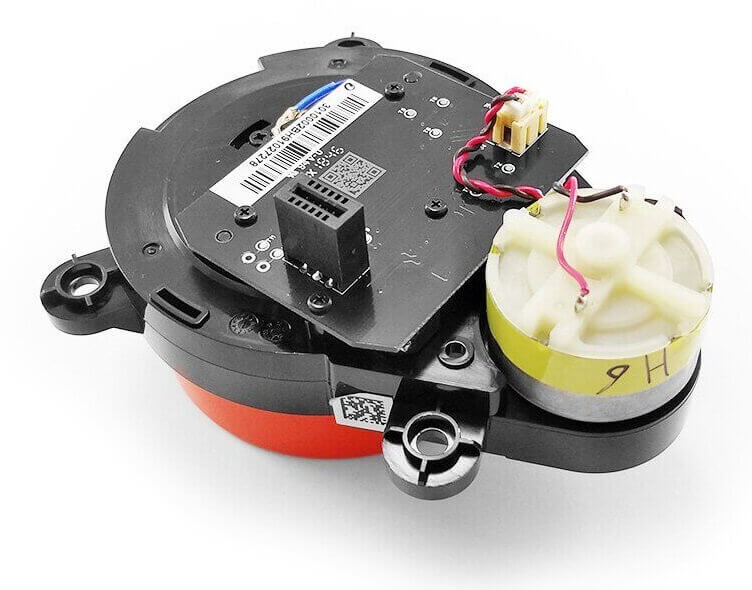
First, let's talk about the lidar itself. It can indeed fail, like any other rotating mechanism, in any situation. But, firstly, failures are becoming less common in newer models, as manufacturers are constantly working to improve reliability. Secondly, the sensor itself, which accounts for the lion's share of the component's cost, rarely fails. Most often, the lidar motor fails because, over time, it becomes clogged with dust and pet hair, which are the main cause of failure.
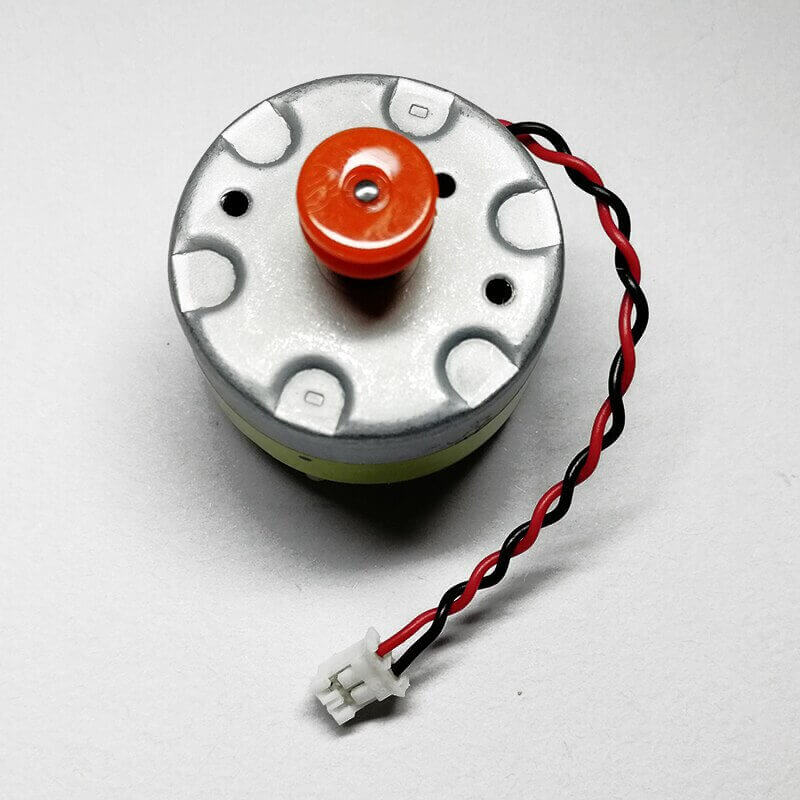
So, this motor can either be repaired—there are video examples online showing how to do this—or replaced with a new one. A new motor costs between $2 and $10, compared to the $60-70 cost of the spare part itself. Therefore, there's no need to be afraid to buy a Xiaomi robot vacuum cleaner because of the unreliability of the lidar and the high cost of replacing it. I personally know several Xiaomi robot owners who have been using them for several years without a single breakdown. Meanwhile, almost every other review online is about how unreliable they are. I'm sure this is the work of competitors, nothing more.
So, we've covered the main reasons not to buy a Xiaomi robot vacuum cleaner. Again, only the first one is compelling, and even then, it's only for a specific audience. The rest are the same as with other brands.
Many may complain about the lack of manufacturer support on the market, but this is no longer the case. While Xiaomi robots were previously sold only on AliExpress, they can now be found on the shelves of major chain stores such as DNS and M.Video. And they, like many other companies selling Xiaomi robot vacuum cleaners, provide a warranty and after-sales service for their products. So, gone are the days when you had to repair a broken robot out of pocket or deal with a return to the seller in China.
That's all I have for now. If you have any questions, please ask them in the comments below. Happy shopping, everyone!