ECOVACS AIRBOT Z1 Air Purifying Robot: AN ALLERGY SUFFER'S DREAM! What can it do?!
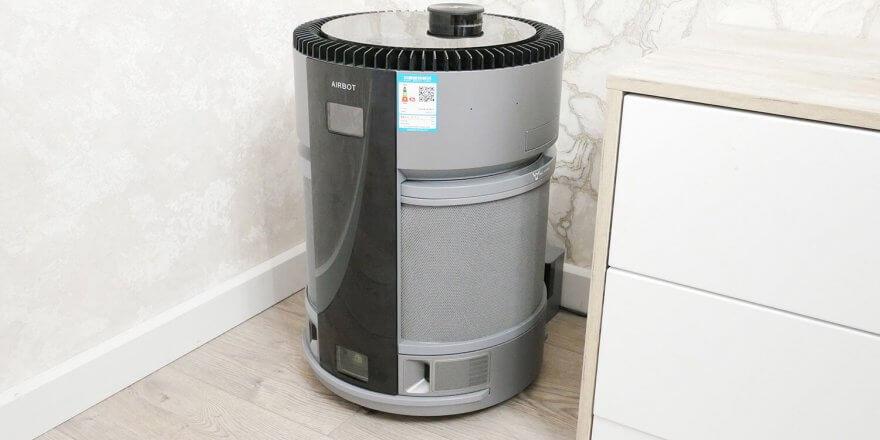
Hello to all readers of the project! This review will examine a unique robotic air purifier – the ECOVACS AIRBOT Z1. Unlike stationary purifiers, this device can move autonomously around a room and purify the air in different zones. Thus, in a home environment, using a single purifier, you can AUTOMATICALLY maintain clean air in different rooms or zones within a single room. But that's far from all the ECOVACS AIRBOT Z1 has to offer. It can not only purify the air, but also aromatize, humidify, and even disinfect it. Furthermore, the robot supports a room security mode and can even be used as a portable music speaker. Overall, the device has many features, and it's truly worth considering. However, there's one caveat: the price of such a solution ranges from $1,000 to $2,000, or $1,150 to $2,300. Below, I'll demonstrate in detail how the ECOVACS AIRBOT Z1 is designed, what it can do, and how it works. After which, I'll express my own opinion on whether the robot is worth the money. So, let's get started!
Regionalism
First, a few words about the model's regional availability. The ECOVACS AIRBOT Z1 is produced for both the Chinese and European markets, according to reviews from international bloggers. I couldn't find the European version in local stores in Russia or on AliExpress. I ordered the Chinese-market version from China. There are a few things to consider:
- First, to connect the air purifier robot to your smartphone, you need a Chinese SIM card to register an account. Stores typically provide unique login credentials, but it's best to check this before ordering. In the video description, I've included a link to a trusted seller I purchased from, who provided all the necessary credentials to operate the robot.
- Second, given that the robot is designed for the Chinese market, voice notifications are implemented in Chinese. The YIKO voice assistant also only understands phrases in Chinese. But at least the app interface is in English. It's easy to figure out and everything is intuitive.
As for concerns about Chinese Ecovacs robots being blocked due to use outside of China, there's no need to worry. Ecovacs' official website states that the company does not prohibit the use of its Chinese products outside of China. The main thing is to register an account with a Chinese phone number. So, there's no need to worry about bricking your robotic air purifier. The same applies to Chinese Ecovacs robot vacuum cleaners. For example, X1 Omni or T20 Pro.
Equipment
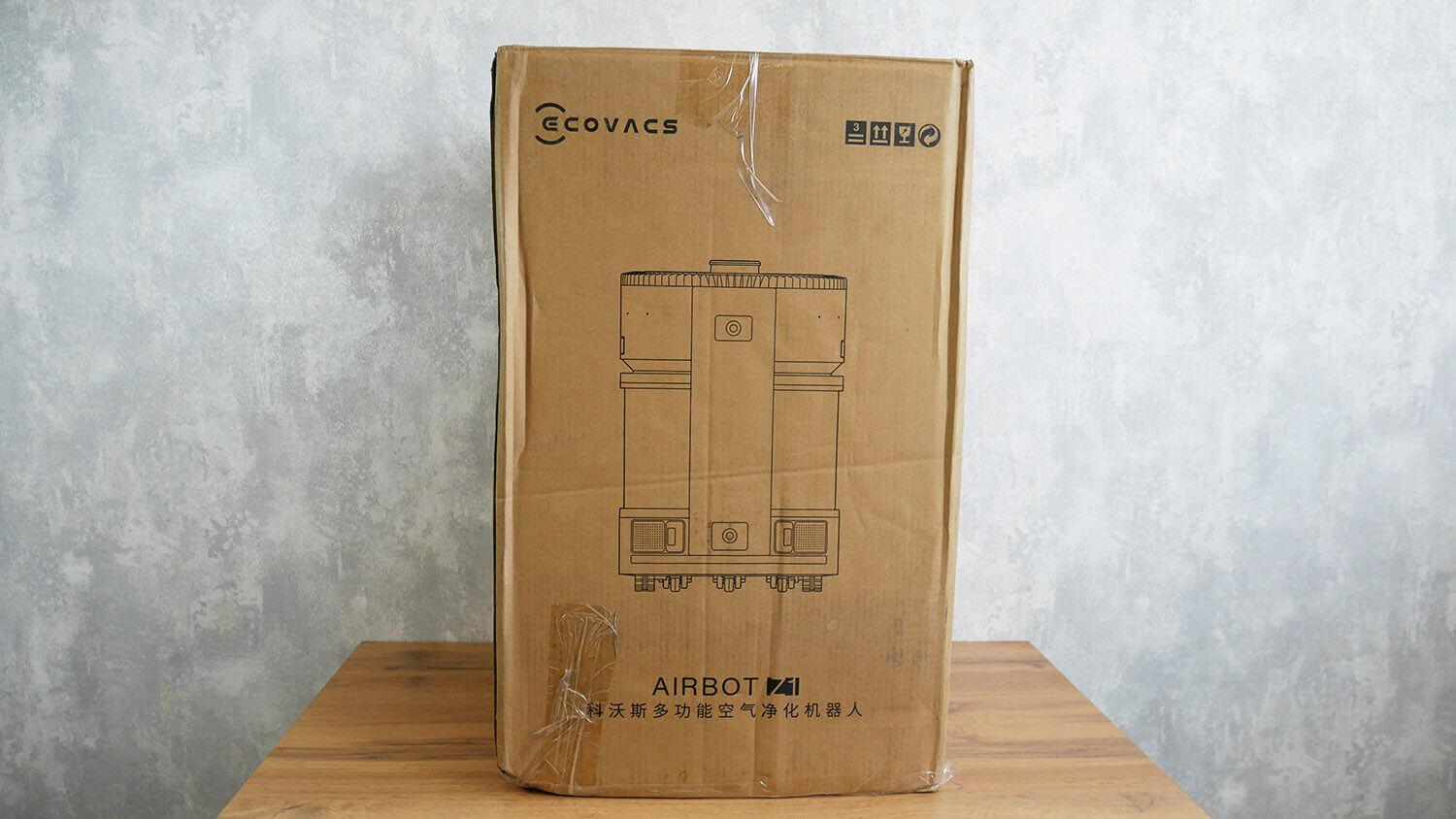
The ECOVACS AIRBOT Z1 air purifying robot arrived in this branded box:
Box
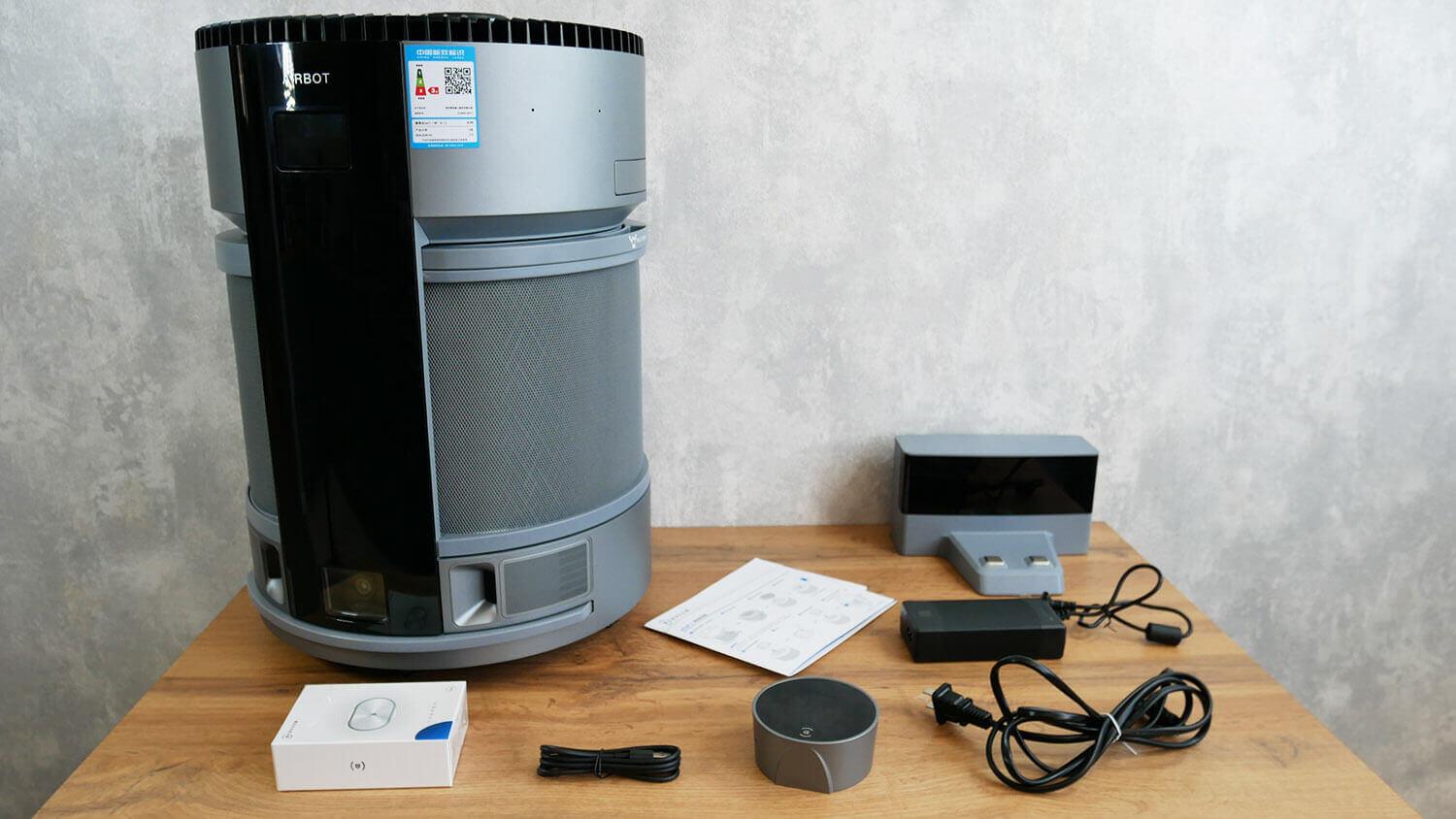
In my case, the package includes:
- Charging base.
- A power supply and power cord with a Chinese plug. A European adapter must be purchased separately in advance.
- Air quality control device.
- USB to Type-C cable for powering the air quality monitoring device.
- Air freshener cartridge (purchased separately).
- The operating instructions are in Chinese. The official website also offers an online version of the instructions, translated into several languages, including Russian.
Equipment
In addition to the optional room aromatization module, you can also purchase a humidification module. I immediately ordered the complete kit to test the full functionality of the ECOVACS AIRBOT Z1.
Appearance
Let's take a look at the design of the ECOVACS AIRBOT Z1 robotic air purifier. It's round, like most robotic vacuum cleaners on the market. This shape improves maneuverability. The dimensions of the body are impressive: 369 x 350 x 523 mm.
Lidar navigation enables the robot to navigate with great precision, building a map of the room and storing it in its memory. The top cover houses a display and a touchscreen control panel.
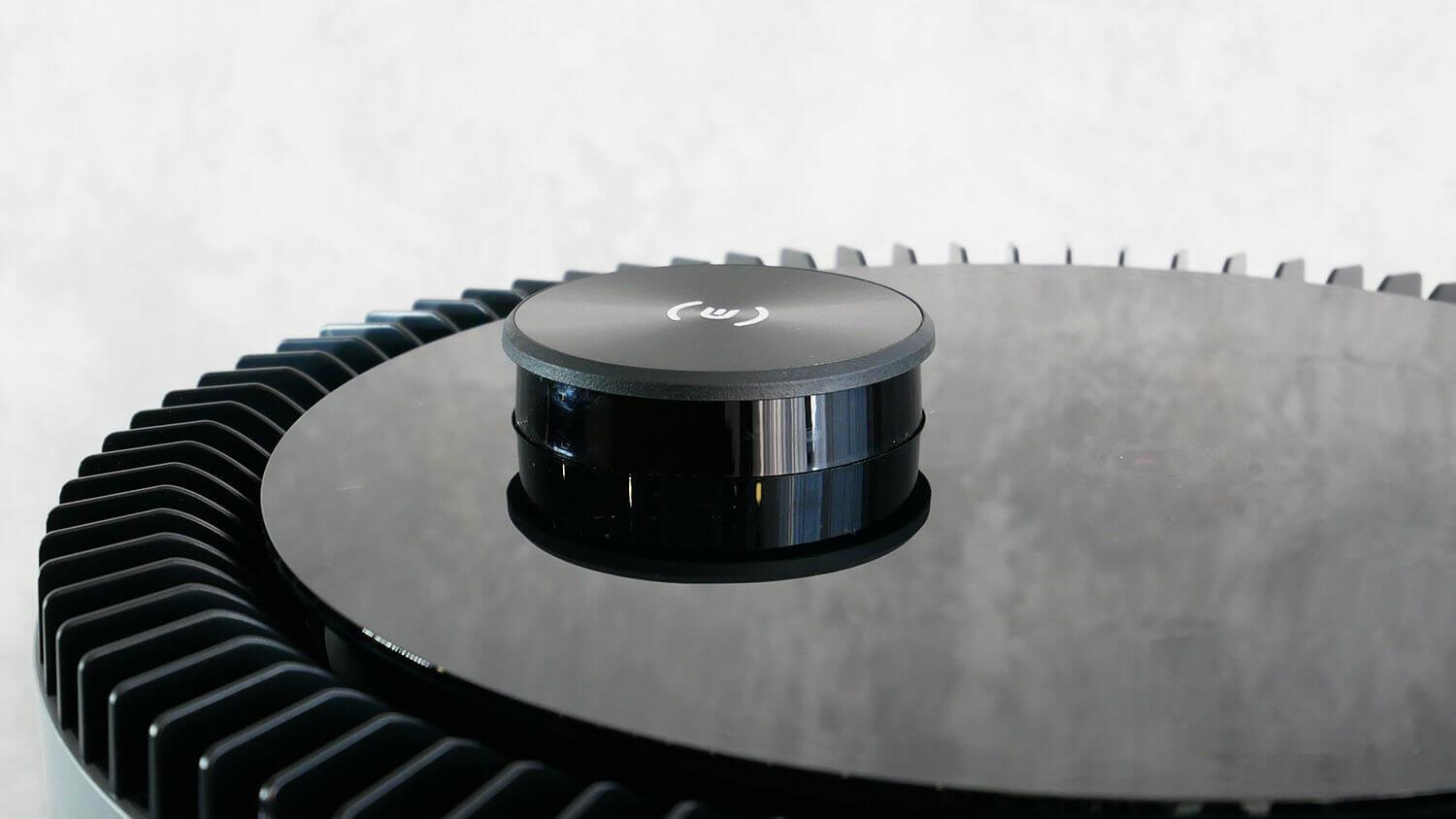
Lidar for navigation
The display shows a wealth of data. The main one is the PM 2.5 level, which is the smallest particulate matter in the air, ranging in size from 0.001 to 2.5 micrometers. According to new World Health Organization (WHO) guidelines, average annual PM 2.5 concentrations should not exceed 5 μg/m3.3, and the average daily exposure should not exceed 15 μg/m33Although the robot's instructions indicate that the range from 0-10 is excellent, 11-20 is good, 21-50 is satisfactory, and >51 is poor.
Additionally, the robot is equipped with a VOC sensor to assess the level of harmful impurities in the environment. According to the manual, the ratings are: L1 – excellent, L2 – good, L3 – satisfactory, and L4 – poor.
Below is an air quality indicator (AQ) in the form of a color-coded scale, indicating air quality. Blue indicates excellent air quality, green indicates normal VOC and PM 2.5 levels, orange indicates satisfactory air quality, and red indicates poor air quality.
Below the scale are indicators for the room's humidity and temperature levels. At the very top are indicators for ultraviolet air disinfection, as well as freshening and humidification. Overall, the display is very informative.
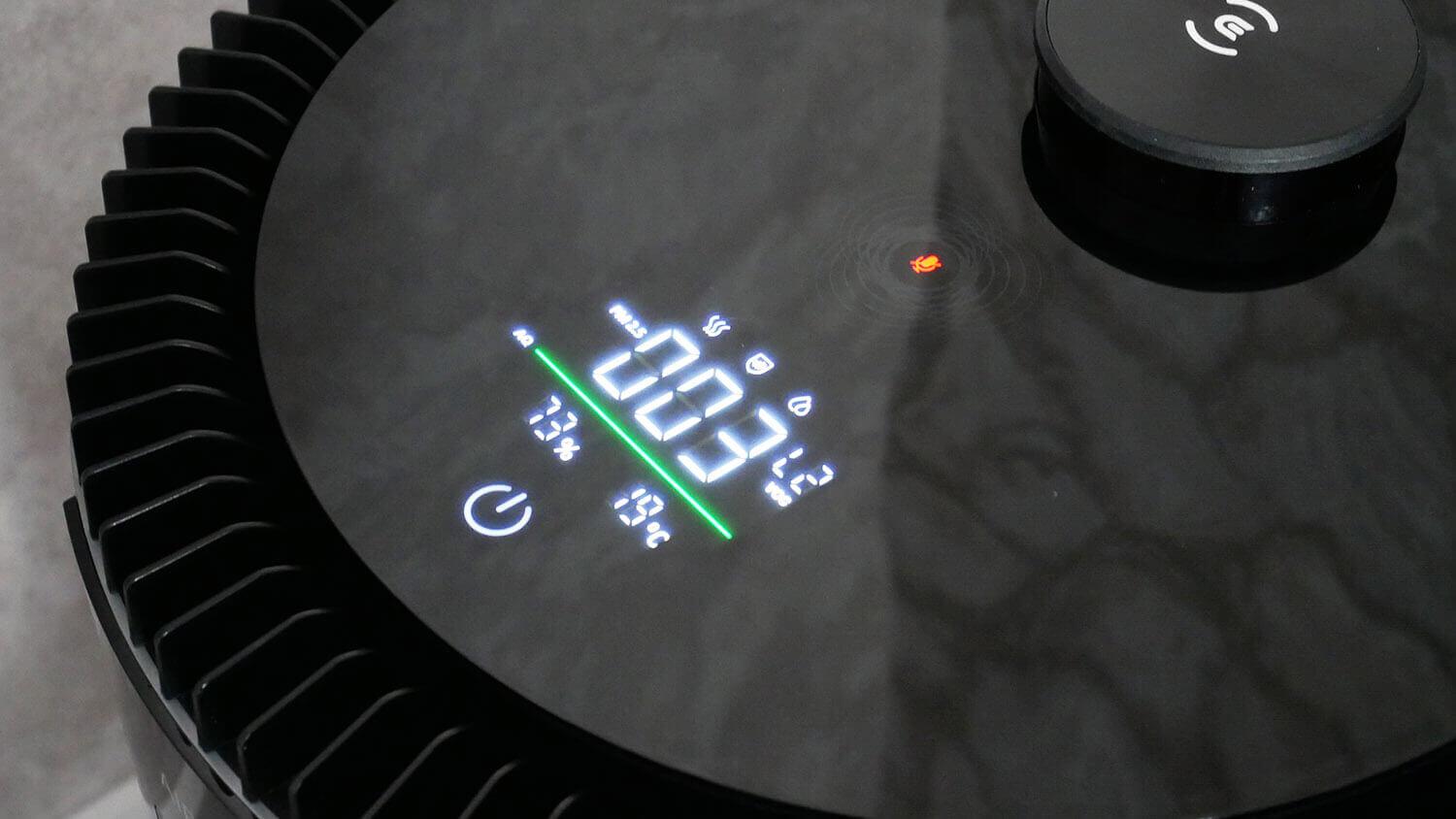
Display
The robot has two cameras on the front: one above and one below. The bottom camera is equipped with two 3D sensors on the sides and is used to detect and accurately avoid obstacles in the robot's path. These can include slippers, socks, and other objects that could impede its movement.
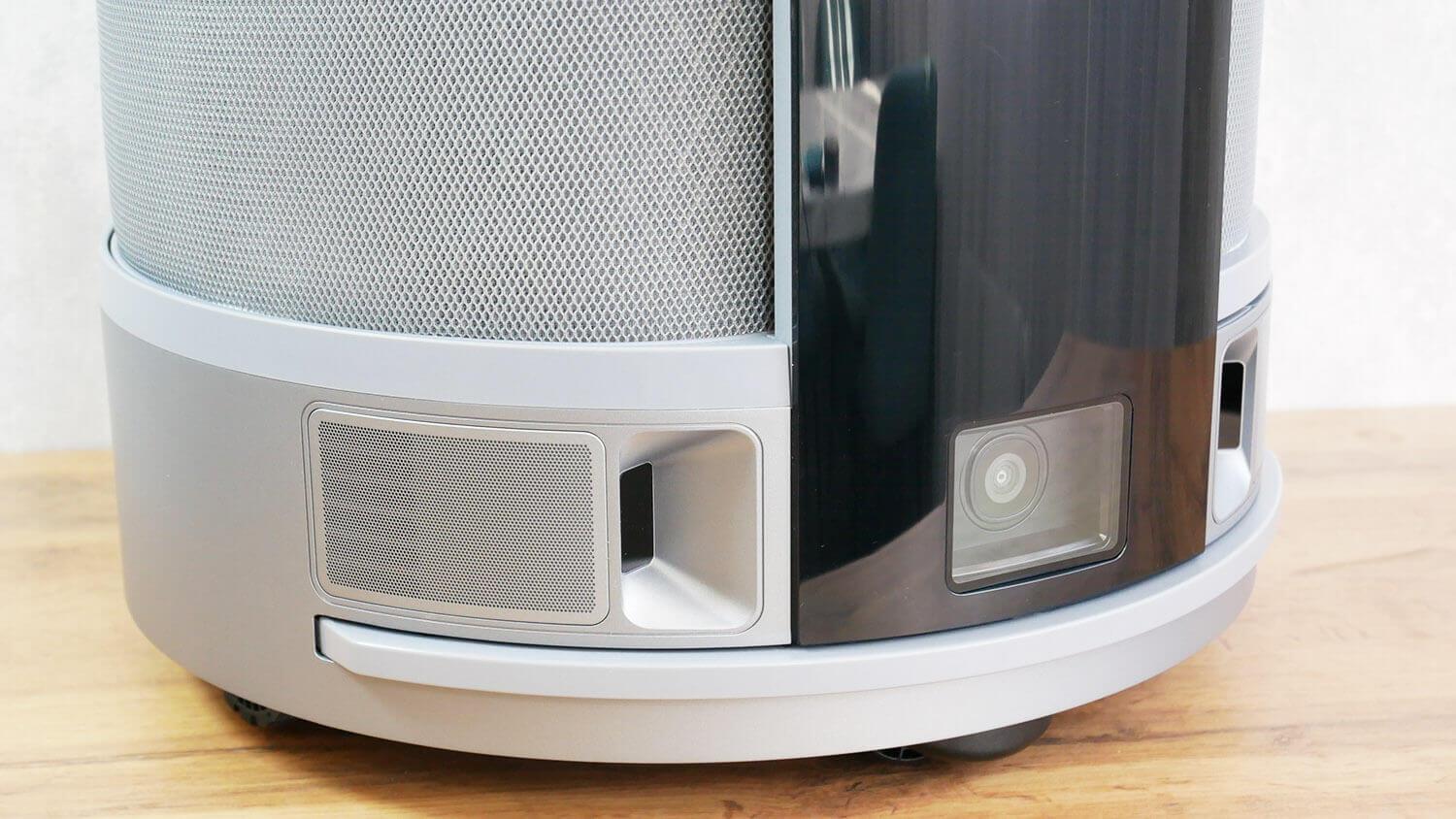
Obstacle avoidance camera
The top camera is used for remote connection from a smartphone, allowing you to monitor your home remotely. This allows you to check on the condition of your home, how your pet is doing, or even simply whether you've unplugged the iron. This is a very convenient feature, which is also found on most premium robot vacuums. What's even cool is that the shutter on the top active camera automatically opens before the robot starts moving and closes after it returns to the charging base. There's no need to worry about anyone secretly spying on you.
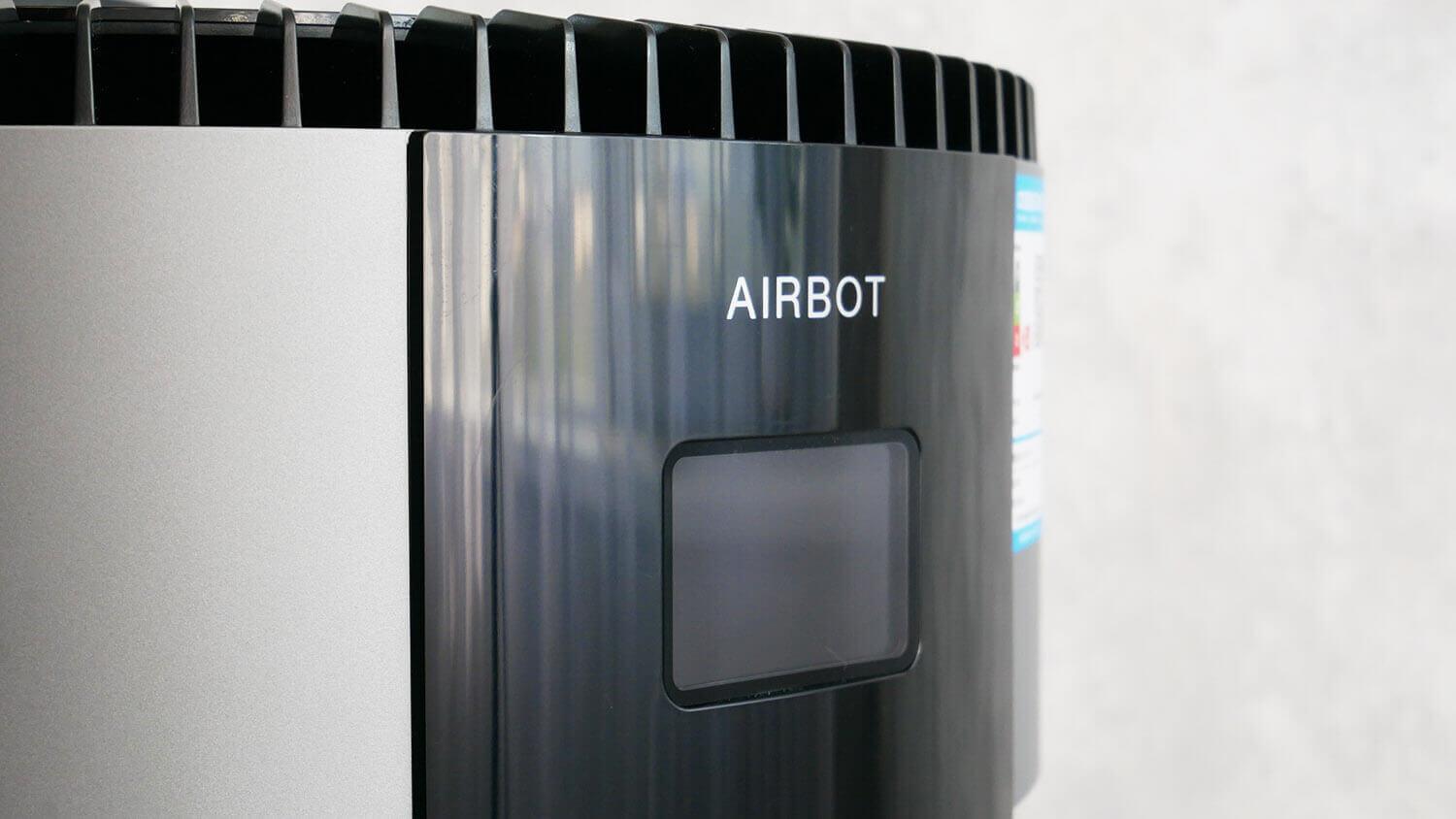
Home security camera (shutter closed)
I'd also like to point out that speakers for music playback and voice notifications are located at the bottom, next to the camera. Air quality sensors are mounted on the top rear panel, and microphones are positioned around the perimeter of the sensor panel to ensure the robot can accurately receive voice commands when using the YIKO voice assistant.
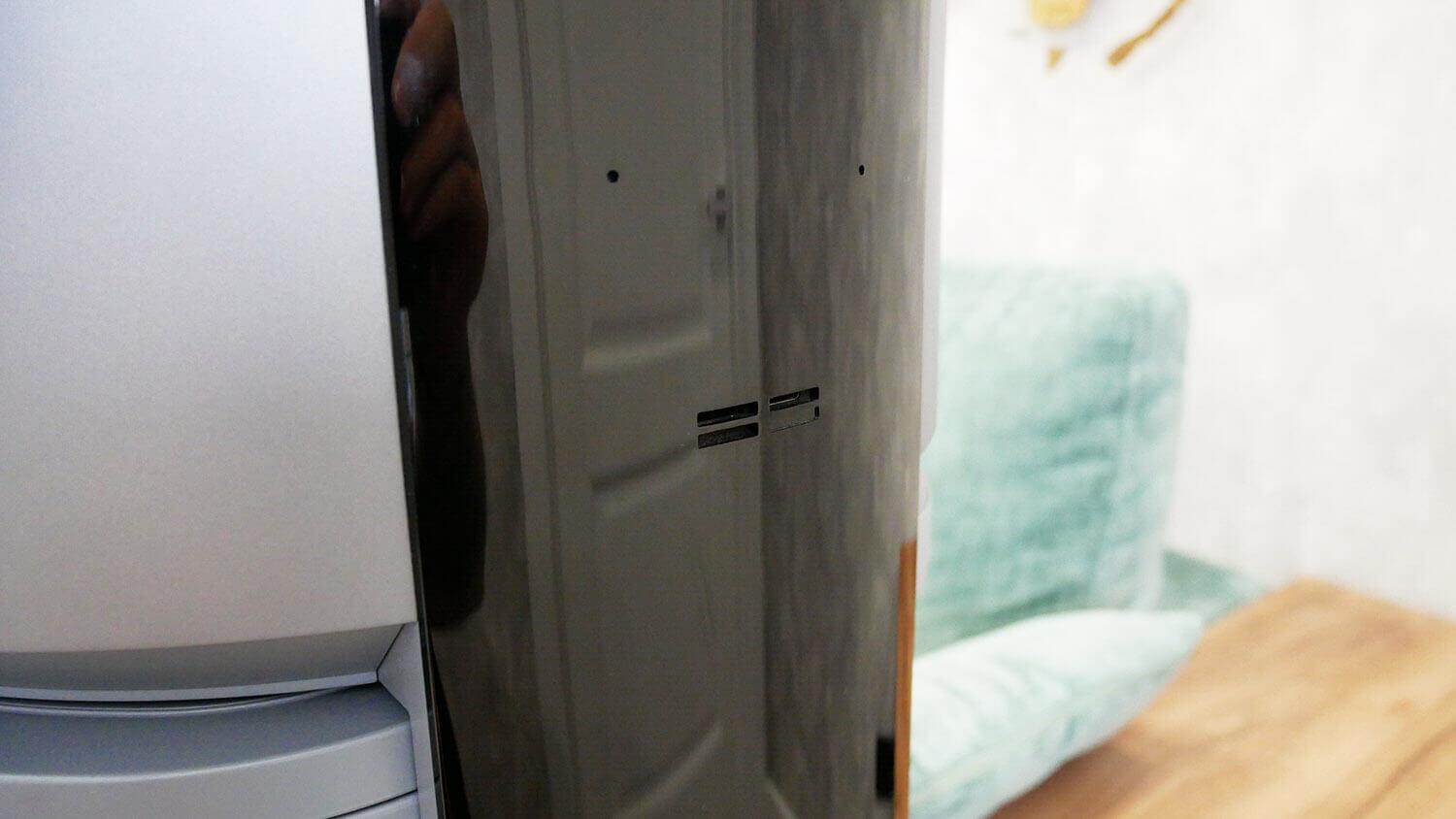
Sensors
And most importantly, the filtration system. The compartment containing the filters, humidifier, fragrance diffuser, and UV lamp is removable from the side. It has a handle for easy carrying. The main filter element is a HEPA H13 filter. It captures up to 99.97% of particles down to 0.3 microns in size. On the outside, the HEPA filter is equipped with an additional fabric filter element.
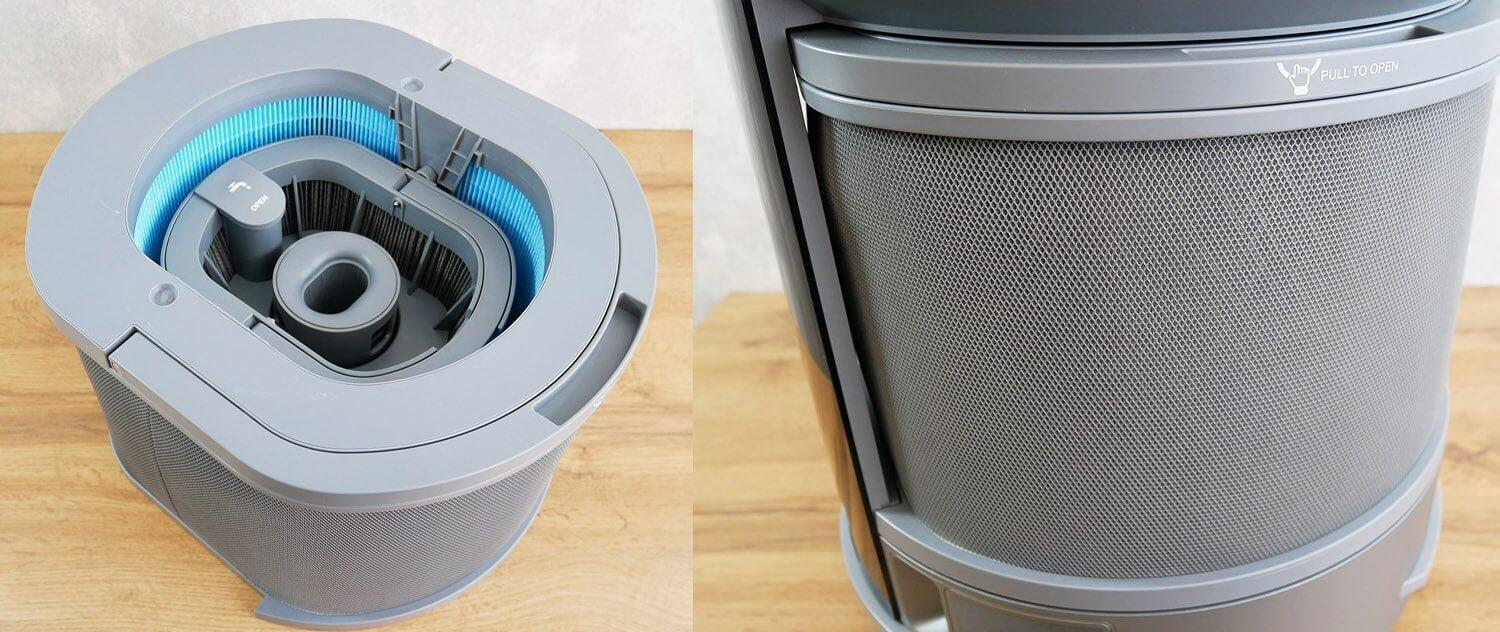
Filtration system
Under this module is a power switch, a Wi-Fi reset button with an indicator, and a QR code for quickly connecting the robot to the app.
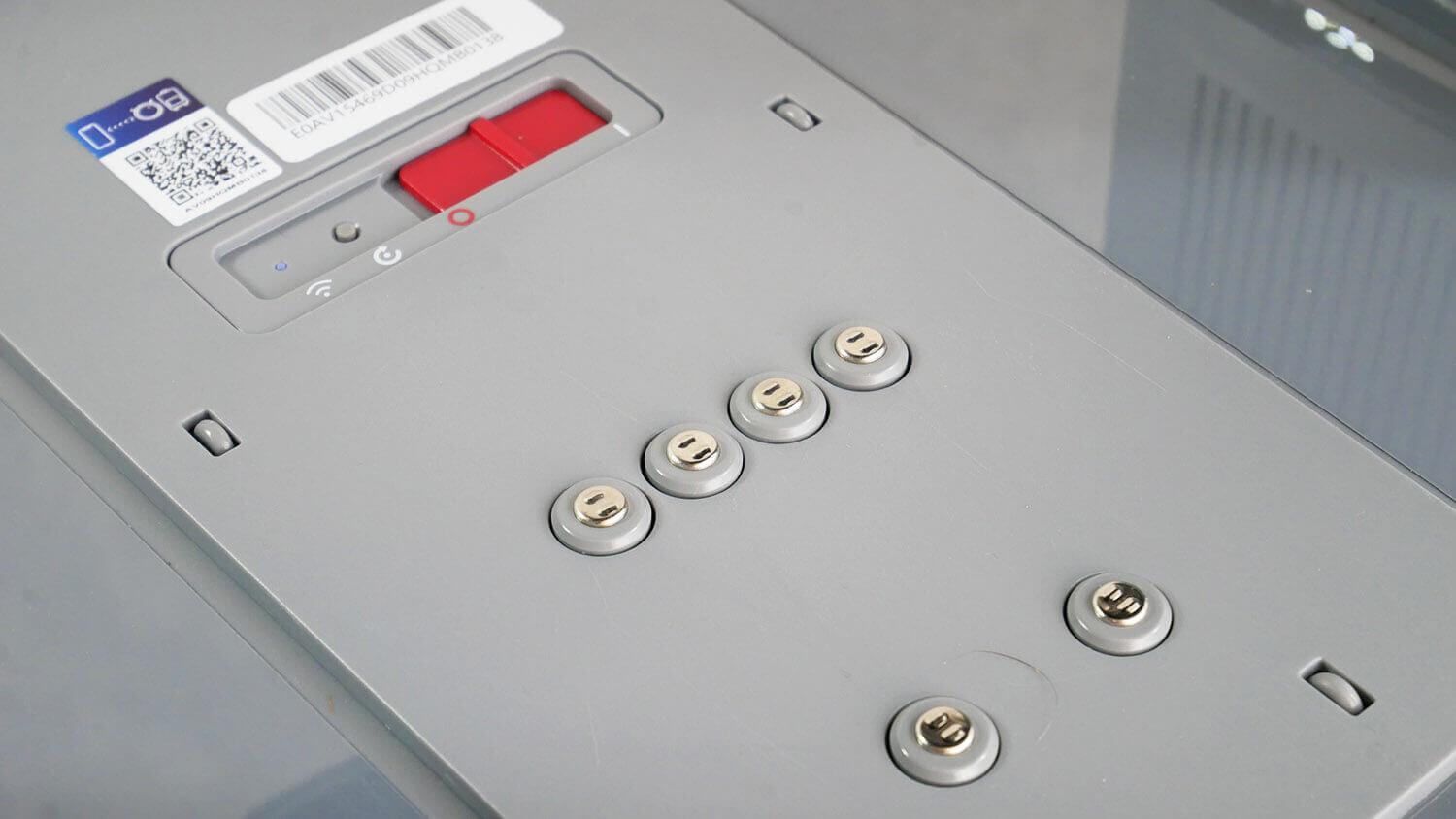
Power switch
A separate module with a humidifier is installed inside the module with the filtration system.
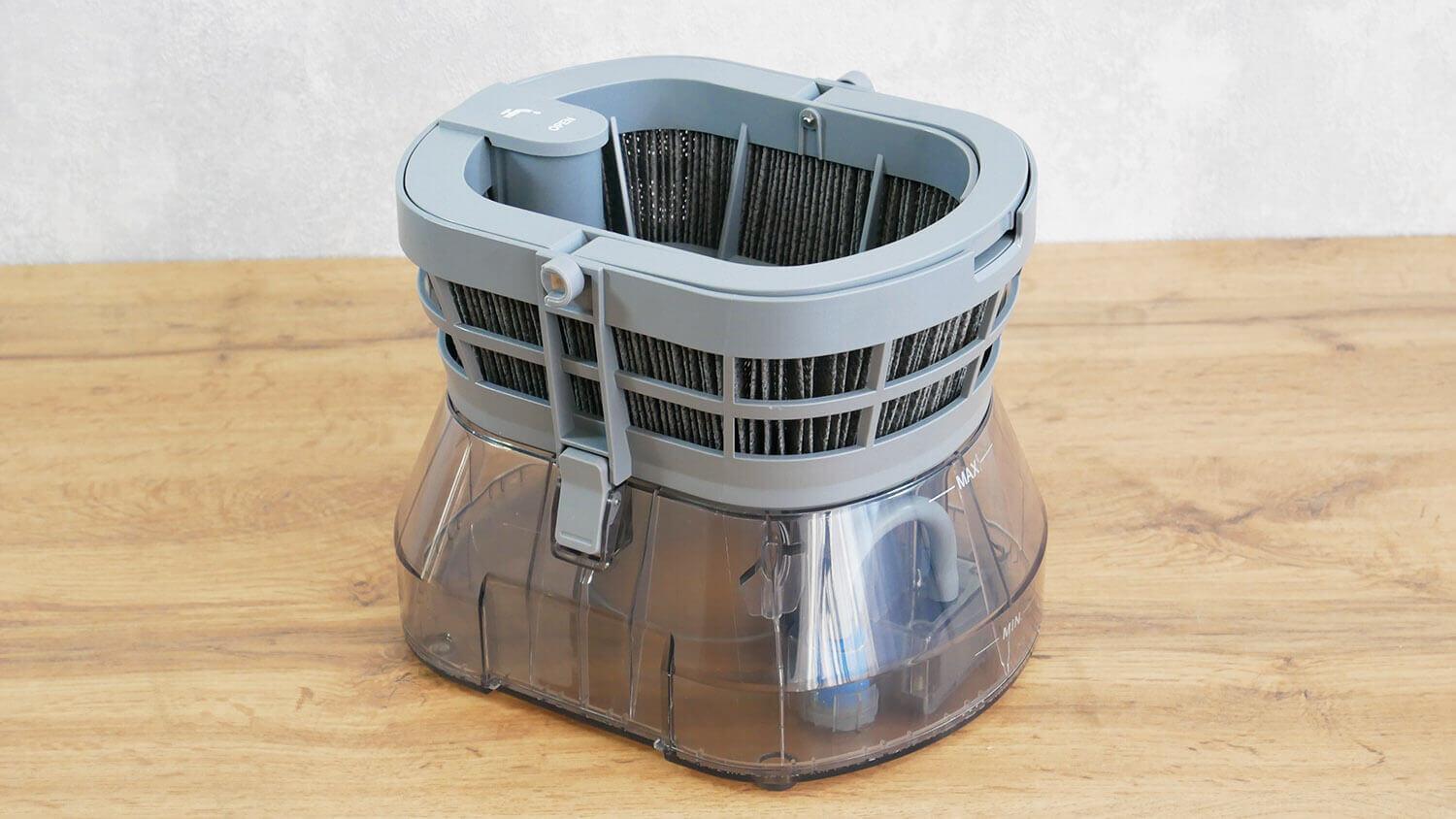
Air humidification module
In the center of the compartment there is a UV lamp and a seat for installing a cartridge with an air freshener.
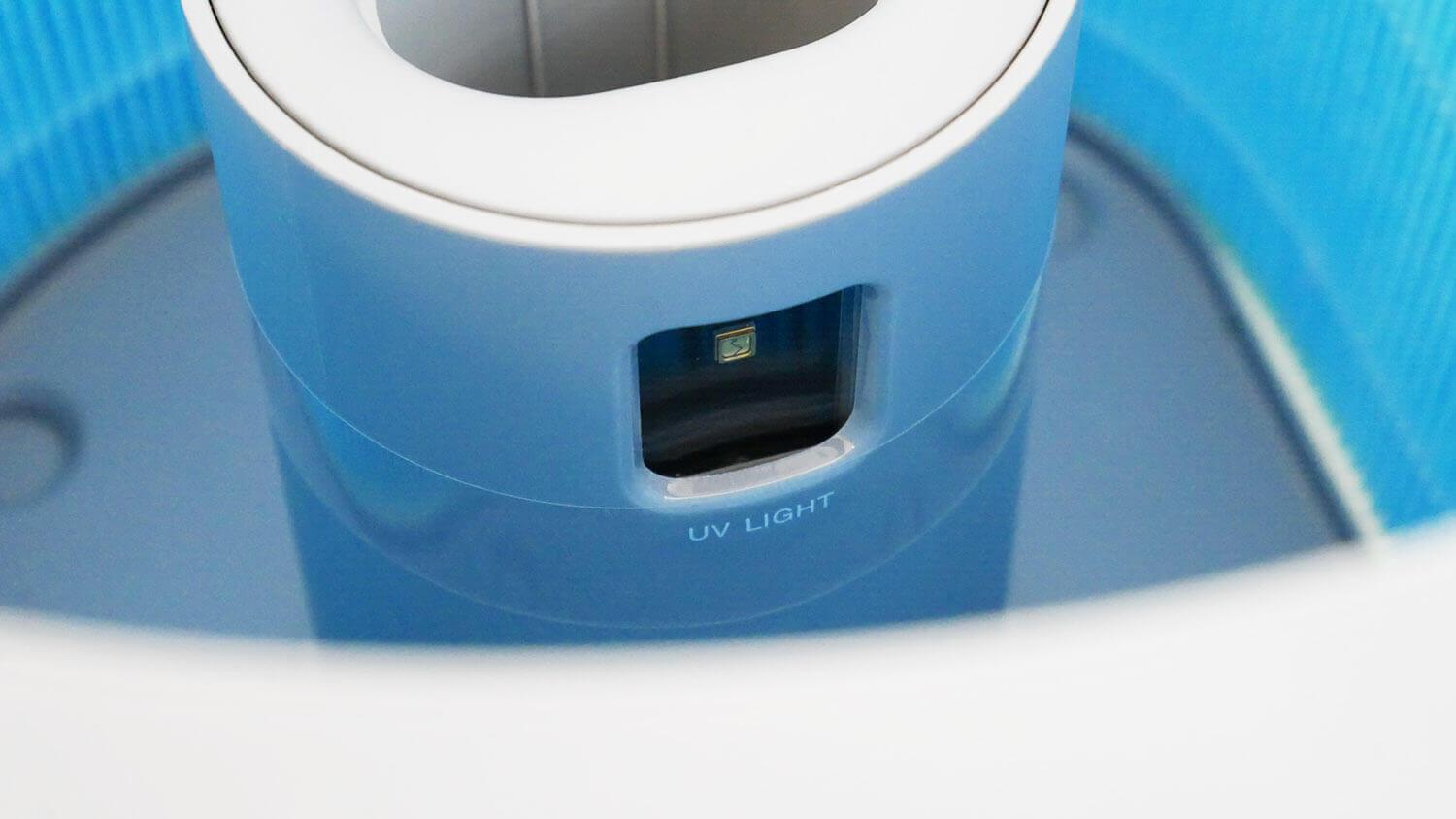
UV lamp
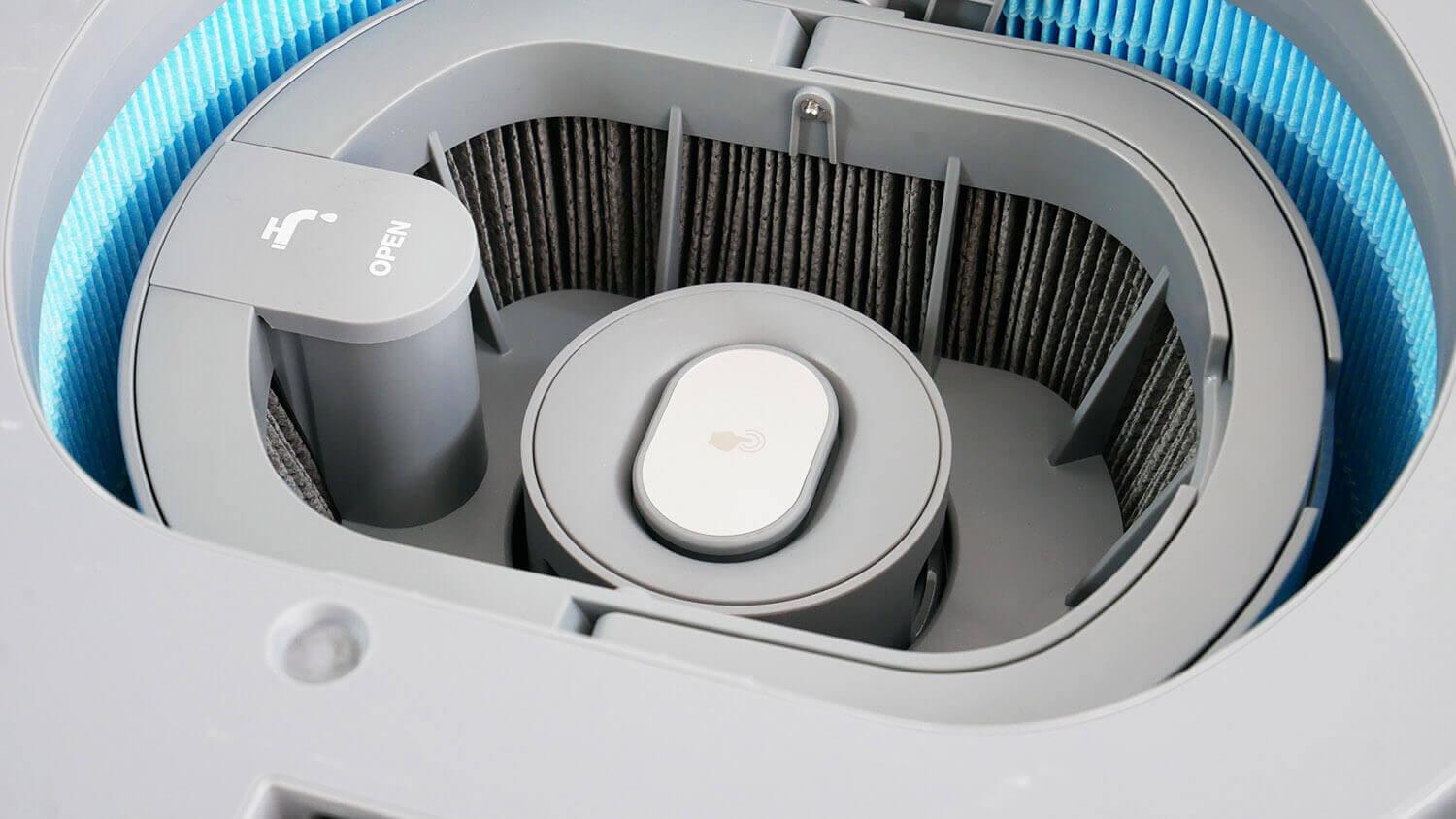
Air freshener in the center
The next thing I'd like to highlight is the ride system. The wheels are quite large. The ground clearance between the floor and the undercarriage is approximately 27 mm.
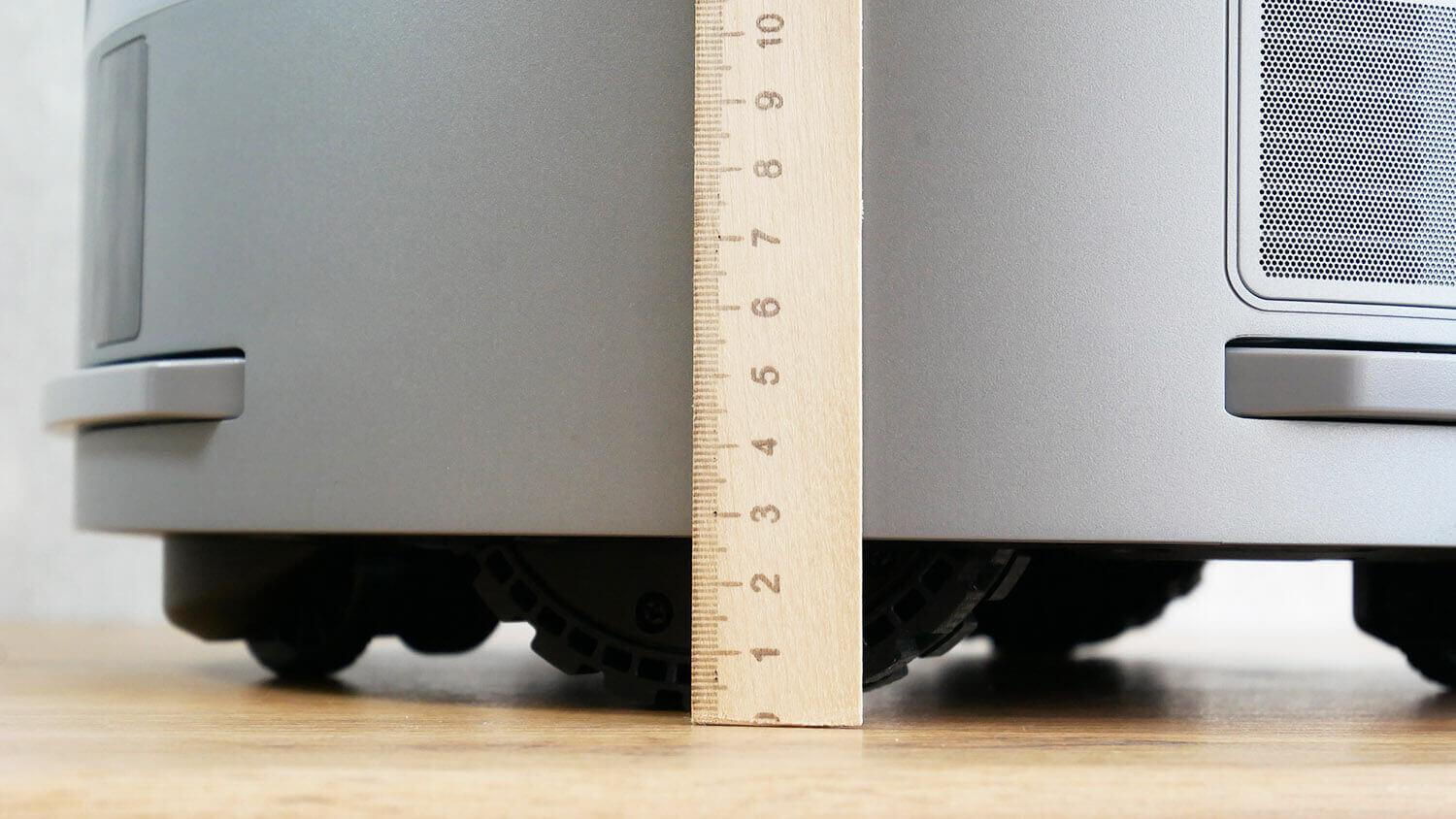
Clearance between the body and the floor
It's equipped with a reinforced swivel caster and seven fall protection sensors, minimizing the risk of it falling down stairs.
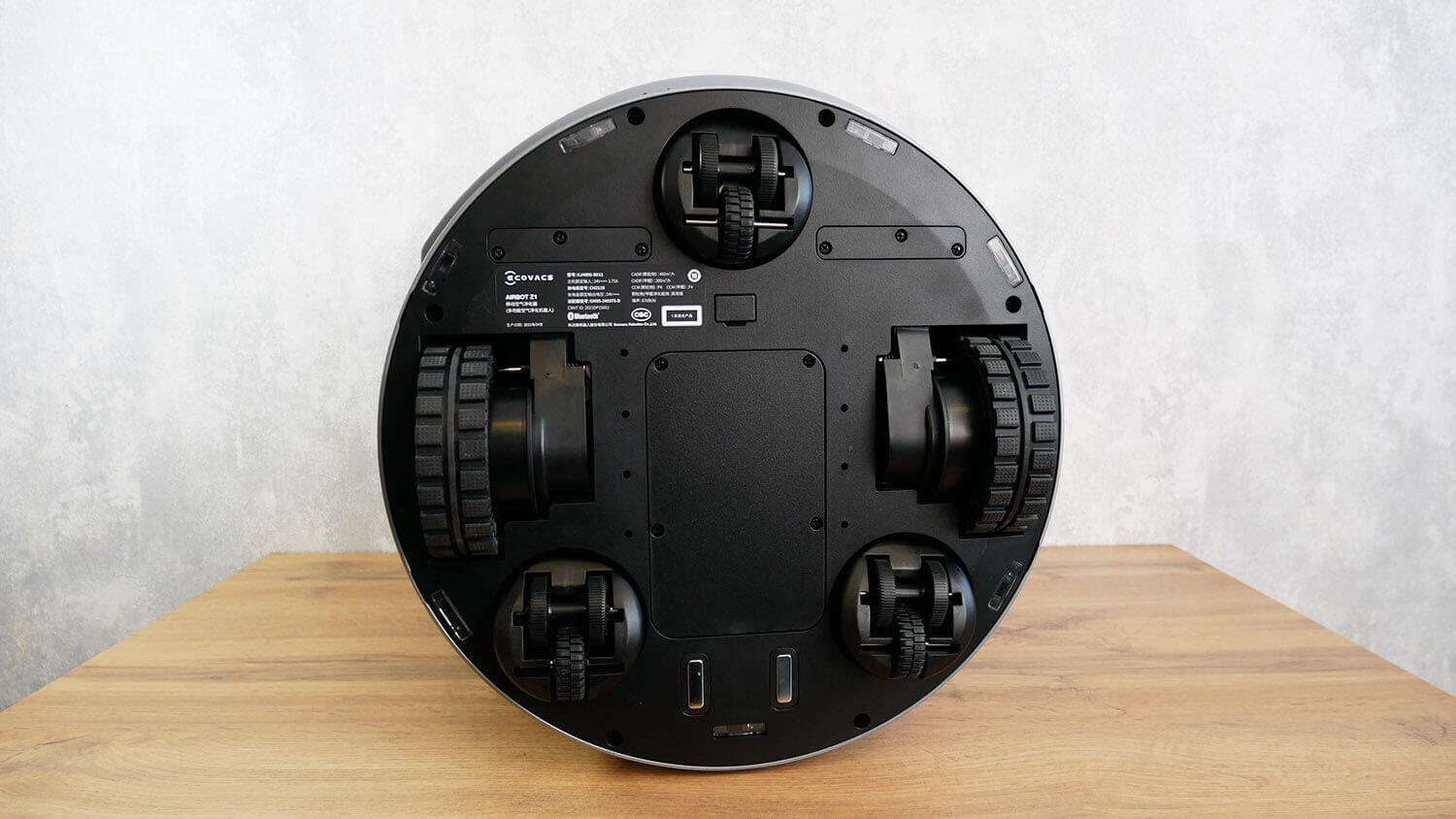
Bottom view
And finally, a remote air quality sensor. You can install it anywhere you need, for example, far from the charging base. This way, the robot itself will monitor air quality at the base. And the sensor will be located in another important room.
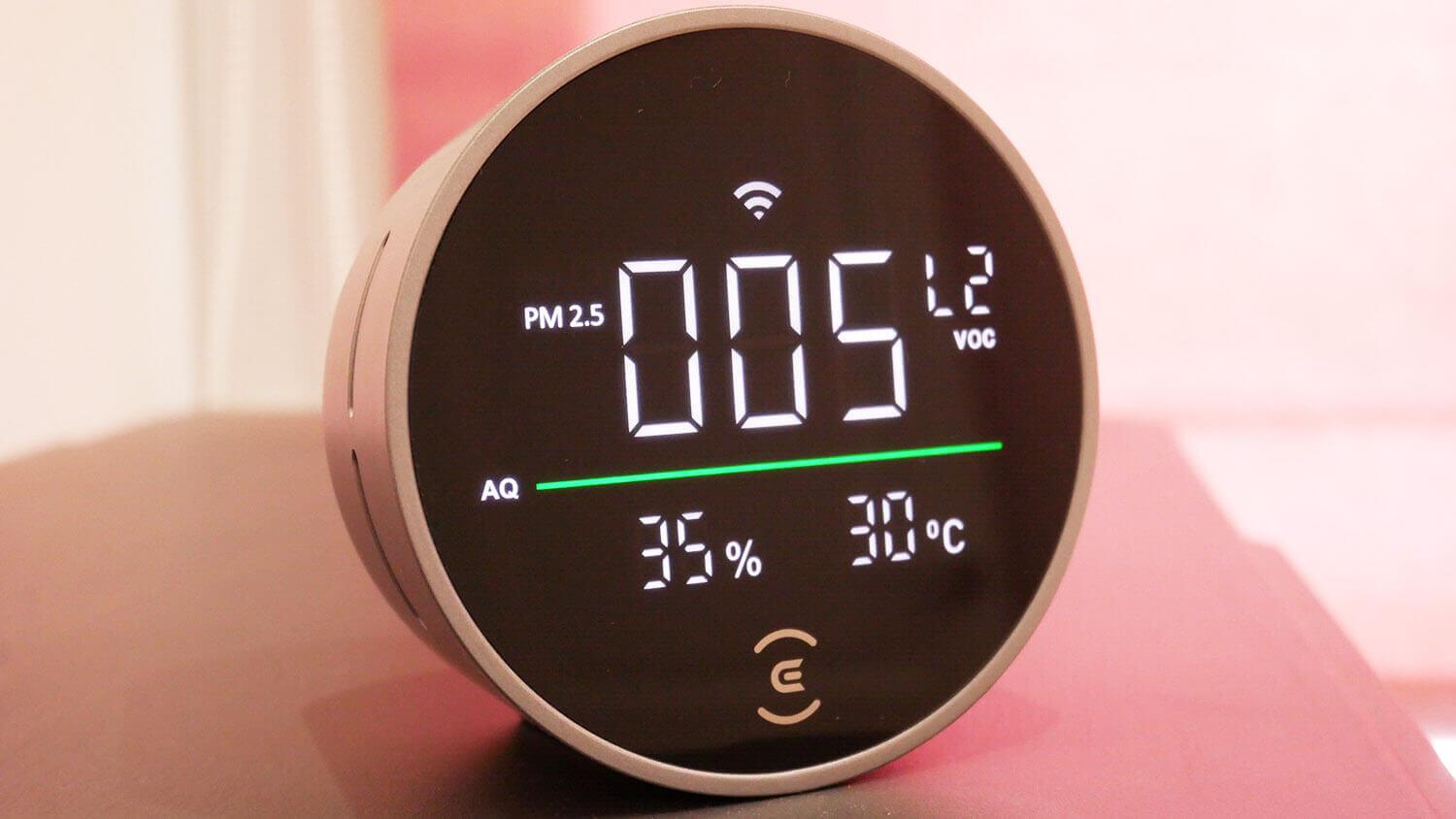
Remote sensor
The display shows the same statistics as the robot's control panel. Double-clicking the button on top sends the air purifying robot to the room where the sensor is located. However, it's best to configure it to redirect the robot to this area when air quality deteriorates, which the sensor will monitor.
Overall, I was pleasantly surprised by the design of the ECOVACS AIRBOT Z1. If only it could vacuum and mop floors simultaneously, it would be a hit. But even for a robotic air purifier, they've implemented a lot of extra features.
Technical specifications
All characteristics of ECOVACS AIRBOT Z1:
- Air exchange (performance): up to 600 m3/hour (CADR).
- PM5, detection range: 0-1000 μg/m3.
- VOC, detection range: 0-10 ppm.
- Battery life: at least 55 minutes.
- Water tank capacity: 2 liters.
- Noise level: 41-64 dB.
- Speakers: 2 x 7 W.
- Weight: 14 kg.
I should note that the noise level was personally measured and reaches 64 dB when operating in Turbo mode. In Eco mode, the purifier is practically inaudible.
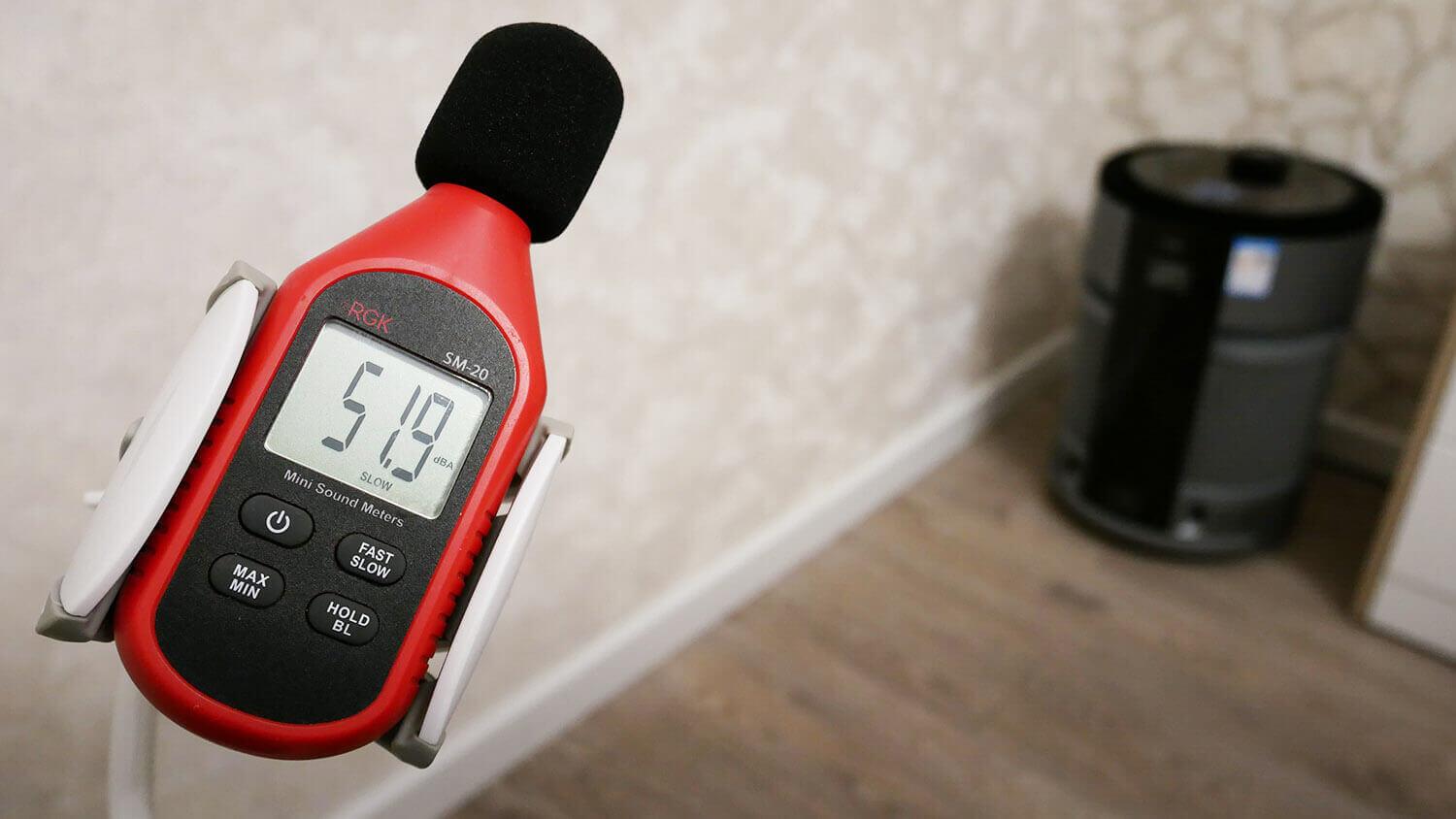
Noise level
As for runtime, I tested the robotic air purifier in local cleaning mode, away from the charging base. In Turbo mode, it ran for 55 minutes, after which it automatically returned to the base to charge. In AUTO mode, it can easily purify the air autonomously for about two hours or more.
Functions
Let's move on to an overview of the ECOVACS AIRBOT Z1's features. As mentioned earlier, it's controlled not only by the touch buttons on the body but also via the proprietary mobile app. Connection is simple and convenient; follow the manufacturer's instructions.
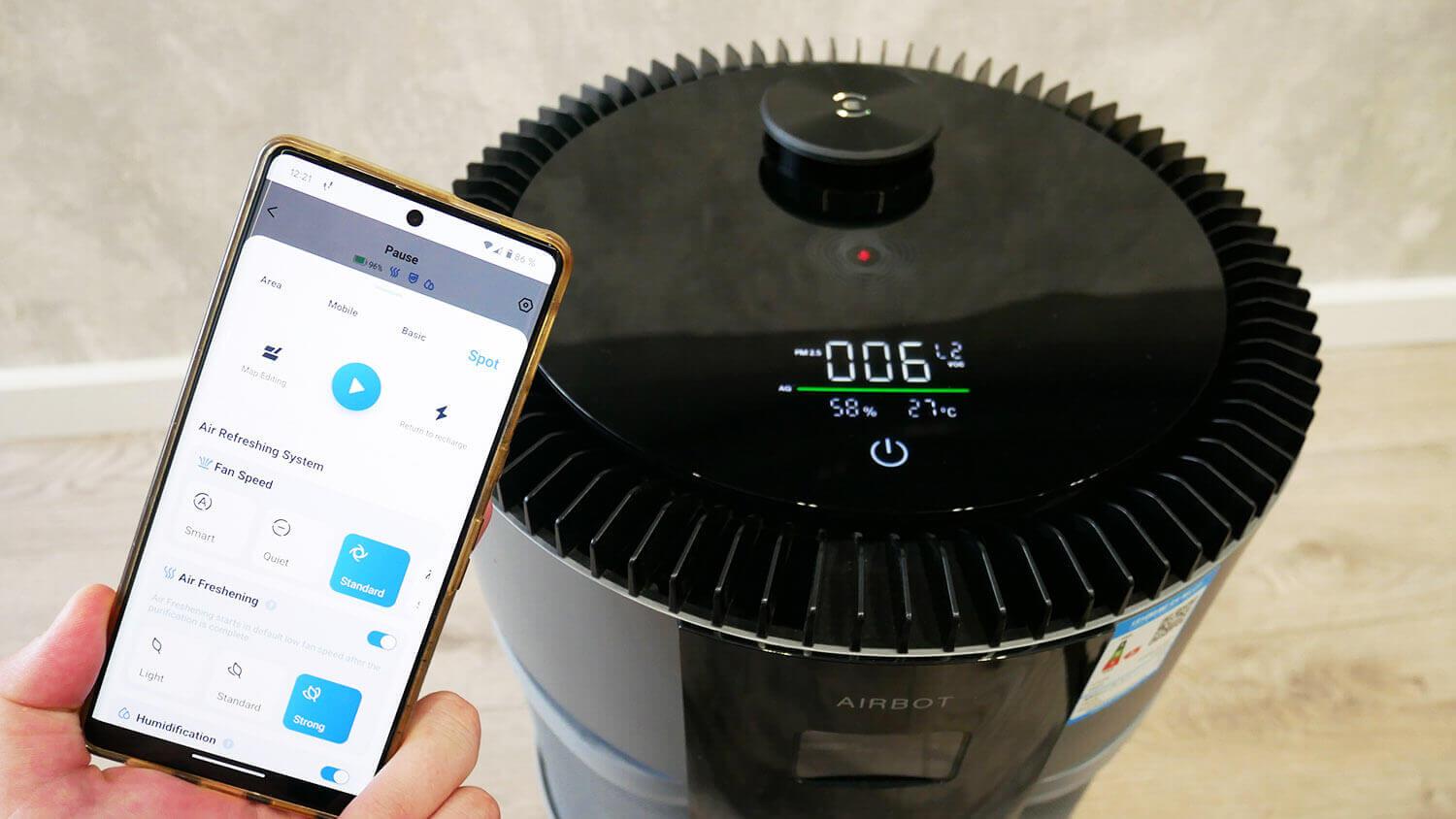
Control via app
The robot creates a map on the app's main dashboard and divides it into rooms. Four main operating modes are displayed below the map: Area – selects the desired zones for air purification; Mobile – automatically purifies the air in all accessible rooms, with the robot automatically moving from room to room. Basic – purifies the air on-site. This is useful for purifying the air directly from the charging base, allowing the robot to be used in Turbo mode for virtually unlimited periods of time. Finally, Spot – purifies the air at a specified point on the map.
Swiping up opens the settings section. Here you can adjust the air purification intensity, enable aromatization and adjust its intensity, configure or disable the humidification function, activate the UV lamp, and even set an air purification schedule by selecting the time, days of the week, and cleaning mode.
You can also adjust the robot's volume, control panel brightness, enable the voice assistant, view statistics for each air purification cycle, monitor the status of consumables, and set a wide range of other restrictions to suit your operating conditions, such as a baby unit or "Do Not Disturb" mode.
The ECOVACS AIRBOT Z1 has several other interesting features. It creates a 3D map of the room, which you can adjust, and thanks to its speakers, it can be used as a speaker or even an alarm clock. There's a music library provided by the manufacturer, but you can also play your own music. The sound is very high quality and generally loud. It's perfectly suitable for home use.
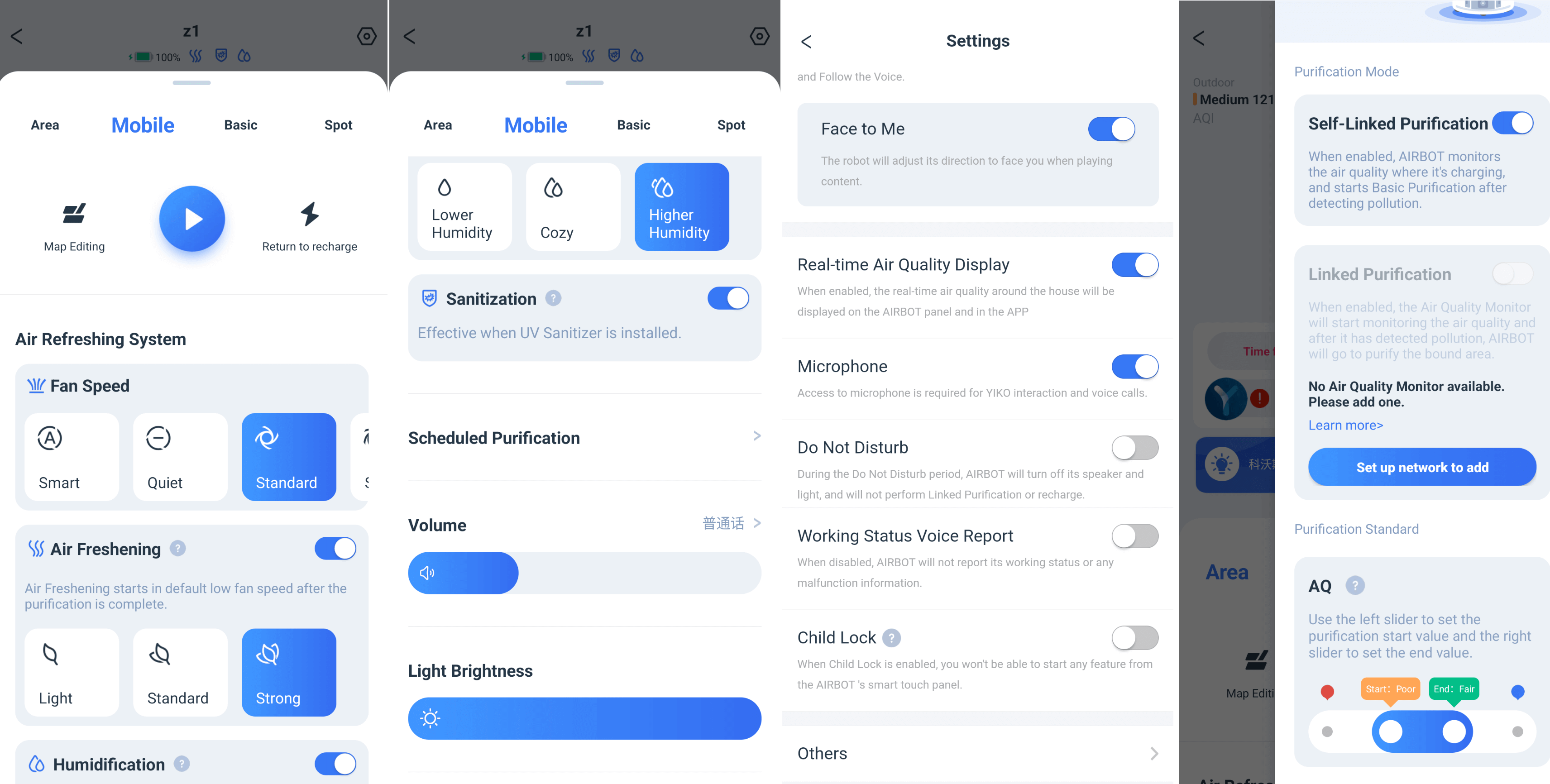
Functions
As for the sensor, it connects seamlessly to the network and syncs with the robot. The primary operating scenario is that the remote sensor detects rising pollution levels and signals the robot, which then initiates air purification in that room. Very convenient.
The final feature of the ECOVACS AIRBOT Z1 is its remote home monitoring feature, which can be accessed via a smartphone. Connect to the active camera and see what's going on at home. A great solution that expands the robot's capabilities.
Testing
And finally, let's move on to the tests. I'll demonstrate the ECOVACS AIRBOT Z1 robotic air purifier in action, highlighting what I consider to be its most important features. If you're interested in more tests, let me know in the comments. We'll collect at least 10 different tests and make a separate video, as I've kept the robot for myself.
A detailed video review with all tests has already been prepared and published on the channel:
Navigation and movement algorithm
First, I'll demonstrate the navigation and the algorithm for moving from room to room. When you first create a map, you can see that the robot scans the space quite quickly and automatically divides it into rooms. The only issue is that the robot has created another non-existent room because of the mirror, and there's no way to set a virtual wall or no-go zone near the mirror, like with robotic vacuum cleaners. Deleting the new non-existent zone is also impossible. There's a problem with this, and I'll explain it now.


Navigation
We started the Mobile air purification mode so the robot would automatically move from room to room. We saw that it spent about 30 minutes purifying the air in the first, largest zone. Then it moved on to the next one for another 20 minutes. Then it paused for 35 minutes in the bathroom, the smallest one, and from there it moved on to the mirror, as if it were cleaning the next zone. However, in fact, it had already been cleaning that room. After another 30 minutes of operation, the battery died, and the robot returned to the base to charge. In my case, from there, I could conveniently start air purification in the last room, where the base is located.
In total, almost 2 hours of battery life in Auto mode. The mirror spoiled the perfect picture and may negatively impact the automatic air purification process in your case as well. Therefore, I would recommend manually selecting the desired rooms for air purification using Area mode or setting up a scheduled cleaning schedule, which is even more logical. But overall, the automatic room-by-room navigation idea is very cool, in my opinion.
Yes, and regarding artificial intelligence and obstacle avoidance, the sensors aren't perfect, just like those of top-tier Ecovacs robot vacuums, but the robot is still able to accurately navigate around large objects on the floor, like slippers or toys.
Performance
I'll also show you the robot's performance, based on saved reports. For example, in one cycle, it ran for 281 minutes, moving 1,331 cubic meters of air. That's about 283 cubic meters of air per hour. Smart mode, also known as automatic mode, was selected, in which the robot turns on and off based on the indoor air quality parameters.
Over the course of its entire life, the ECOVACS AIRBOT Z1 moved 41,310 cubic meters of air in 162 hours, or 255 cubic meters per hour. Again, the auto mode is most often engaged, which is more than sufficient, in my opinion.


Performance
Thus, we see that the robot's average productivity is around 250-300 m³ per hour. It's important to keep in mind that the robot frequently switches off, reaching optimal levels, based on its sensors. Premium stationary robots boast productivity of 700 to 1000 m³ per hour. But again, this is on paper, not actual figures. I consider this to be high productivity for a robot.
Driving through black surfaces
Most household robot vacuum cleaners have a problem with black surfaces, which their anti-fall sensors detect as a drop, causing the robot to back away. The ECOVACS AIRBOT Z1, however, is sensitive to black carpeting and won't move onto it.
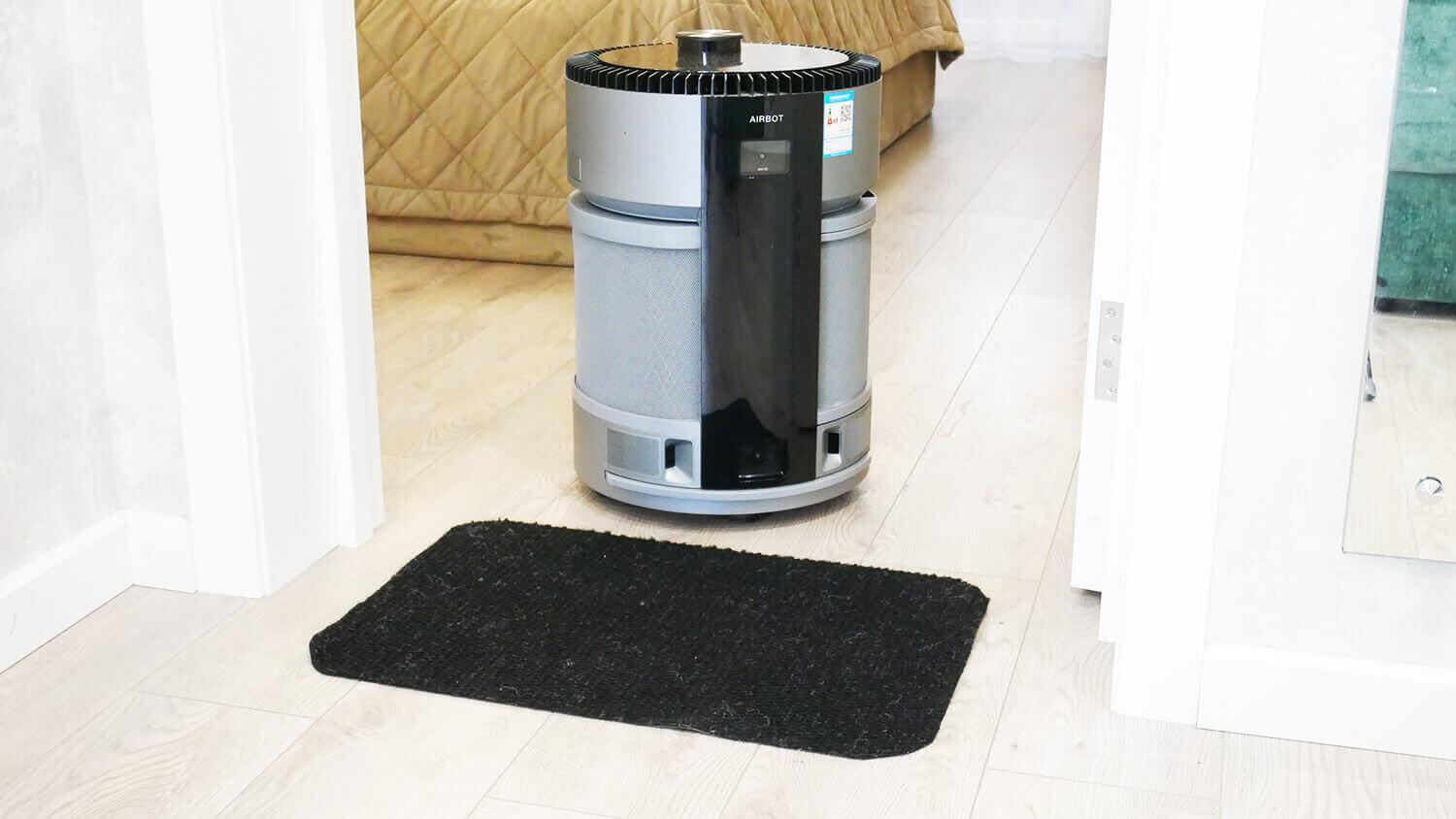
Driving through black surfaces
The robot isn't afraid of hard black floors and moves across them without any problems. This is good. In any case, the problem isn't critical. The main thing is that the black carpet doesn't obstruct the robot's movement into other rooms, and it can navigate around it. Unlike robot vacuums, a robot cleaner doesn't need to cover every square meter.
Obstacle clearance
It's much more important to test the robot's maneuverability, as many have thresholds between rooms. Despite the generous clearance between the bottom and the floor and its large wheels, the ECOVACS AIRBOT Z1 is unable to navigate thresholds as small as 2 cm. However, it can navigate thresholds as small as 1.5 cm. The ECOVACS AIRBOT Z1 can navigate low- and medium-pile carpets.
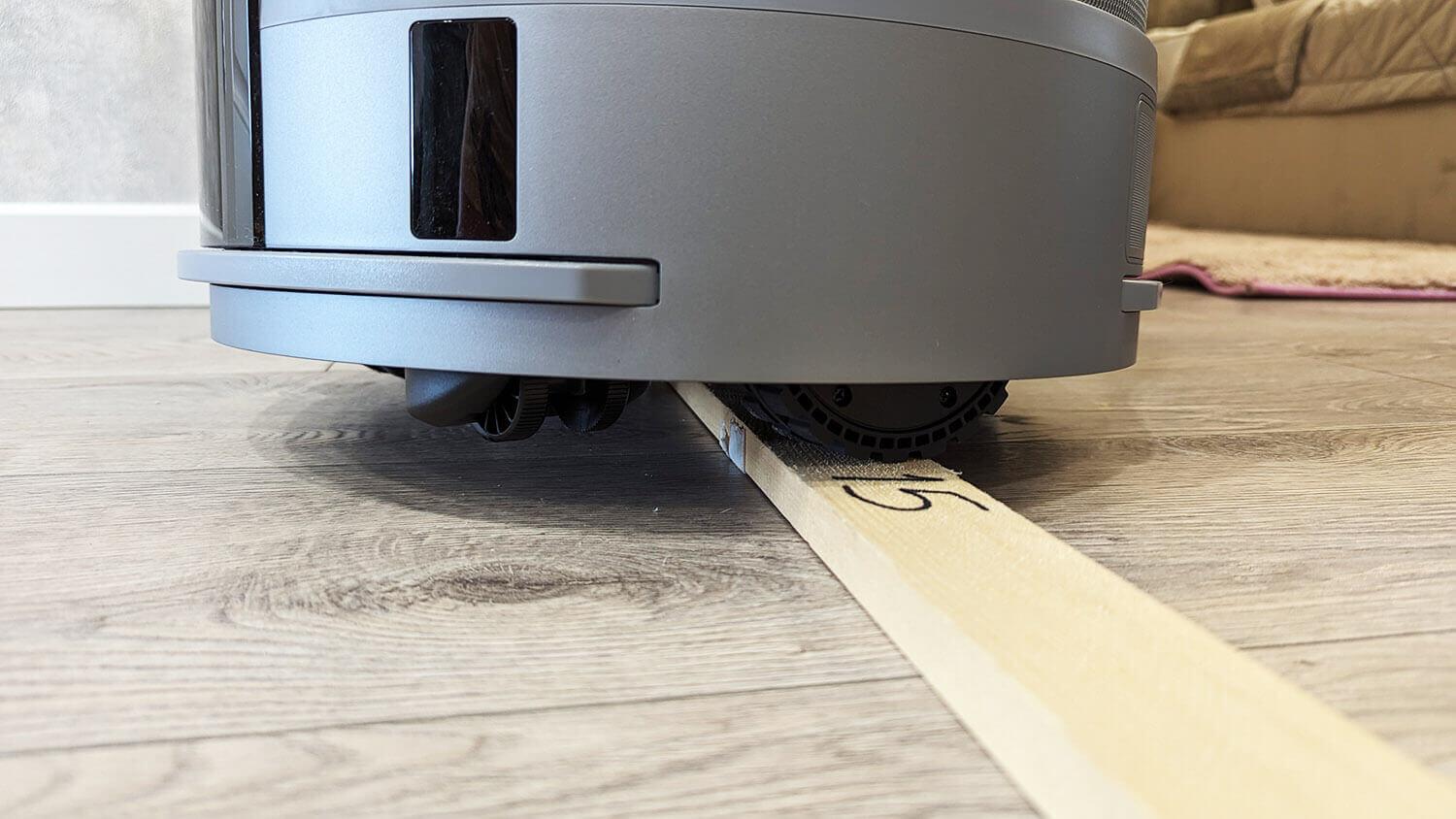
Passability
Personal opinion
After a detailed review of the ECOVACS AIRBOT Z1, I'll share my personal opinion. I liked the following:
- Automatically moves from room to room and allows you to purify the air in your entire house or apartment with a single device. This is the robot's main feature. You don't need to buy multiple purifiers, one for each room, if you ever need one. No need to carry a heavy purifier from room to room. Just press a button and enjoy clean air. It's a joy!
- Precise navigation based on lidar. The robot has excellent spatial awareness.
- A system for accurately avoiding obstacles.
- Air humidification function. This is not only a robotic air purifier, but also a robotic air humidifier. Again, this solution allows you to automatically maintain the desired humidity level throughout your home with a single device.
- Air disinfection. It's also worth noting the inclusion of a UV lamp for air disinfection. I can't verify the effectiveness of this solution, but I'm confident the engineers at the reputable ECOVACS won't be playing around with it.
- Air scenting. Yes, during the automatic cleaning cycle, the air you expel is scented. That's awesome!
- Convenient app control. All statistics are saved, you can monitor the status of consumables, and set up a cleaning schedule. Very convenient!
- Remote home monitoring via camera.
- Support for remote sensors to monitor air quality individually in each room.
- Playing music through the robot's speakers. The sound is loud and clear.
- High productivity. Considering the average values over the entire period of operation in automatic mode, 300 cubic meters per hour is, in my opinion, a good result, considering that similar machines claim approximately twice as much. Moreover, I'm sure these figures are based on maximum power.
- High-quality air filtration system based on HEPA H. Based on the experience of using it for several months, I can say that, judging by the sensors, the air has become much cleaner when used approximately once every 2 days.
- High build quality and brand reliability.
In fact, there are many more advantages, but I have only highlighted the main ones, in my opinion.
Speaking about the shortcomings, the following were identified:
- This model is for the Chinese market. Consequently, there are no voice notifications in Russian, the proprietary voice assistant doesn't work, and most importantly, there's no full manufacturer warranty or service.
- High price. The robot isn't cheap, comparable to premium robot vacuums, or even more so. Not everyone can afford one. But then again, stationary air purifiers aren't cheap either. On average, models from reputable brands cost between $350 and $700. But here you get a multifunctional yet autonomous air purifier that can move independently around the home and replace several purifiers placed in different rooms.
- Lidar scans mirrors as new rooms that can't be removed from the map or restricted to restricted areas. Consequently, the robot can clean the air around mirrors as if it were in those rooms. This wastes battery power and may not be sufficient to clean the air in other rooms.
- The robot is afraid of black carpeting. This is more of a criticism than a flaw.
- The clearance is no more than 15 mm. Again, this is more of a comment. Given the bulkiness and height of the structure, it is generally not recommended for use on road trips, to prevent it from accidentally tipping over and becoming damaged.
Overall, I'm very pleased with the purchase and the opportunity to test a robotic air purifier, given my experience with robotic vacuum cleaners. I definitely liked the ECOVACS AIRBOT Z1, and it's definitely worth considering. It's especially useful for allergy sufferers or those simply looking to improve the air quality in their apartment or home. For example, my decision to buy a robotic air purifier was driven by three factors: dusty air around my house due to the large number of buildings under construction nearby; my combined living room and kitchen, which resulted in unwanted cooking odors; and my dog, who also has an odor. Thanks to the ECOVACS AIRBOT Z1, my apartment has become more comfortable, fresh, and pleasant to be in.
That's all from me. If you have any questions, please ask them in the comments. Happy shopping. Bye!