Comparing Xiaomi robot vacuum cleaners under $200: which one to choose?
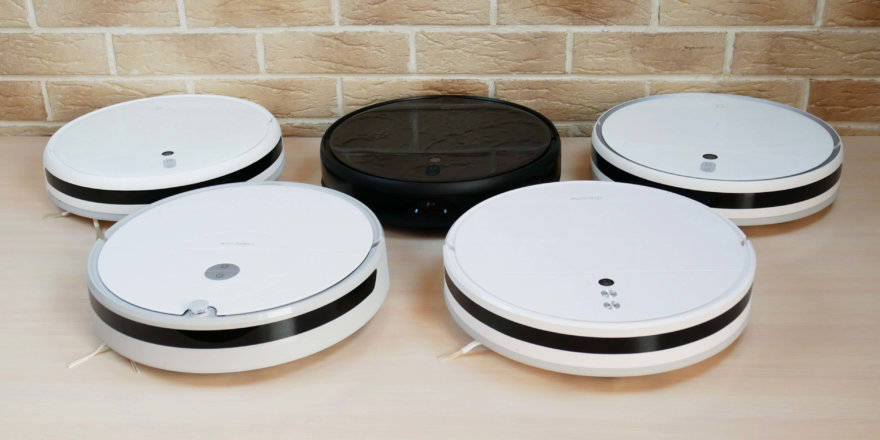
Hello to all readers of this site! In this article, I'd like to compare the most affordable Xiaomi robot vacuum cleaners from various sub-brands in 2021. The comparison will cover models priced under $200. Of those currently available, these are the five robots I recently reviewed: Mijia 1T (aka Xiaomi Mi Robot Vacuum Mop 2 Pro+), Roborock E5, Dreame F9, Mijia 2C And Mijia 1C (aka Mi Robot Vacuum Mop 1C). I also decided to add it to the comparison Roborock E4 And Mijia G1 (aka Mi Robot Vacuum Mop Essential), which are also selling well. All of these robot vacuum cleaners fall into the sub-$200 price range, making it difficult for many to decide which one is best to buy in 2021. I'll compare specifications, features, and key parameters that influence cleaning performance, such as navigation, suction power, terrain capability, and more. So, let's get started!
Cost comparison
First, let's compare robot vacuum cleaner prices. The most affordable of the seven models is the Xiaomi Mi Robot Vacuum Mop Essential. This is the full model name for the European market. The Chinese version is called the Xiaomi Mijia G1. The robot costs between $120 and $150. During sales, it can even cost a record low of $100.
A slightly more expensive robot vacuum cleaner is the Xiaomi Mi Robot Vacuum Mop. The model's alternative name for the Chinese market is the Mijia 1C. This robot vacuum cleaner costs between $145 and $180.
In 2021, the updated Xiaomi Mijia 2C model hit the market. Currently, the robot is only available for the Chinese market; there's no European version, which is a bit of a caveat I'll cover later. The price ranges from $145 to $190.
Another new product from late 2020 to early 2021 is the Xiaomi Mi Robot Vacuum Mop 2 Pro+, the Chinese version being called the Mijia 1T. This robot vacuum cleaner costs around $200 on AliExpress, but in Russian online stores the price can reach up to $300, which is quite curious. Why so much money?
We've covered the Mijia sub-brand's lineup. Among the Dreame products, the popular Dreame F9, priced between $160 and $180, was included in the comparison. Although the new Dreame Bot D9 Max was released in September, it will only be priced at $200 at launch. The standard price is around $220, which is already outside the price range for this comparison.
Well, two robot vacuum cleaners from Roborock took part in the comparison: Roborock E4, which was released in 2020 and currently costs about $160, and the new 2021 product - Roborock E5, which costs exactly $200.
Current offers for Roborock E5:
In total, the cost of the compared robots varies between $120-$200, and now we need to figure out what we are overpaying for and in which cases overpaying is rational.
Technical specifications
In the table, I've compared the most affordable robot vacuum cleaners in the Xiaomi family:


Here I'll add just a few comments that will help analyze the data in the table. The Xiaomi Mijia G1, 1C, and 2C have weaker batteries, which results in shorter battery life and, in the case of the Mijia 1C, shorter cleaning coverage.
The suction power in parentheses is the actual value from tests. This shows the depth of crevices each robot can vacuum. We see that the new Roborock E5 is the most powerful in the comparison. The Mijia 2C and Dreame F9 are slightly more powerful than the others. The Mijia 1T's claimed suction power is largely a marketing ploy. In reality, the robot's suction power is on par with the E4, 1C, and G1.
Regarding the cleaning area, in brackets I have indicated the actual maximum effective service area, based on the navigation system and battery capacity.
In terms of height, we see that Roboroks are almost 1 cm taller due to the protruding IR sensor on the front of the body. But they have the largest dust collectors.
The noise levels I've listed are based on my own noise meter readings when testing each robot. The more powerful the robot, the higher the noise level. The only thing I found was that the Mijia 1C was unnecessarily noisy.
Functional capabilities
Now let's compare the robots' functionality. Again, I've included all the functions in a table for easy reference:


Here you can see the differences between the robots' functionality. I'll just give a few key clarifications from my perspective. Firstly, the Roborock E5's huge advantage is that it comes with a remote control. This option is ideal for older people who may not be able to control the robot via smartphone, or for those who don't have Wi-Fi in their home or apartment.
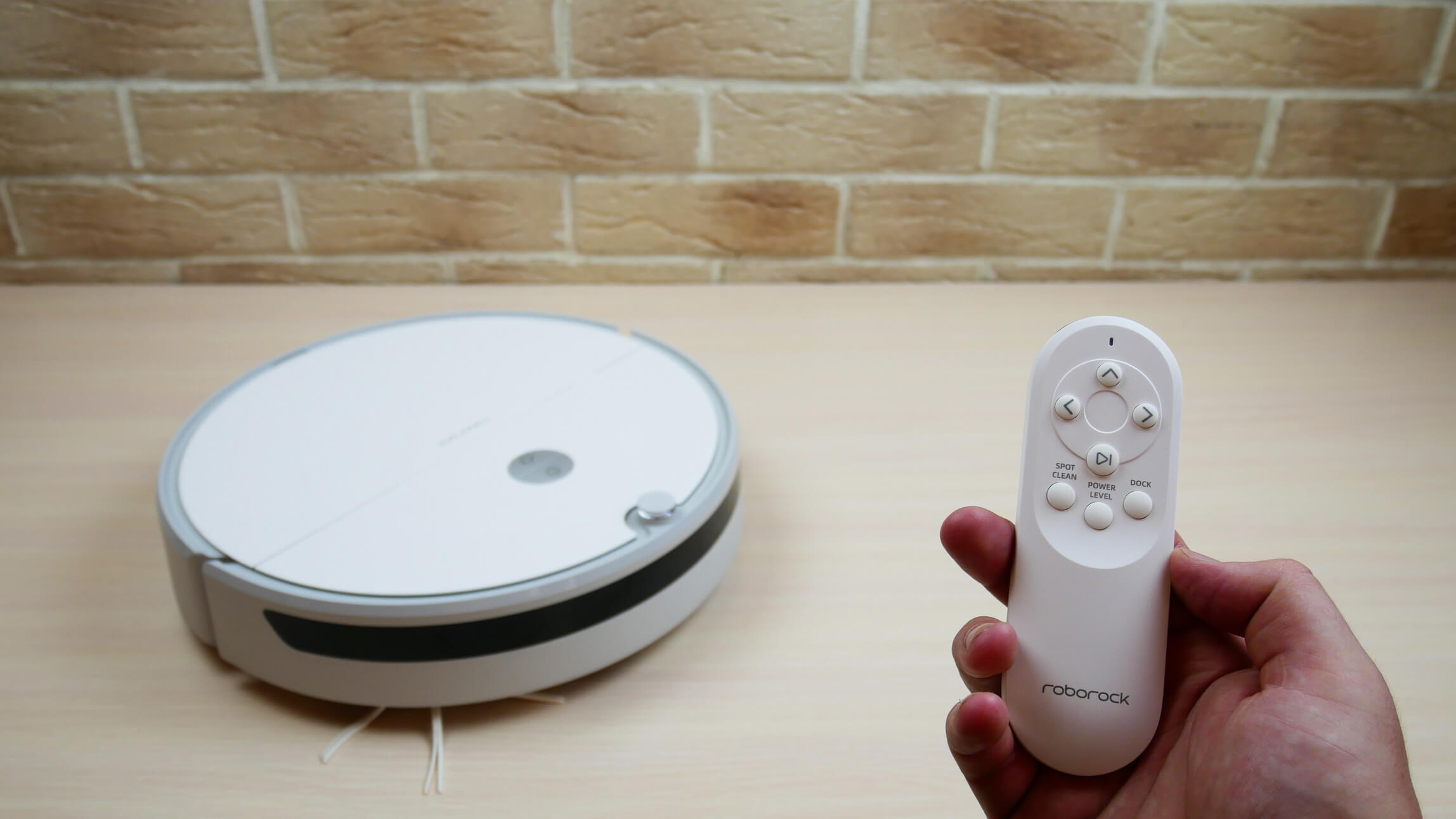
Remote control
The Mijia 1C, 2C, and Dreame F9 have the most optimal navigation. This uses a gyroscope and camera to build a room map and store it in memory. The Mijia G1 has only a gyroscope, making it cheaper than the others, produces a worse map, and lacks advanced mapping features. Roborok robots use a gyroscope and an optical sensor on the bottom of the body. These robots navigate better than the Mijia G1, but their navigation is inferior to the camera and, accordingly, lack advanced mapping features. The Mijia 1T, however, suffers the most in terms of navigation. The ToF sensor on the bumper is less effective and significantly hinders navigation, as I demonstrated in detail during testing. Not only does the robot barely avoid objects on the floor, but it also recognizes invisible objects and begins moving erratically in certain areas. This problem most often occurs on fluffy carpets. So this robot can be said to be one of the worst in terms of navigation due to its incorrect operation.
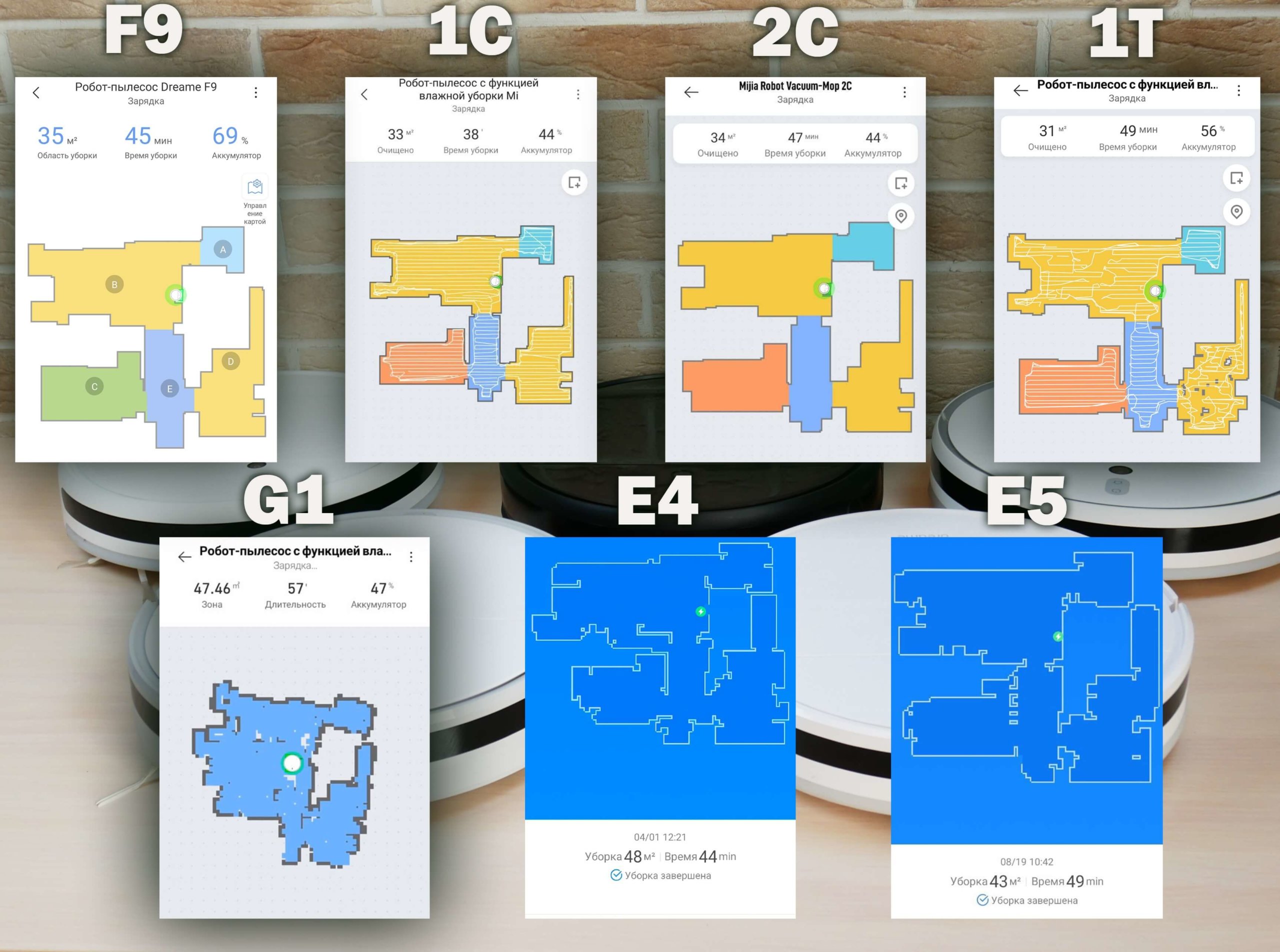
All robots except Roboroks have electronic water supply adjustments. This is a more convenient and practical solution, and water will not flow onto the cleaning cloth when the robot vacuum cleaner is placed on the charging base.
Unfortunately, the Mijia 1C is unable to automatically increase suction power on carpets.
And one last detail: the Mijia 2C and 1T are designed for Chinese, so they don't support control via the Yandex.Alice voice assistant and don't speak Russian at all.
So, in terms of functionality, the Dreame F9 clearly wins. It's followed by the Mijia 1C, 2C, and 1T. And then the Mijia G1, as well as the Roborock E4 and E5.
Quality of cleaning
And finally, the final thing worth comparing is the cleaning performance of robotic vacuum cleaners. A video comparison has already been prepared and published on the channel; I recommend watching:
When it comes to dry cleaning on hard surfaces, the robots clean almost equally and are above average. Only a little debris remains in corners due to the robots' round shape.
The Roborock E5, Dreame F9, and Mijia 2C perform better on carpets thanks to their increased suction power. The Mijia 1T can move erratically due to false signals from the ToF sensor on the bumper, so I don't recommend this robot at all for fluffy carpets.
Roboroks are slightly inferior in wet cleaning, but the difference is minimal. In any case, all robots have a good cloth pressure and are capable of removing slightly dried-on dirt.
All seven models have equally good maneuverability, but more importantly, all of the compared robots, without exception, are sensitive to dark flooring, detecting it by differences in height. This is important to consider.
Besides this, it is worth noting that only Roborock family robots They are able to sweep separately around chair legs and around objects on the floor. For example, during testing, such an object is a box in the middle of the room.
The last thing I'd like to point out is the design of the central brush. They all have bristle-petal brushes, but only the Dreame F9 has a turbo brush that can be easily removed from both sides for cleaning hair and pet hair. Incidentally, the updated Mijia 2C has a six-beam side brush, although this didn't significantly affect cleaning performance.
Comparison results
I've compared the specifications, features, and key nuances of the most affordable Xiaomi models. Now I'll summarize and express my opinion on which Xiaomi robot vacuum cleaner is best for different conditions and budgets under $200.
By the way, in our 100-point rating system Here's the score each of the compared robot vacuum cleaners achieved.
Dreame F9 — 67/100
Mijia 2C – 59/100
Mijia 1T – 57/100
Mijia 1C – 57/100
Roborock E5 – 55/100
Roborock E4 – 53/100
Mijia G1 – 49/100
Overall rating of robot vacuum cleaners tested on robovac.washerhouse.com: https://robovac.washerhouse.com/en/rejtingi/robovac-obshhij-rejting-robotov-pylesosov-robo.html.
In my opinion, the Mijia 1T and Roborock E4 aren't the best options overall. The Mijia 1T has the highest price, but its poorly implemented navigation system negatively impacts cleaning performance. Furthermore, the robot is designed for the Chinese market, which limits its capabilities. The Roborock E4 is a questionable robot for the price. It boasts nothing special except reliability, and its price is comparable to similar robots with advanced navigation. Therefore, I think it makes little sense to buy it in 2021, given the release of the updated model.
The Dreame F9 is clearly the best Xiaomi robot vacuum cleaner under $200. It offers the most comprehensive features, increased suction power, and excellent cleaning performance, while remaining mid-range in price compared to similar products.
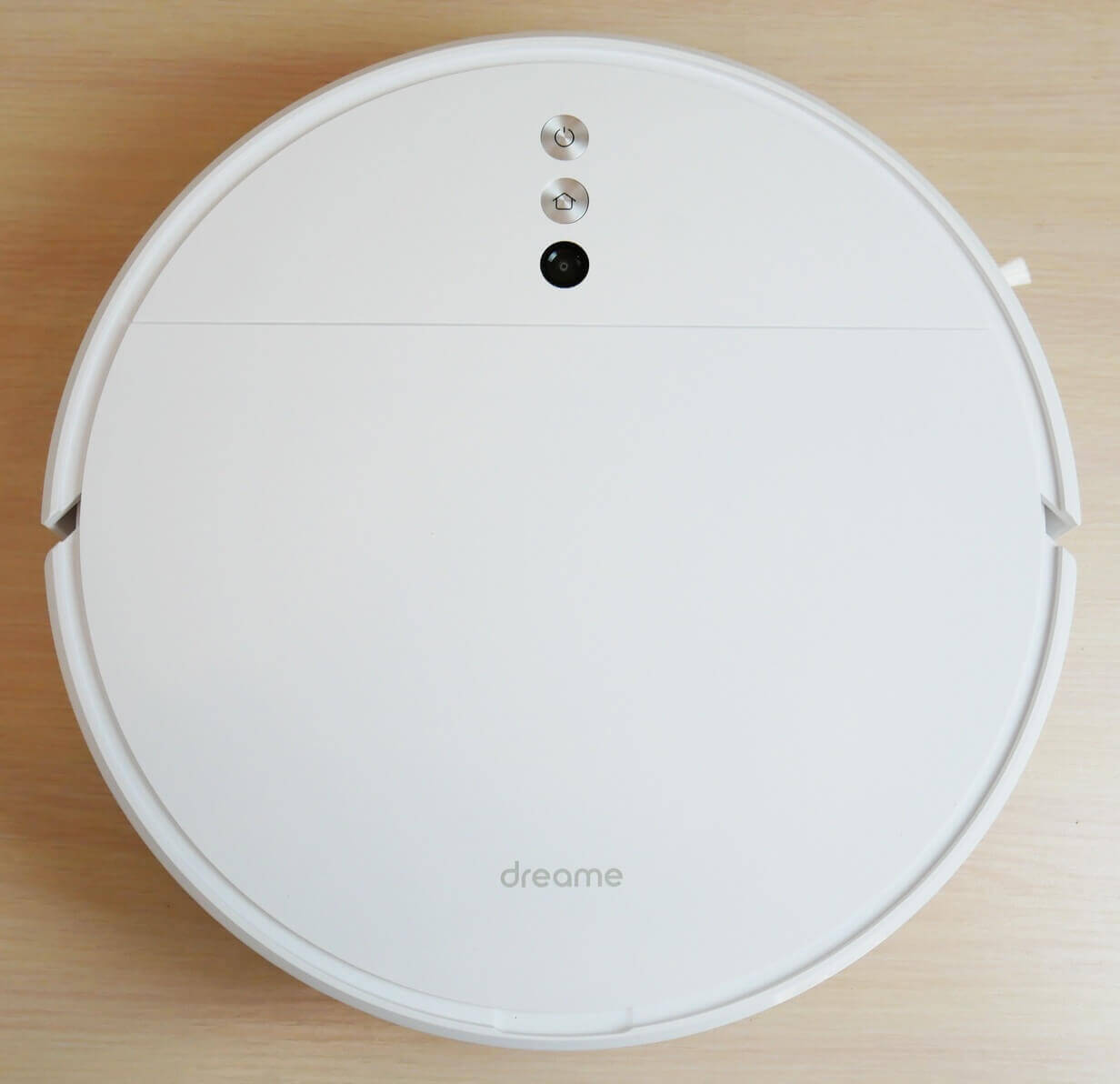
Dreame F9
I'd award second place to the Roborock E5 for its strong suction power, good build quality, and included remote control. If you don't need advanced map functionality, or, for example, have a small cleaning area, this robot is a better choice, even if it's based on the brand's reliability.
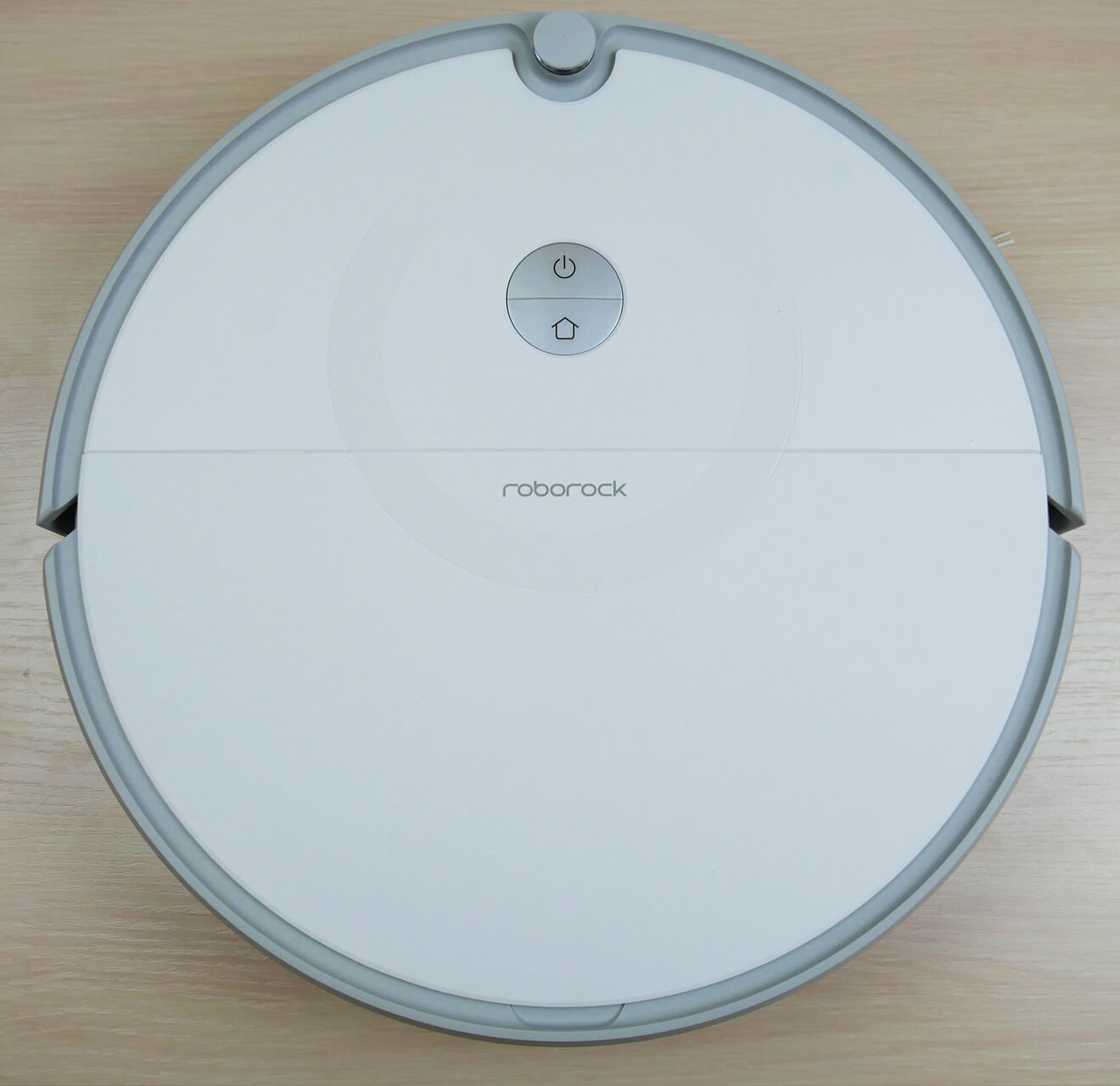
Roborock E5
I award third and fourth place to the Mijia 2C and 1C, respectively. The pre-facelift model has a more attractive price, plus it supports Yandex.Alice and a Russian voice pack. The app also works more reliably on local servers.
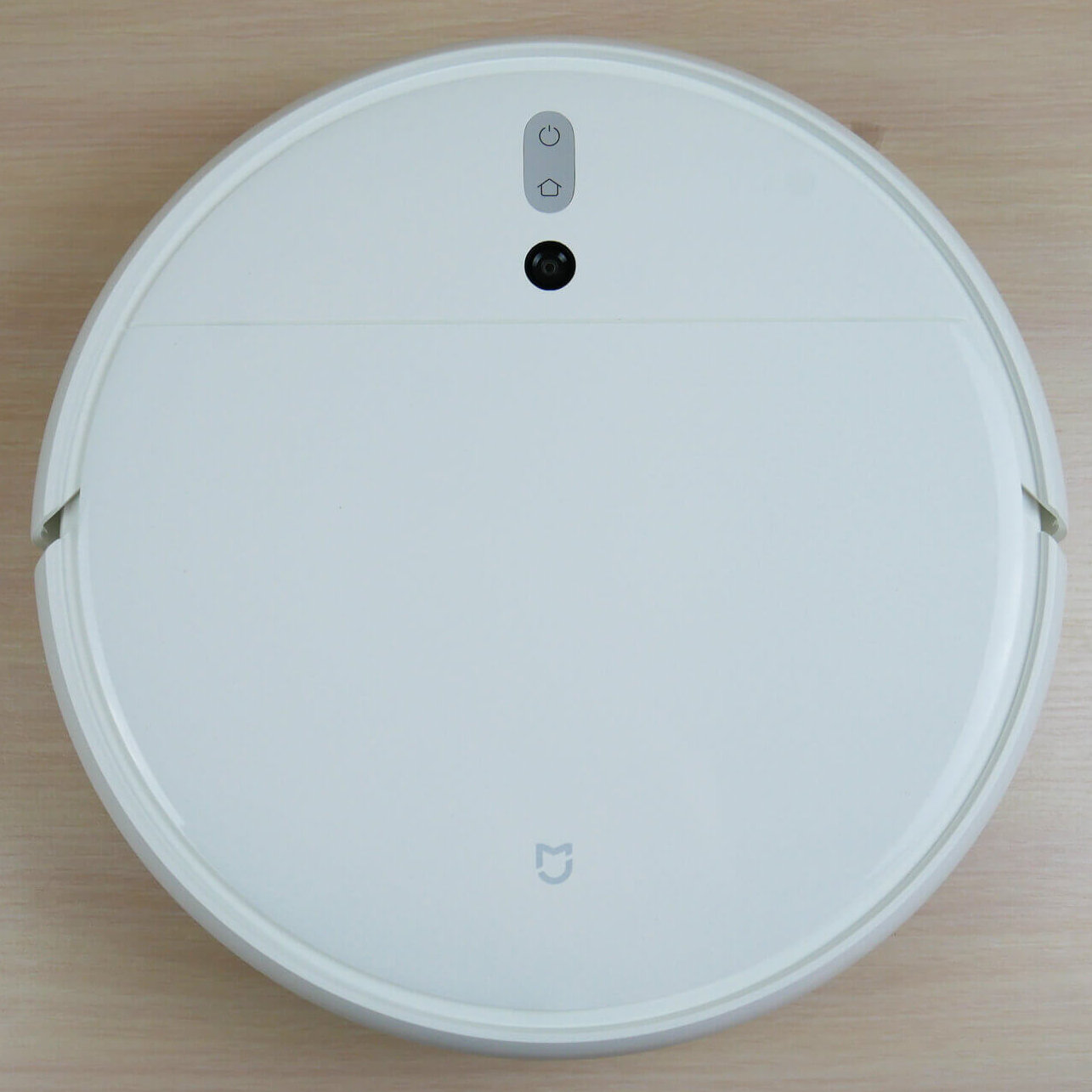
Mijia 1C
But the updated Mijia 2C may convince with increased suction power, a longer-lasting battery, an automatic power boost feature for carpets, and support for no-go zones in the wet cleaning mode. The brush and water tank have also been updated.
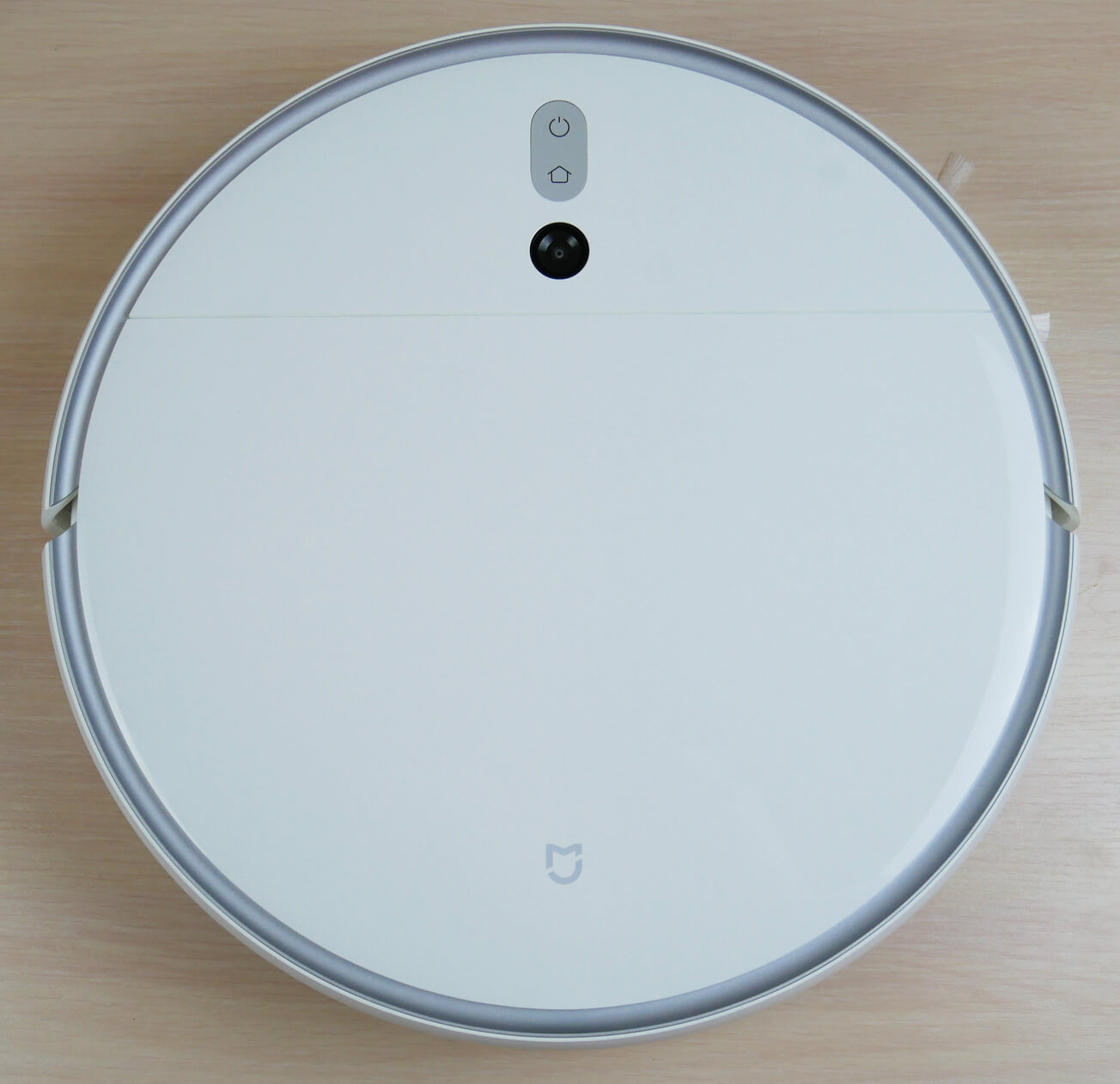
Mijia 2C
It's up to you to decide what's more important to you. I still prefer the updated version.
Last but not least is the younger Mijia G1. It has the most limited functionality and the weakest navigation, but the price can be 30-50% lower. For a small home, it makes sense to save big and choose a simpler version of the robot. This is especially true if it costs $100-$120, as is the case during major sales. Just carefully analyze the differences in specifications and features to determine whether the extra cost is worth it.
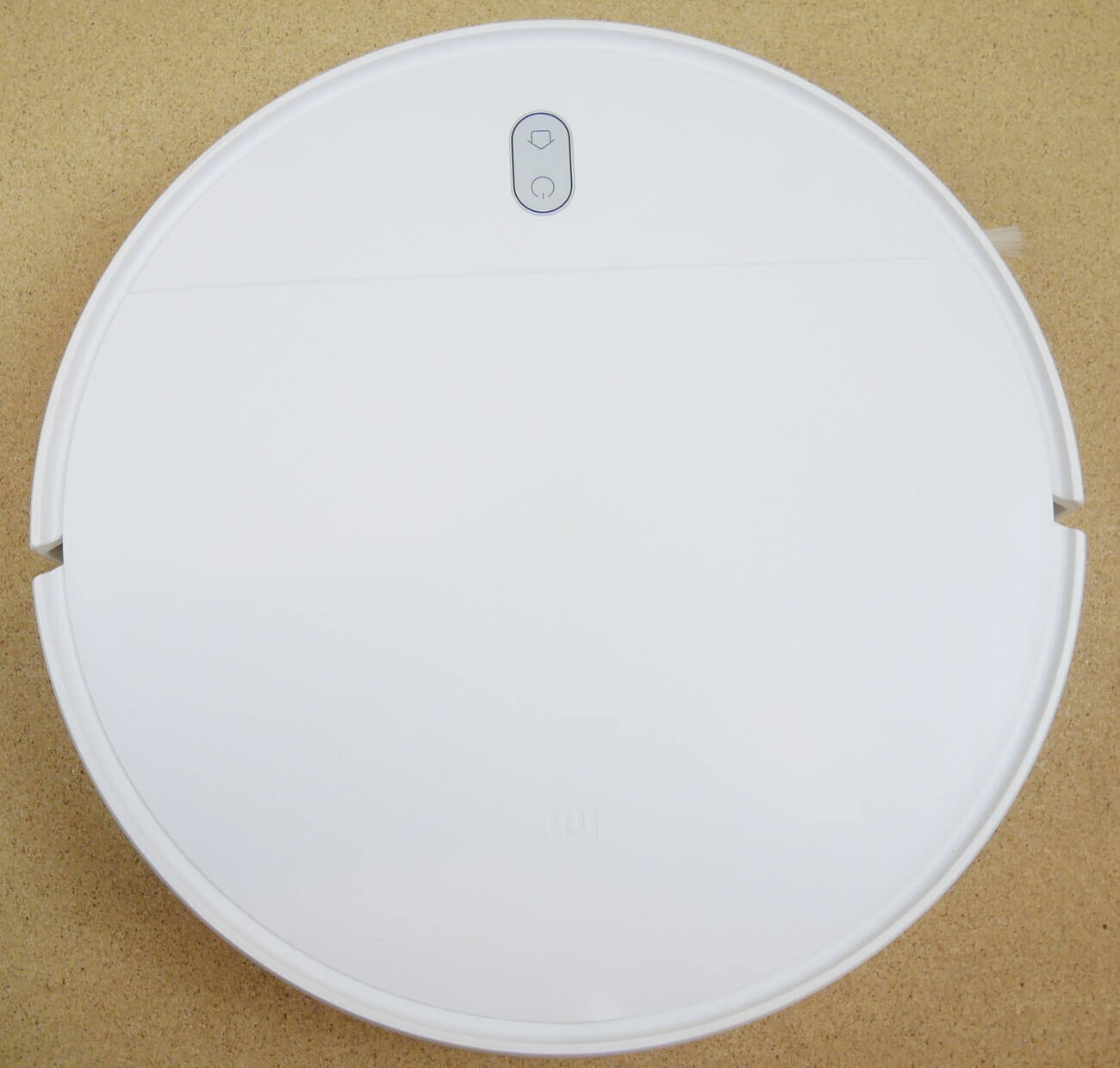
Mijia G1
Xiaomi Robot Vacuum Cleaners Under $200
In summary, here's a ranking of the Xiaomi robot vacuum cleaners priced under $200, ranked from best to worst:
- Dreame F9
- Roborock E5
- Mijia 2C
- Mijia 1C
- Mijia G1
- Roborock E4
- Mijia 1T
Well, what if the price is Dreame Bot D9 Max If it stays under $200 or so, it's undoubtedly the best in this price segment. This robot already has a lidar sensor, meaning navigation is much more accurate, and its suction power is superior to others. The stated suction power is 4000 Pa, but in reality, it was able to suck up debris from a crevice as deep as 8 mm. So, at $254, it's definitely the best Xiaomi robot vacuum cleaner for under $200! I'll publish a review of this robot on my website and channel in a few days.
On this note, I'd like to conclude this comparative review. Thank you all for your attention. Happy shopping. Bye!
Good day! Why isn't the Mijia LDS vacuum cleaner listed in this rating?
Hello! Firstly, I haven't tested it yet, and secondly, the price is only below 20k during the sale. The regular price is 22k. I'll use it in a comparison of robot vacuums between $200 and $300 after a detailed review.
In the 20-30 thousand category, Roidmi Eve Plus with a self-cleaning base costs $300 on sale, you don’t need service for a month
Could you tell me how to choose between dry-only or wet-only cleaning on the Dreame F9? Can I use it without the water container?
Hello! Yes, of course you can!
Hello! Have you tested the Xiaomi Mi Mijia Robot Vacuum Mop 3c? Which do you think is better, it or the Dreame F9?
I haven't tested them, but I think they're on par. The 3C has better navigation and wet cleaning (most likely), while the Dreamy has better software and a more powerful motor.
Thanks for the great review. I still can't decide. I'm looking for a no-fuss robot vacuum cleaner (for an elderly person) for under 20,000 rubles for a typical 70 square meter apartment with parquet floors and some carpets. Any specific recommendations?
Lydsto R1D is possible if there is Wi-Fi.
Hello! I'm considering the Xiaomi Mi Mijia Robot Vacuum Mop 3c. I saw that you haven't tested it, but maybe you could give me some advice. I'm concerned about the 300 ml dust container. Based on your experience, do you think this is a sufficient capacity, or should I consider a different model?
I tested it, read the review I don't recommend it. The Midea M6 is better.