Xiaomi Mijia 1C vs. Roborock E4: Which Robot Vacuum Cleaner is Better?

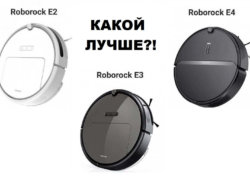
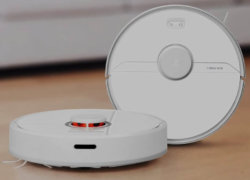
Hello to all readers of the site robovac.washerhouse.com! We recently released a review of the new Roborock E4, which is the company's newest product. The robot costs around $200. Many have questions about this model, mainly about how much better or worse the Roborock E4 is compared to its previously released sibling. Xiaomi Mijia 1C (aka Mi Robot Vacuum-Mop), which is priced at roughly the same level, ranging from $170 to $200. Since we reviewed both robots, we'll try to compare them in as much detail as possible. So, let's get started!
Navigation
First, let's compare navigation. The Xiaomi Mijia 1C uses a camera and a gyroscope.
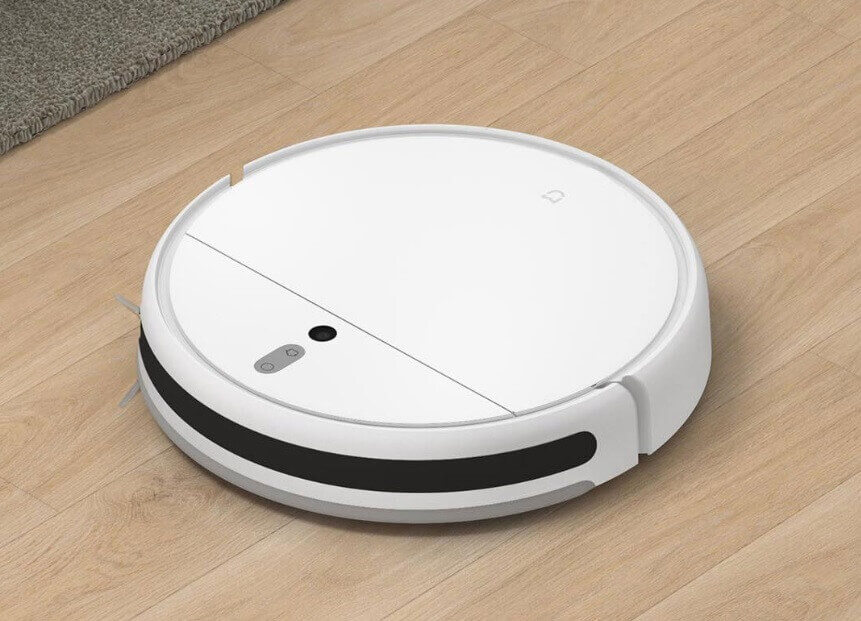
Xiaomi Mijia 1C
The Roborock E4 uses a gyroscope and a bottom-mounted optical sensor for navigation.
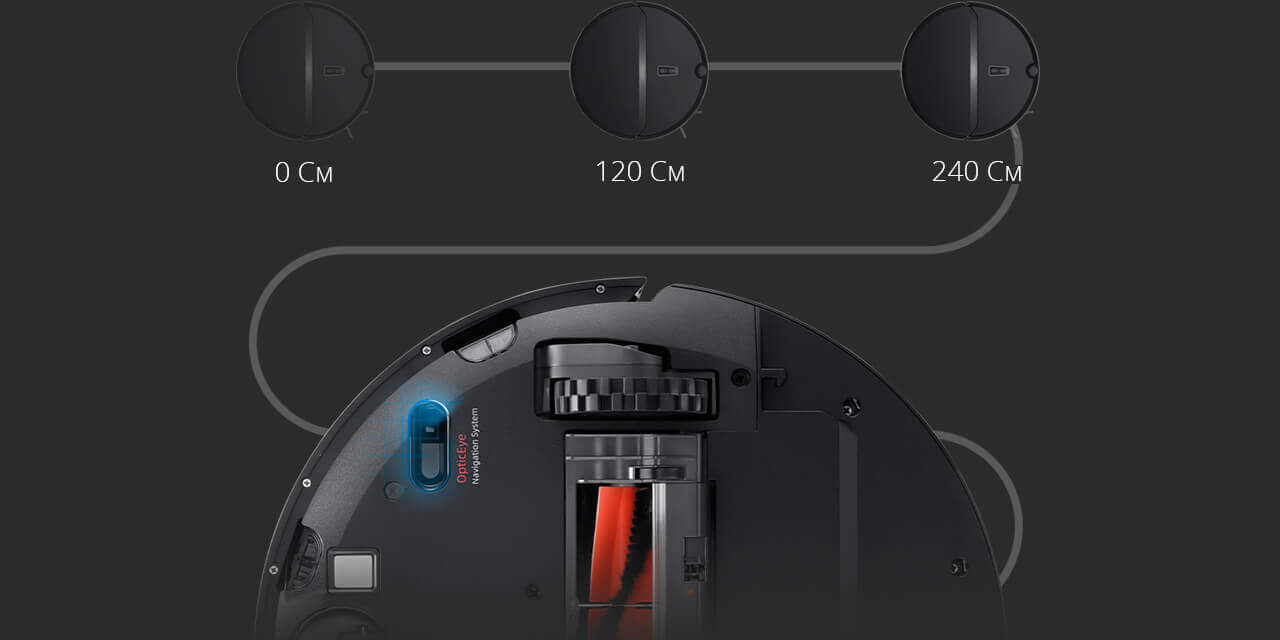
Optical sensor
Both robots move in a serpentine pattern across the available space, leaving no areas untouched. However, the Mijia 1C can create a room map and store it in its memory, which expands the range of features we'll discuss later. The Roborock E4 can create a room map, but doesn't display it in real time during cleaning. The map is saved in a cleaning log for tracking cleaning results. In this regard, the Mijia 1C scores its first point over the Roborock.
Mijia 1C1:0 Roborock E4
Cleaning speed
Next, let's compare cleaning speed, which may be important for some. Robot vacuums clean at roughly the same speed. In our case, the Mijia 1C cleaned the entire available area, 34 square meters, in 36 minutes.
The Roborock E4 cleaned the same area in 39 minutes. The Mijia has a slight advantage here, but it's not significant enough to warrant another point. Overall, it's a tie. Both robots finish cleaning after they've covered the entire area. In other words, they won't keep rolling until the battery is completely drained, which is a plus.
Mijia 1C1:0 Roborock E4
Design
Next, let's compare the robots' designs. The Roborock E4 has an updated side brush. It's made of silicone and has five spokes. This brush design is more wear-resistant and slightly better at picking up debris. The turbo brushes on the compared robots are identical and cannot be disassembled.
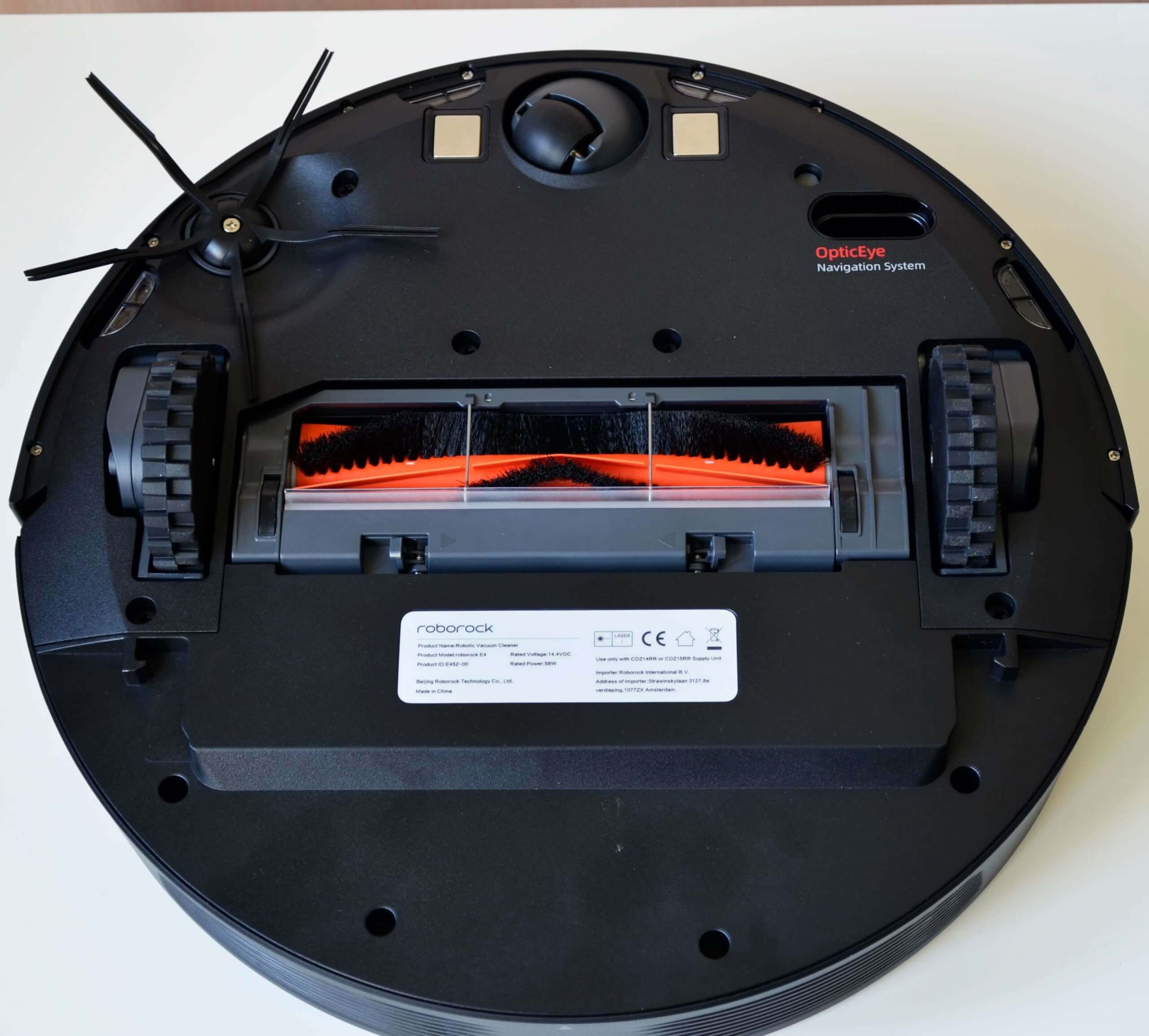
Bottom view of E4
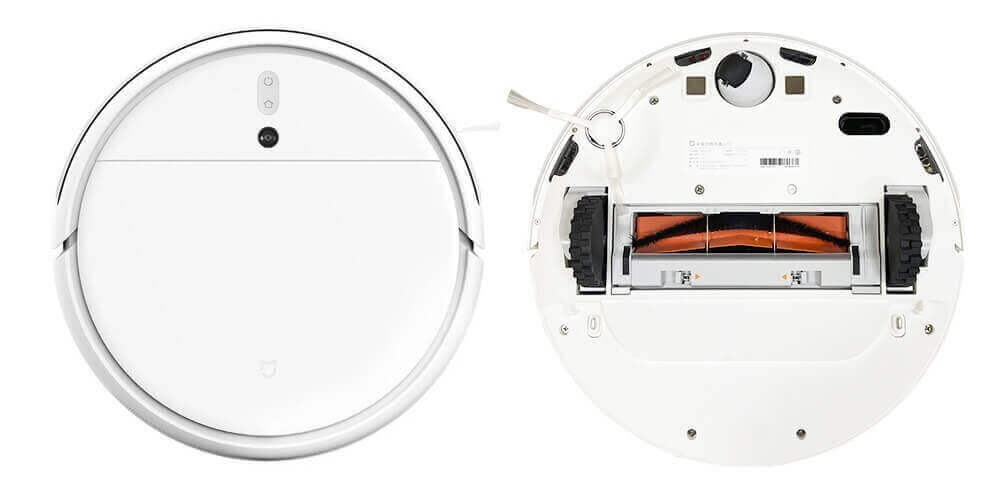
Bottom view 1C
Because the Roborock has a top-mounted IR sensor, the robot is taller than its counterpart. Its height is 91 mm compared to 82 mm. This means the Mijia 1C can clean under lower furniture.
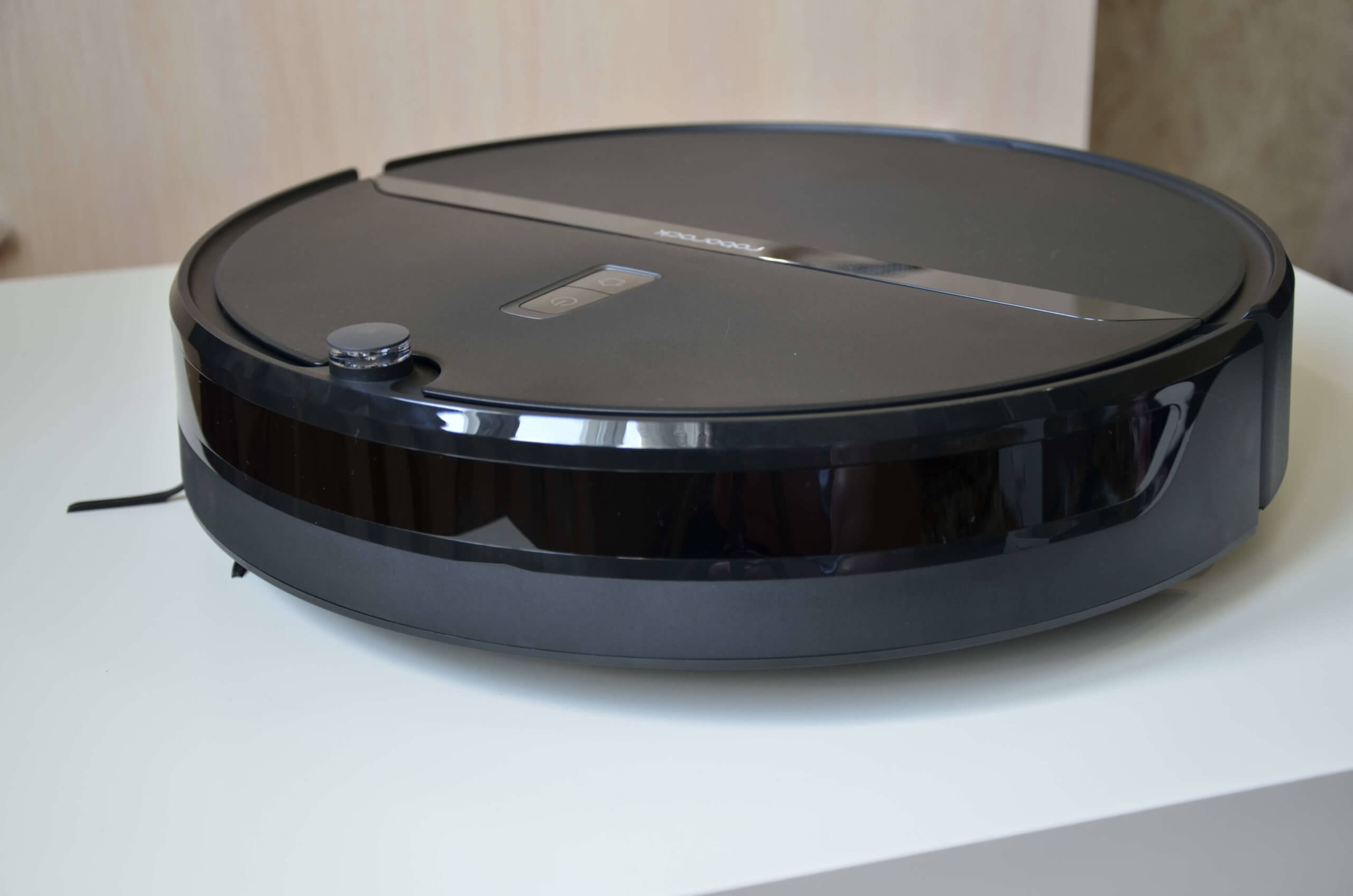
IR sensor in front
The dust collectors of the compared robots are roughly the same: the Mijia 1C holds 600 ml, while the Roborock E4 holds 640 ml. This isn't a significant difference. The wet cleaning attachments are also roughly the same size: 200 ml versus 180 ml. However, there's a caveat. The Mijia 1C features electronic water supply and shutoff via an integrated pump, while the Roborock E4 has mechanical adjustment via a slider on the body. Personally, I prefer electronic adjustment.
Let's summarize the robot vacuum cleaner design comparison. Roborock has a better side brush. Mijia 1C has a shorter height and electronic water supply. So, we'll give Mijia 2 points and Roborock 1. If you have a different opinion, please let us know in the comments, and we'll discuss it.
Mijia 1C3:1 Roborock E4
Technical specifications
Now let's compare the technical specifications. First, there's suction power. The Mijia 1C claims to have 2500 Pa of suction power, while the Roborock E4 claims 2000 Pa. However, we didn't notice any difference in cleaning performance or carpet cleaning depth. So, we can't say the Mijia is more powerful.
The Mijia 1C claims a cleaning area of 100 square meters, while the Roborock E4 claims a 200 square meter cleaning area. This is due to the battery. The Mijia has a 2500 mAh battery, while the Roborock has a 5200 mAh battery. This means the robot can run twice as long on a single charge (200 minutes versus 90 minutes, to be precise). This is a significant indicator. The obstacle clearance of both robots is the same: 20 mm. The other specifications are identical. So, objectively speaking, the Roborock has a better runtime and cleaning area, and its higher suction power wasn't noticeable during testing. Overall, the Roborock scores 1 point. Overall, the score is 3:2.
Mijia 1C3:2 Roborock E4
Equipment
Next, it's important to compare the package contents. The Roborock E4 comes with a docking station mat, a wet cleaning attachment with one cleaning cloth, spare dispenser valves, a charging base, and a power adapter.
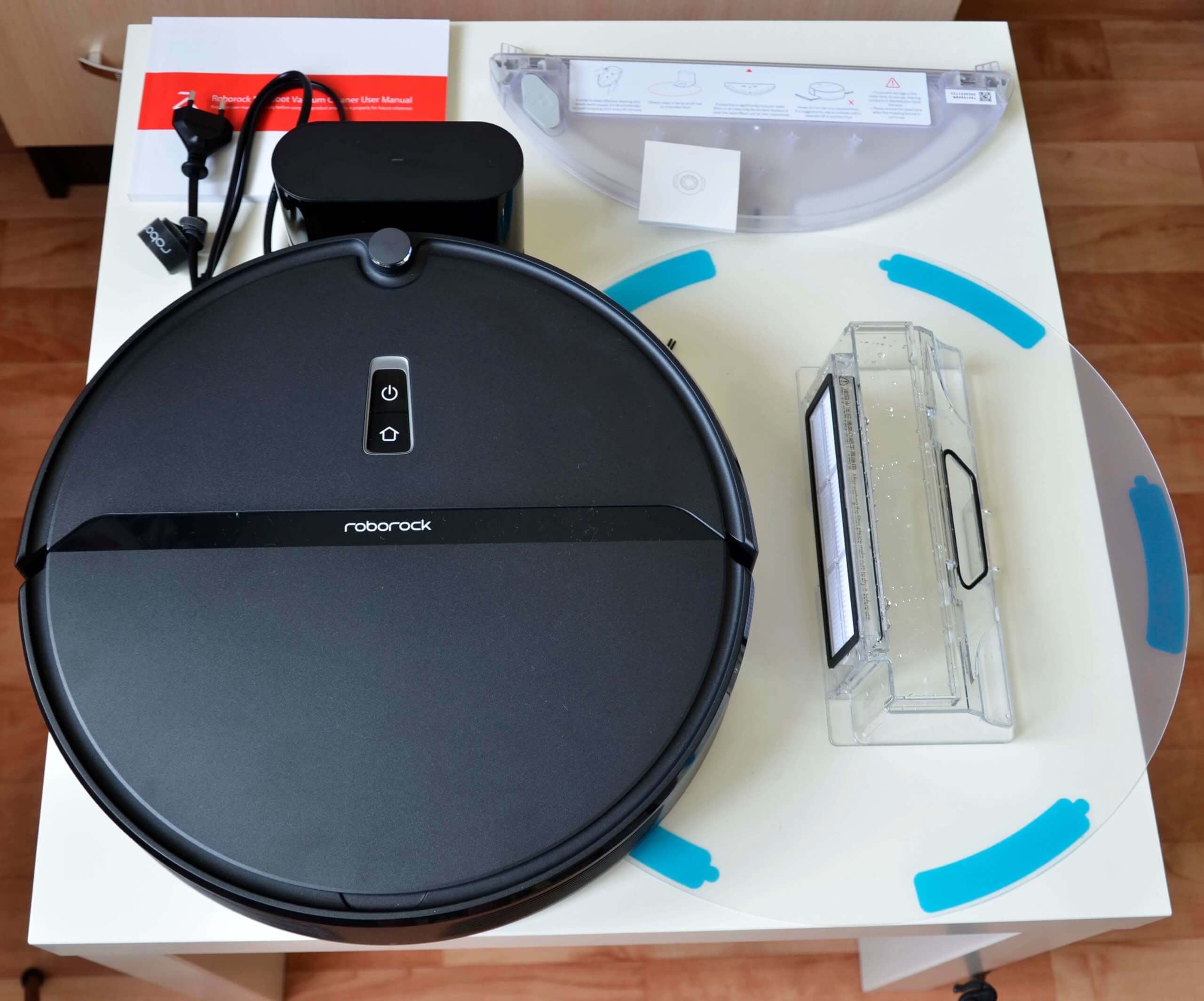
E4 configuration
The Mijia 1C comes with a charging base, a power adapter, a wet cleaning attachment with a cloth attached, and a dust bin cleaning brush.
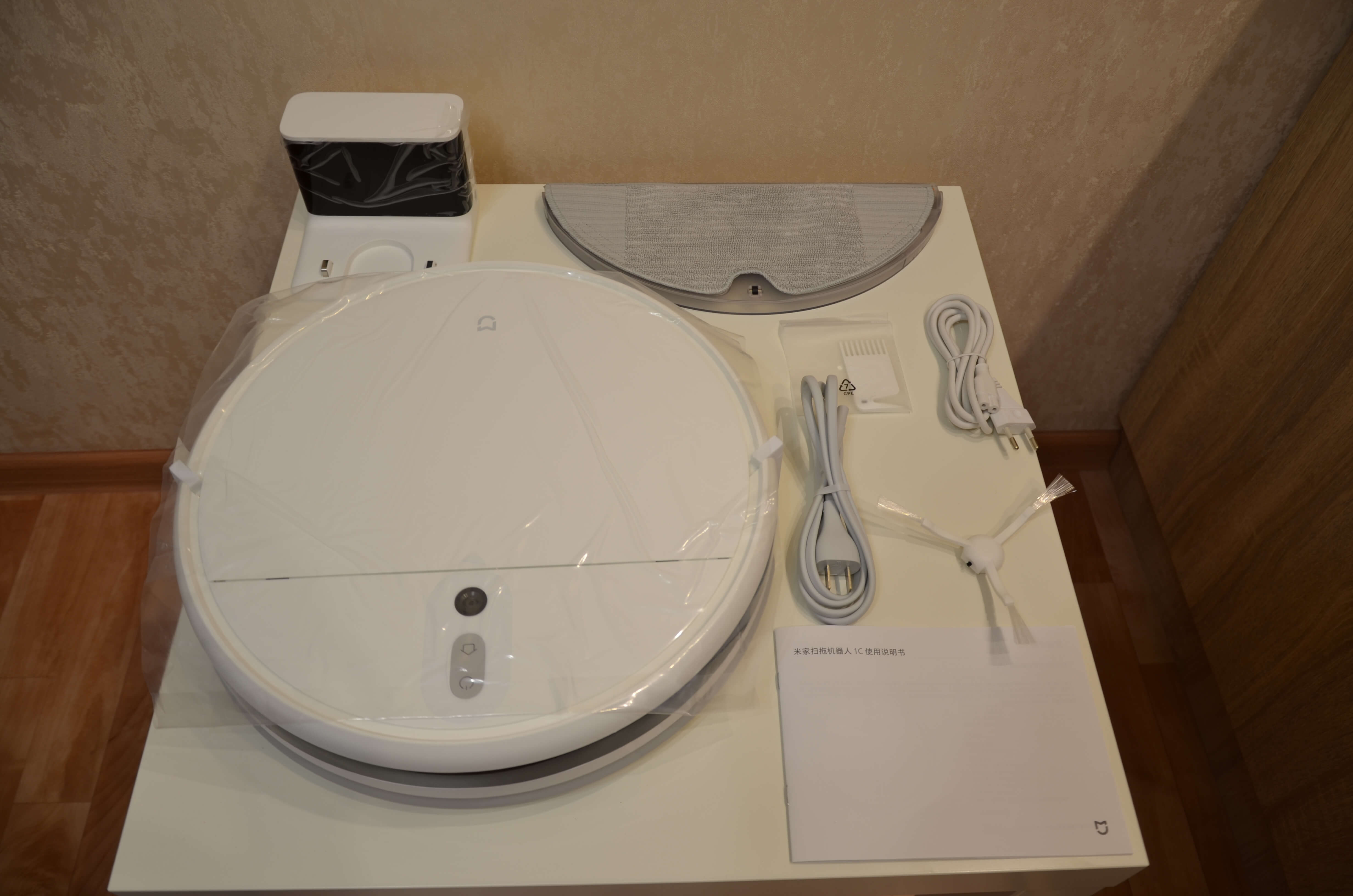
1C package
Overall, I prefer the brush attachment to the base pad. But the difference is minor, as both robots don't come with a spare HEPA filter or cleaning cloths. So, it's a tie.
Mijia 1C3:2 Roborock E4
Functions
Finally, let's compare one of the most important criteria: the functionality of robotic vacuum cleaners. We'll only cover the most important ones. Both robots can be started by timer or controlled manually. They also feature adjustable suction power and water flow. Here are the differences in functionality.
The Roborock E4 can automatically increase power on carpets, which is useful if you have a large cleaning area and want the robot to use battery power efficiently. On hard floors, medium power is sufficient, but when cleaning carpets, it's helpful to increase power to maximum. Therefore, if you don't have carpets in your home, this feature isn't necessary.
The Xiaomi Mijia 1C allows you to set no-go zones and virtual walls in the app. This is a very useful feature, allowing you to protect pet dishes, fragile items, and other objects from contact with the robot vacuum. You can limit the cleaning area to a single room by setting virtual walls in the app.
To restrict the movement of Roborock E4, you need to additionally purchase a magnetic strip.
Therefore, when choosing between increased power on the carpet and no-go zones in the app, I prefer the latter. And considering that the Mijia 1C is already in the lead, the overall score is 4:2 in its favor. But that's just my opinion.
Mijia 1C4:2 Roborock E4
Perhaps others have a different opinion, and the end result is that robot vacuum cleaners are on par, or even better, with Roborock. It's a matter of personal preference. In any case, both models do a good job of cleaning, leaving no debris behind, and cleaning even large areas effectively.
The main thing to understand is that these two robot vacuums in the sub-$200 price range are among the best options. And if Roborok is soon updated with Mijia features, it won't have any significant drawbacks compared to its competitors. Furthermore, if you don't find one of these robots in stock, the other will be an excellent replacement.
Finally, we recommend watching a visual comparison video:
That's all for now. If you have any questions or want to discuss any details, please let us know in the comments! Happy shopping, everyone!