What robot vacuum cleaners can do: Top 10 useful features
Greetings to all readers of the site robovac.washerhouse.comToday I'll tell you about the most useful features found in modern robotic vacuum cleaners. When choosing the right model, many people struggle to find the functionality that's right for their specific needs. And overpaying for useless features isn't practical, especially since advanced features are only found in expensive, premium robotic vacuum cleaners. Below, I'll discuss the 10 most useful features and the conditions in which they're truly essential.
Zoning the premises into rooms
One of the latest features being implemented in new robotic vacuum cleaners is room zoning. The technology works by creating a map of the room and then dividing it into rooms according to its own logic.
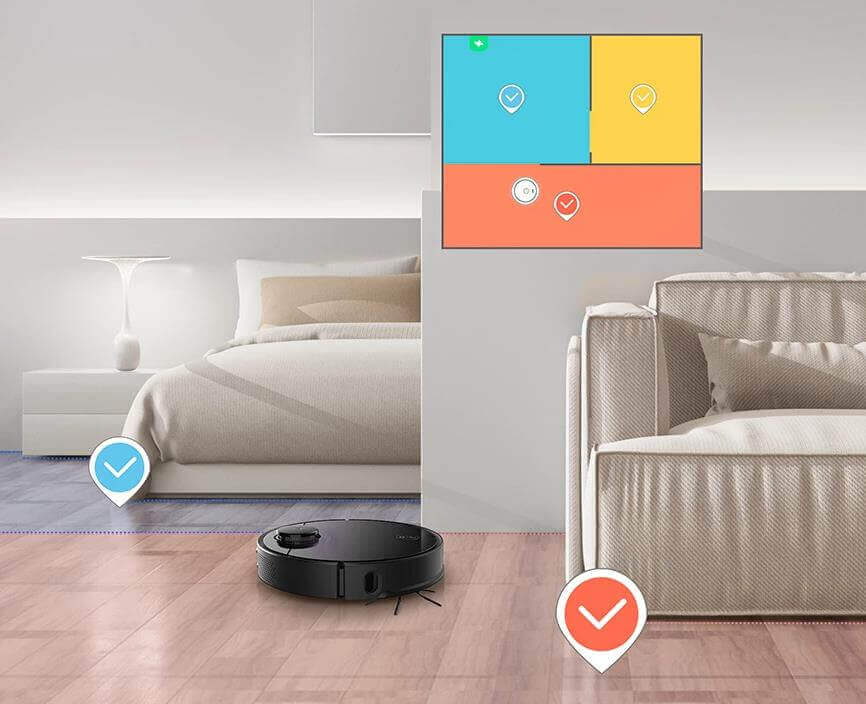
Zoning of premises
You can manually change room boundaries, combining several rooms into one or, conversely, dividing a room into additional zones. This opens up several useful features. The first is directing the robot vacuum to the desired room for cleaning, similar to the zone selection feature, except in this case, instead of selecting a zone with a rectangle, you directly select the desired room. The second feature is setting a cleaning schedule not only by time and day of the week, but also by room. For example, you can program the robot to clean the kitchen at 8 a.m., the living room at 9 a.m., and the bedroom and children's room at 10 a.m., when everyone is awake.
The function of zoning a space into rooms is relevant in large areas; if you have a one-room apartment, it doesn’t make much sense.
Electronic water supply regulation
Currently, robotic vacuum cleaners that wet the cloth drop by drop or require manual wetting are far from the best option if you need high-quality robotic wet cleaning. Quite a few models now offer electronically adjustable wetness levels.


Adjusting the water supply
You can select the appropriate dampness level in the app, which is especially useful if your home or apartment has wooden floors. Furthermore, the new flagship models feature a feature that allows you to select a custom dampness level for each room.
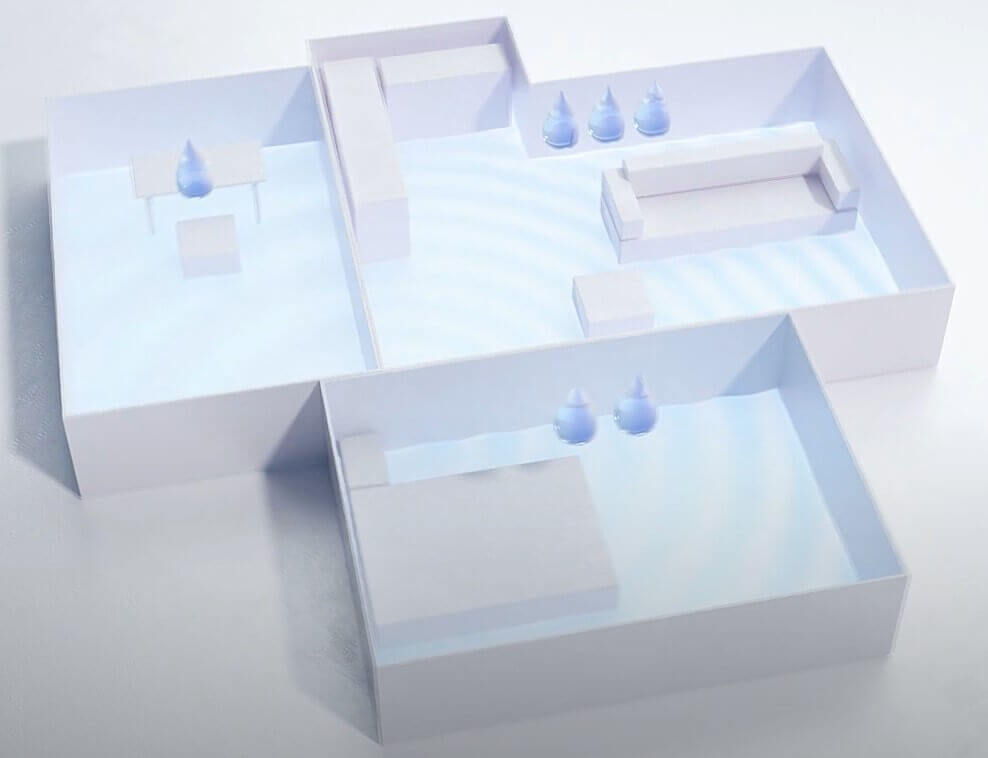
Room-by-room adjustment
For example, if your kitchen has tile floors, choose a deep water level for this room. In the living room and bedroom, where the floors are laminate, choose a low water level to avoid damaging the wood flooring. Even budget robotic vacuums, such as the one above, feature electronically adjustable water levels. Xiaomi Mijia 1C, which costs about $150.
Recognizing objects on the floor
At the time of writing, only three robot vacuum cleaners in the world are equipped with this feature. This is a new one. Roborock S6 MaxV, Deebot OZMO 960 and Deebot OZMO T8 AIVI.
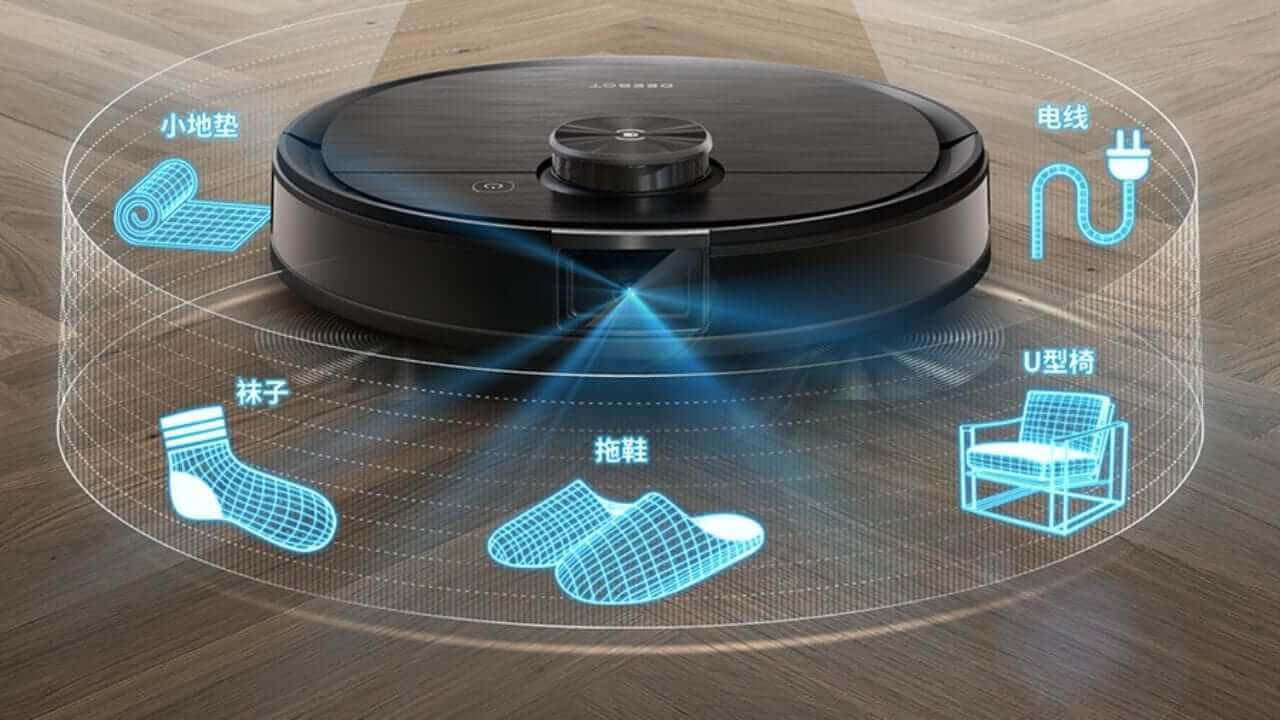
Ecovacs Deebot Ozmo T8 AIVI
Thanks to its front-facing camera, the robot vacuum cleaner recognizes various objects that could interfere with cleaning, such as slippers, cords, socks, and even pet waste.
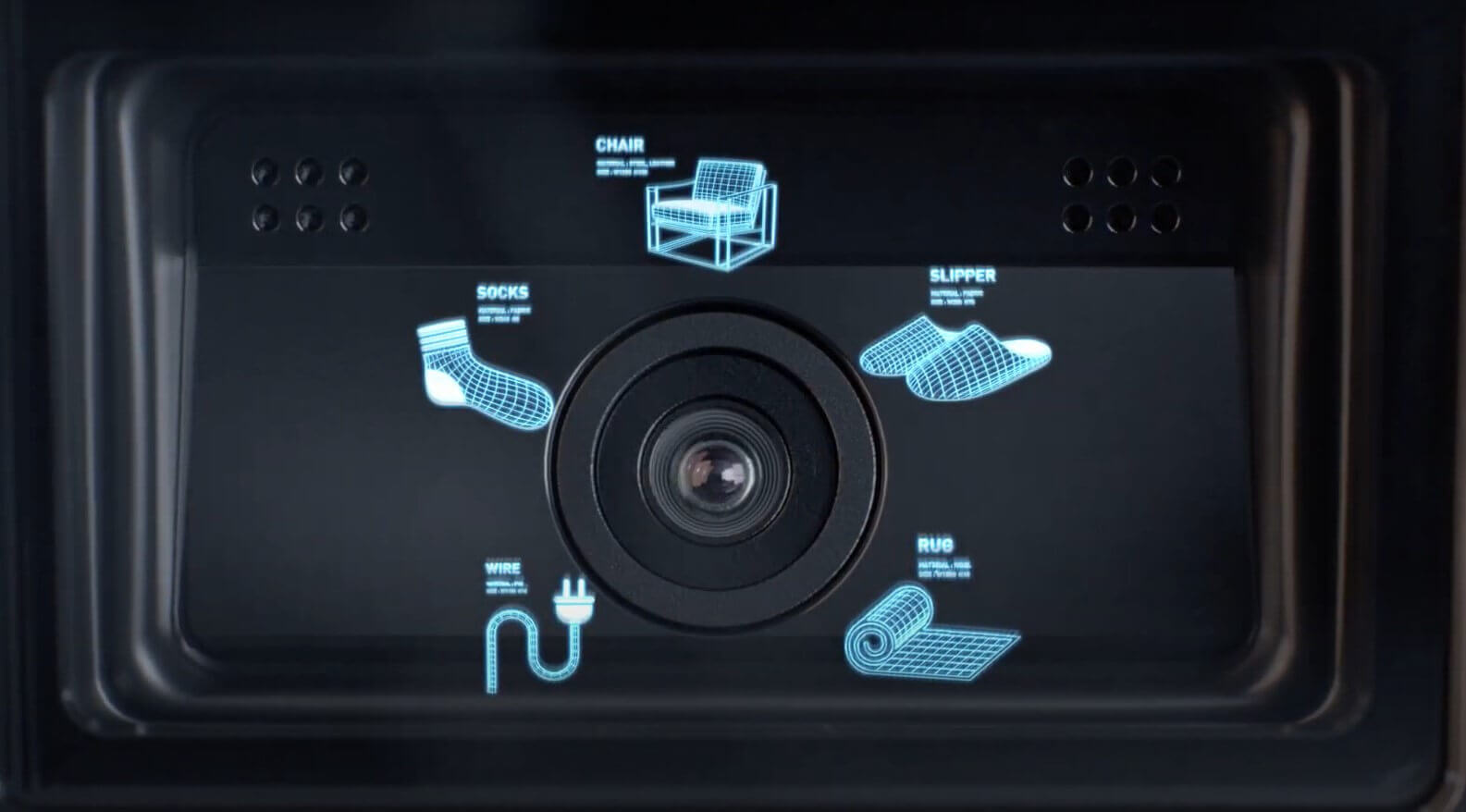
Object recognition
Roborock S6 MaxV:
Now, all these objects won't interfere with the cleaning process, as the robot will avoid them. So, if you have a large home and your pet isn't litter-trained, these robots can be safely used from anywhere in the world, without fear of surprises.
Self-cleaning at base
No matter what anyone says, self-cleaning robotic vacuum cleaners — it's truly convenient and another big step toward automated home cleaning. So, robots with a self-cleaning base are an excellent solution if you're put off by having to empty the dust bin every few cleaning cycles.
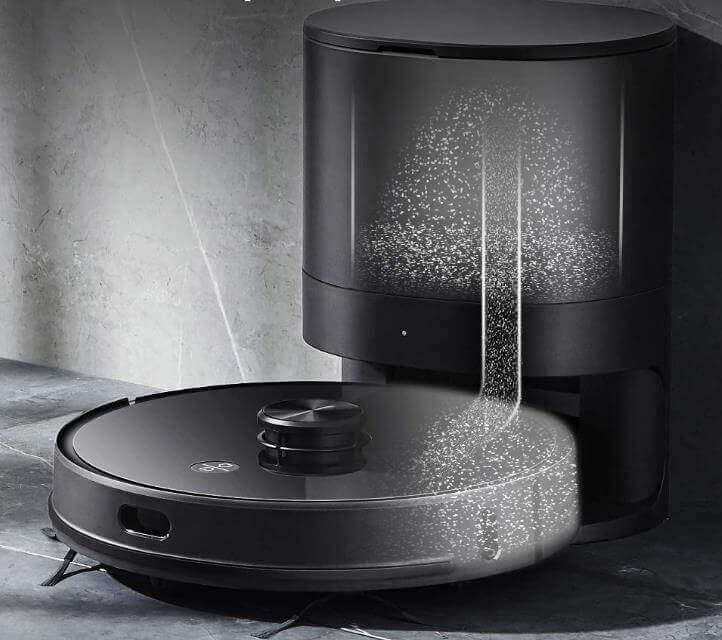
Self-cleaning
By the way, it has already appeared on the market washing robot vacuum cleaner, which self-cleans at its base and also rinses and dries its wipes after each cleaning cycle. The model is called the Narwal T10, and we hope this robot will hit the market soon.
Restriction of cleaning zones
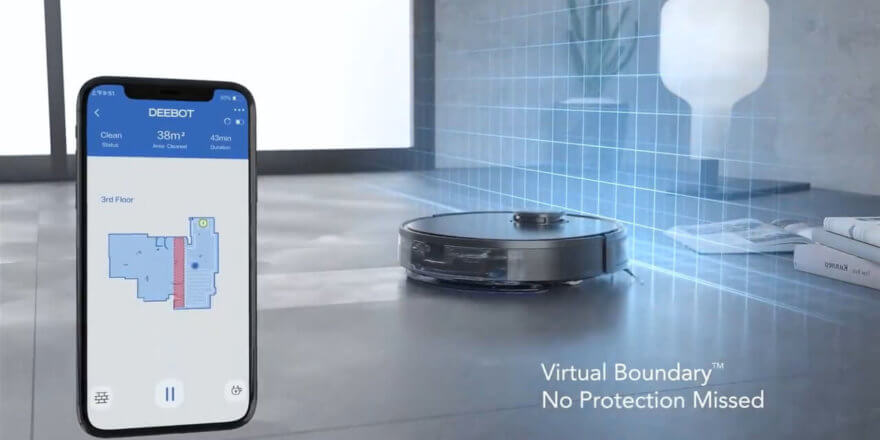
This is a crucial feature in both budget and premium robot vacuums. To prevent the robot from entering areas with dense cords, children's toys, or fragile items, choose models that support virtual walls and no-go zones on the map.
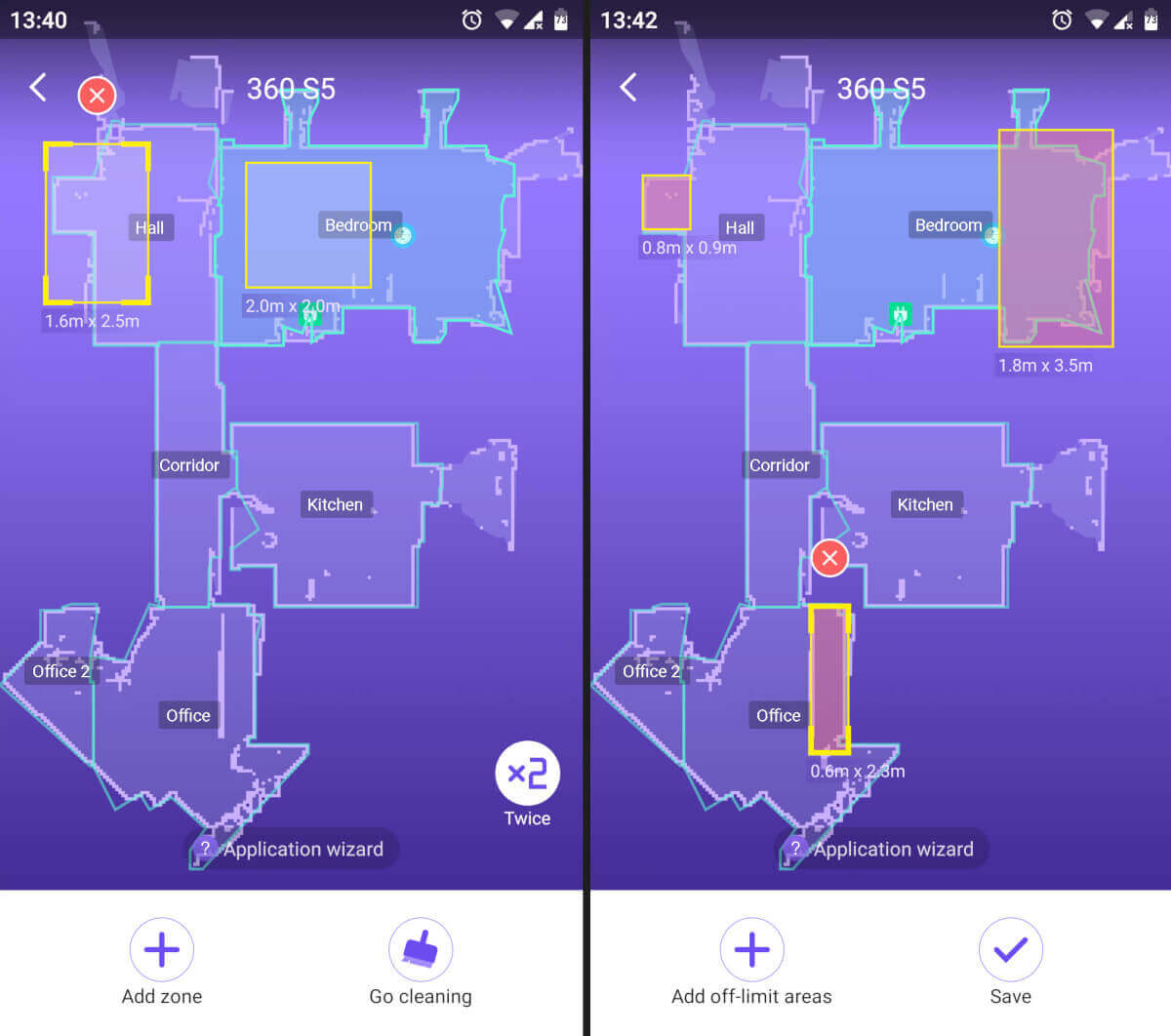
Restricted and Selected Areas
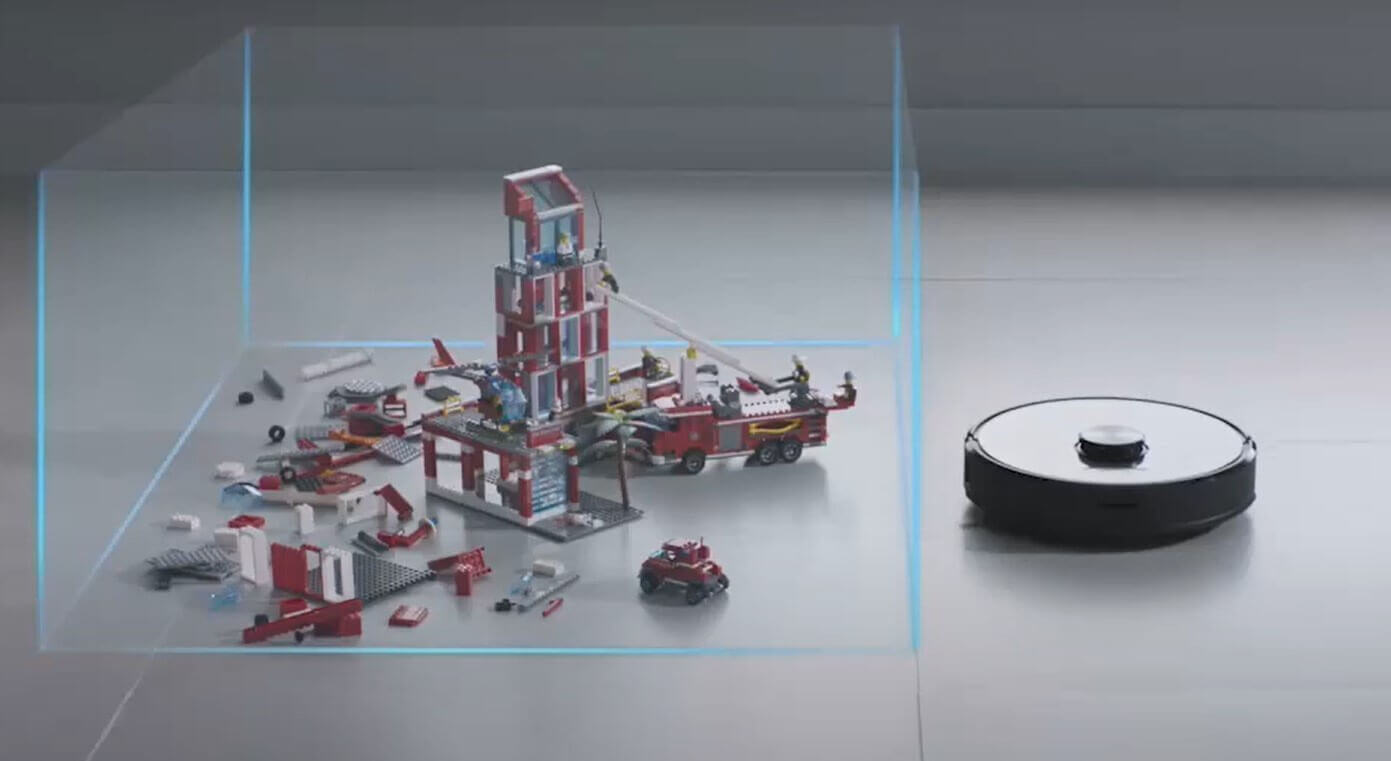
Restricting the cleaning area
There are even robotic vacuum cleaners that maintain separate no-go zones during wet cleaning. This helps protect carpets from getting wet. Basically, if there's something that needs to be protected from a robot, virtual walls are a must.
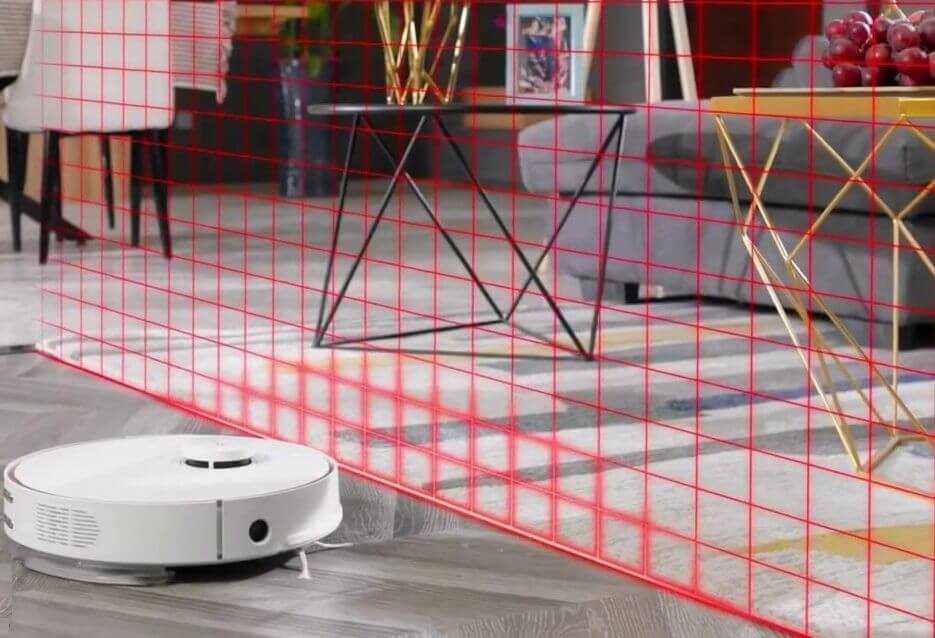
Carpet protection
Automatic power increase on carpet
If you have a large home with carpets, I recommend considering robot vacuums that automatically increase power when entering a carpet. This not only improves the cleaning of carpets, removing hair, debris, and dust, but also helps conserve battery power. The idea is that on hard floors, the robot vacuums in its standard mode, which is already sufficient for a thorough dry cleaning, but when entering a carpet, it increases power to maximum and then reduces power when exiting.
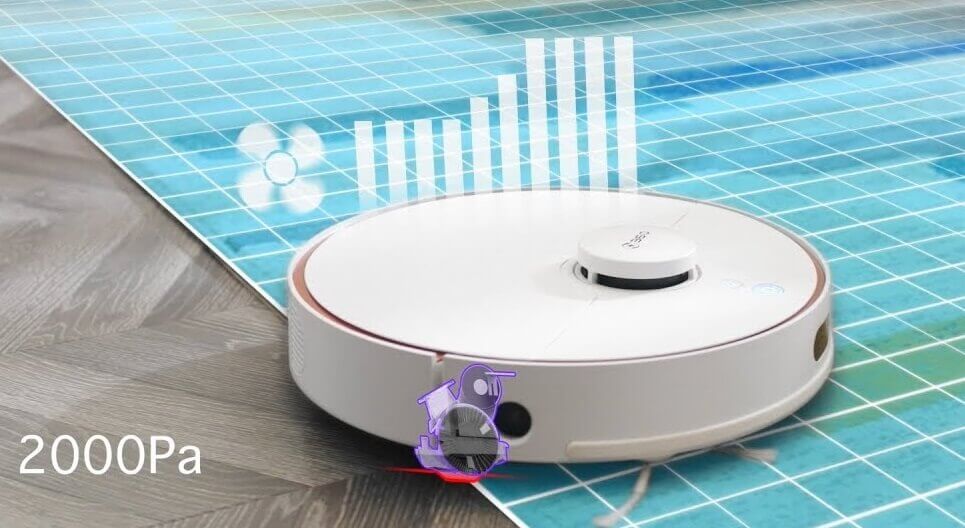
Increased power on carpets
Quite a few mid-range and premium robot vacuum cleaners are already equipped with this feature, and in my opinion, it's useful.
Simultaneous dry and wet cleaning
A robot vacuum cleaner can simultaneously vacuum and mop, reducing both operating time and cleaning time. This feature is typically found in models with a dual-use dust collector and water tank, or in models with a combined dust collector for both wet and dry cleaning. In this case, the robot can sweep and vacuum the floor in a single pass, then wipe the floor with a damp cloth.
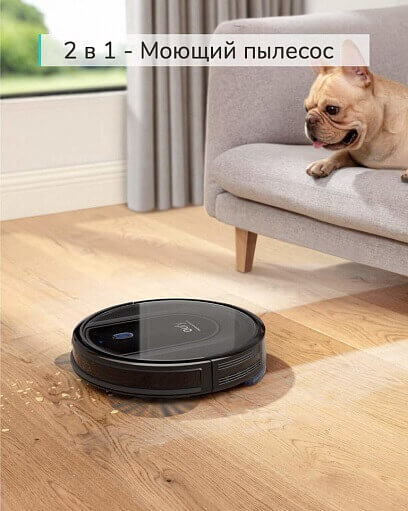
Simultaneous dry and wet cleaning
There's no need to run a dry cleaning cycle, then swap the dust bag for a water tank, and restart the cycle. And if your robot vacuum is equipped with an electronic water feed, it can return to its base after the cleaning cycle and wait for the cleaning cloth to be removed. Moreover, during this time, water won't leak onto the floor beneath the base, which is very convenient.
Saving multiple cleaning maps
If you have a two- or three-story house, consider purchasing a robotic vacuum cleaner that can store multiple maps in its memory.
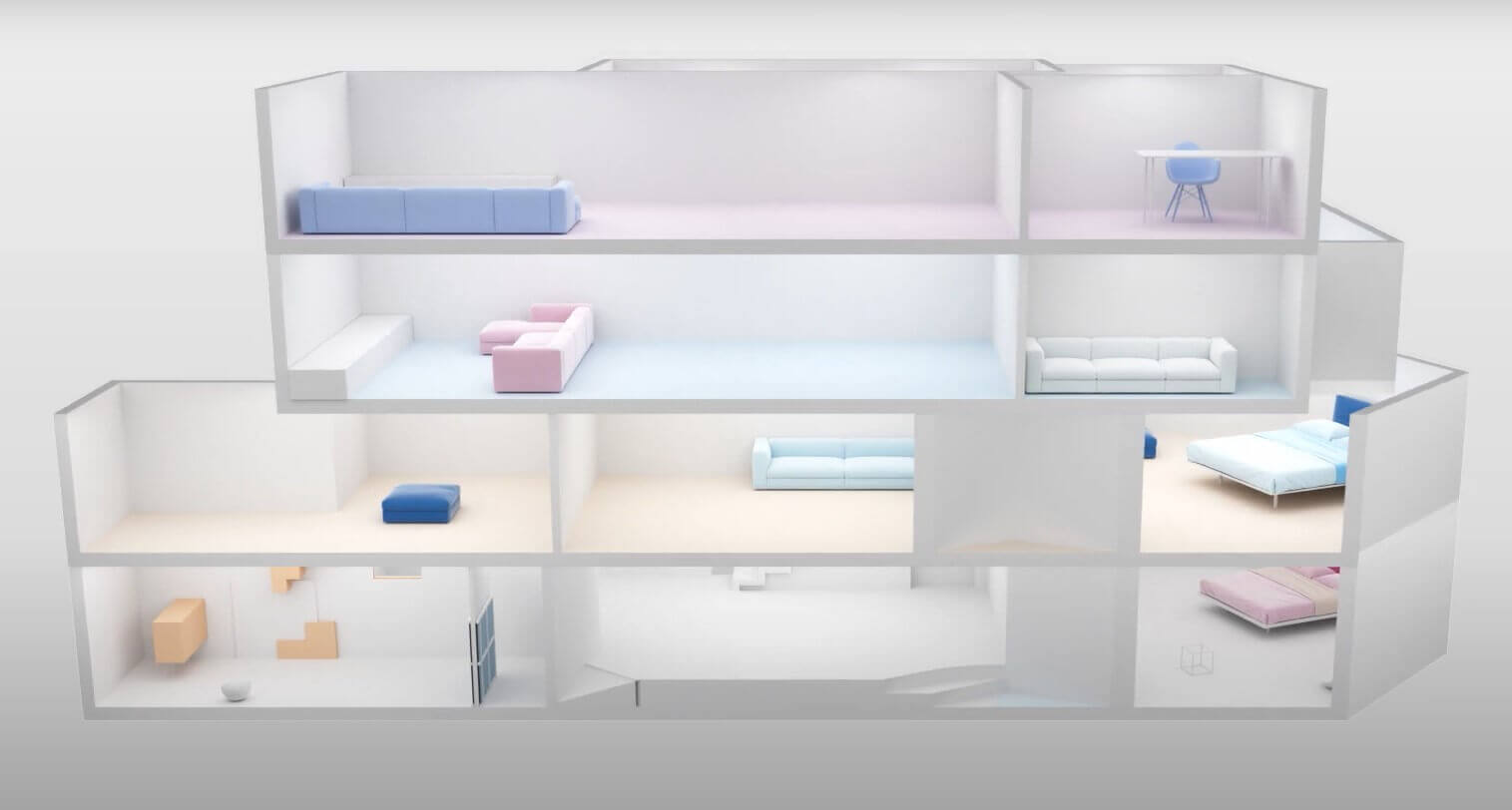
Floor plan of several floors
This feature eliminates the need for the robot to reacquaint itself with the floor and remap the room when moving from floor to floor. Cleaning will be faster and more thorough. This feature, also known as multi-map support, is currently only supported by premium robots.
Remote control
This feature is relevant for robot vacuum cleaners of varying price points. While everyone is currently chasing control via a proprietary mobile app, it's not always practical. This is especially true when buying a robot vacuum for elderly relatives or for cleaning in areas where Wi-Fi is simply unavailable.
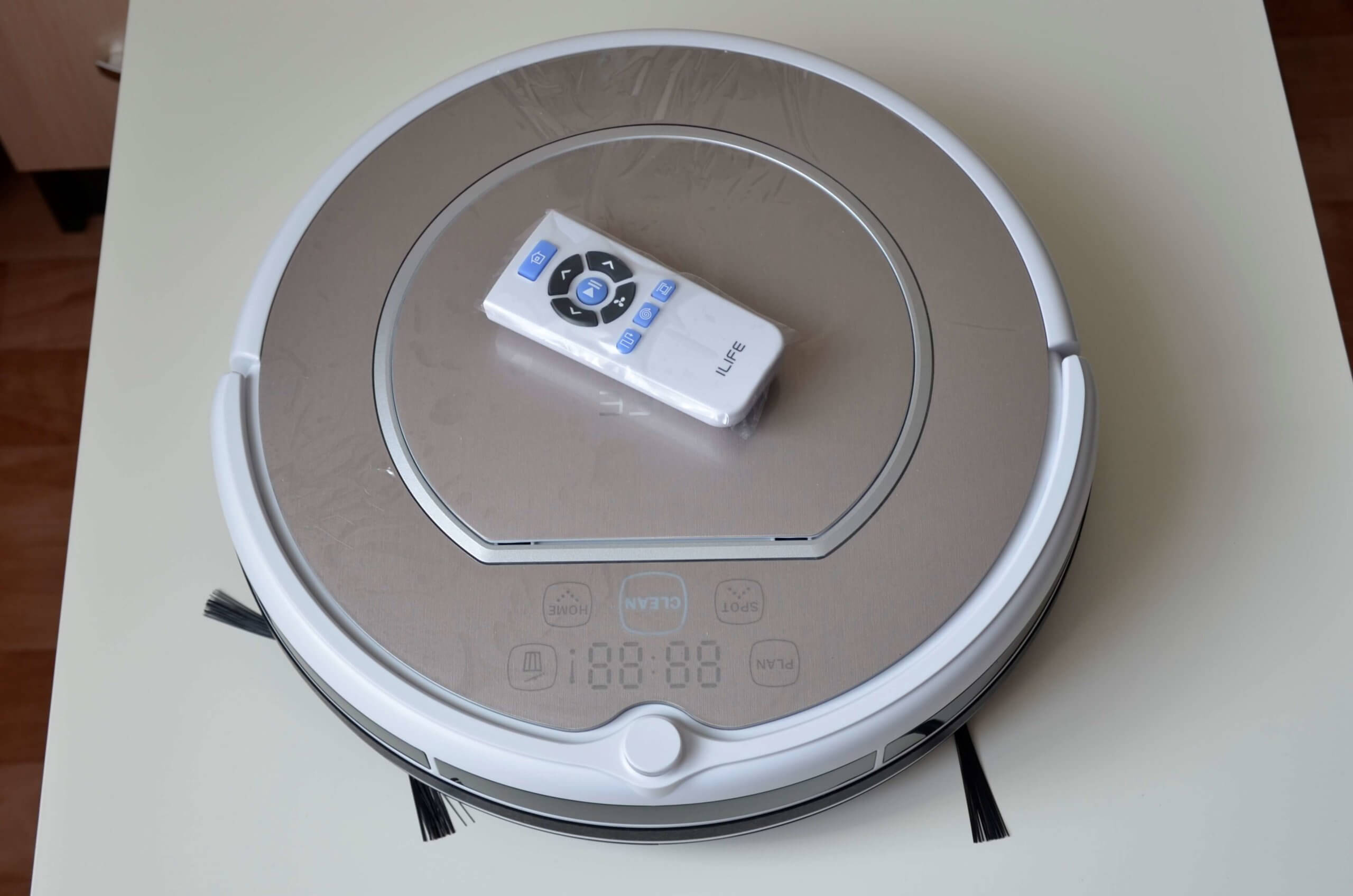
V55 Pro and remote control
In this case, models that are controlled exclusively by a smartphone lose almost all their capabilities. Typically, the device only has a Start/Pause and Return to Base button, while all the coveted features that were the reason for the extra cost remain in the app. Having additional remote control is very useful in this case, allowing you to avoid situations where smartphone control is unavailable.
Continue cleaning after recharging
If you have a large home, I recommend considering robotic vacuum cleaners that can resume cleaning from where they left off after recharging at the base.
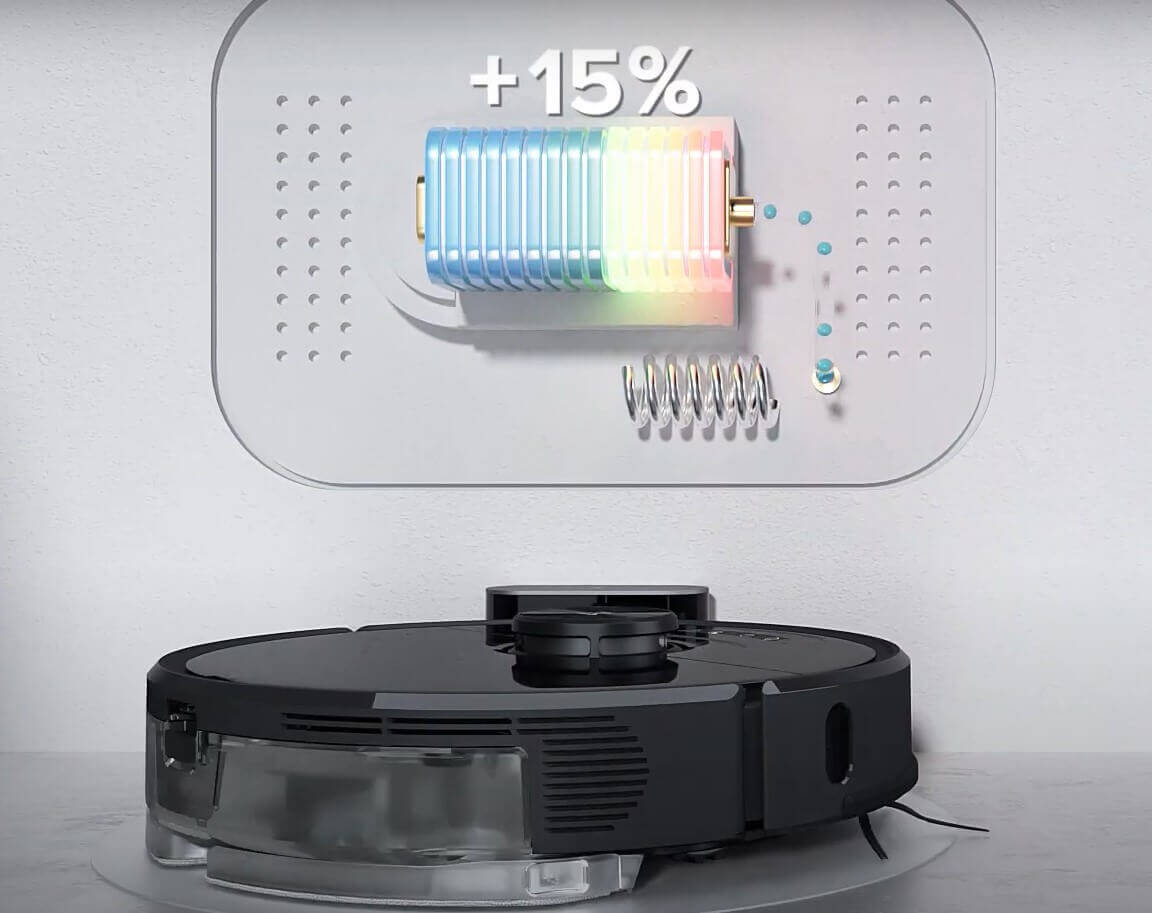
Recharging
Many robots last no more than two hours on a single battery charge. Moreover, if you have a complex layout with carpets, they won't be able to cover an area of approximately 120 square meters in one go. To avoid having to redirect the robot to spot cleaning, consider choosing a robot that automatically remembers where the cleaning process was interrupted and where it needs to finish cleaning. There are many such robot vacuums in the mid-range and premium segments. Budget robot vacuums are not capable of cleaning large areas on their own or performing a spot cleaning after charging.
So, we've covered the most useful robot vacuum features that are worth the extra cost. Let us know in the comments if you'd be interested in learning about the most useless robot vacuum features that people often overpay for! Happy shopping, everyone!
Video version on our channel:



Hello. Thank you so much for your website—it's super informative and helpful! Especially for those like me who are just thinking about buying a robot vacuum and are new to them.
I have a question—the article mentions a very relevant feature for me: "You can program the robot to clean the kitchen at 8 a.m., the living room at 9 a.m., and the bedroom and children's room at 10 a.m., when everyone is awake." Can all robots with the "room zoning" feature do this? And if not, what criteria should I use to choose/which models should I consider (dry and wet cleaning)?
Good afternoon! Check the reviews for the selected models to see if they support this feature. Typically, all new Xiaomi lidar devices support this feature.
Good afternoon
It is possible to set the number of cleanings when setting up the timer operation (Roborock S7
MPN S702-00)?
Thanks in advance!