Tsunami L207VX
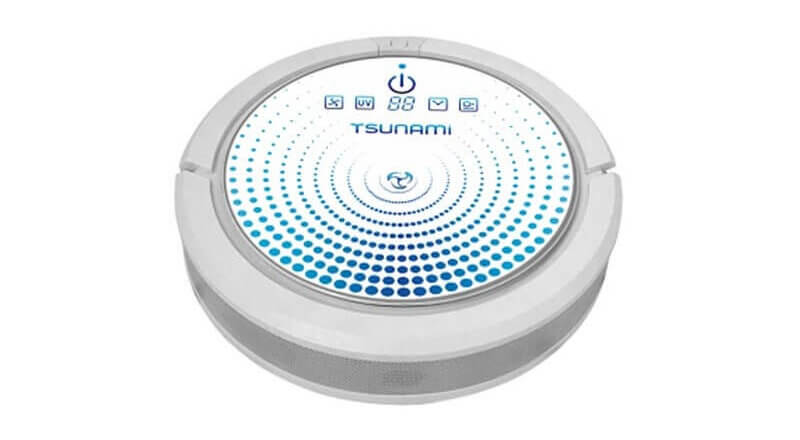
The Tsunami L207VX robot vacuum cleaner is the second model in a line of robot vacuum cleaners from the supposedly Japanese manufacturer. As noted in the review of the previous robot twinTsunami L107VHThis manufacturer isn't as well-known or popular in the global robotic cleaning market. The L207VX, like its predecessor and the new, improved 300 and 400 models, is designed for dry and wet cleaning of any type of flooring. The main difference between the updated robot and its predecessor is its increased cleaning area, up from 90 to 120 square meters. We'll discuss this and other features of this robotic vacuum cleaner in today's review of the Tsunami L207VX.
Equipment
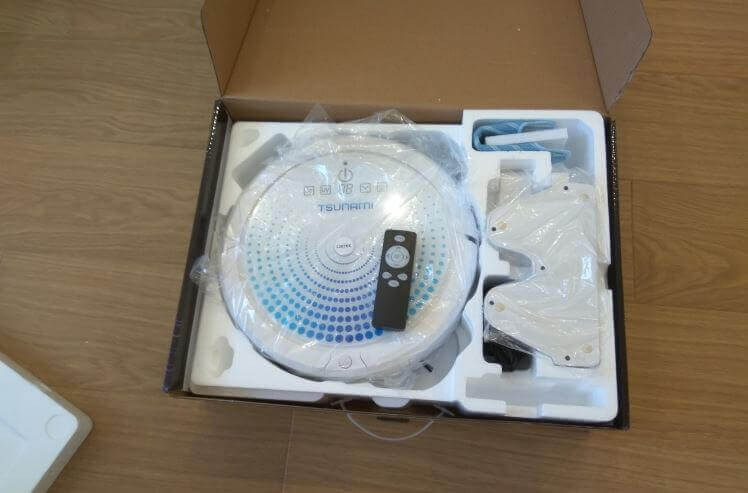
The manufacturer included the following items in the delivery package:
- Robot vacuum cleaner.
- Charging dock.
- A virtual wall to limit the area cleaned by the device.
- Remote control.
- Spare side brushes.
- Spare fine filter.
- A pair of microfiber cloths for wet cleaning.
- Instructions.
- Guarantee.
Equipment
Design
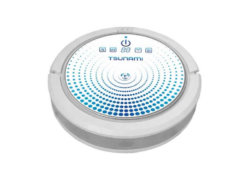
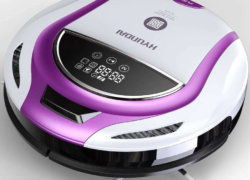
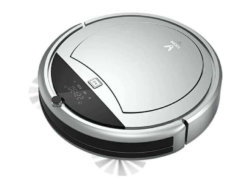
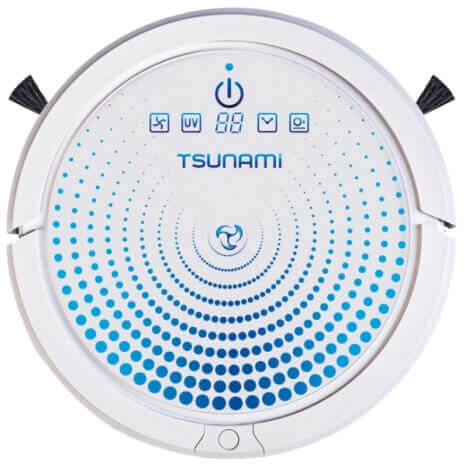
The Tsunami L207VX robot vacuum cleaner is made of gray plastic, with a pattern of circles consisting of numerous blue dots on the front (it looks quite attractive). Its shape is traditional for robots – round. Some people think this shape isn't ideal for cleaning debris in corners and along the perimeter. While this is generally true, if the length of the side brushes allows for cleaning debris in these areas, the robot's shape becomes less important.
The robot vacuum's front panel reveals a backlit display and a touch-sensitive power button. There's also a button at the bottom for opening the dust bin.
Top view
The side of the device features a protective bumper with a short stroke and exhaust vents. The bottom of the robotic cleaner features two drive wheels, a front swivel caster, contact pads for docking and recharging the charging base, a battery compartment, two side brushes, and a central, roller-shaped turbo brush. A microfiber cloth can be attached here for damp mopping.
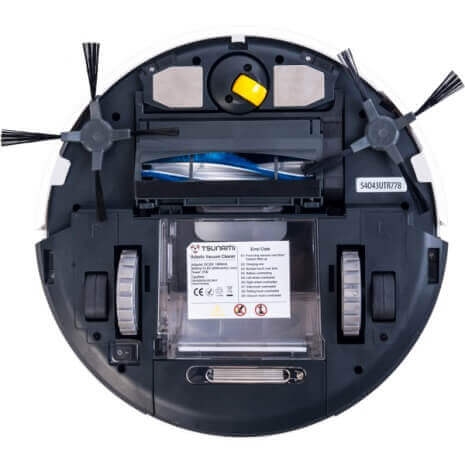
Bottom view
Technical specifications
An overview of the main technical characteristics of the Tsunami L207VX robot vacuum cleaner is provided in the table:
| Battery | Lithium-ion |
| Battery life | Up to 120 min. |
| Cleaning area | 120 sq.m. |
| Installation on the charger | Automatically |
| Maximum movement speed | 12 m/min. |
| Dust collector | Cyclone filter (bagless) |
| Dust collector capacity | 600 ml |
| Overall dimensions | 340*340*77 mm |
| Weight | 2.8 kg |
| Noise level | 45 dB |
| Description of additional parameters | |
| Display | + (with backlight) |
| Sensors | Optical |
| Timer | + |
| Programming by days of the week | + |
| Calculating cleaning time | + |
| Side brush | + (2 pcs.) |
| Main turbo brush | + |
| Fine filter | + |
As we can see, the main difference between the Tsunami L207VX and the previous L107VH robot vacuum cleaner is its more powerful battery, which allows for longer cleaning times over a larger area (120 minutes versus 90 minutes, and up to 120 square meters versus 90 square meters). This has increased the price to $340-350.
Functional capabilities
The Tsunami L207VX robot vacuum not only handles dry cleaning of all types of smooth floors (linoleum, parquet, laminate, etc.) but also cleans carpets. It uses two side brushes and a main turbo brush to direct debris toward the suction port. The suction channel then transports debris to a 600-milliliter dust collector with a fine filter to capture even the finest dirt and dust particles.
It is important to monitor the dust container filling level, as this directly affects the suction power of the device and its operating efficiency.
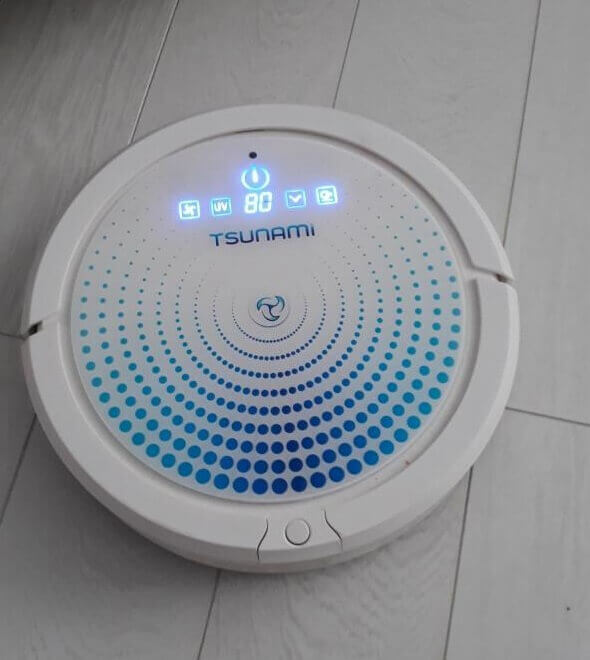
Floor cleaning
The robot vacuum can also clean your floors (including tiles) with a damp microfiber cloth. To prevent your assistant from accidentally cleaning undesirable areas, set up a virtual wall to limit the cleaning area.
The cleaning robot navigates indoors using a set of optical sensors that allow it to avoid collisions with surrounding objects and falls from elevated surfaces. The device automatically plots its own path, creating the optimal route.
The main trajectories of the robot's movement are:
- in a spiral;
- zigzag;
- along the walls.
You can move the robot vacuum cleaner from one zone to another using the remote control. You can also program the device to start automatically at a specific time each day of the week.
Once the Tsunami L207VX is finished, it will automatically return to the charging station to recharge its battery. It's important to follow the instructions for optimal base placement, which are usually detailed in the user manual. Therefore, please read the instructions carefully before use.
Advantages and disadvantages
You won't find this robot vacuum cleaner in stores; you can only order it online. There are no reviews of the Tsunami L207VX on any website, only glowing positive reviews from dubious users and a short one-minute video about the 400 model. Therefore, purchasing this robot vacuum cleaner is entirely up to you. We'll just list the main pros and cons.
Pros of Tsunami L207VX:
- Complete set (includes base, remote control, virtual wall).
- Programming by time and days of the week.
- Low noise level.
- Large capacity waste collection container.
- Wipe surfaces with a damp microfiber cloth.
Disadvantages of a robot vacuum cleaner:
- Unreasonably high price (about $350).
- Without a lidar or camera, the robot does not create a map of the room.
- No control via smartphone app.
Given all of the above, we do not recommend purchasing this robot vacuum. Models from other brands offer similar functionality and specifications, but they will cost between $100 and $150. For $30,000, you can buy flagship models from giants like Xiaomi, iRobot, or iClebo.
Analogues: