Comparison of the build quality of Xiaomi robot vacuum cleaners from different sub-brands (Roborock, Dreame, Viomi, Mijia, and Roidmi)
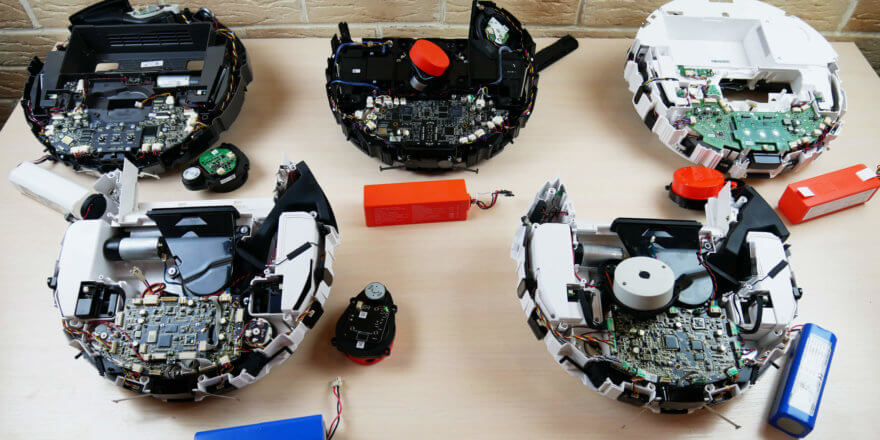
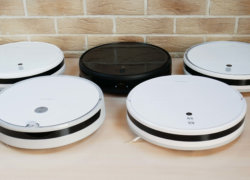
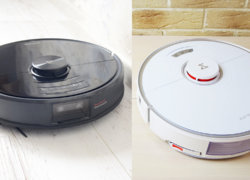
Greetings to all readers of the site! In this review, I decided to demonstrate and compare the build quality of popular Xiaomi robot vacuum cleaners from different sub-brands. Moreover, the comparison included flagship models of varying price points. Roborock S7, Viomi S9, Dreame Bot Z10 Pro, Xiaomi Mijia Vacuum Cleaner Pro And Roidmi EVE PlusWe'll disassemble these robot vacuum cleaners and show you how they work internally, as well as how the build quality differs between different Xiaomi factories. I also consulted with an experienced robot vacuum cleaner repairman who provides advice on well-known forums under the nickname Medtech. The official Xiaomi service center also played an active role in preparing this material. They also run a channel where they talk about Xiaomi equipment. They repair all Xiaomi robot vacuum cleaners, smartphones, scooters, and much more. If you need any services, you can contact them. I'll share some key observations from these experts throughout this review. So, let's get started!
The video version of the comparison is already ready and published on the channel; I recommend watching it:
Cost of the compared robotic vacuum cleaners
Before comparing build quality, it's worth discussing the price of each robot vacuum cleaner, as this will be our starting point when drawing conclusions (whether the increased cost is justified or not).
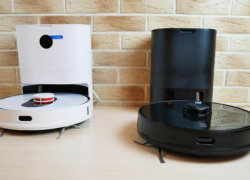
So the most expensive ones are Roborock S7 and Viomi S9 for about $600. But Viomi also comes with a self-cleaning base.
Current offers for Roborock S7:
Current offers for Viomi S9:
The Dreame Bot Z10 Pro costs around $450-500 and also includes a waste disposal station.
Current offers for the Dreame Bot Z10 Pro:
The Mijia Pro and Roidmi Eve Plus cost around $350, making them the most affordable in this comparison. This is important to consider. Moreover, the Roidmi also features self-cleaning.
Current offers for the Xiaomi Mijia Vacuum Cleaner Pro:
Current offers for Roidmi Eve Plus:
Comparison of lidars and batteries
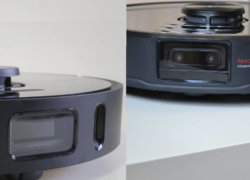
First, I'll show you the lidars of the robot vacuums being compared. They differ only slightly in design. Only the Roborock lidar stands out. Firstly, the lidar motor is visually larger than those of other robots, and secondly, the lidar itself connects to the board via a dedicated connector, without the additional wiring found on other robots. The Viomi and Roidmi lidars are also visually completely identical. This is interesting.
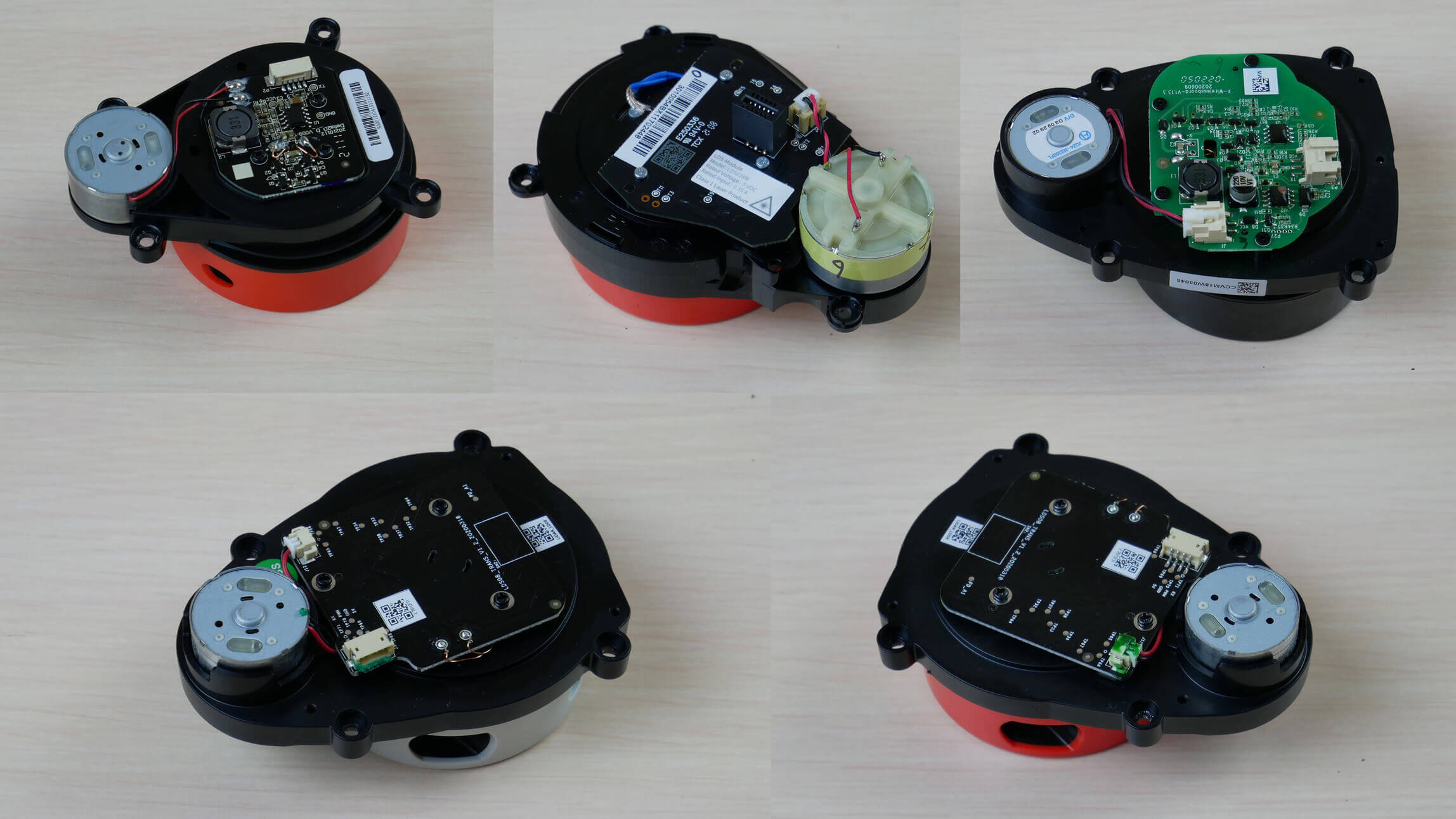
Xiaomi robot vacuum cleaner lidars
Now let's compare the batteries. They're all identical in specifications: 14.4 V, 5200 mAh. The Mijia and Roborock batteries have a plastic casing, which seems somehow higher quality. Furthermore, the Viomi and Roidmi batteries appear identical.
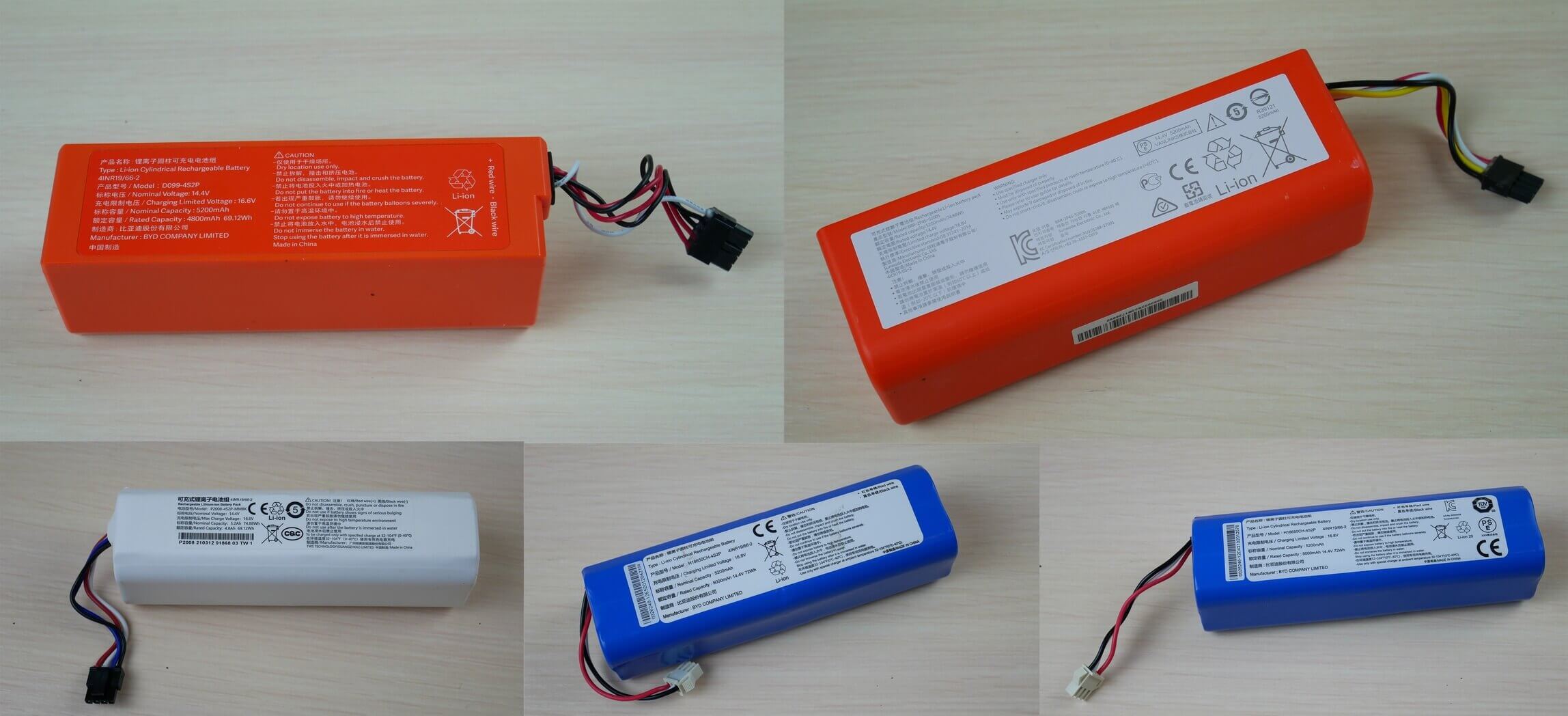
Xiaomi robot vacuum cleaner batteries
Important comments on this matter:
Medtech: Today, the most reliable security system is Roborock: Multi-stage, certified for sale in Europe. Dreame only has overcurrent protection, uncontrolled overcurrent protection, overtemperature protection, and standard overcharge and overdischarge protection. The board also has traces for several additional protection levels, but they are not used. All components have overtemperature protection with a non-return circuit breaker.
Service Xiaomi: All robot vacuum cleaners have identical batteries. The housing may change, but it doesn't affect performance. LG batteries were previously used, but now Samsung batteries are most commonly used. However, this doesn't make much of a difference, as the battery controller is roughly the same. It's worth noting that Viomi has a worse harness. There are also robots with unmarked cups, but these are for more budget-friendly models and have been around for a long time.
Comparison of electric motors
Next, we'll compare the suction motors in robot vacuum cleaners. These are also called blower motors. In Mijia, Dreame, and Roborock, these are located as close as possible to the dust collector and suction duct. Moreover, the air exhaust duct is significantly reduced. As I understand it, this is what, to some extent, increased suction power, not just turbine acceleration. At least in Roborock and Dreame, this has been confirmed by real-world tests. Mijia claims increased suction power, but this hasn't been borne out in real-world tests.
Roidmi and Viomi, on the other hand, have standard motor placement and a significantly longer exhaust duct. Their suction power is also quite standard.
No significant differences were found between the installed engines.
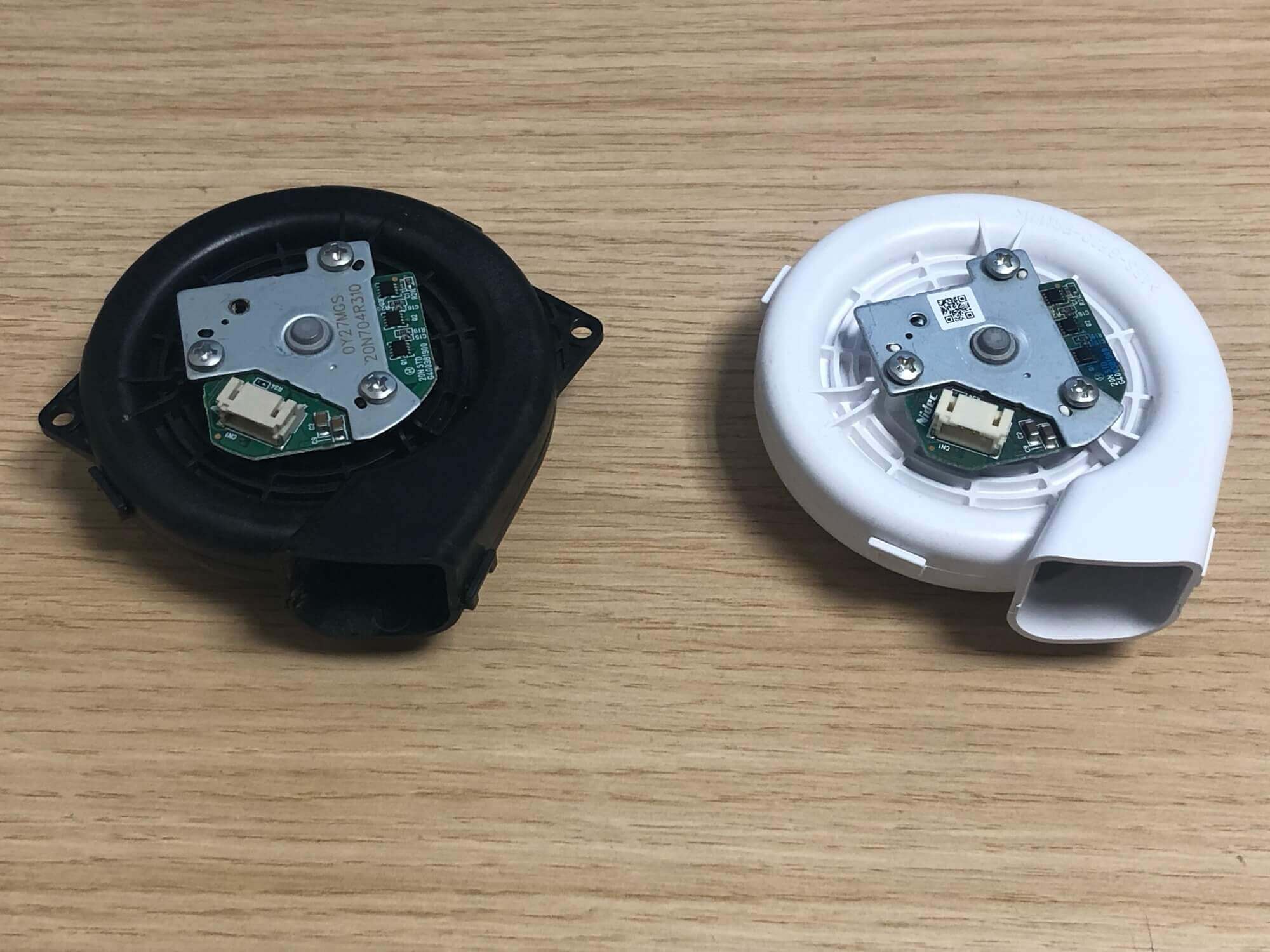
Electric motors for robotic vacuum cleaners
In confirmation, I again quote the opinions of experts:
Service Xiaomi: The motors generally differ only in their mounting method. There may be a purely visual difference on the circuit board under the compressor, for example, a different driver board layout. But in any case, they are interchangeable.
Medtech: drobotic vacuum cleaner motors Xiaomi vacuum cleaners vary in power and control signal types (up to 2.5 kPa and up to 4 kPa). However, all these values are only achievable on a test bench. They are ultimately differentiated by their current consumption during testing: some consume less than 2 A at 12 V, while others consume more than 2 A, a difference of approximately 1 A. They are certainly noisier, but ultimately, a robot cannot pick up heavy debris without a brush. The brush must lift the debris and draw the air into a relatively small hole in the dust collector's air duct. It turns out that the higher the fan power, the easier it is for the robot to suck up the debris, and the brush cleans better. But this only works when there is a lot of debris. When a robot vacuum cleaner is used every day, a much lower power is sufficient.
Build quality comparison
Now let's move on to comparing the build quality of robot vacuums. In my opinion, the Roborock robot vacuum is the best-built. Let me explain why.
Firstly, the number of screws and body parts is greater. It took the longest to disassemble, which indirectly suggests the robot vacuum cleaner is better assembled and not "just three bolts." Secondly, the information on the motherboard immediately catches the eye: it's manufactured by TANOS.
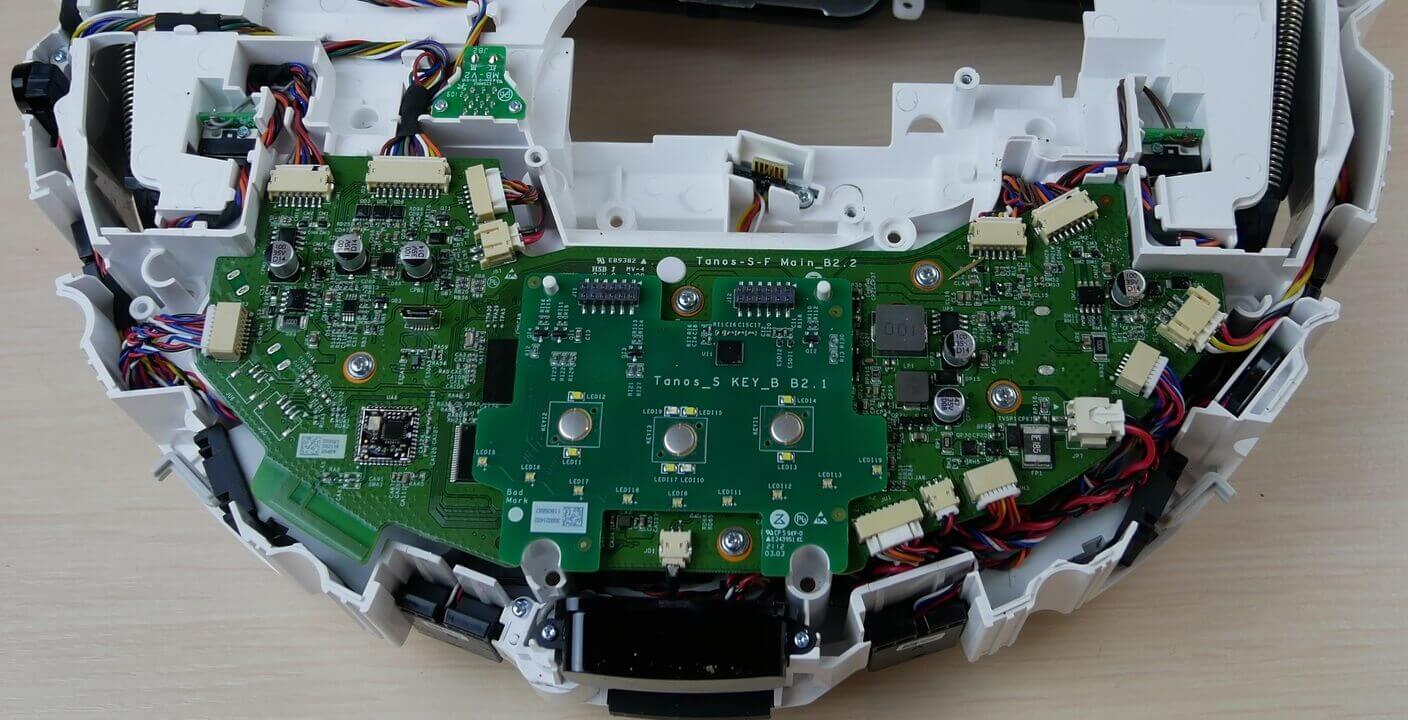
Roborock's build quality
As far as I know, this is a highly specialized company, one of whose areas of expertise is circuit board manufacturing, and they've established themselves as experts in this area. This means that the Roborock circuit board is manufactured by a separate company, while the other circuit boards are apparently stamped. Thirdly, each component of the robot vacuum cleaner is marked with the Roborock logo and a special QR code, which simplifies the process of finding the right part and generally demonstrates how well the manufacturer handles assembly. Finally, what distinguishes Roborock robots from others is the presence of a significant number of seals that prevent dust and moisture from penetrating the sensors and circuit components.
The Dreame robot vacuum cleaner takes the silver medal in this comparison. It's slightly inferior in build quality, but still well-assembled. Among the obvious visible issues, the trace insulation on the board is less precise, and each component is individually coated, rather than the entire board. However, there are QR codes on each component, and there are no criticisms regarding the build quality. Furthermore, as mentioned earlier, the circuit protection is slightly better than that of other robots ranked lower in build quality.
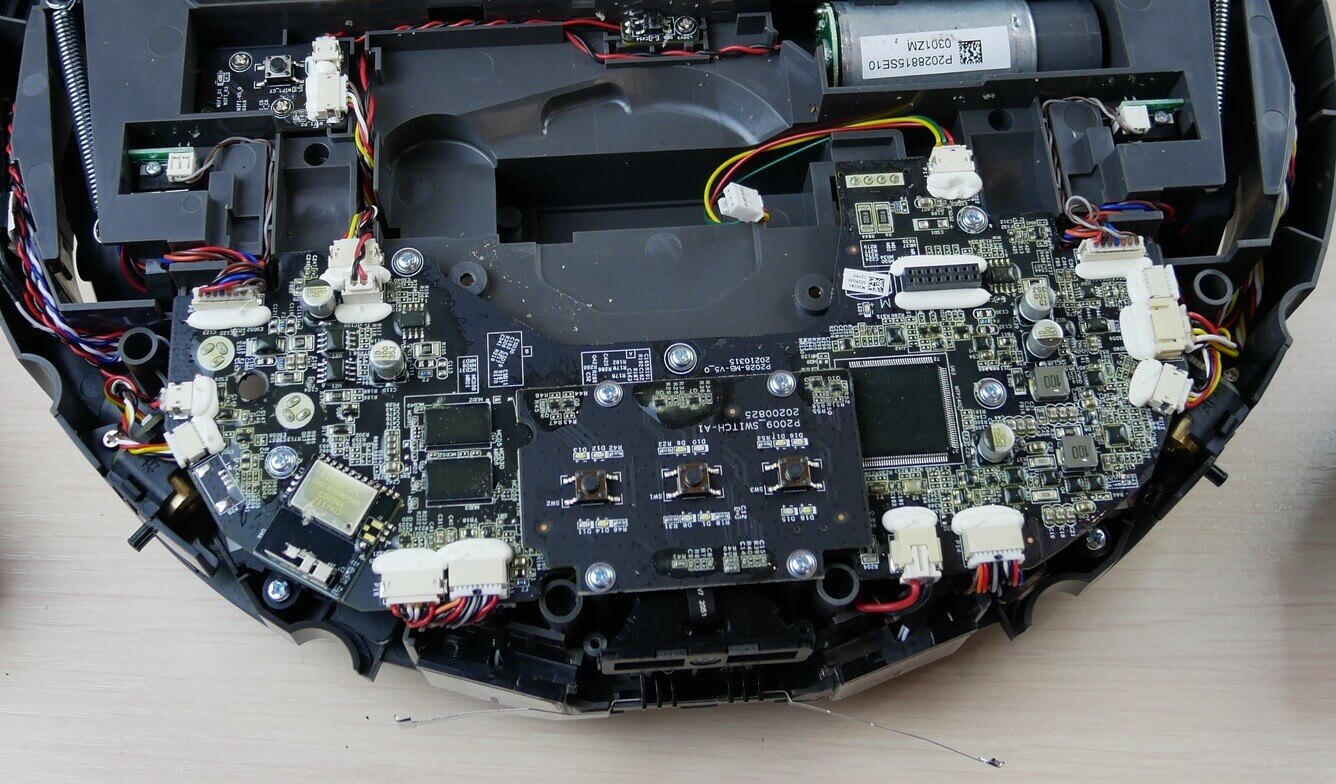
Dreame's build quality
I'd rank the Mijia robot vacuum cleaner third in build quality. It's also well-built, considering it's almost half the price. There are QR codes on all components, and the overall quality of the soldering, circuit boards, and plastic is far from budget-friendly. Incidentally, we see two Rockchip processors installed on the board. As I understand it, one is responsible for all the standard functionality of the robot vacuum, and the other is responsible for the object recognition system.
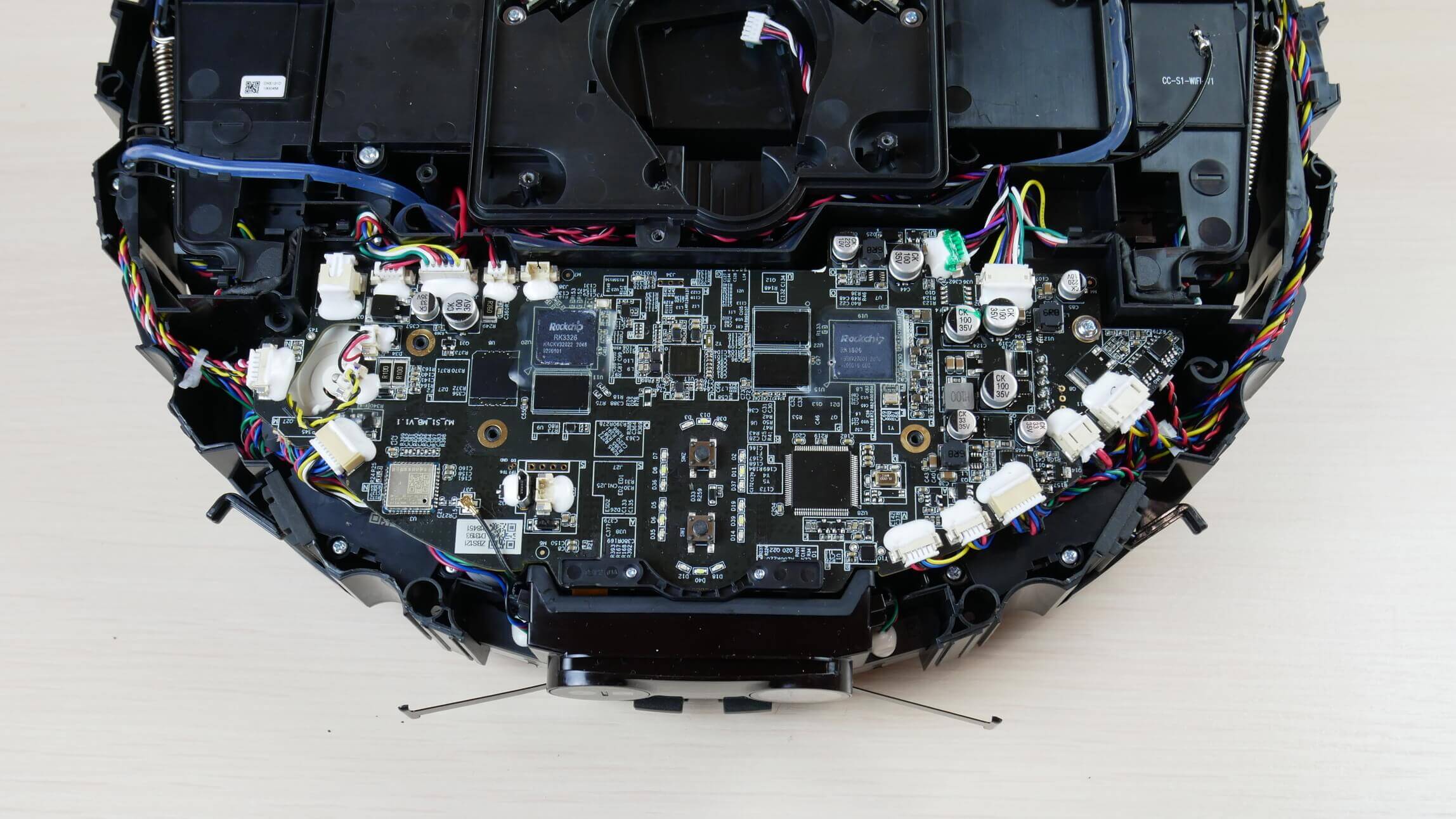
Mijia build quality
Regarding Viomi and Roidmi, there's a very interesting point. At the beginning of the comparison, we mentioned that their lidars and batteries are visually identical. Well, after disassembling these robot vacuums, it turned out that they are virtually identical internally. The only difference is that Roidmi has some components on a separate circuit board mounted above the main one. A minor advantage of the Viomi design is that all connectors are additionally coated with compound, which improves the reliability of their connections.
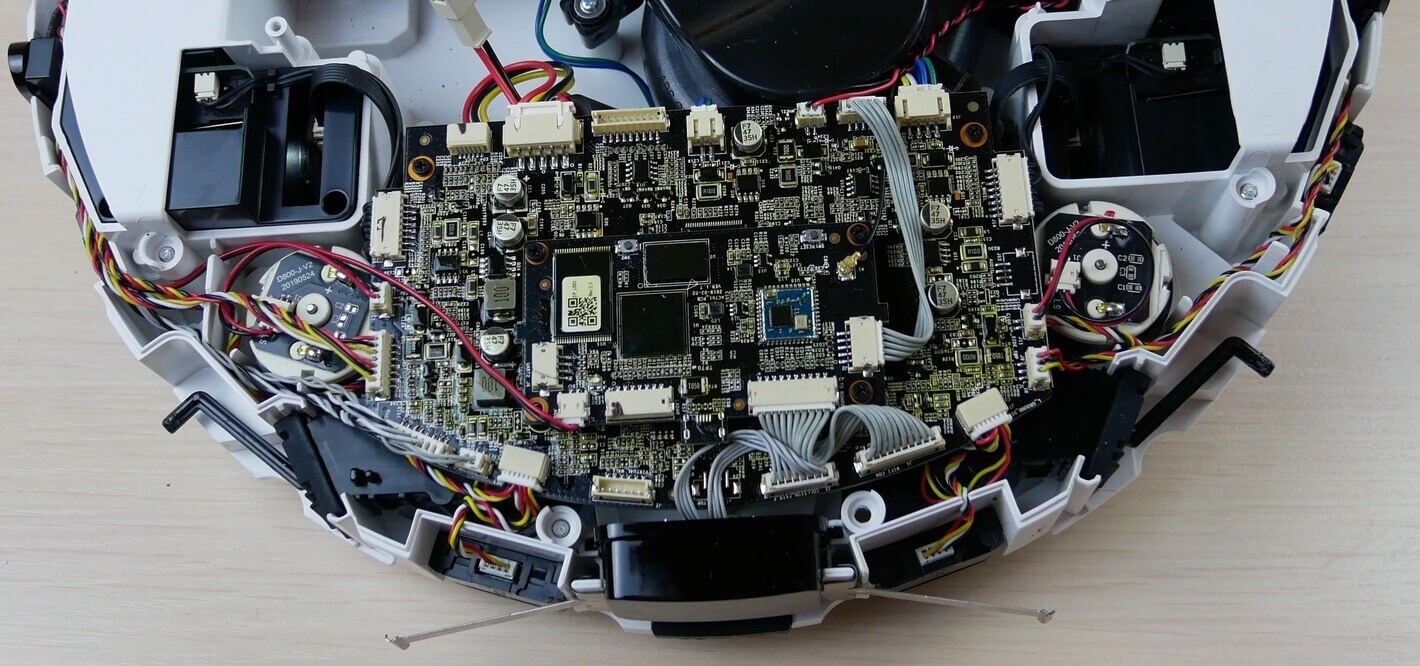
Roidmi build quality
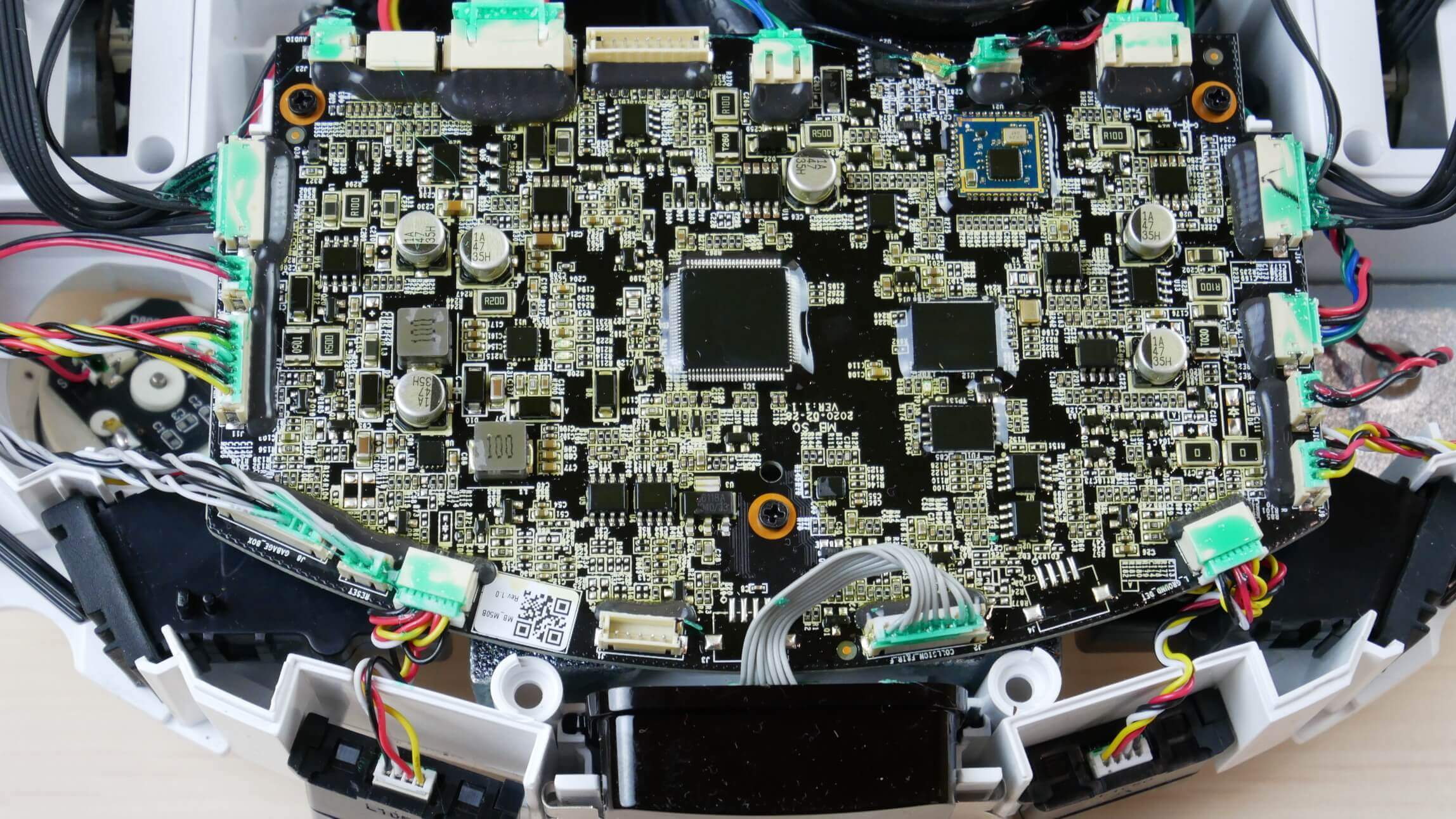
Viomi build quality
So, in the end, Roidmi's few shortcomings and overall inferior build quality are forgivable given its price, but Viomi raises questions. Why, with virtually identical build quality and functionality, is the price $150 higher? So, what are we paying extra for?
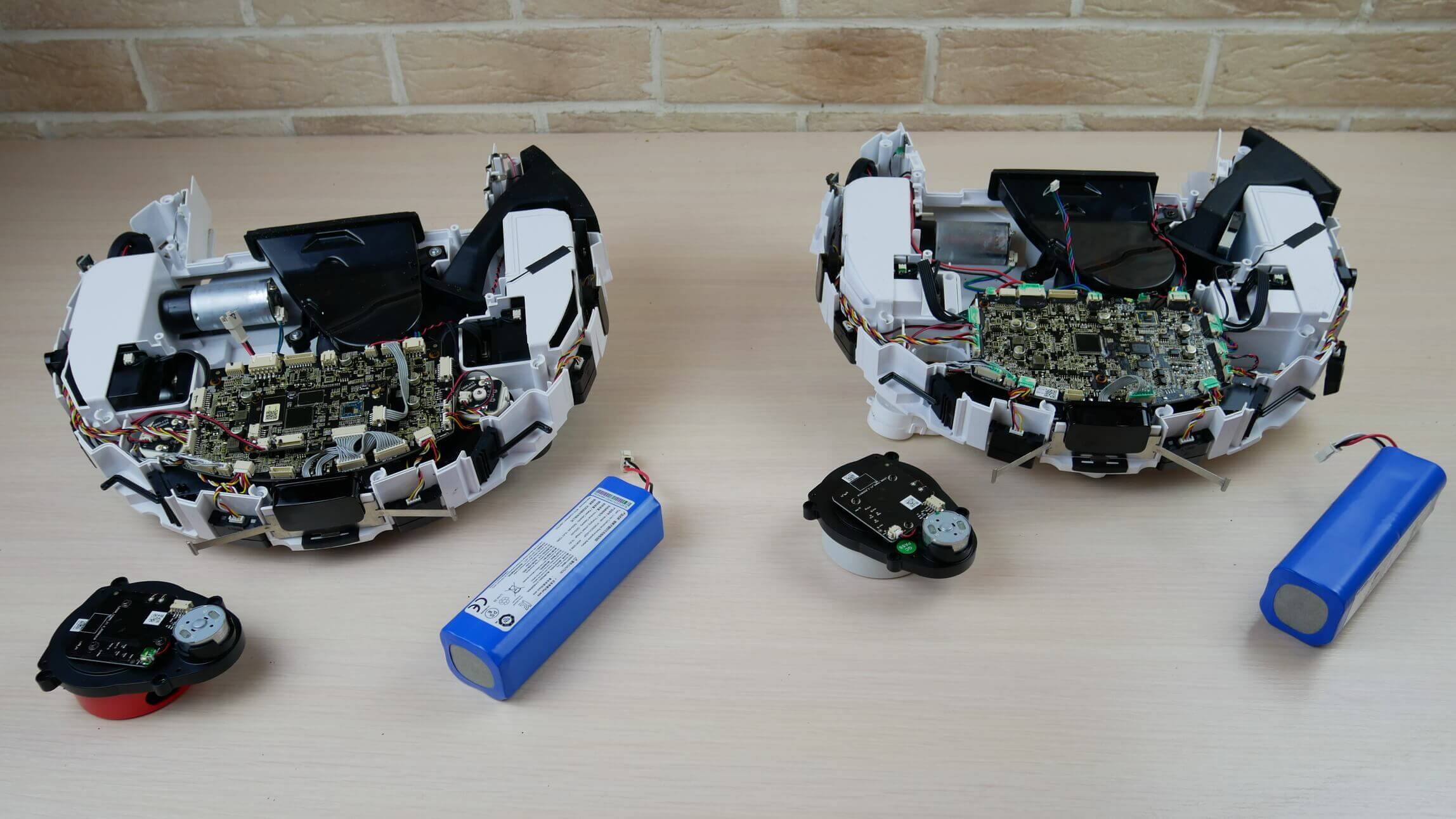
Roidmi and Viomi
The only thing I can say in Viomi's defense is that the robot's body, the plastic itself, is much higher quality. Even the color of the Roidmi's plastic betrays its cheap build quality, which isn't the case with Viomi. While the internal differences are minimal, Viomi is still slightly better built. On the outside, the build quality is significantly different. This is likely the reason for the higher price. Although the price difference, admittedly, is incomparable to the difference in build quality.
It's also worth noting that the insulation on the Roborock and Mijia boards is much better than on other robots. The board is completely covered with a layer of silicone, which prevents corrosion. This is quite important for robot vacuum cleaners with a wet cleaning function. While the Dreame's insulation is less carefully designed, it's still thick and serves its primary purpose. Visually, the boards on Roidmi and Viomi are less well-insulated, which could lead to earlier corrosion.
Opinion Medtechand on this account:
All of them offer very poor water protection. The corners of the components remain slightly exposed, or the coating there is so thin that it's practically nonexistent. That's where corrosion begins to develop.
Well, here's how this whole situation is being commented on Xiaomi Service:
Normally, we would rank the brands like this (by build quality): 1st place - Roborock, 2 — Viomi and Dreame, 3 — Mijia and Roidmi. However, the Viomi S9 model itself is not the best in the line, so in this comparison, here is the breakdown, in our opinion: 1st place - Roborock, 2 —Dreame, 3 — Mijia, Roidmi and Viomi.
With which I completely agree.
Well, here's another important quote:
Xiaomi ServiceRoborock only started assembling its robot vacuum cleaners this way with the S7. For example, S6 MaxV In terms of assembly, it's barely different from the very first Vacuum Cleaner. The number of screws in the S7 surprised us when we first disassembled it—there were too many of them. It's also noticeably heavier, which, of course, makes it look and feel more solid and pleasant.
As a result, I personally was a little disappointed in the flagship from Viomi, although before that I considered it one of the The best robot vacuum cleaners of 2021And as for Roborock, my expectations were met, in terms of justifying the higher price of this brand's robots. As for Dreame, Mijia, and Roidmi, these robot vacuum cleaners are optimal in terms of price and build quality; I have no complaints about them.
On this note, I'd like to conclude this comparison. Special thanks to Medtech and Service Xiaomi for their assistance in preparing this material! If you have any questions, please ask them in the comments. Happy shopping, everyone. Bye!
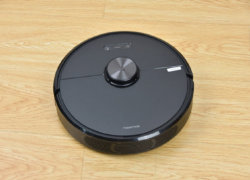
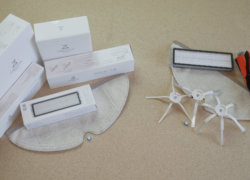
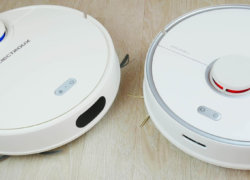
> Thirdly, each node of the robot vacuum cleaner has the Roborock company logo and a special QR code
It's more likely a special two-dimensional code, as in this case, a Data Matrix code is used, not a QR code. Data Matrix is more commonly used in component or product labeling systems. However, some photographs also feature a QR code.
Given this comparison, do you still recommend the Mijia over the Dreame L10 Pro? If so, why?
Thank you in advance for your reply.
They're practically on the same level. If you need power, you need Dreamy; if you need wet cleaning, you need Mija. And Mija is still better at recognizing objects on the floor. More precisely, it recognizes them, not identifies them.
My comment isn't about the build quality, but rather the principle, so to speak. I have a Roborock S5 and a Mijia Pro (the one with two round arms and a D-shaped case). I took both apart—the Roborock started constantly slipping off the charger (but for some reason only when the charge was below 90%, anything beyond that was fine). I desoldered, scraped, and brutally broke the fuse, connected it directly with a wire, and the problem went away. Everything on the Pro is modular (wheels, lidar, battery, and everything else)—I unscrewed the screws, disconnected it wherever there was a connector (sorry for the nonsense), and removed it. The Mijia has EVERYTHING soldered on—it's extremely inconvenient, there's a risk of ripping a wire off in a fit of passion, and it's generally very difficult to fix; even turning it back and forth requires two people... It didn't rip off, by the way, because I'm an amateur.