iRobot Roomba s9+ and s9: 2019's Surprising Flagships
Not much time has passed since the release of the next flagships iRobot Roomba i7 And i7+New models, the s9 and s9+, have already hit the market. Like their predecessors, the only difference is the inclusion of a self-cleaning base; all other specifications and functionality are identical. The new models are already available in the US, and sales in Europe are scheduled to begin on July 12, 2019. There's no word yet on when these robotic vacuums will be available in Russia. Our review of the iRobot Roomba s9 and s9+ will help you understand the differences between the new robotic vacuums and what features have been improved this time around.
Difference from predecessors
First, let's take a closer look at the differences between the s9/s9+ and the i7/i7+. The new models feature the following innovations:
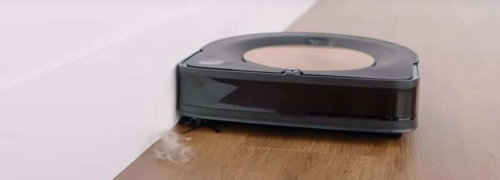
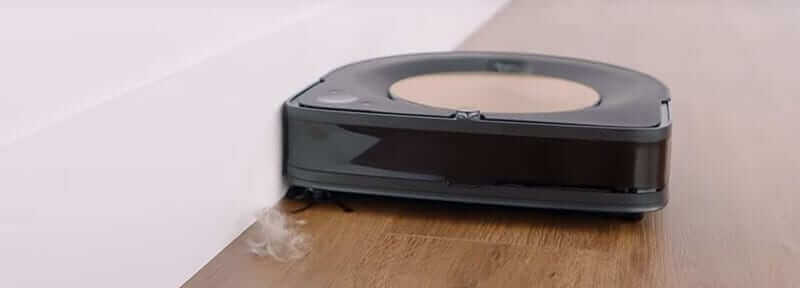
The first is design in the best traditions Neato robotic vacuum cleaners: D-shape, which allows robots to clean better in corners and along baseboards. This has been verified through a series of tests, and the effectiveness of this non-standard shape has been proven.
Speaking about the appearance, it is also important to note the design changes in the new robotic vacuum cleaners. Changed location and shape of the dust collector, now located under the top cover and more easily removed for maintenance. Incidentally, the dust bin capacity has been slightly reduced: 400 ml compared to 500 ml in the 7 Series. However, when combined with the cleaning base, the reduced dust bin capacity won't significantly impact cleaning time or quality. However, the filter installed in the dust bin is now slightly larger, which is a plus.
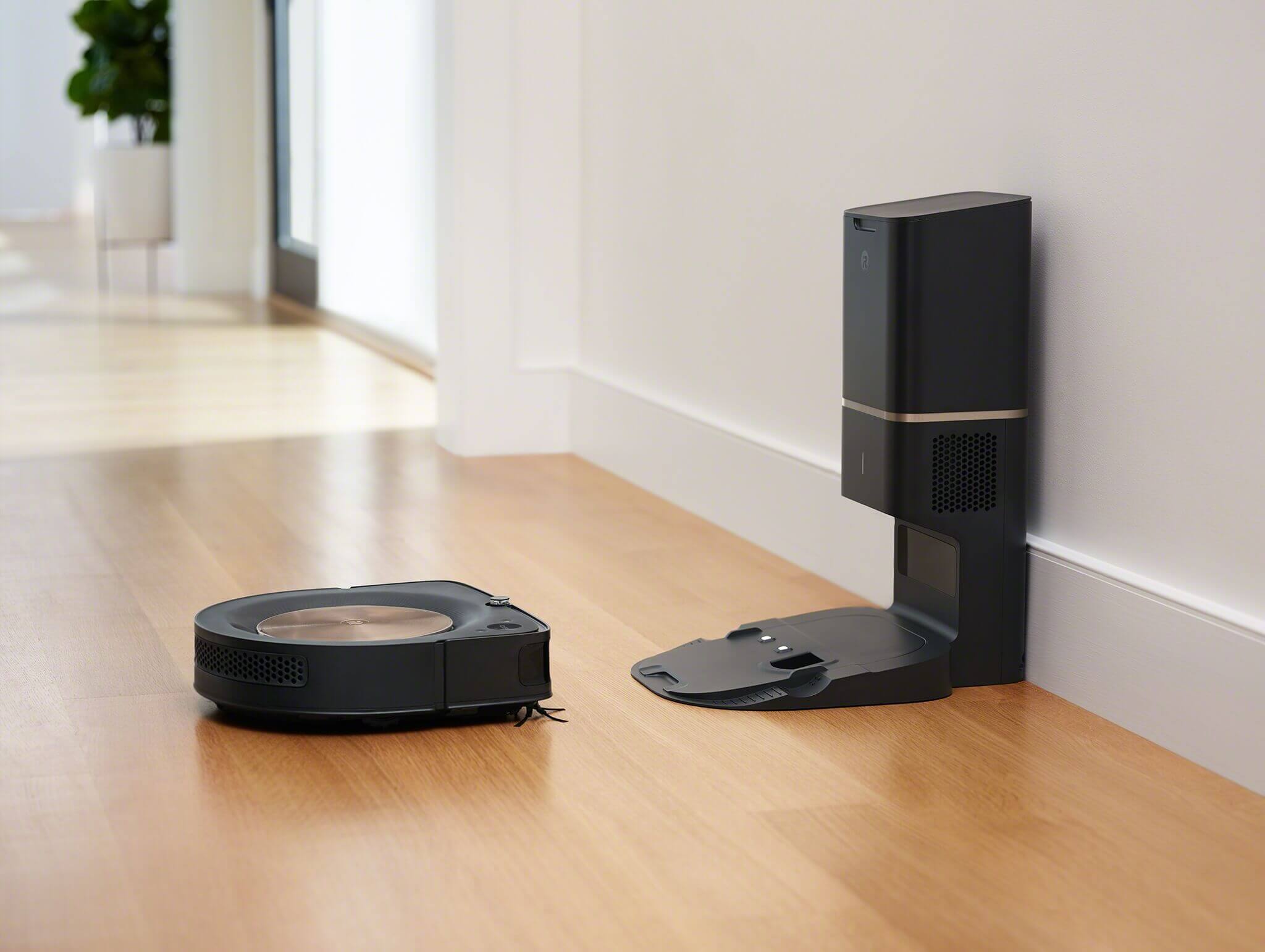
Arrival at the base
The next major design change is: updated side brush And extended central brushesThe side brush now features five spokes, and the brushes themselves are noticeably shorter. This design, combined with the corner placement, allows for better removal of debris and dust along baseboards and in corners. The central silicone brushes (extractor rollers) are now 30% longer, occupying almost the entire width of the body. This undoubtedly improves cleaning efficiency, specifically the volume of debris collected in a single pass.
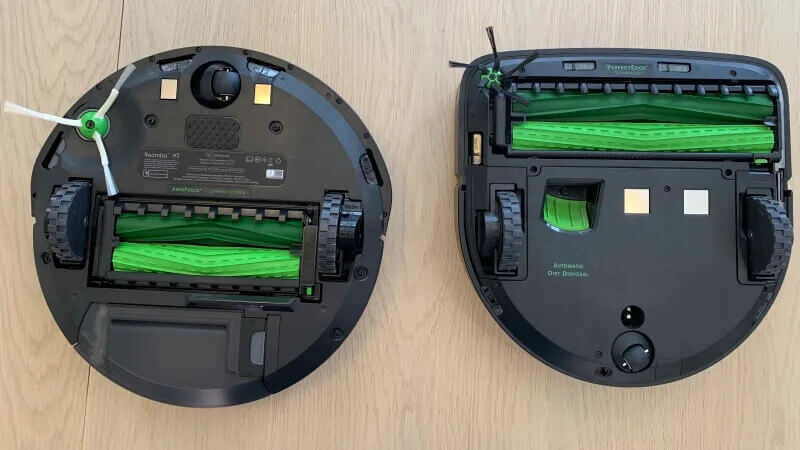
Comparison of brushes and shapes
It is also important to note that the new iRobot Roomba s9 and s9+ robot vacuum cleaners have become slightly smaller in size, than their predecessors (including in height), but the weight became heavier.
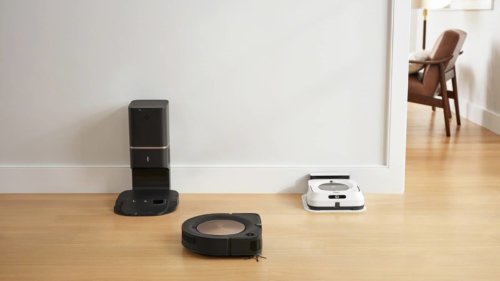
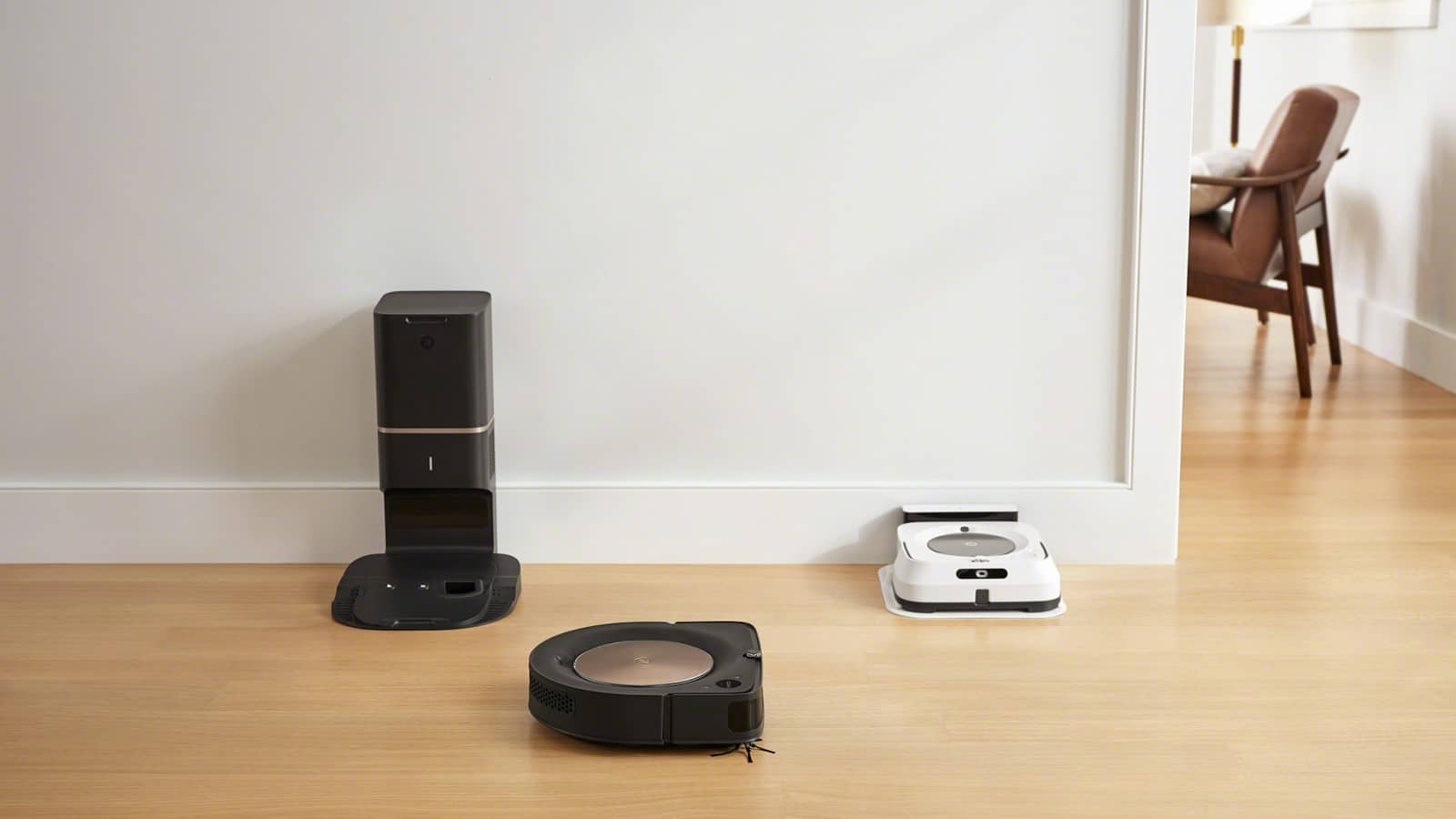
Another important difference that needs to be mentioned is new Imprint Link technology, which allows the robot to work in tandem with another new product—the iRobot Braava Jet m6 robotic vacuum cleaner. This technology allows the robots to synchronize for joint cleaning—after Roomba has completed dry cleaning, it will signal Braava to mop the floors. This combination of dry and wet cleaning in a single cycle is achieved by using two robots working together.
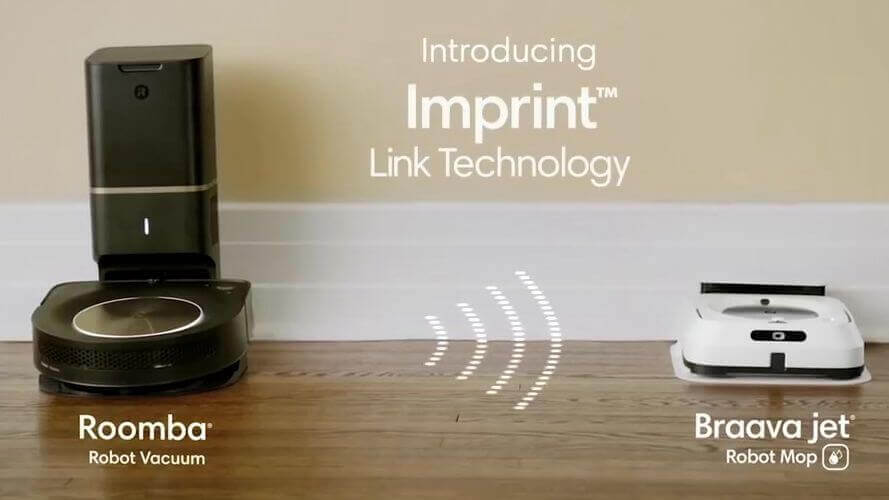
Imprint Link
And finally, the updated s Series lineup can work on a single charge for up to 120 minutes, while the i7 and i7+ models operate for no more than 75 minutes. Extended operating time - this is another plus in favor of the new products.
So, we have compared the iRobot Roomba s9 and s9+ with the i7 and i7+, now let's move on to the review itself.
Equipment
The delivery set is rather meager, the iRobot Roomba s9+ is equipped with the following components:
- Base for self-cleaning and charging Clean Base.
- 2 bags for waste disposal.
- Power cord.
- Spare side brush.
- Spare filter.
- Operating instructions.
- Warranty card.
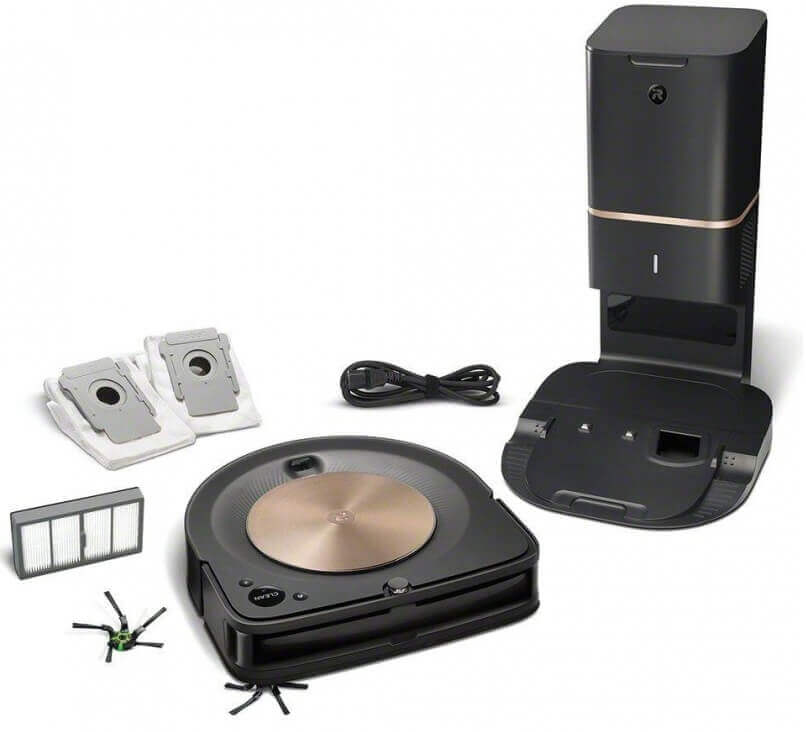
Roomba s9+ Package Contents
Two movement limiters may also be included. The s9 model, however, comes with the same spare parts, but lacks the self-cleaning base and bags.
Appearance
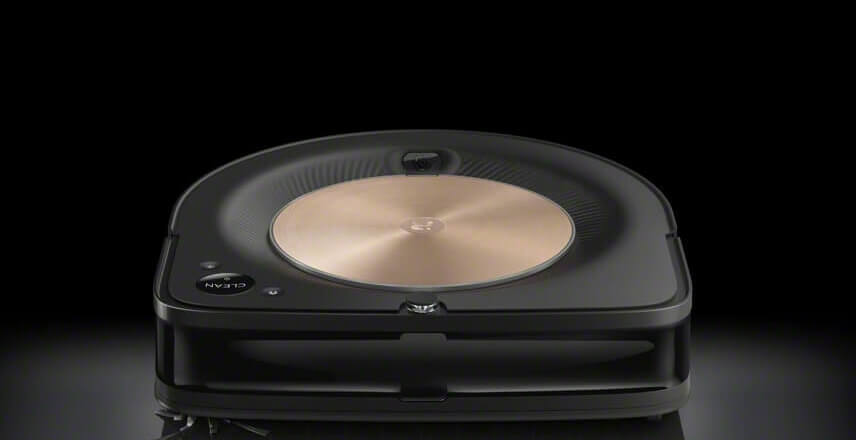
We've listed all the design changes above. Let's take a quick look at the appearance of the iRobot Roomba s9 and s9+. The design has been redesigned to be D-shaped, with a prominent gold-colored lid on the front panel, underneath which is the dust bin. The robot vacuum's control buttons are located in the corner: Clean (start/pause), Home (return to base), and Spot (spot cleaning). Overall, the design is understated and stylish.
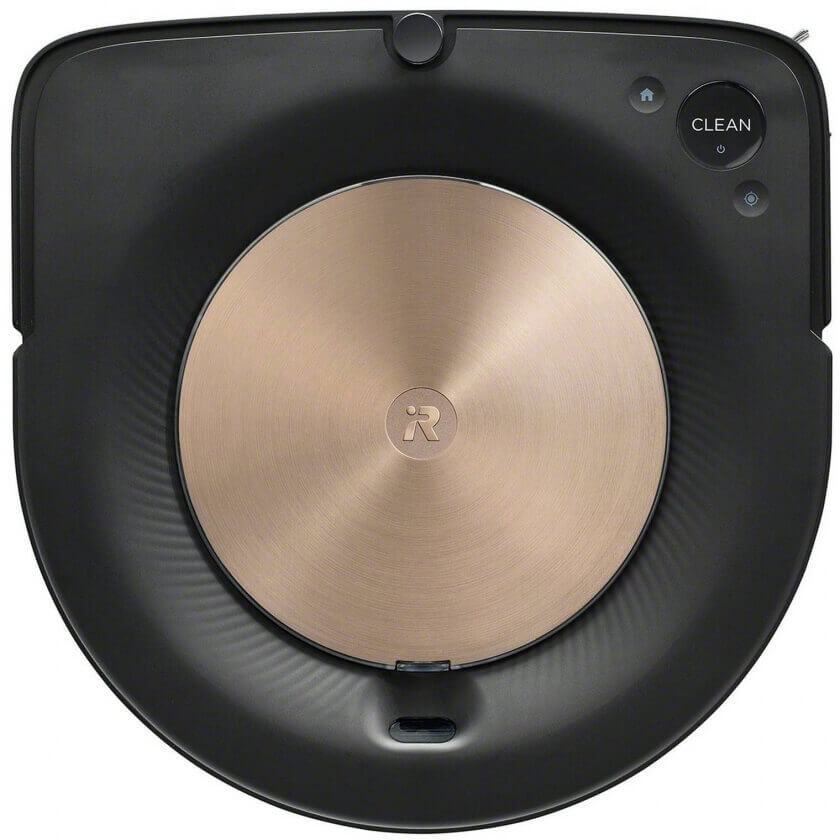
Top view
The side section is quite as expected: exhaust vents, obstacle sensors, a mechanical movable bumper.
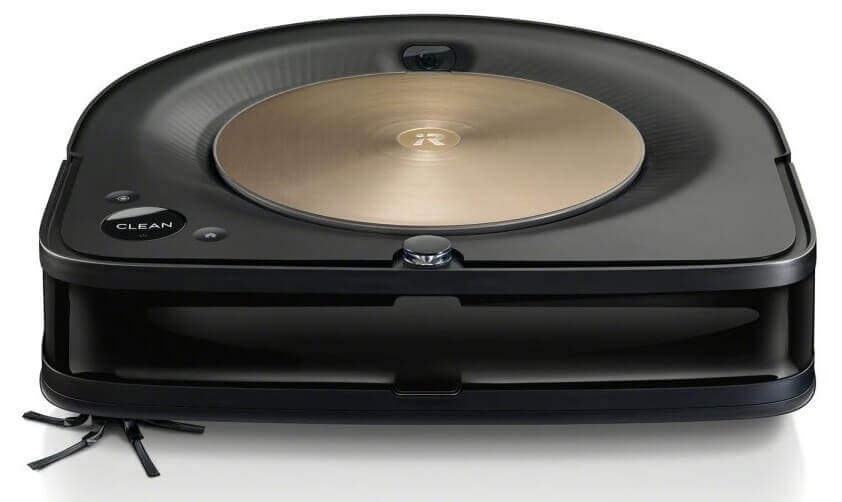
Side view
Turning the robot vacuum over reveals an elongated central brush, a corner side brush, spring-loaded wheels, and a central swivel roller. Additionally, the bottom contains the robot vacuum's charging terminals, the Automatic Dirt Disposal port on the base, and various sensors.
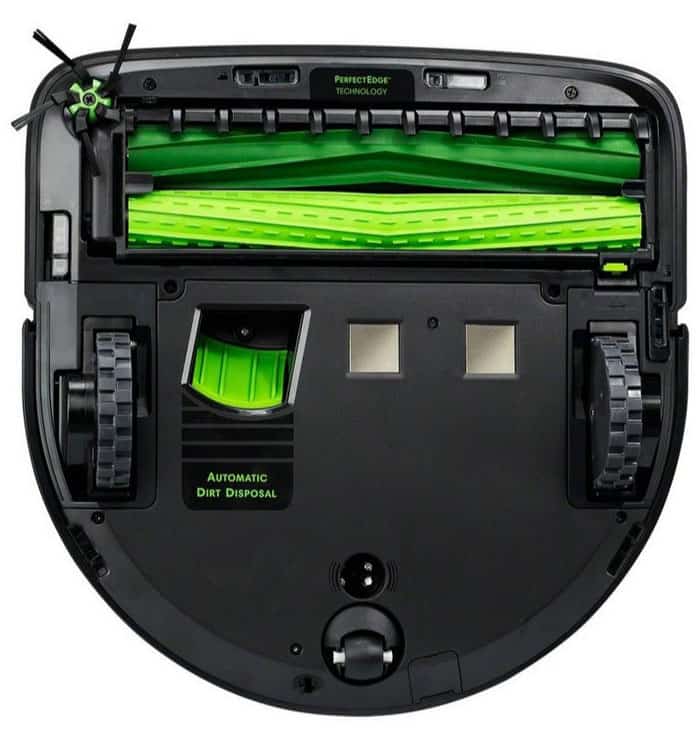
Bottom view
Technical specifications
While the robot vacuum hasn't officially launched in Russia, some key specifications (such as battery capacity) remain unknown. However, here are the iRobot Roomba s9's specifications that have already been determined:
| Type of cleaning | Dry |
| Battery type | Li-Ion |
| Opening hours | 120 min |
| Charging time | 120 min |
| Dust collector capacity | 400 ml |
| Dimensions | 311*89 mm |
| Weight | 3.7 kg |
As new data becomes available (battery capacity, cleaning area, suction power, and noise level), we will add it to the table.
Functional capabilities
So, let's take a quick look at what the new iRobot Roomba s9 and s9+ can do. The manufacturer has developed the following features:
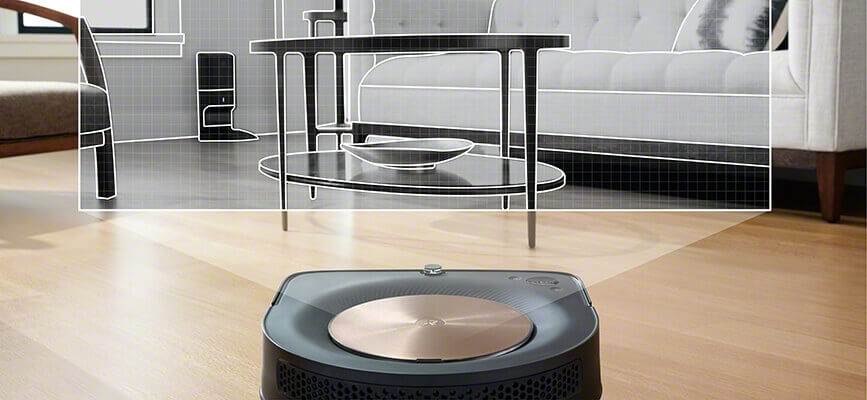
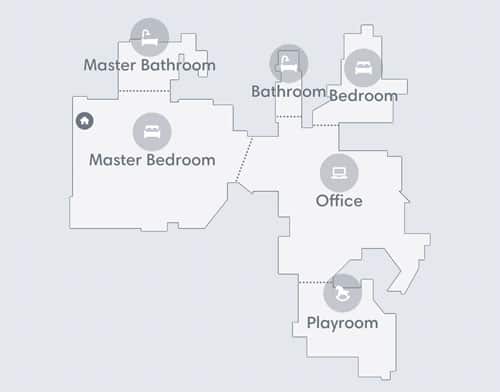
- Room mapping (vSLAM®️ navigation). Using sensors and a camera, robotic vacuum cleaners map out rooms, divide the space into zones (living room, hall, kitchen, etc.), and display all the information in the app.

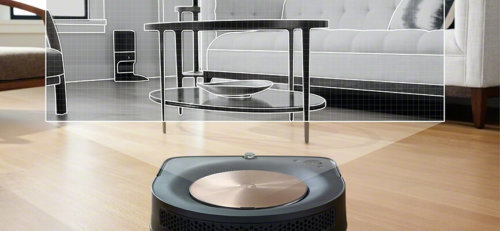
Orientation in the room
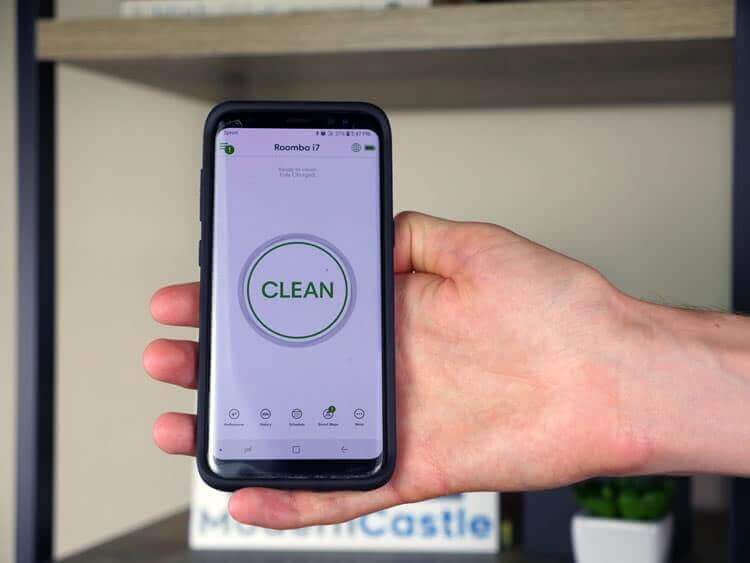
- Controlled via the iRobot HOME mobile app, you can set up a cleaning schedule, track cleaned areas, specify specific rooms for cleaning (we'll get to this later), select an operating mode, and more.

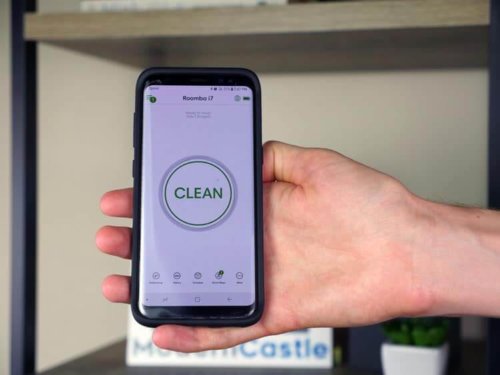
iRobot HOME
- Works with Amazon Alexa and Google Assistant voice assistants.
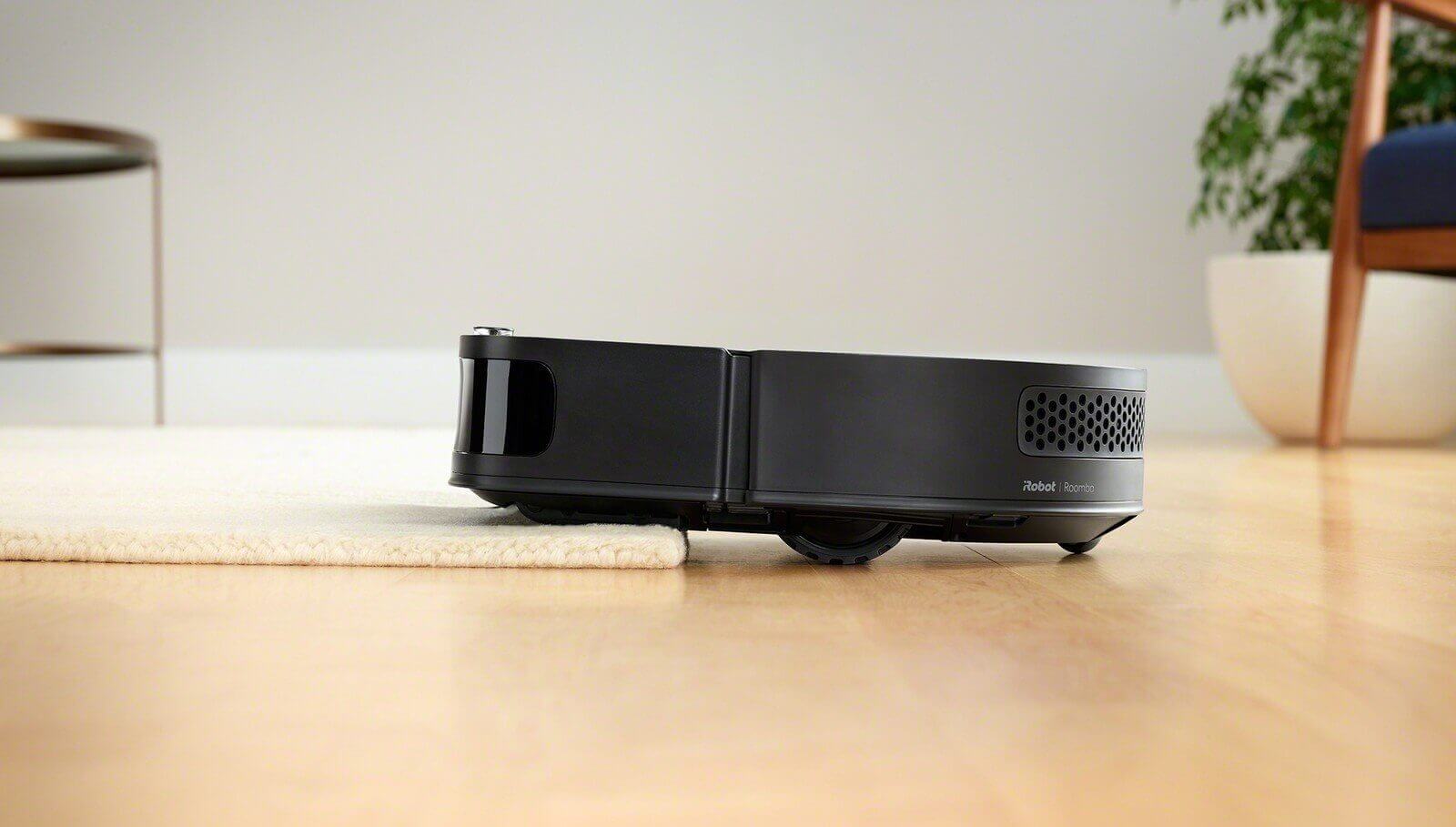
- Automatically increases suction power on carpets (Carpet Boost technology). According to the manufacturer, the new robot vacuums are 40 times more powerful than the 600 series.

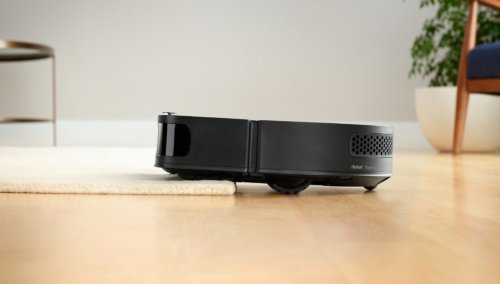
Increased power on carpet
- PerfectEdge® technology improves robotic vacuum cleaning performance in corners and along walls. This is thanks not only to the new side brush but also to advanced sensors.

Cleaning corners
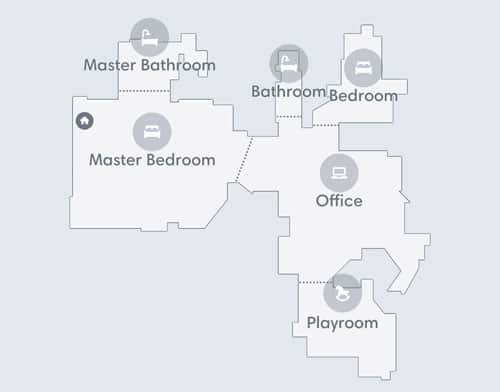
- The relatively new Imprint™ Smart Mapping technology, used in the "i" series, allows you to define rooms on a map, design them in the app, and then clean them on command. For example, using voice assistants, you can say, "Roomba, clean my kitchen," and the robot vacuum will start cleaning the kitchen area, then return to the charging base. This technology also helps the robot determine the best cleaning method for a particular room.

Imprint Smart Mapping
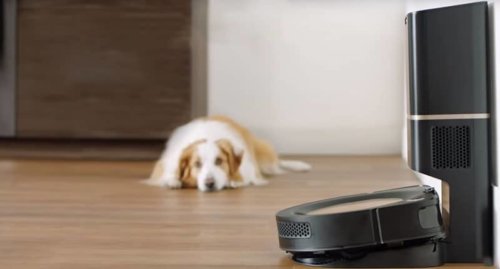
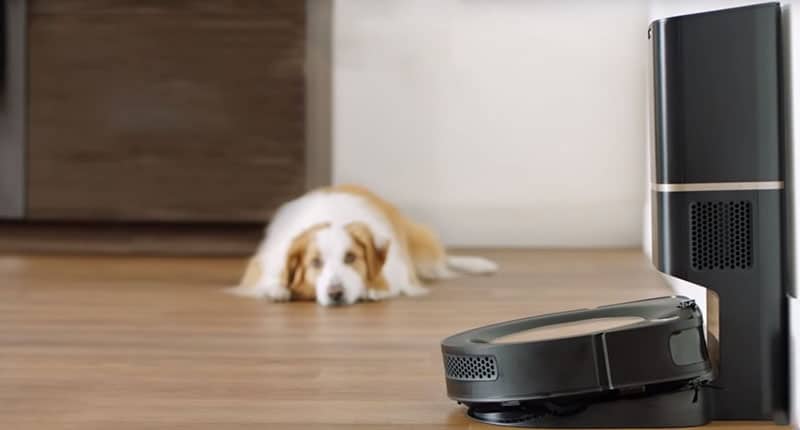
- The three-stage cleaning system effectively removes allergens, dust, and even dust mites. This robot vacuum is also effective for pet-friendly homes.

Roomba and animals
- Patented Dirt Detect technology – the robot vacuum cleaner identifies the dirtiest areas and cleans them longer.
- Automatically charges at the base and resumes cleaning from where the robot left off. If the battery charge is insufficient for a full cleaning, the robot vacuum will pause, return to the base to charge, and then resume cleaning from where it left off.
- The Imprint Link technology mentioned at the beginning allows two robots to synchronize for dry and wet cleaning.

Cleaning with two robots
Overall, the features of the iRobot Roomba s9 and s9+ make these robot vacuum cleaners one of the best best in 2019The models are equipped with everything necessary for automatically maintaining frequency in apartments, houses, and even office spaces.
Let's sum it up: pros and cons
Finally, I'd like to highlight the key advantages of iRobot's flagship models. We found the following positive aspects:
- New D-shape.
- Advanced functionality, multiple patented technologies for effective cleaning.
- Extended brushes and an updated side brush design improve cleaning performance.
- Modern navigation and cartography.
- Convenient location of the dust collector.
- Work through voice assistants.
- Self-cleaning base makes the robot vacuum cleaner easy to maintain.
- Works in tandem with a cleaning robot for a complete cleaning.
- High suction power.
- Brand reliability and availability of a guarantee.
At the same time, the iRobot Roomba s9/s9+ also has some drawbacks, given 2019 trends and the functionality of competitors:
- High price. iPads aren't significantly better than Xiaomi robots, for example. While all Xiaomi models cost under $500, the new S9+ with a self-cleaning base will set you back $1,300 or more, while the model without the base will cost around $1,000. Paying extra isn't always worth it.
- There's still no wet cleaning feature. Even though the models reviewed can now clean with the proprietary robotic mop, the extra cost will be quite significant. In 2019, there are many robotic vacuum cleaners for dry and wet cleaning, which are less effective but still capable of dry cleaning and washing floors.
This concludes our review of the iRobot Roomba s9. Whether or not to buy the models reviewed is up to you. While the functionality and cleaning quality are truly excellent, the price is prohibitive for the average person. For this reason, we still recommend considering similar products from AliExpress and other platforms, in particular Xiaomi robot vacuum cleanersThe price is several times lower, and the cleaning quality, features, and reviews are largely competitive with those of iRobots.
Finally, we recommend watching a video review of the iRobot Roomba s9+:
Analogues:
- Xiaomi Mi Robot Vacuum Cleaner 1S
- iClebo O5
- Miele SLQL0 30 Scout RX2 Home Vision
- LG R9MASTER
- Neato Botvac D7 Connected
- Xiaomi Mi Roborock Sweep One
- Ecovacs DeeBot OZMO 930
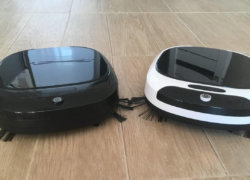
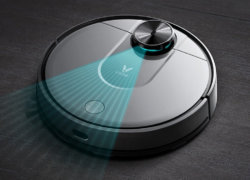
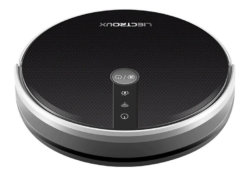
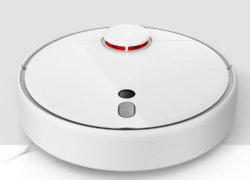
The S9+'s lack of a wet mop isn't a drawback. It's actually a strength. Honestly, comparing the competing combined models is flawed and excruciatingly poor at mopping. iRobot's Braava lineup includes a significantly better mopping robot than any Mijia or similar product.
I fundamentally disagree with you!
I fundamentally disagree with your disagreement!
I agree about the high price. I disagree about the wet cleaning. It's not a drawback, but a feature. Many people don't need wet cleaning. Besides, its effectiveness is questionable.
I'm duplicating my review of the Roomba S9 after a month of use. I think it'll be more concrete and interesting than the watered-down nature of this review:
Not a bad robot..
1. The cleaning quality is excellent, especially if you manually set the maximum suction power and 2 passes in the app.
2. Good navigation, it doesn't get stuck anywhere, although it takes a long time to get out from under places where obstacles are above the sensors but just below its bumper.
3. If the rollers lift the edge of the carpet or something else, it immediately stops them and smoothly passes the problem area. However, it only restarts the rollers after traveling about a meter, which isn't very good.
4. Compared to previous versions of the Rumba, its rollers are very rough on carpets, tearing, swallowing corners or just edges (though it quickly releases them). For example, on my carpet, the edges start to fray because of this.
5. The app is very poorly designed. I don't know who designed it, but they've never heard of logic or user experience. The most annoying thing—and what I consider a definite drawback—is that you can set the robot to three different operating modes: a) thorough cleaning, in which the robot automatically decides how many passes to make, and the suction power is adjusted based on the surface it's moving over; b) silent mode—pretty useless in my opinion, because if you need silence, just don't turn the vacuum on, and the cleaning quality in this mode is very mediocre; c) custom mode, where ATTENTION (!), you can set three suction modes—and it will always be in one of them, without adjusting to the surface, and specify the number of passes: 2 or 1...
Complaint: it is impossible to set the number of passes separately and still leave the automatic power…
6. Another drawback/bug: From time to time, rooms that need to be removed disappear from tasks for some reason... Consequently, the robot won't start and reports an error. I have to go back into the task and add the rooms again.
7. Moreover, in the tasks themselves, you CANNOT specify how many passes to make in a particular room or what mode to work in there... Or even specify this for the entire task... But this was possible in previous versions of the program...
Whoever "optimized" this needs to unscrew something unnecessary. For example, the head.
8. Well, the price... Well, it's too high.. Moreover, many people don't need a base with a dustbin (like me, for example), but you won't find this model without a base anywhere on sale... I suspect that without it, the robot would cost around 70 thousand... And that's twice as much as the robot actually costs.
In short, for that price, I don't recommend buying it. However, if money isn't an issue for you, I highly recommend it.
The manufacturers' attitude toward the robot's app is a bit concerning. It's been on sale for almost a year now, and the problems still haven't been resolved.
The review is just super, thank you very much)
The S9 is also available for sale without the base unit...