360 P7: An affordable robot vacuum cleaner with a camera for navigation and wet cleaning.
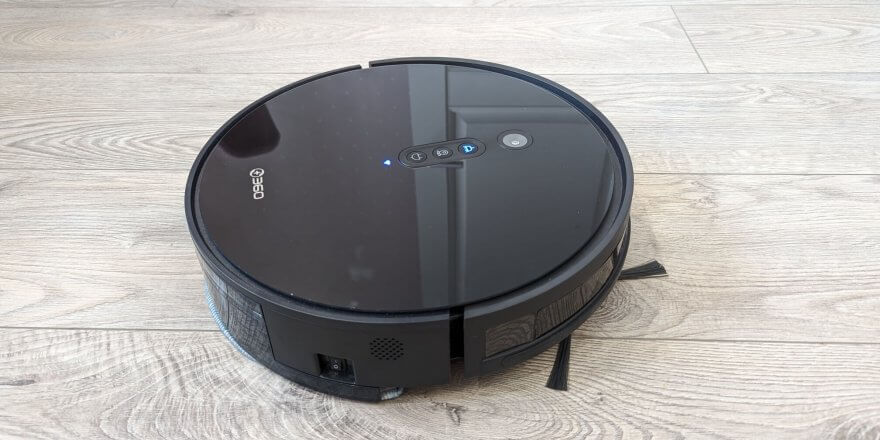
This review will examine the budget-friendly 360 Botslab P7 robot vacuum cleaner. It's priced between $100 and $180, but the average price is around $140, which is about $200. For this price, the manufacturer offers a robot vacuum with a camera for navigation, app and remote control, and both dry and wet cleaning functions. This combination of features seems quite optimal for the price. Next, I'll thoroughly test the 360 P7, after which I'll express my opinion on whether it's worth buying and how it stacks up against similar camera-based vacuum cleaners from Mijia and Dreame. So, let's get started!
Equipment
The robot vacuum cleaner arrived in a branded box like this:
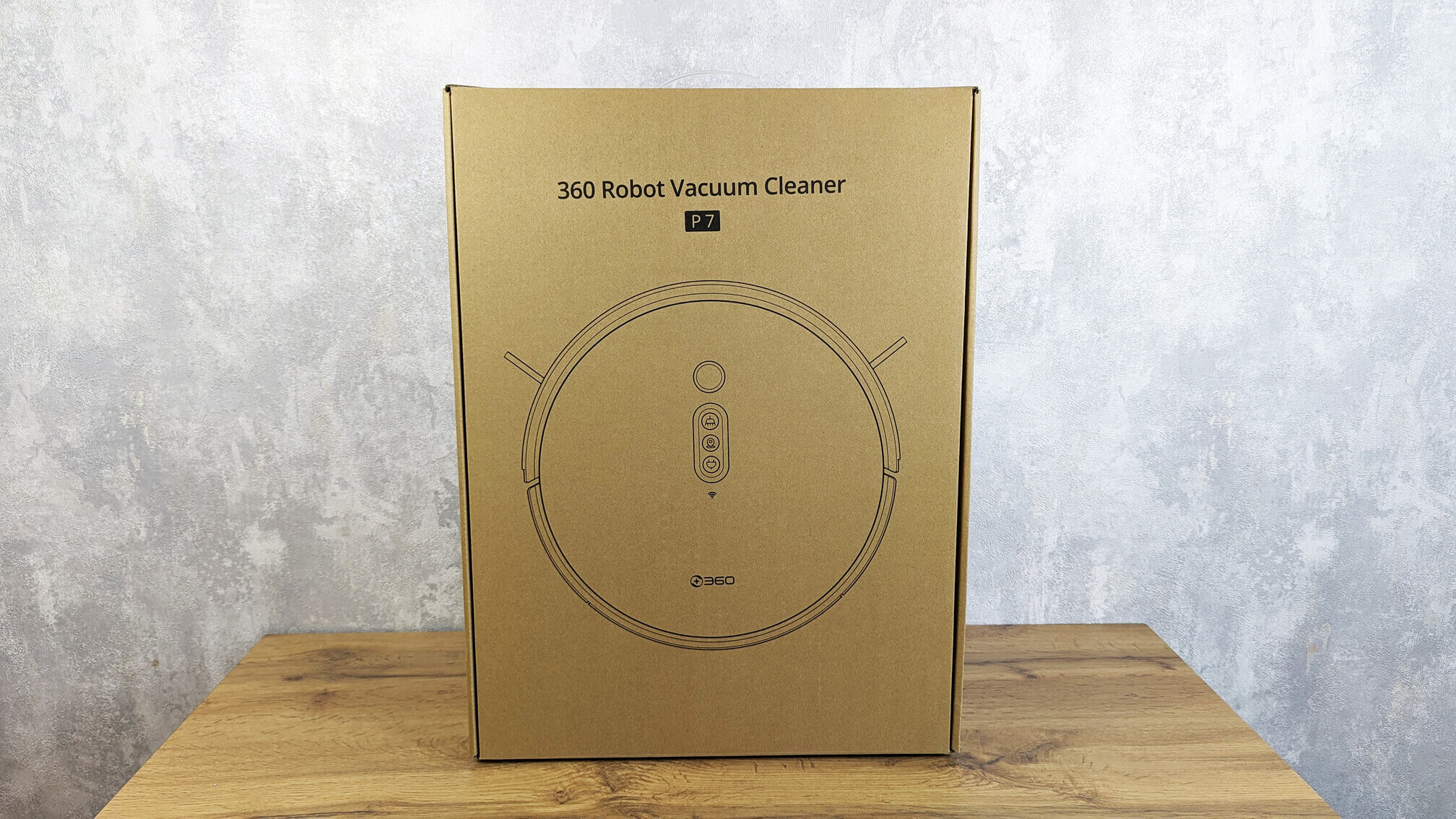
Box
The package includes:
- Charging base.
- Power adapter with adapters for different types of sockets.
- A combined container for water and debris, with a separate dust collector already installed in the robot.
- Documentation for the robot with translation into Russian.
- Remote control with power supply elements.
- Robot cleaning tool.
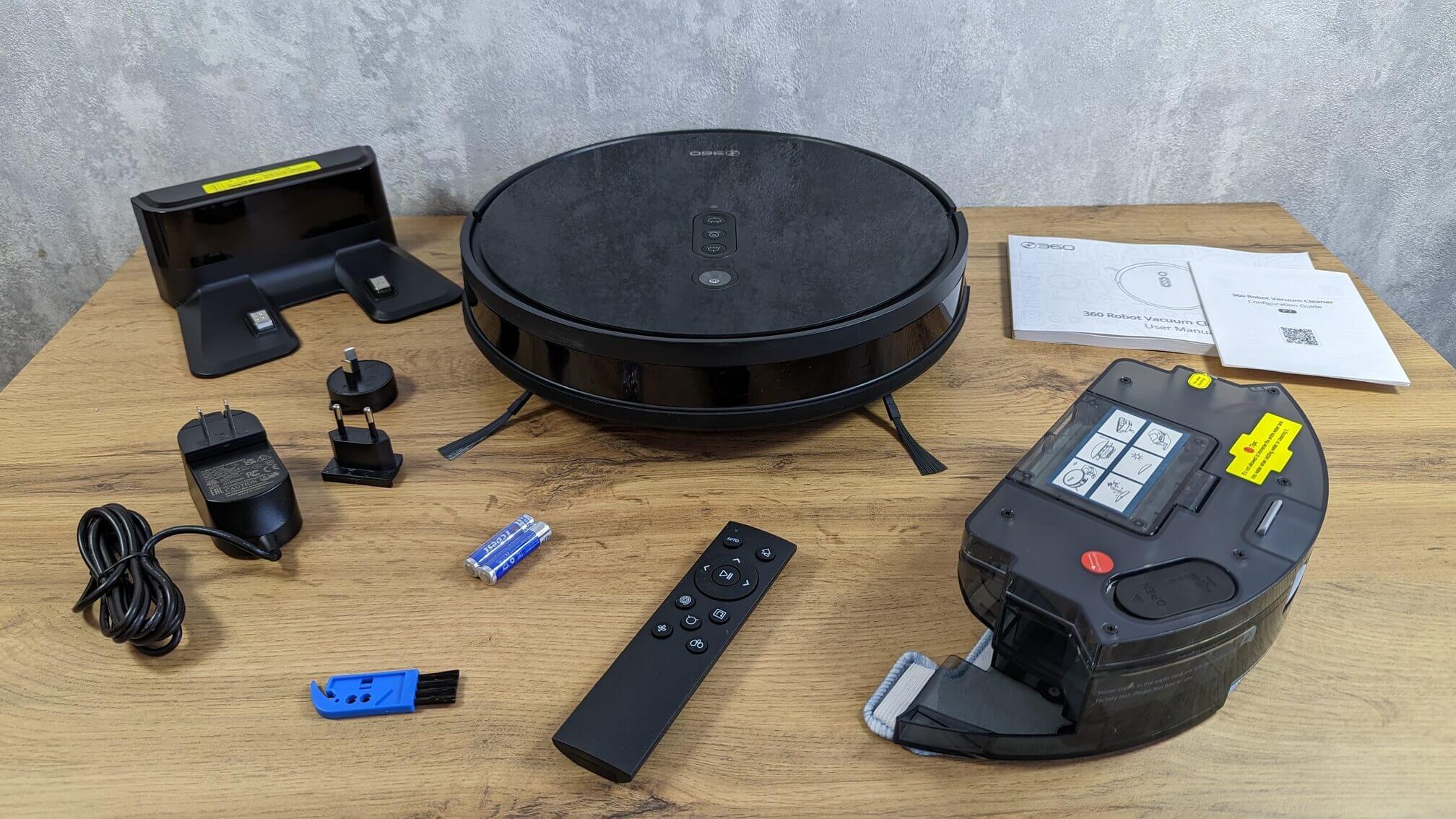
Equipment
The kit is minimal, there are no spare consumables included.
Appearance
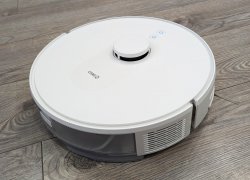
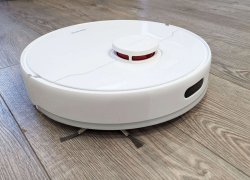
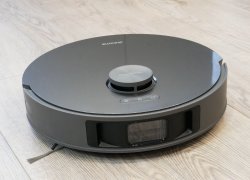
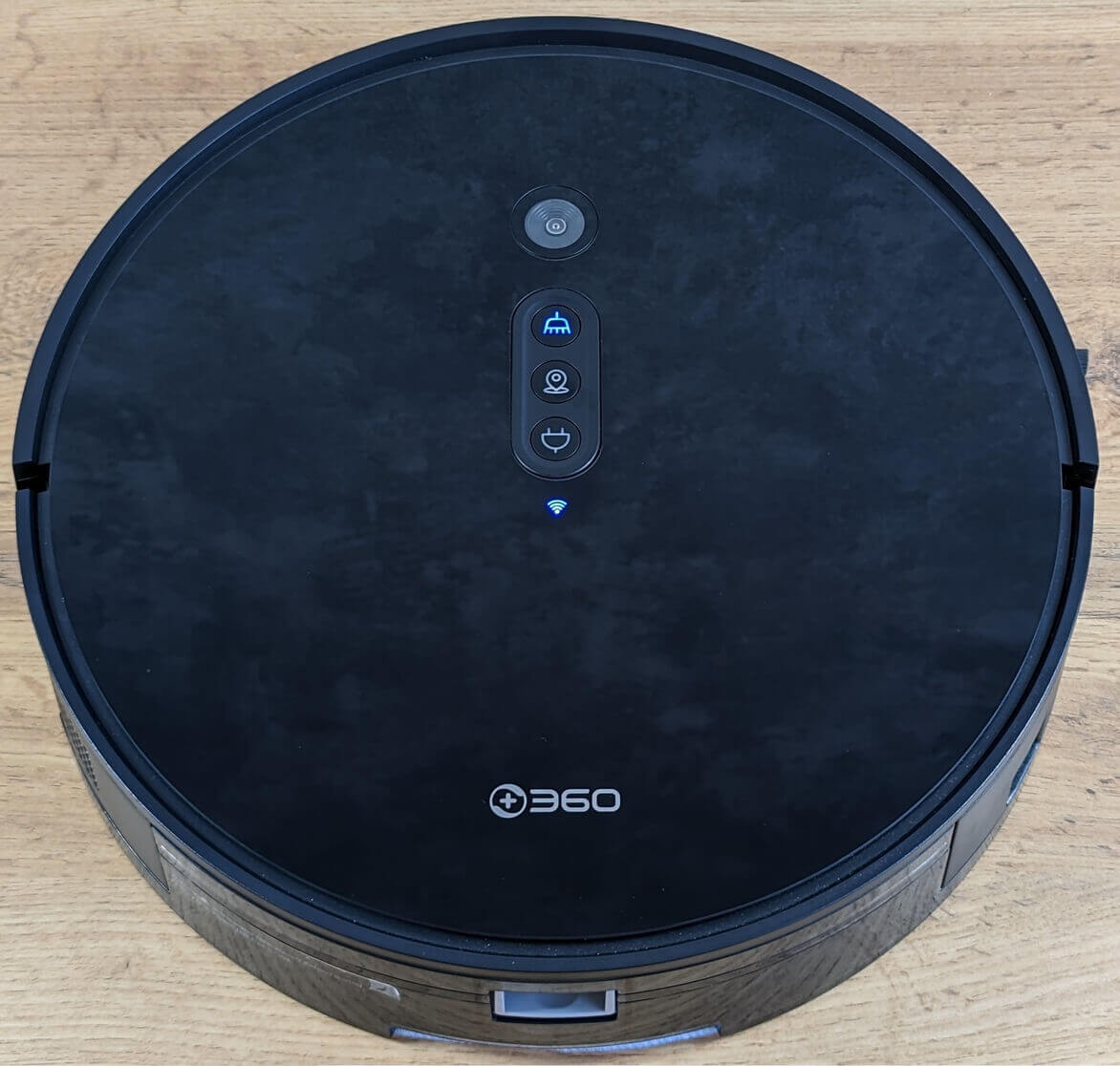
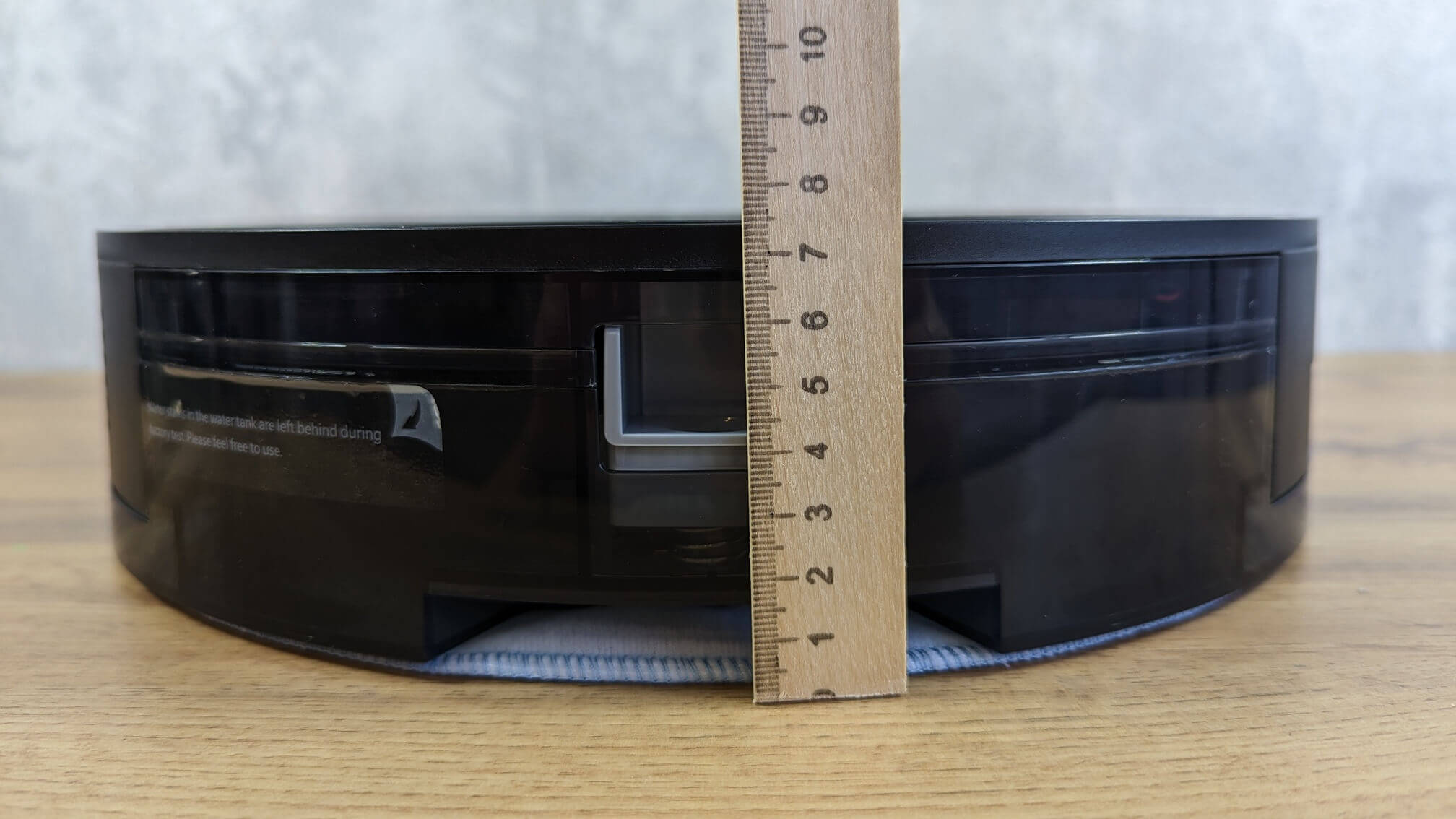
Now let's take a look at the 360 P7 robot vacuum cleaner. It's round and comes in black. The top cover is glossy and easily soiled. The body is only 76 mm from the floor.
Top view
Body height
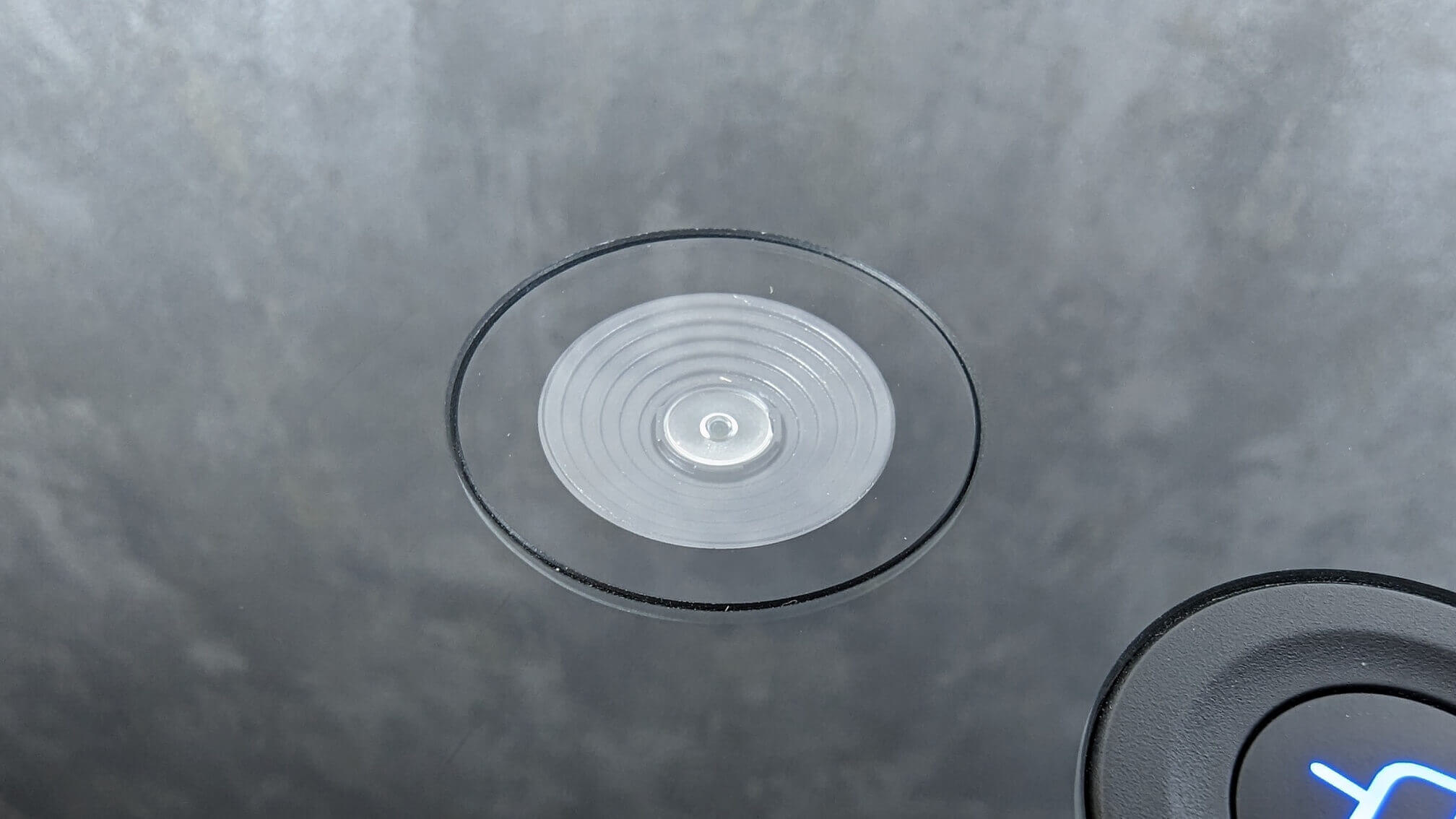
Navigation is controlled by a camera, next to which are three mechanical control buttons and a Wi-Fi network connection indicator.
Camera
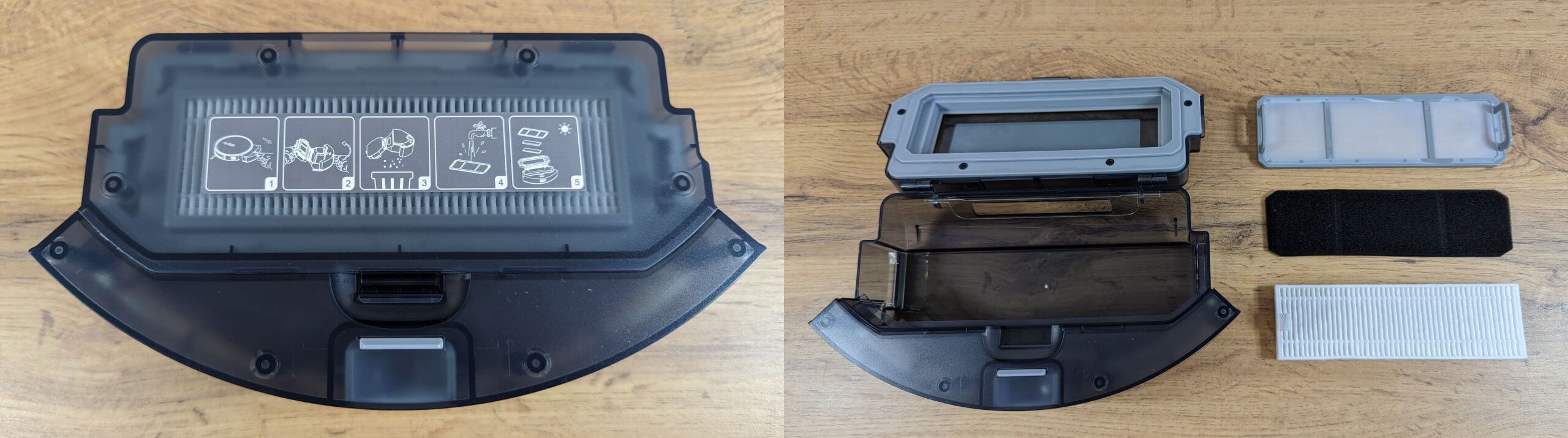
The dust container is removed from the back. It holds a whopping 680 ml of dry waste, which is quite a large capacity! The filtration system is triple: mesh, foam, and HEPA filters. This is a plus! The HEPA filter can't be washed with water, but the container itself can.
Dust collector
Instead of a dust collector, the robot can be equipped with a combined water and dirt container. The container holds up to 350 ml of water, which is pumped to the cleaning cloth using a special pump. There's also a small dry waste compartment, which also features a triple filtration system. It's important to note that the 360 P7 can vacuum and mop simultaneously. That's a plus!
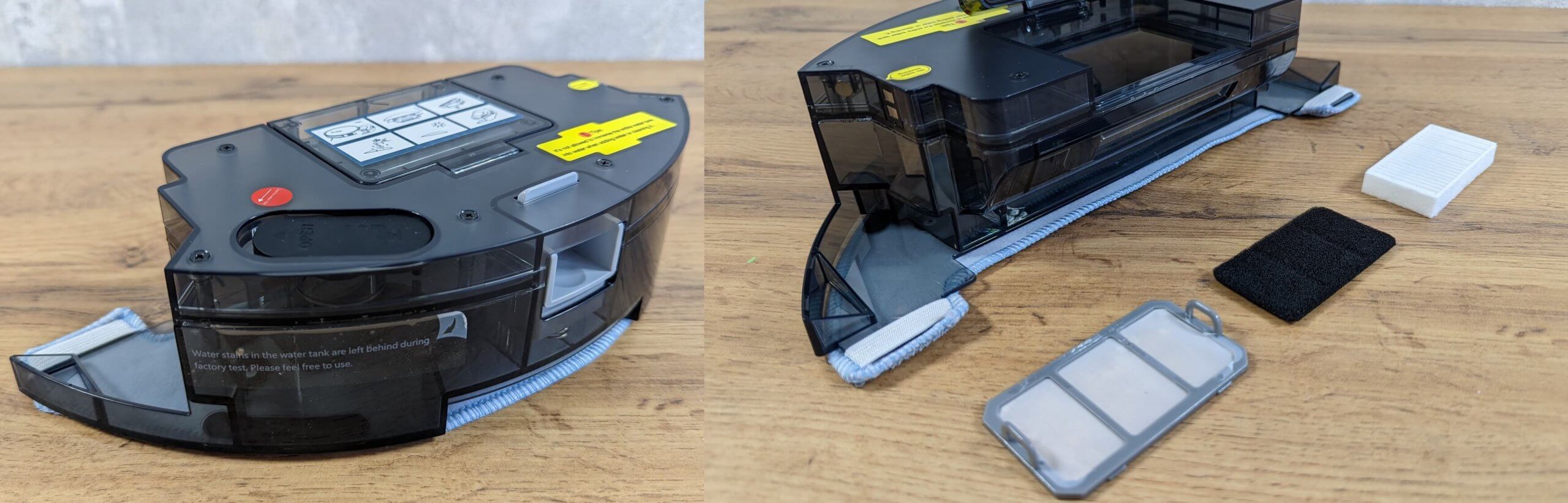
Combined container
The robot has three fall protection sensors installed underneath. It also has two side brushes, each with a three-beam design and quick-release.
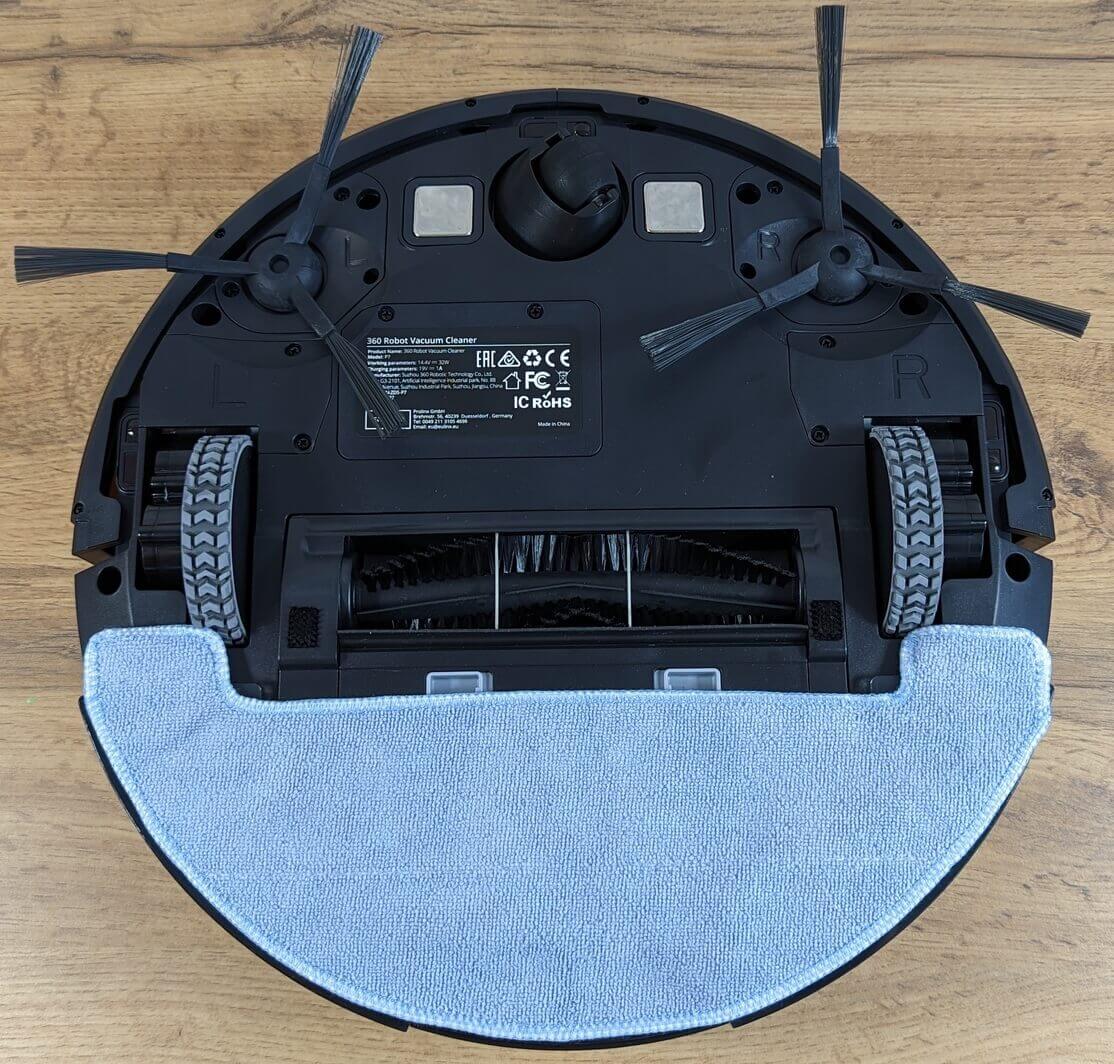
Bottom view
The central brush unit doesn't float; only the frame with the scraper moves, but that's not the whole story. The central brush is made of bristles and petals and is non-detachable. Only the cap on one side is removable.
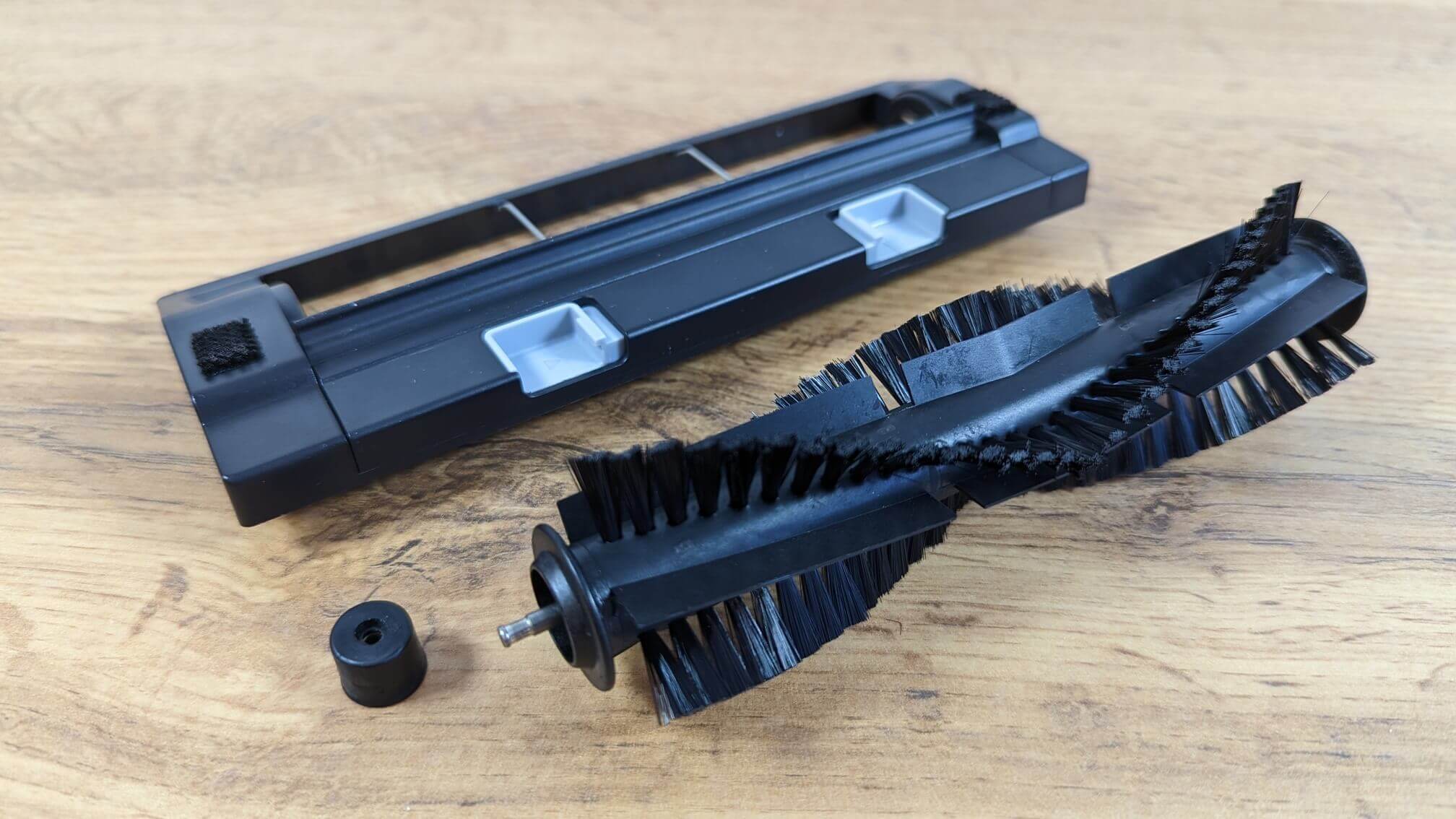
Central brush
Overall, the design and build quality of the 360 P7 is budget-friendly, just like its price range.
Technical specifications
Main characteristics of the 360 P7 robot vacuum cleaner:
- Li-Ion battery 2600 mAh.
- Suction power up to 2700 Pa.
- Operating time up to 120 min.
- Cleaning area up to 90 sq.m.
- Dust collector 680 ml.
- Water tank 350 ml.
- Obstacle clearance up to 20 mm.
- Dimensions: 320*76 mm.
- Weight: 3 kg.
The specifications are quite standard. The only criticism I have is the weak battery. Considering the camera for navigation, at least a 3200 mAh battery would have been better. At least the robot vacuum can automatically resume cleaning after charging in the base. However, the compact design and spacious dust bin are worth mentioning once again as positives.
Functional capabilities
In terms of functionality, the robot vacuum is controlled via the Botslab app, not the proprietary 360robot mobile app. The interface is fully localized, and installation and connection are straightforward; just follow the manufacturer's instructions.
Main functions:
- Saving cleaning map (1 map).
- Automatic zoning of premises into rooms.
- Selecting areas and rooms for cleaning.
- Virtual walls and no-go zones.
- Suction power adjustment.
- Adjusting the water supply level.
- Cleaning log.
- Setting up cleaning according to a schedule (time and days of the week).
- Voice notifications in Russian.
- Resume cleaning after charging.
- Yandex.Alice support.
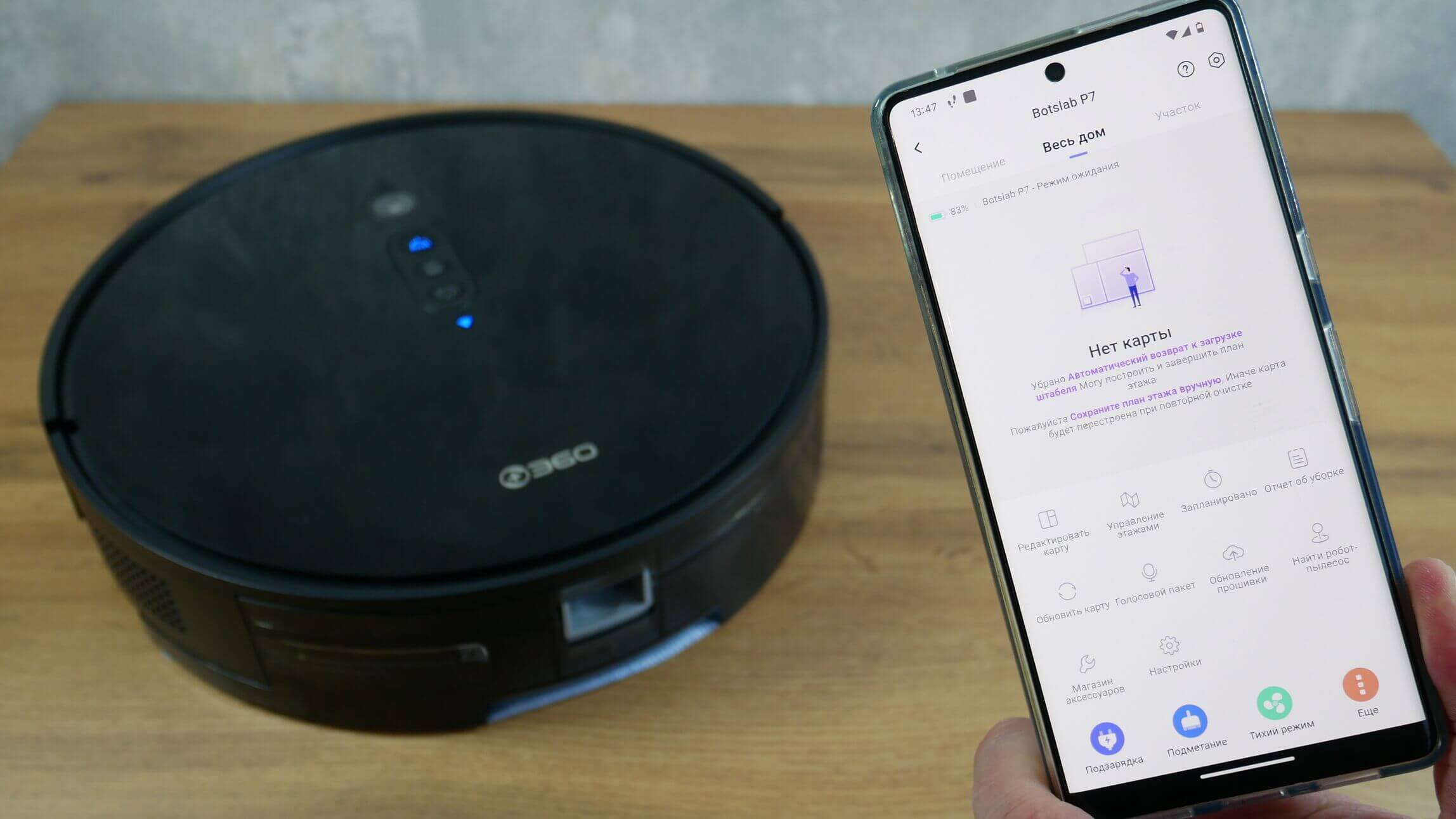
Control via app
The app's functionality is quite standard, but there are some shortcomings. For example, when editing room boundaries, you can only merge multiple rooms into one, which the robot automatically detects. You can't move a room boundary or divide a room into multiple zones, which is extremely inconvenient. You also can't select specific rooms when setting up a scheduled cleaning. I hope these issues will be addressed in a firmware update, given that the robot's navigation system allows for these features.
Additionally, the robot vacuum cleaner is controlled by a remote control, which duplicates some of the functions:
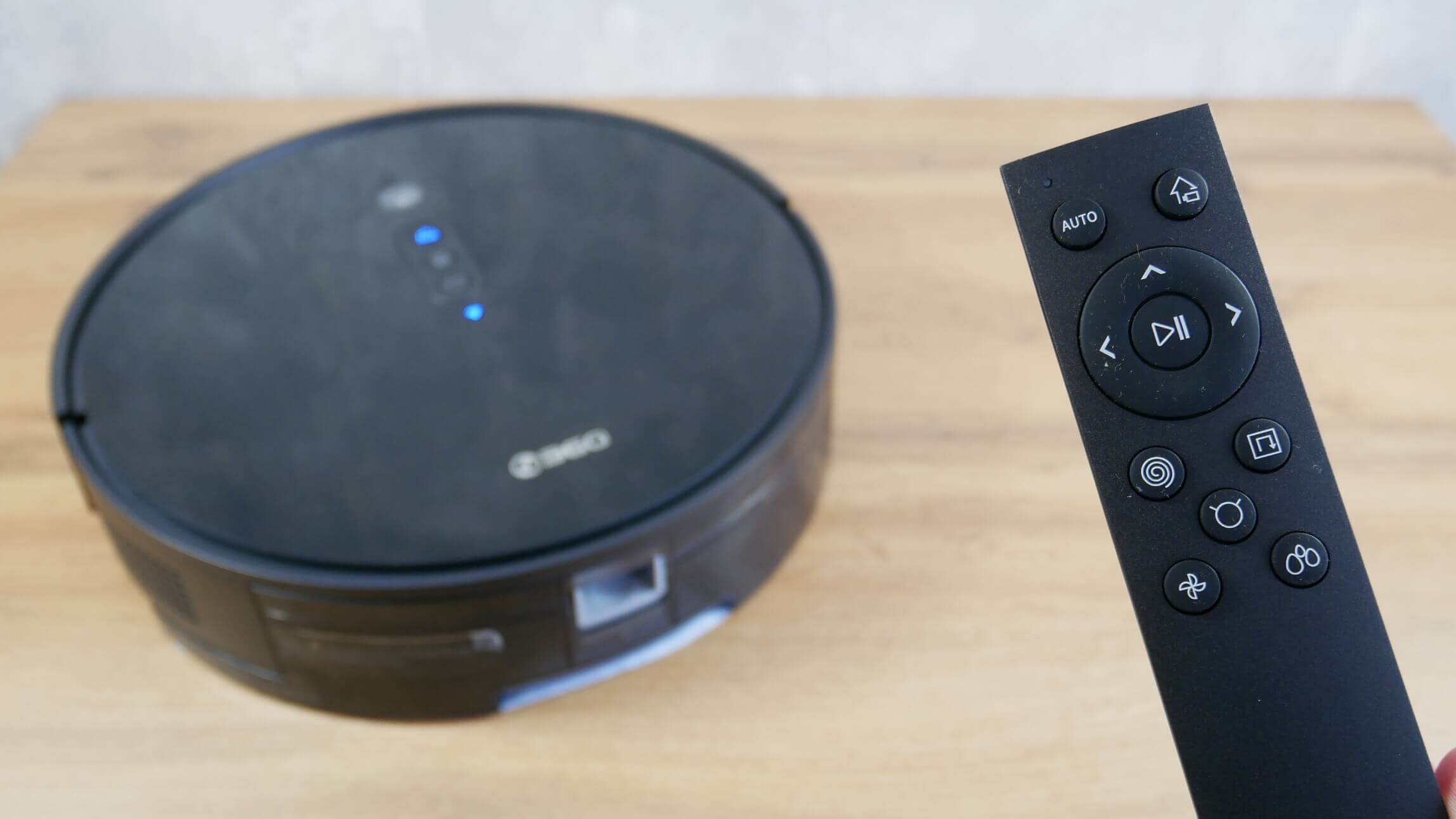
Remote control
Testing
A detailed 360 P7 video review with all tests has already been prepared and published on the channel:
Navigation
Finally, let's move on to the tests. First, we'll test the 360 P7's navigation in a room with obstacles. The robot vacuum first cleans the entire accessible area in a serpentine pattern, then along the perimeter. It didn't specifically clean around the legs of a chair and a box, which is typical for most camera-based robots. During one of its passes over the legs of a dryer, the robot got stuck and entered an error state. After resuming cleaning, the process was interrupted, and the robot vacuum began cleaning a new area, ignoring the area it had already covered and the designated cleaning zone. This test failed.
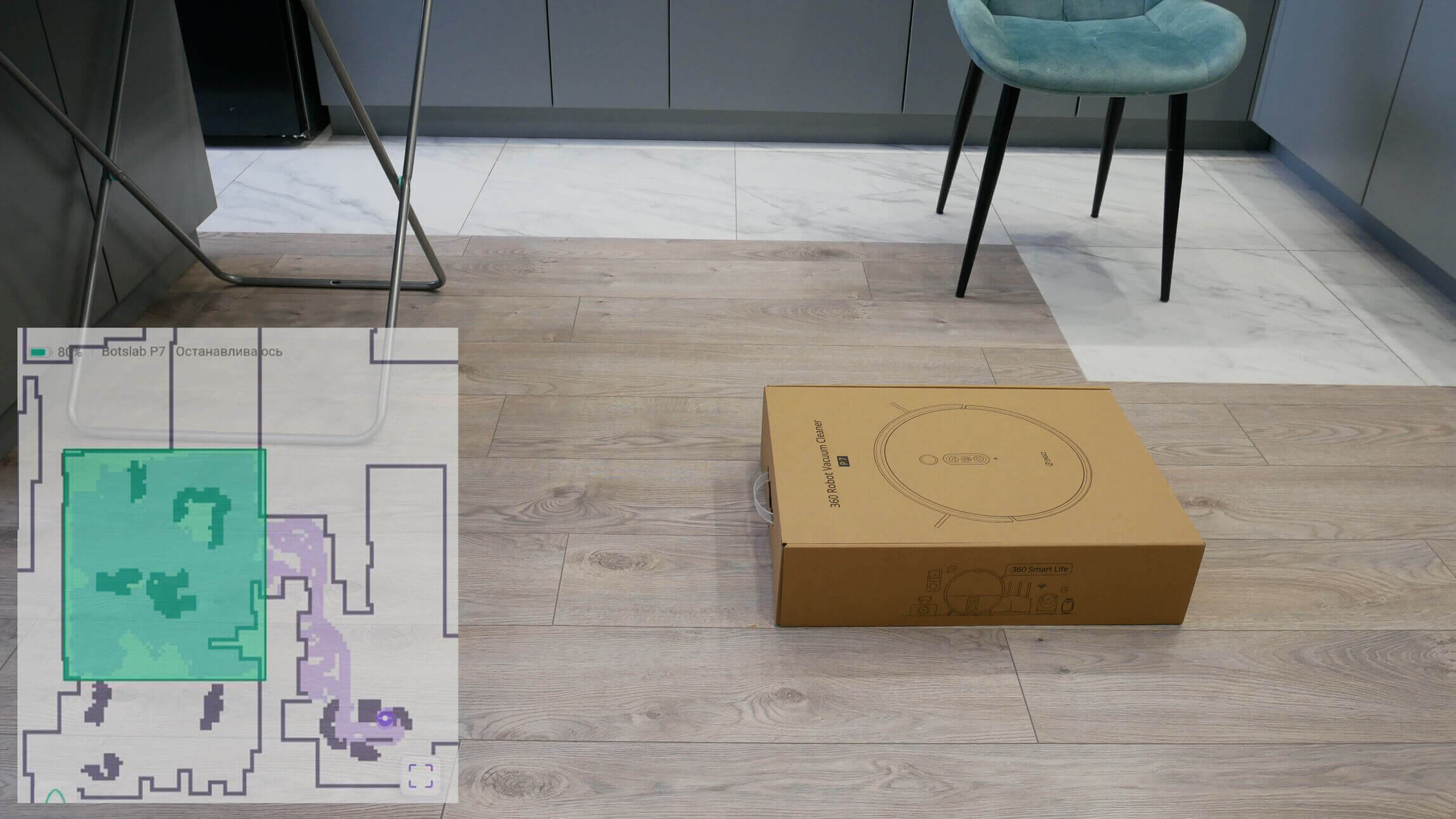
Navigating an Obstacle Room
Speaking of navigation within the home, the 360 P7 cleans the entire area zone by zone, first in a serpentine pattern, then along the perimeter. Considering it doesn't sweep around objects individually, but only reverses direction after touching them, there are small, uncleared areas left behind. That's not good. Furthermore, the robot vacuum calculates the area covered strangely; it's almost twice as large as the actual area. Another observation: the 360 P7 takes a very long time to locate itself after leaving the base, or if you want to interrupt automatic cleaning and, for example, select a room for the robot to clean. It starts by driving around a small square, trying to determine the location. And if you rearrange the furniture even slightly, for example, by moving a chair, there's a high probability that the robot won't be able to determine the location and will have to start over again. Overall, I have some complaints about the navigation. They are not critical, but nevertheless, compared to the same budget lidar models, the robot is much slower and leaves small uncleaned areas.
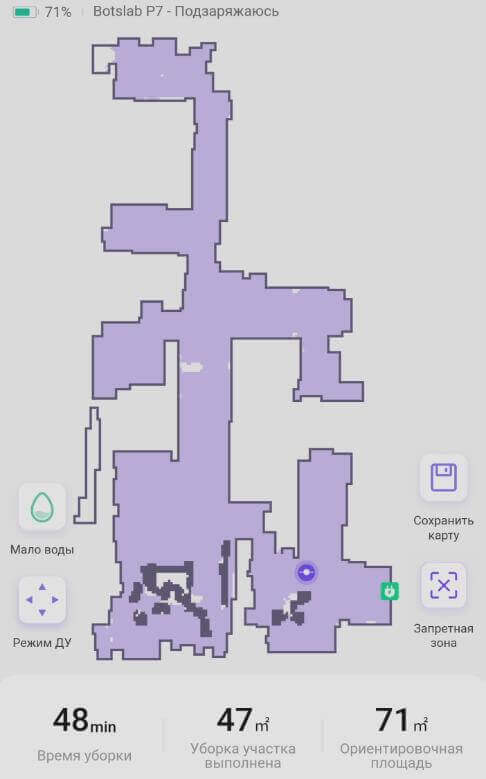
Navigation within the home
Suction power
A pleasant surprise was the slightly increased suction power. The robot vacuum was able to suck up debris from a 4 mm deep crevice. That's a plus!
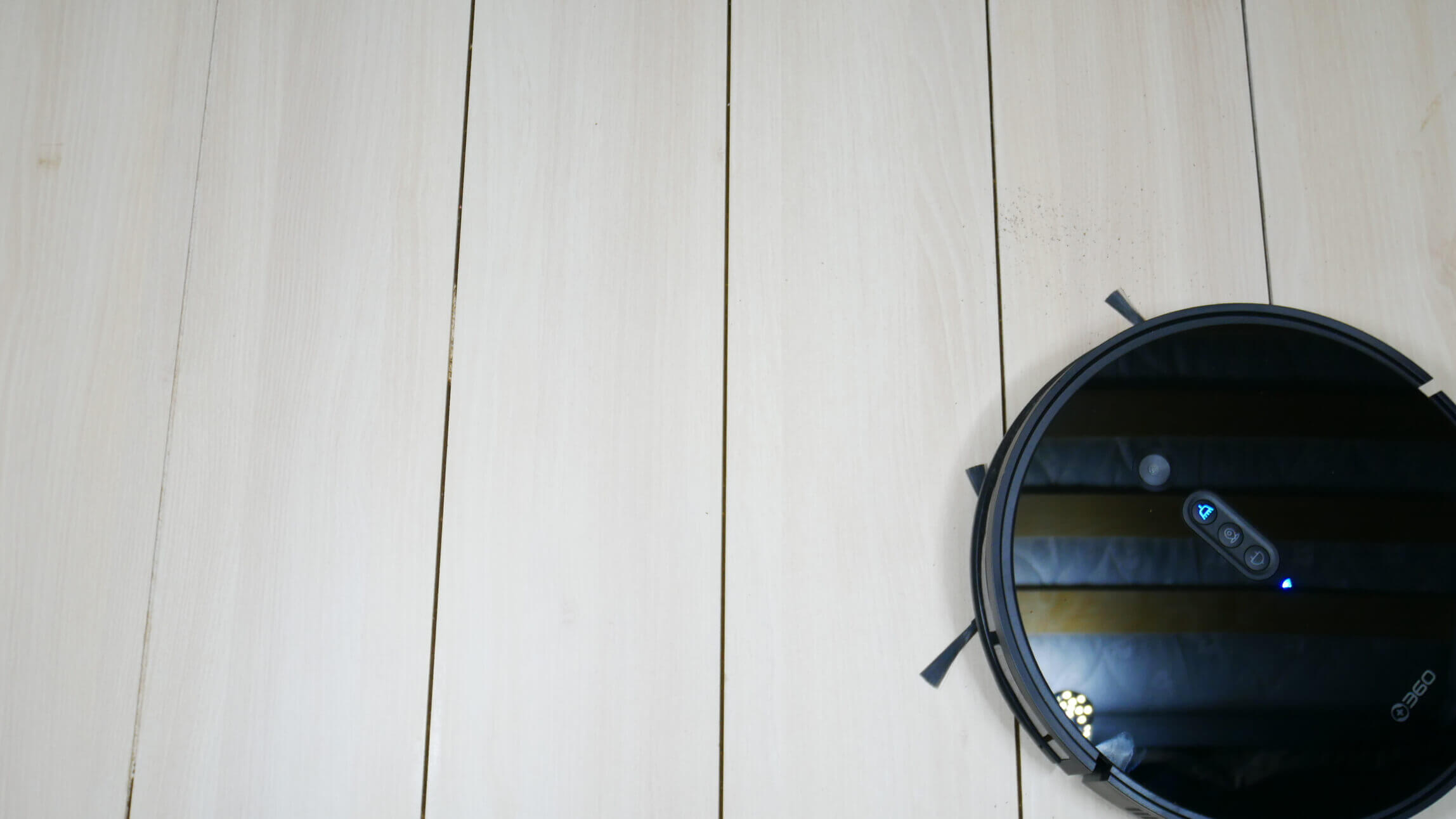
Suction power
Dry cleaning
The collection performance of various types of debris on laminate floors is good. The robot even managed to sweep debris out of corners better than other round models. This is another advantage of this model! Hair and pet hair got tangled up in the center brush, but the majority of the debris was still collected in the dust bin. Test passed!
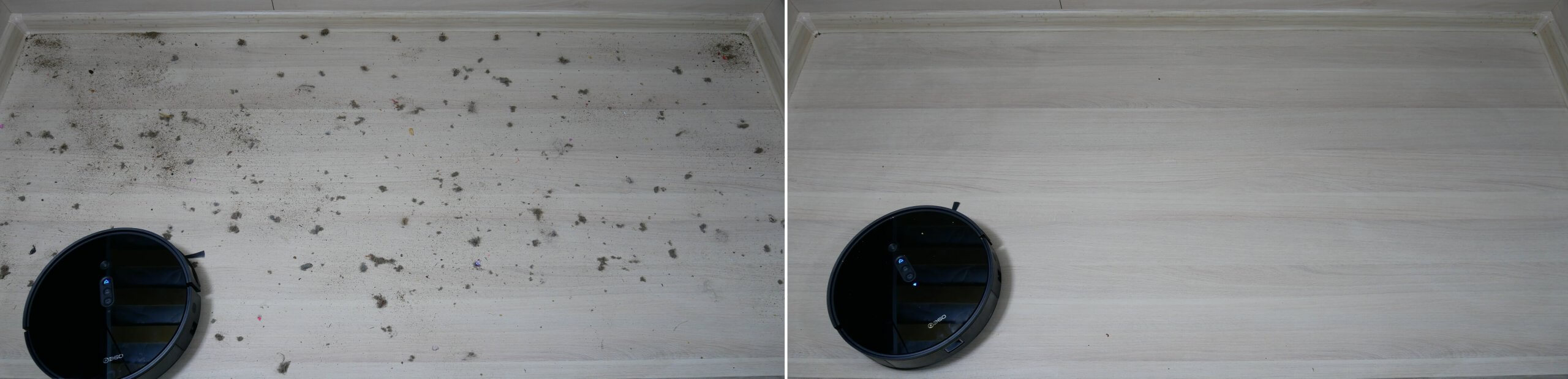
Dry cleaning
Carpet cleaning
This robot vacuum cleaner cleans carpets well thanks to its increased suction power and turbo brush. This robot is ideal for home use and cleaning low- and medium-pile carpets!
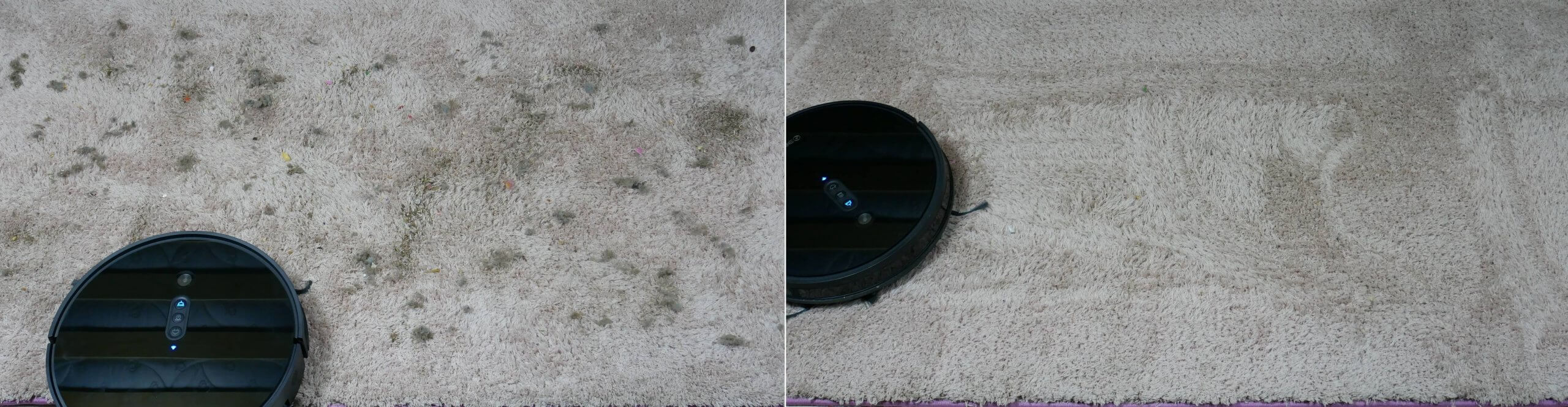
Carpet cleaning
Wet cleaning
The 360 P7 is capable of cleaning light dirt. However, it does leave streaks after frequent passes. This is due to the thin cloth and poor dirt absorption. Furthermore, the area along the baseboards isn't cleaned, as is the case with other robot vacuums reviewed. Overall, the floor cleaning performance is average to slightly above average.
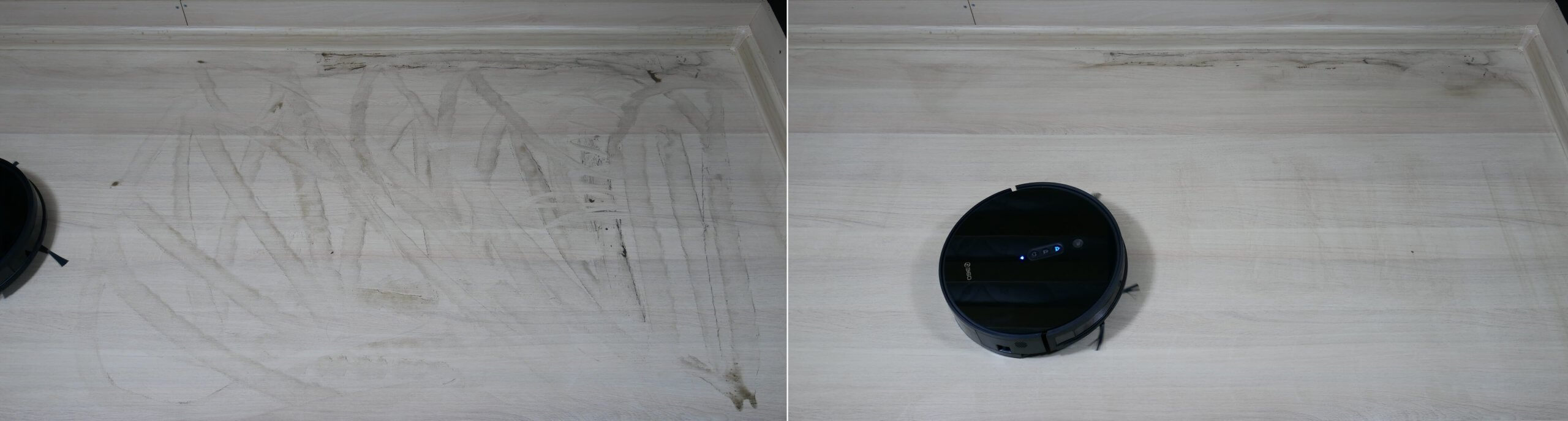
Wet cleaning
It's also important to note that the 360 P7 can vacuum and mop simultaneously. Moreover, the cloth is thoroughly wetted at the maximum setting, leaving a visible wet mark on the floor. This robot's wet mopping performance is superior to that of chamber-based robots from Draeme and Mijia.
Wet cleaning and carpets
Regarding wet cleaning with carpets, the 360 P7 doesn't have a carpet detection sensor, so it can't recognize carpets or avoid them in wet cleaning mode. No-go zones, which can be set in the same location as the carpets, will prevent carpets from getting wet. Unfortunately, there are no separate no-go zones for wet cleaning mode.
Obstacle clearance
The robot vacuum cleaner can overcome thresholds as low as 2 cm, so this model has excellent maneuverability!
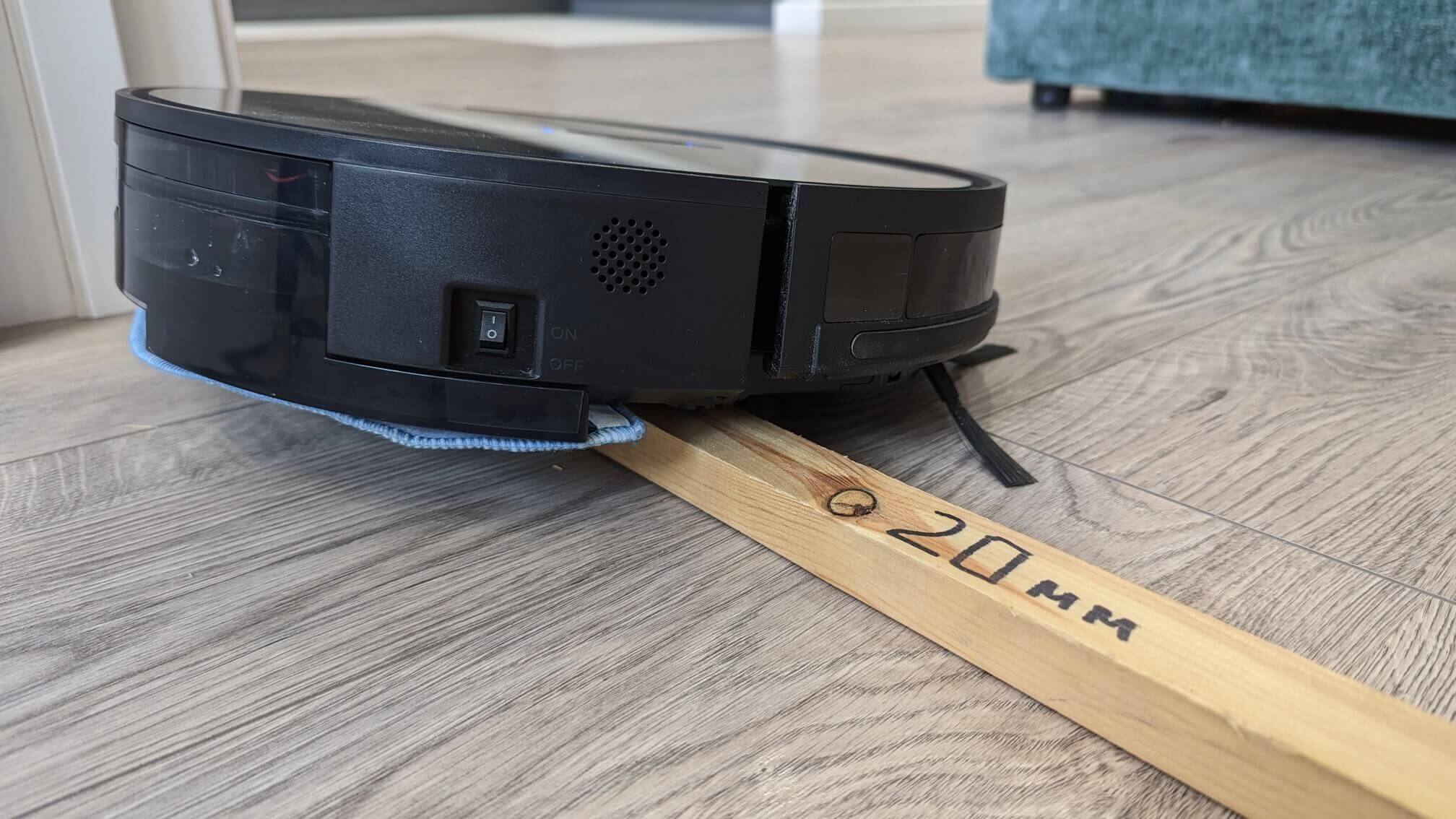
Obstacle clearance
Driving through black surfaces
Another advantage of the robot is that it's resistant to black floors. For some, this is a very important feature!
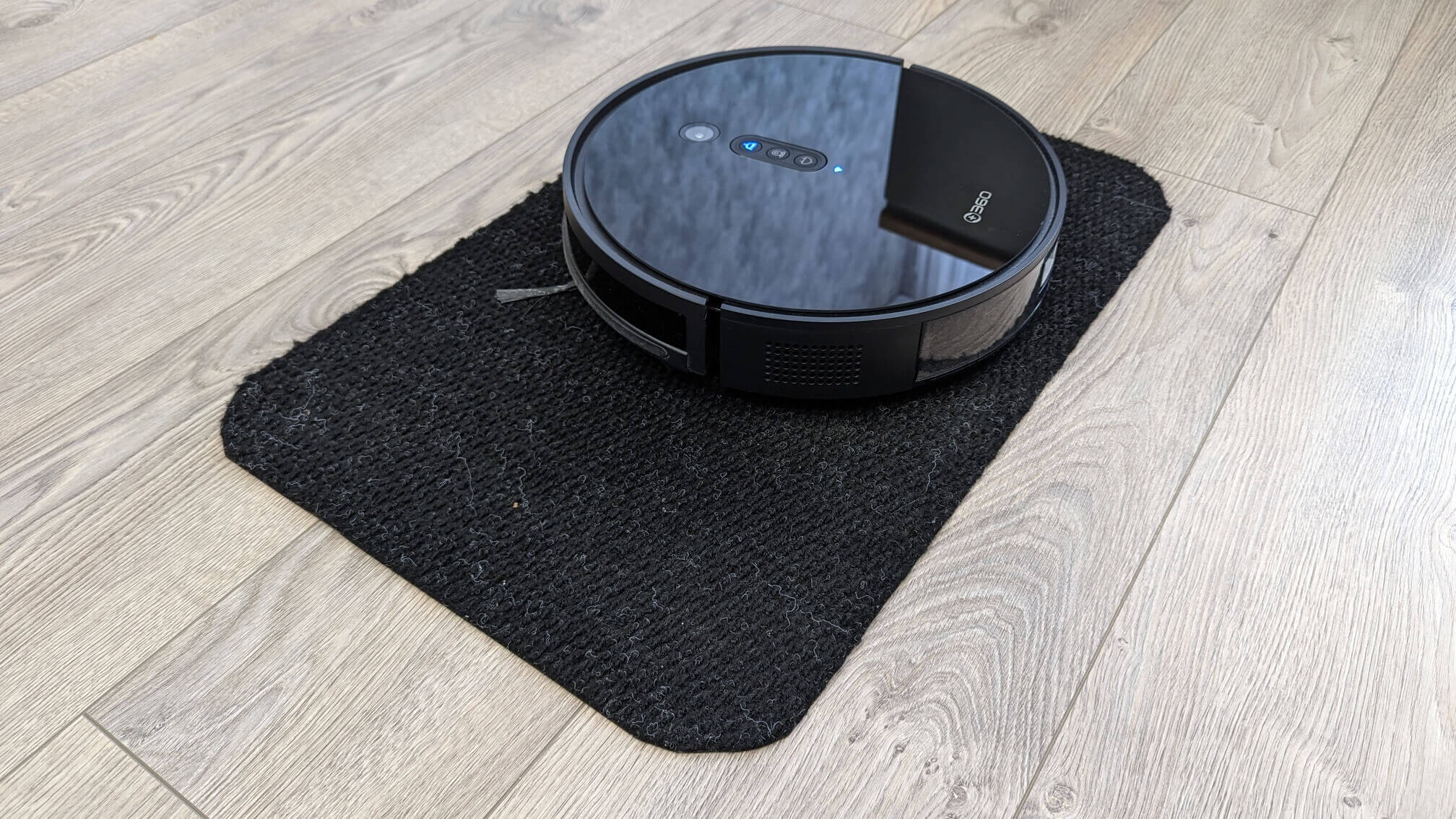
Driving through black surfaces
Noise level
Finally, we measured the robot vacuum's noise level in different modes. At minimum power, it ranged from 58-60 dB. In automatic mode, it increased to 62-64 dB, and at maximum power, the peak was 71.5 dB. This robot has a high noise level; even taking into account the increased power, it still runs too loud in Turbo mode.
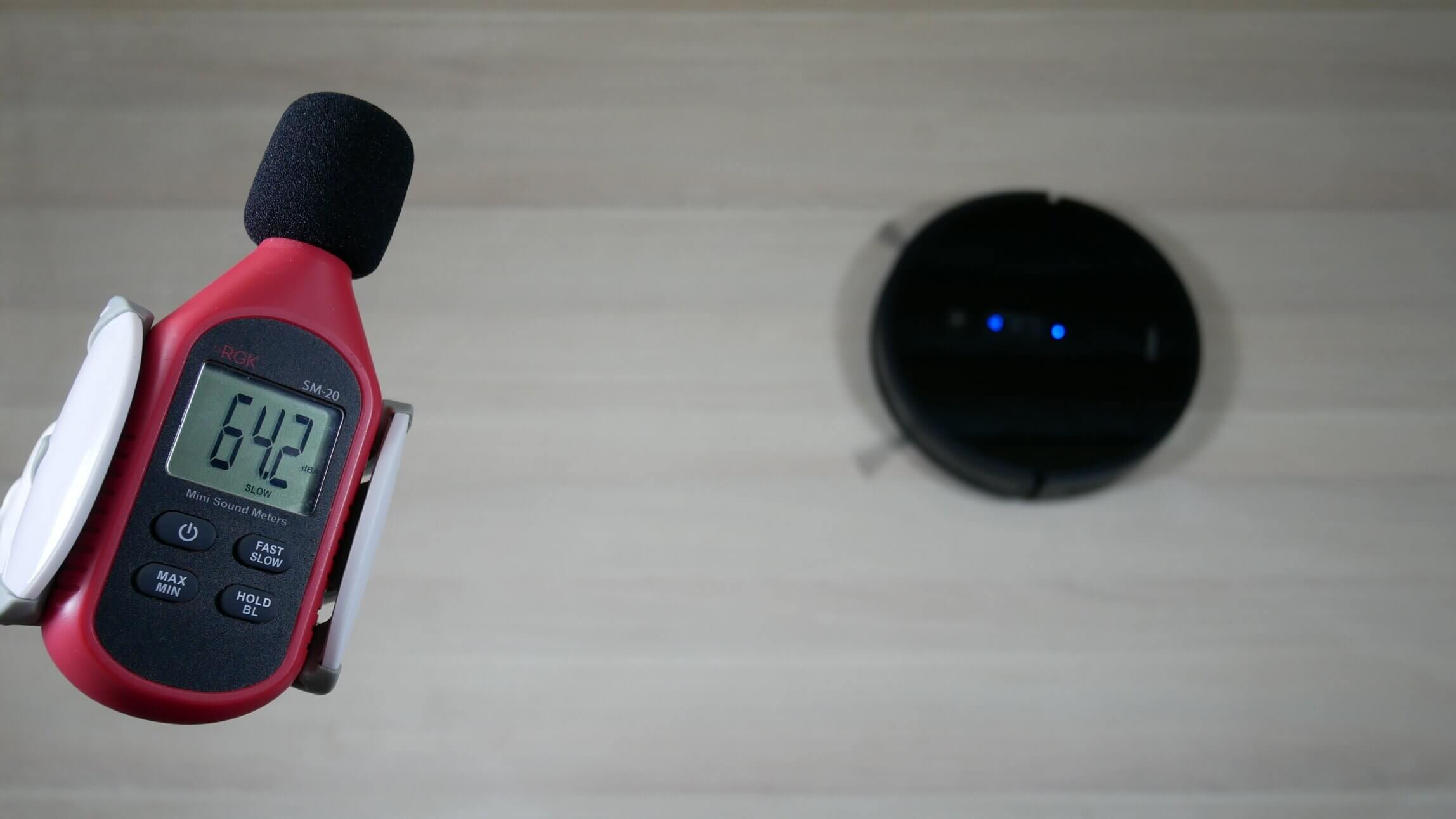
Noise level
Personal opinion
The 360 Botslab P7 robot vacuum cleaner has been thoroughly reviewed and tested. our evaluation system he managed to gain 99 pointsThe result is not bad, as for a robot vacuum cleaner with a camera for navigation. But, for example, its closest competitor Dreame F9 was able to score 108 points, and Yeedi 2 Hybrid 107 points. Although Xiaomi Mijia 2C Still, it was slightly inferior to this model in terms of the sum of parameters and scored 97 points.
Overall rating of robot vacuum cleaners tested on robovac.washerhouse.com: https://robovac.washerhouse.com/en/rejtingi/robovac-obshhij-rejting-robotov-pylesosov-robo.html.
I'll share my personal opinion about the robot. I liked the following:
- Good quality dry cleaning.
- Capable of vacuuming and mopping the floor at the same time.
- It sweeps into corners better than most other round robots.
- Capable of cleaning behind curtains and drapes.
- Increased suction power.
- Controlled via app and remote control.
- You can select zones and rooms for cleaning.
- Support for virtual walls and no-go zones.
- Good cross-country ability.
- Capacious dust collector.
- Small body height.
- Complete Russification.
- Yandex.Alice support.
- Not afraid of black floor coverings.
As for the shortcomings, I had the following comments about the robot after testing:
- Weak battery.
- There are problems with navigation (including long positioning).
- Non-detachable turbo brush.
- May leave streaks when wet cleaning.
- Increased noise level.
- When setting up a cleaning schedule, you cannot select rooms.
- You cannot edit room boundaries.
Overall, considering the pros and cons, it's hard to say whether this is a good value robot vacuum. I'd personally choose the Dreame F9 if I was looking for an inexpensive robot vacuum with a camera for navigation, or I'd spend an extra $20-30 and buy one. 360 S8 It already has a lidar system, which has much better spatial awareness and more advanced features. This robot is worth considering if the drawbacks aren't too significant for you.
On that note, I'd like to end this review. If you have any questions, please ask them in the comments below the video. Happy shopping. Bye!