Comparison of the Tefal X-plorer Series 75, 80, and 95 robot vacuum cleaners. Which one is better?
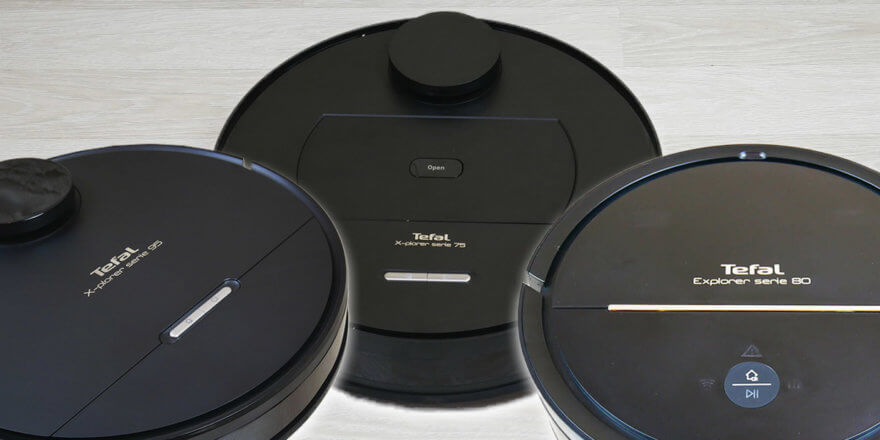
Hello to all readers of this site! In this post, I've decided to compare three premium robot vacuum cleaners from Tefal: the Tefal X-plorer Series 75, 80, and 95. At the time of writing, these robots cost $350, $370, and $500, respectively. Given such high prices, it's important to understand which robot vacuum is best for your needs and, in general, what the extra cost is. This will be discussed in detail below. So, let's get started!
Appearance
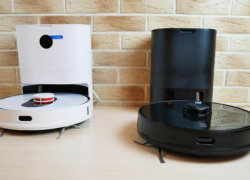
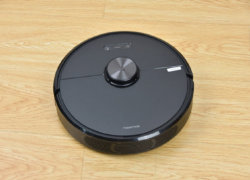
First, let's look at the design differences between these robots. The main difference is navigation. The Tefal X-plorer Series 75 and 95 are equipped with a familiar lidar sensor, which is mounted on the top of the body and rotates at high speed, scanning the surrounding area.
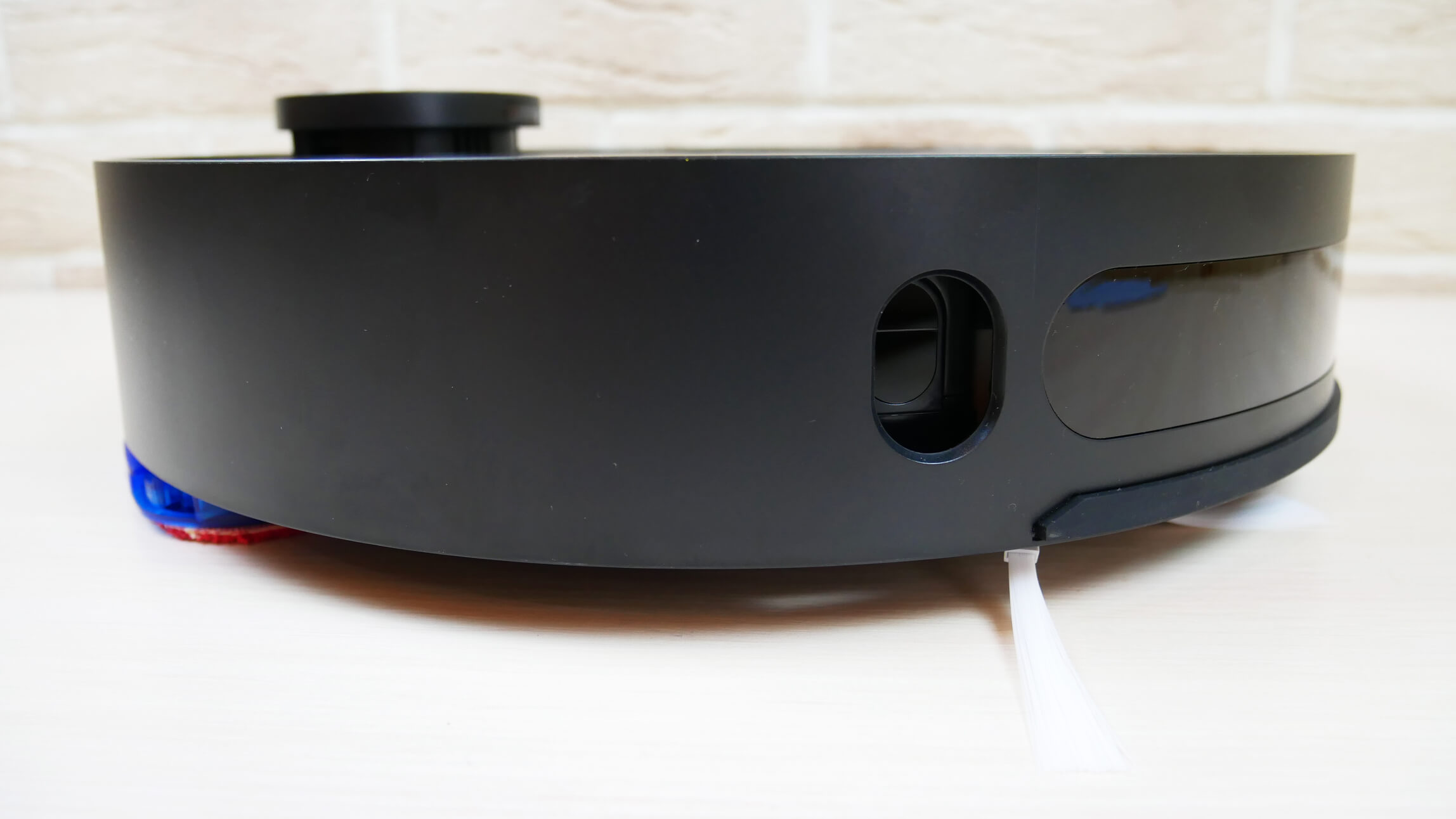
X-Plorer Series 75
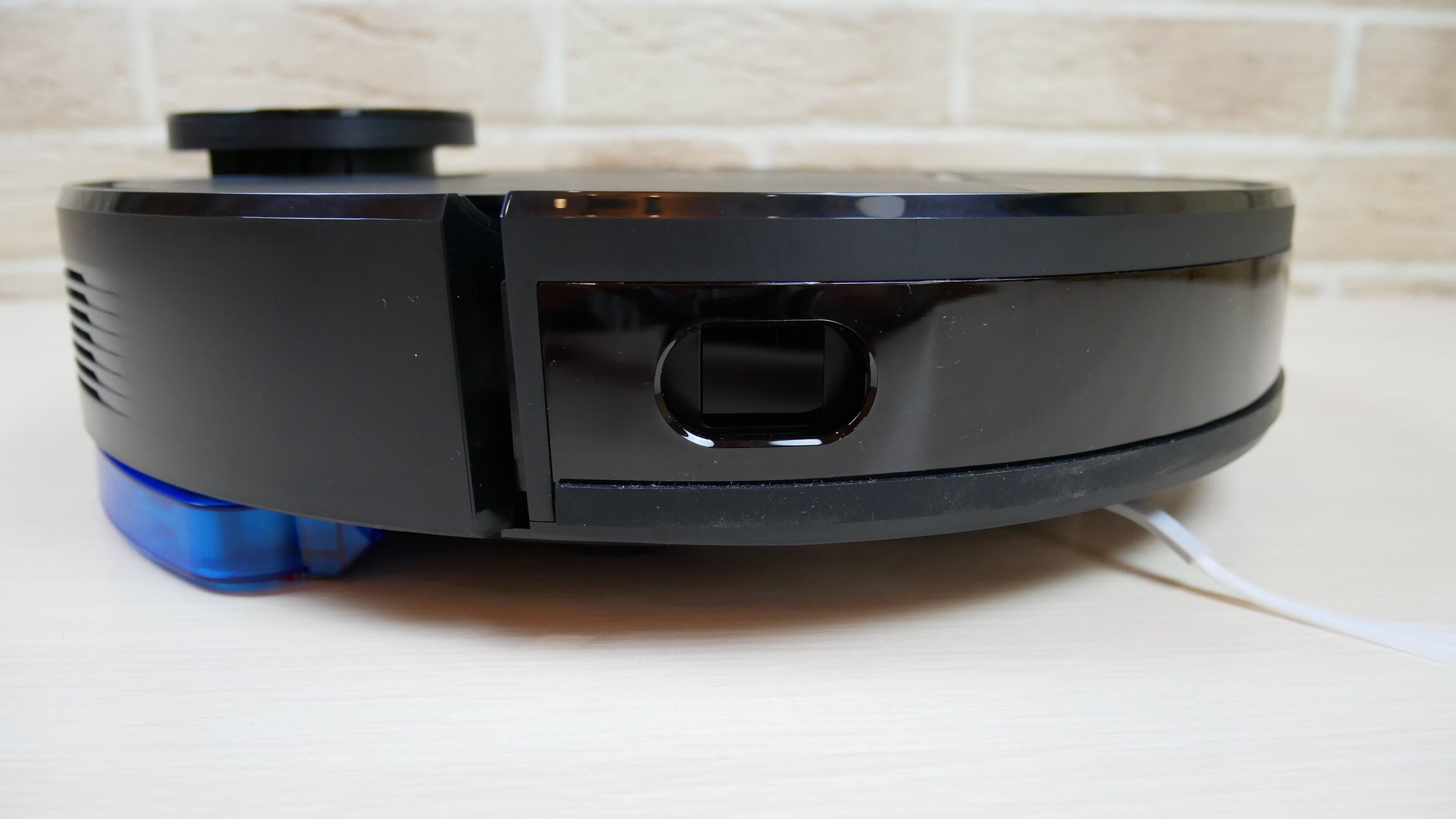
X-Plorer Series 95
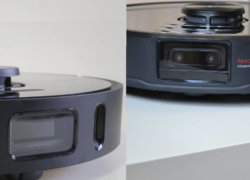
The Tefal X-plorer Series 80 is also equipped with a lidar sensor, but the laser sensor itself is mounted in the mechanical bumper at the front. It doesn't rotate and is fixed in place. The robot vacuum itself rotates, scanning the area around it.
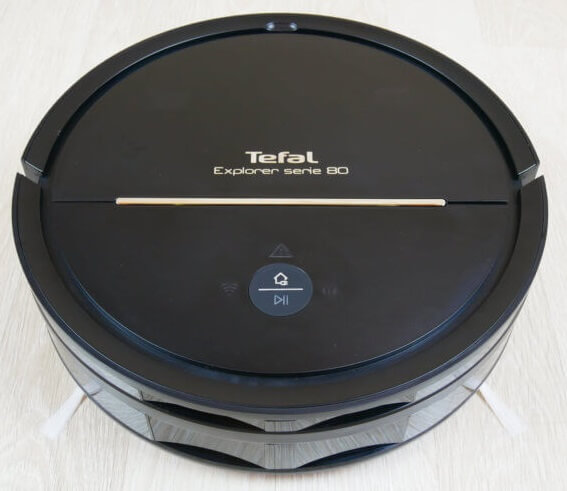
X-plorer Series 80
Both navigation options allow you to create an accurate map of the room in real time, but the 80th model, in my opinion, has a more reliable navigation system precisely due to the lower wear and tear of the space scanning system.
All three models are round and available in both white and black. The robots are roughly the same height: the Tefal X-plorer Series 75 is approximately 102 mm, the 80 is 97 mm, and the 95 is 100 mm.
Robot vacuum cleaners are suitable for both dry and wet cleaning. However, the Tefal X-plorer Series 75 and 80 have a water tank mounted underneath the body, with water flowing by gravity onto the cleaning cloth. The Tefal X-plorer Series 95, on the other hand, has a water tank integrated into the dust container, with a pump inside the robot for electronically controlling the water flow.
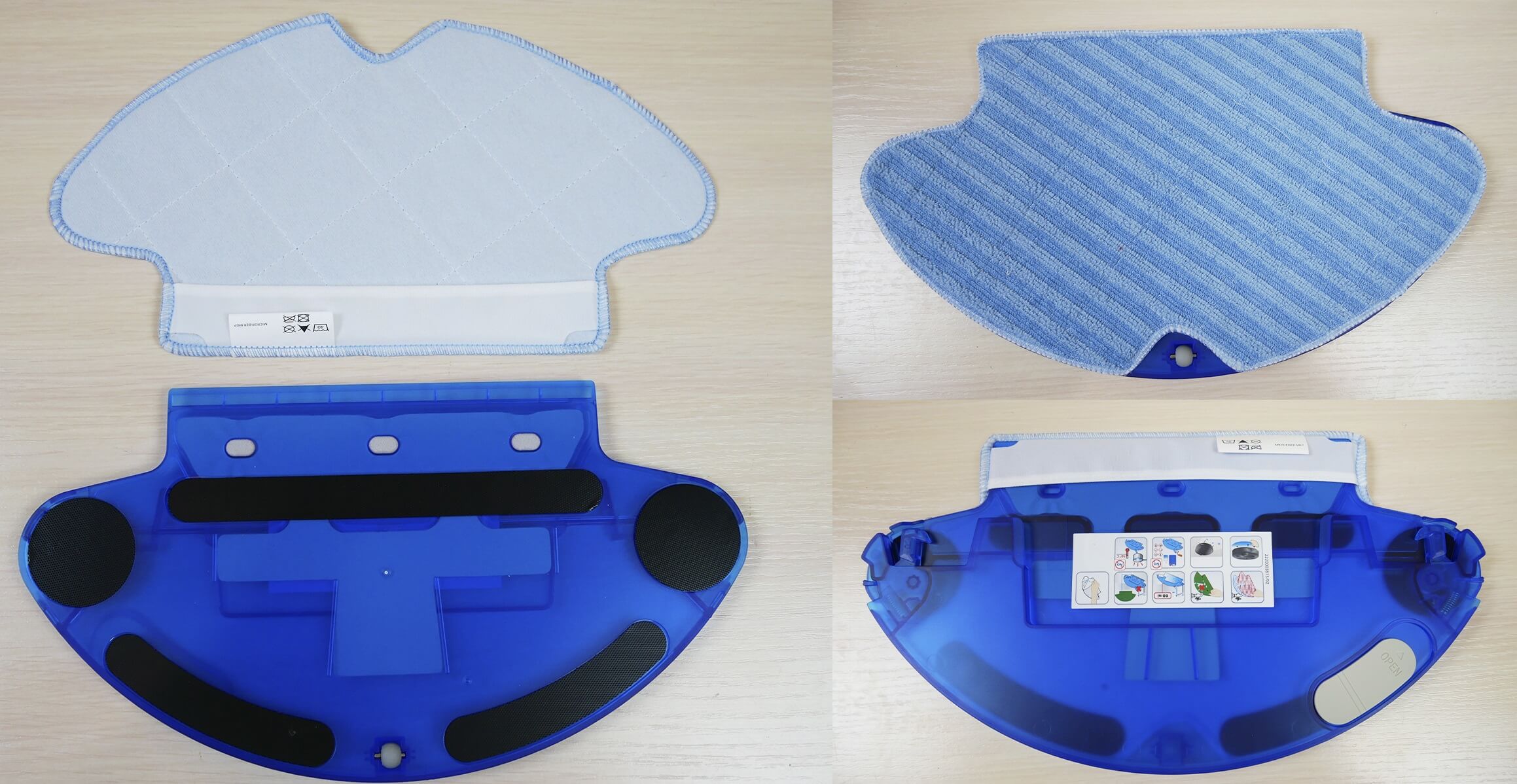
Wet cleaning attachment for model 75
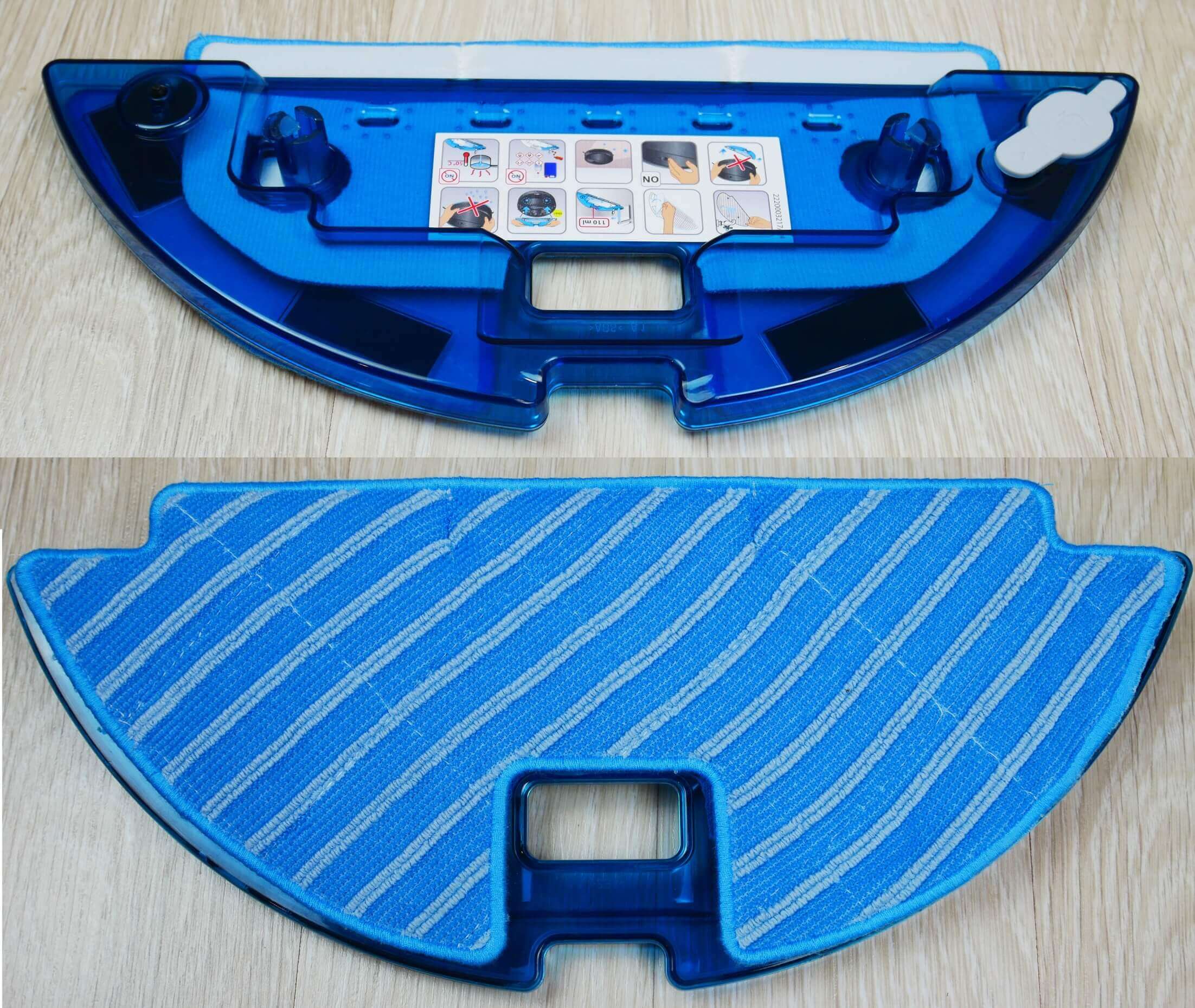
Attachment with a cloth for the 80th model
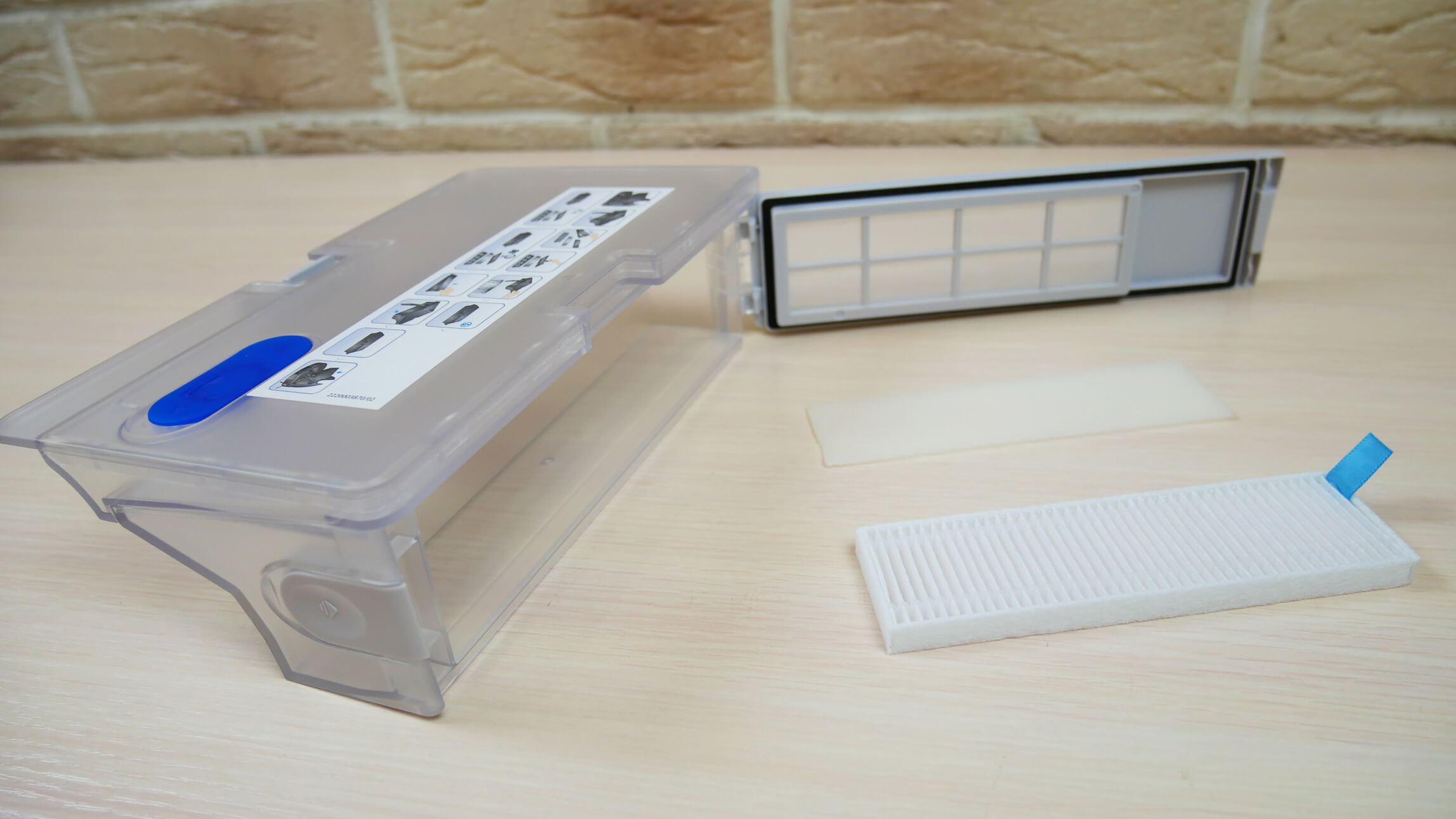
Combined container model 95
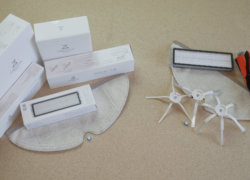
Speaking of the dust collection system design, all three robots are equipped with two three-pronged side brushes and a central bristle-and-petal brush. However, the Tefal X-plorer Series 95 also comes with a silicone brush, which is better at removing tangled hair and pet hair, as well as a lint roller for cleaning hard floors.
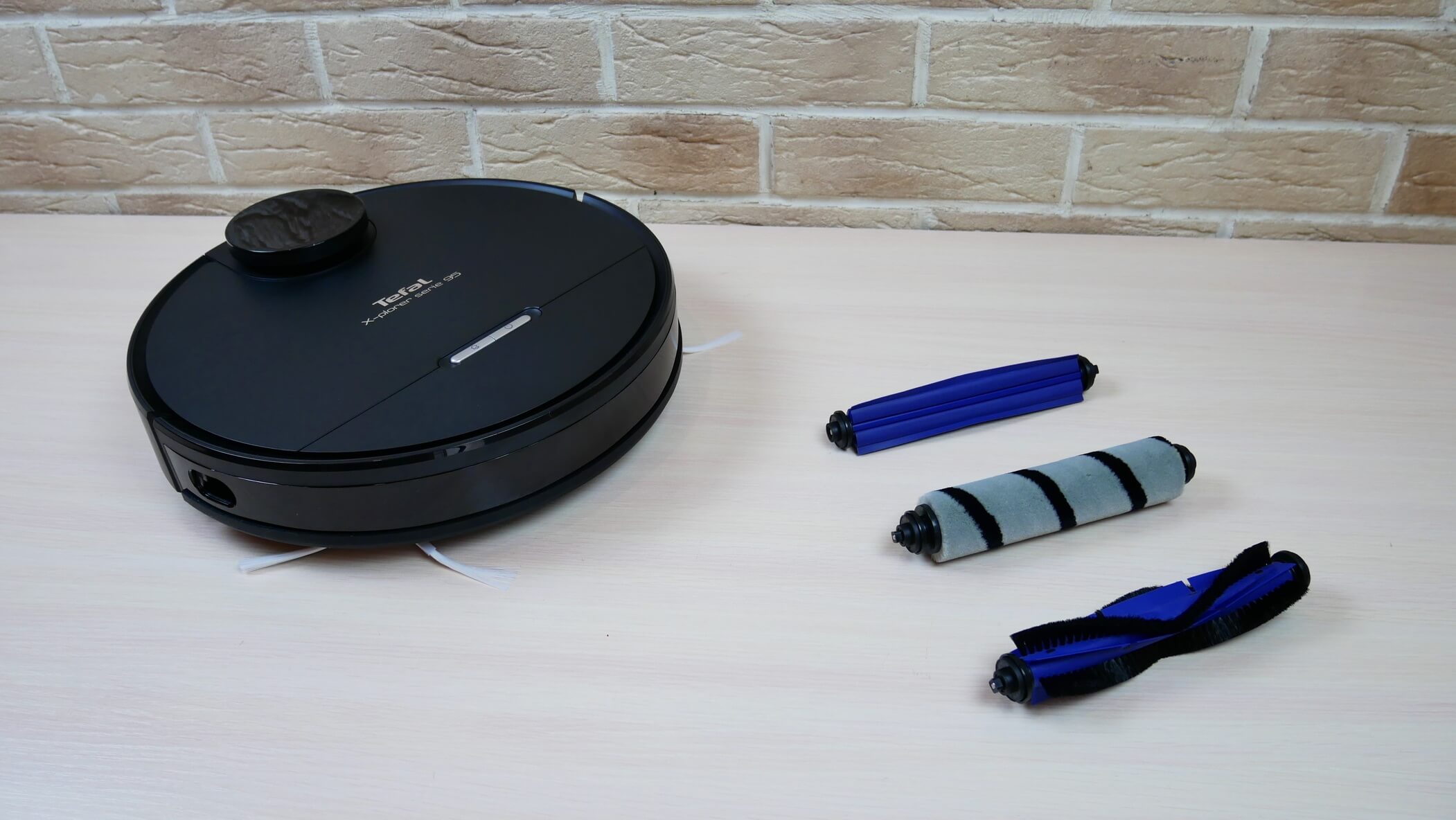
Tefal X-plorer Series 95 and brush set
Overall, the flagship 95th model definitely wins in terms of design, although all three robots have many similarities.
Technical specifications
In the table, I compared the main characteristics of the Tefal X-plorer Serie 75, 80 and 95, as stated by the manufacturer:
| X-plorer Series 75 | X-plorer Series 80 | X-plorer Series 95 | |
| Battery capacity | — | Li-Ion, 2200 mAh | Li-Ion, 3200 mAh |
| Opening hours | Up to 150 min | Up to 120 min | Up to 225 min |
| Suction power | —
(up to 4 mm) |
—
(up to 2 mm) |
Up to 12000 Pa
(up to 10 mm) |
| Cleaning area | >100 sq.m. | >100 sq.m. | >100 sq.m. |
| Dust collector capacity | 400 ml | 700 ml | 500 ml |
| Water tank capacity | 90 ml | 110 ml | 220 ml |
| Obstacle clearance | Up to 15 mm | Up to 15 mm | Up to 20 mm |
| Dimensions | 350x102 mm | 340x97 mm | 350x100 mm |
| Noise level | 59-68.4 dB | 64-67.1 dB | 61.5-82 dB |
The suction power in parentheses is the actual value from tests. This shows the depth of crevices each robot can vacuum.
I've also included the noise levels based on my own noise meter measurements when testing each robot. We see that the more powerful the robot, the higher the noise level.
Overall, Tefal X-plorer Serie 95 The highest power and battery life. Additionally, the robot has a larger water tank and better maneuverability. Tefal X-plorer Serie 80 boasts the largest dust collector and a slightly lower body height. Tefal X-plorer Serie 75 The specifications are balanced. It has slightly higher suction power and a longer runtime compared to the 80 model. However, the container capacity is smaller and the noise level is higher.
In any case, the flagship, again, wins in most respects.
Functional capabilities
Now let's compare the robots' functionality. Again, I've included all the functions in a table for easy reference:
| X-plorer Series 75 | X-plorer Series 80 | X-plorer Series 95 | |
| Control | Application | Application | Application |
| Navigation | Rotating lidar | Fixed lidar | Rotating lidar |
| Building a map of the premises | Yes, in real time | Yes, in real time | Yes, in real time |
| Saving a map to memory | Yes | Yes | Yes |
| Zoning the premises into rooms | Yes | Yes | Yes |
| Support of restricted areas | Yes | Yes | Yes |
| Support for no-go zones for wet cleaning mode | No | No | Yes |
| Power control | Yes | Yes | Yes |
| Adjusting the water supply | No | No | Yes, electronic |
| Automatic power increase on carpets | Yes | No | Yes |
| Advanced wet cleaning (Y-mode) | No | No | Yes |
| User mode | Yes (power adjustment only) | No | Yes (power and water supply level adjustment) |
| Manual control | Yes | No | Yes |
| Yandex.Alice Support | Yes | Yes | Yes |
Again, we see that the flagship 95th model wins in terms of functionality, which is not surprising. The 75th model has, in my opinion, some important advantages over the 80th model. These include a user mode that allows you to adjust the suction power individually for each room, as well as automatic power boost when approaching carpets and manual control. In terms of navigation and mapping, the robot vacuums are essentially on par. However, it's worth noting that the dynamic rotating lidar produces a more accurate map than the static version.
Quality of cleaning
It's equally important to compare the cleaning performance of robotic vacuum cleaners. I recommend watching the comparison video to see the results of all the tests clearly:
When it comes to dry cleaning on laminate floors, all three robots performed well. They vacuum efficiently and are capable of picking up various types of debris, including pet hair and fur. Only a small amount of debris remains in corners, but it's worth noting that the updated 75 and 95 models perform slightly better in these areas.
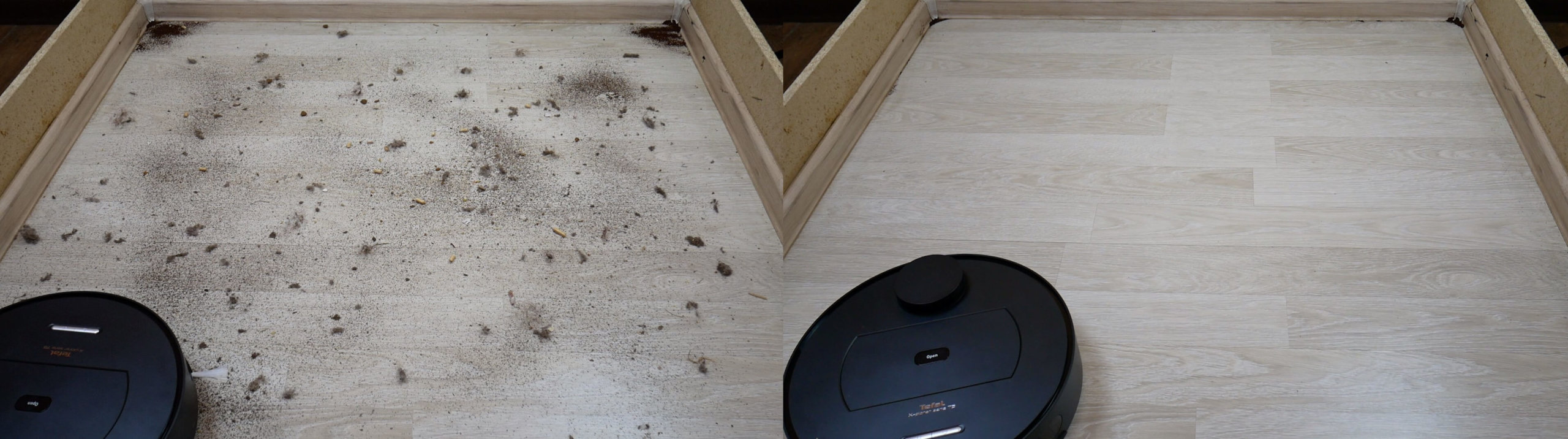
X-Plorer Series 75 Waste Collection
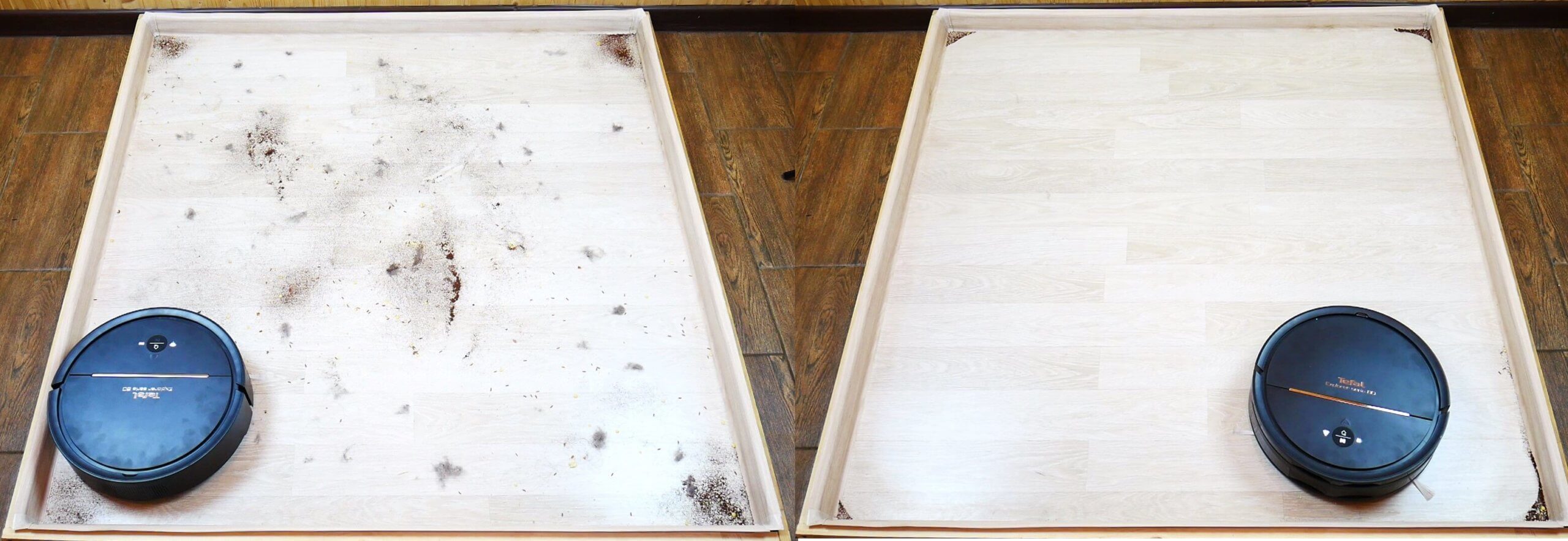
X-Plorer Series 80 Waste Collection
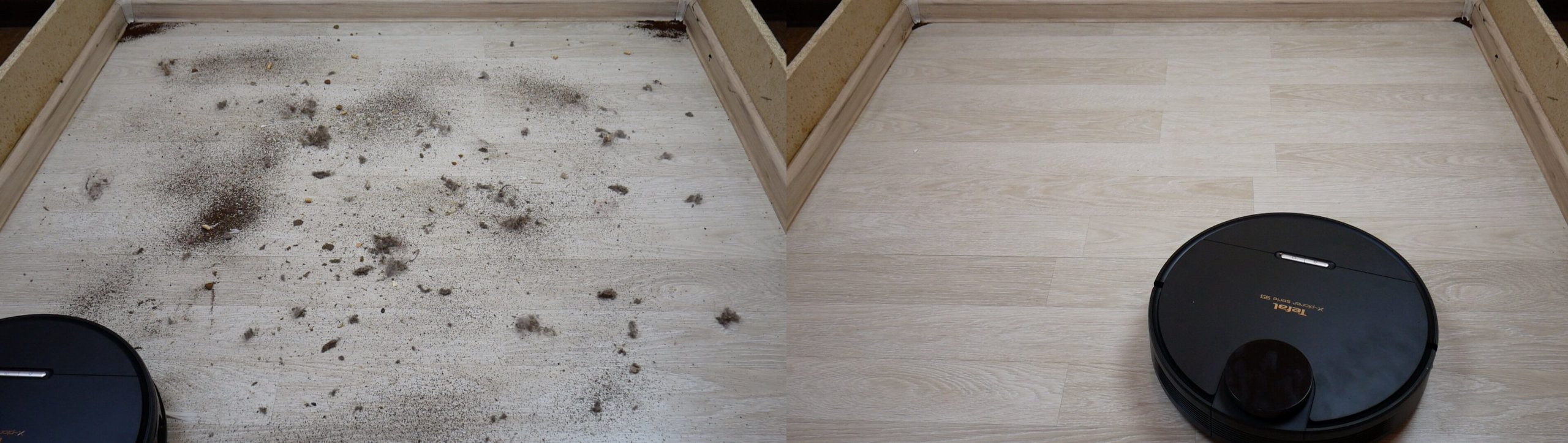
X-Plorer Series 95 Waste Collection
The quality of waste collection on carpets is also at a high level, I have no complaints.
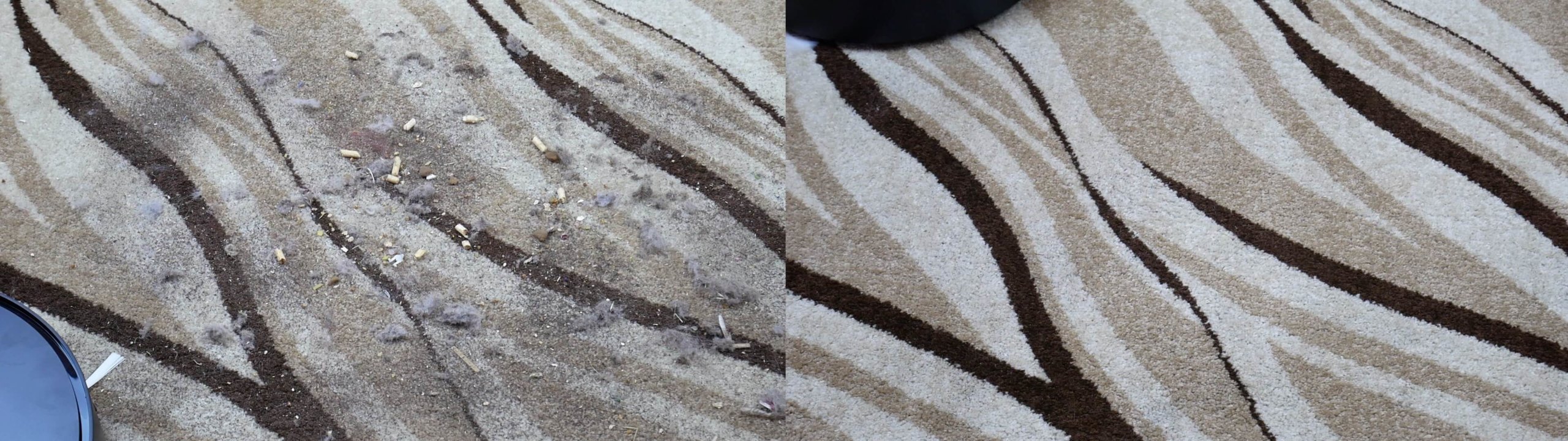
X-Plorer 75 Carpet Cleaning
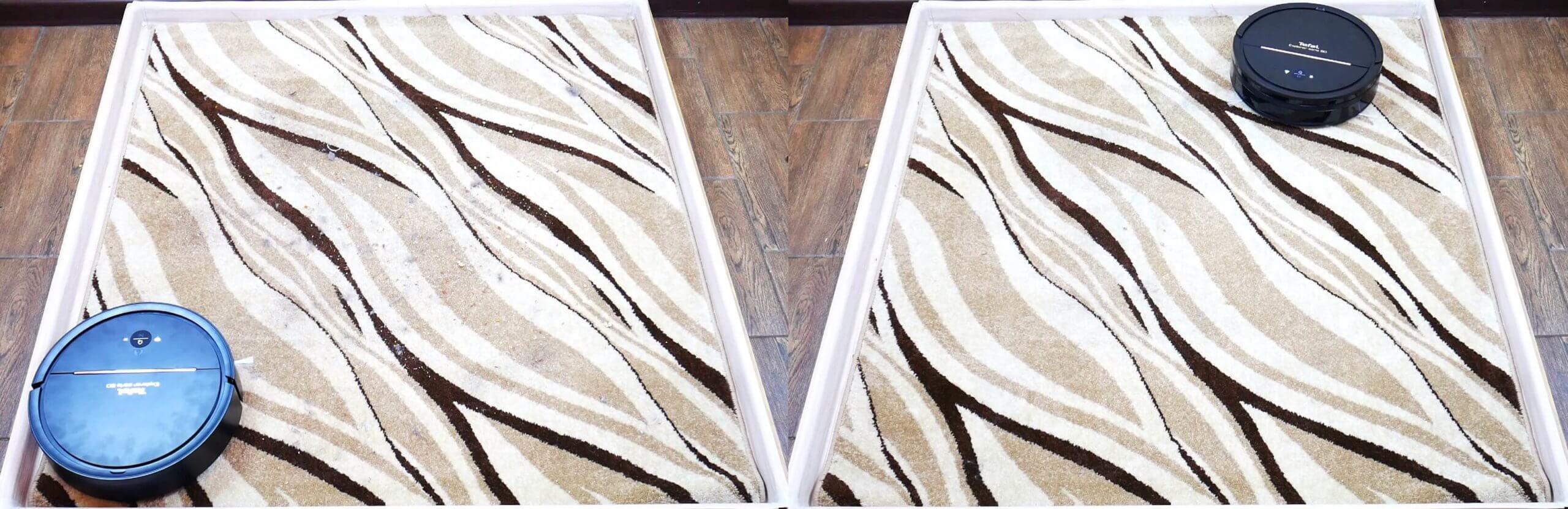
X-Plorer 80 Carpet Cleaning
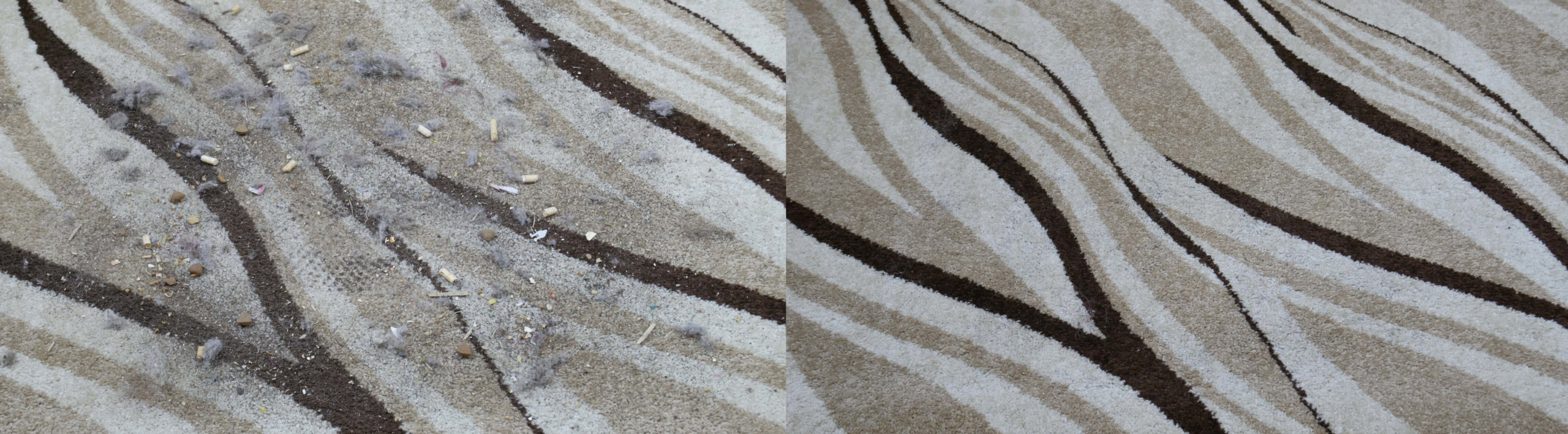
X-Plorer 95 Carpet Cleaning
In terms of suction power, as mentioned earlier, the Tefal X-plorer Series 95 wins. It can vacuum up to 10 mm of space. The 75 model can vacuum up to 4 mm deep, while the 80 model has standard suction power and can only vacuum up to 2 mm of space.
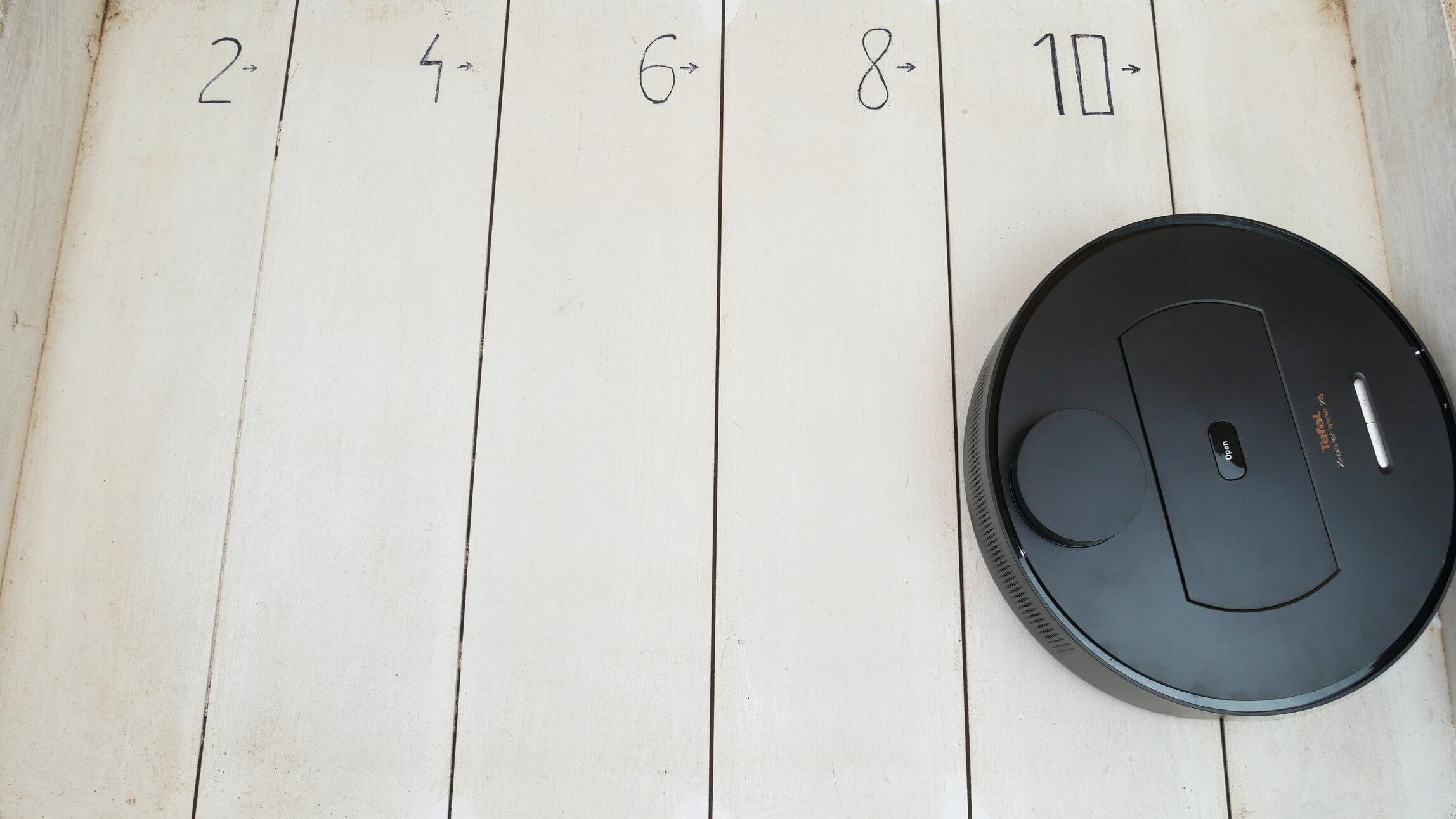
Suction power 75th model
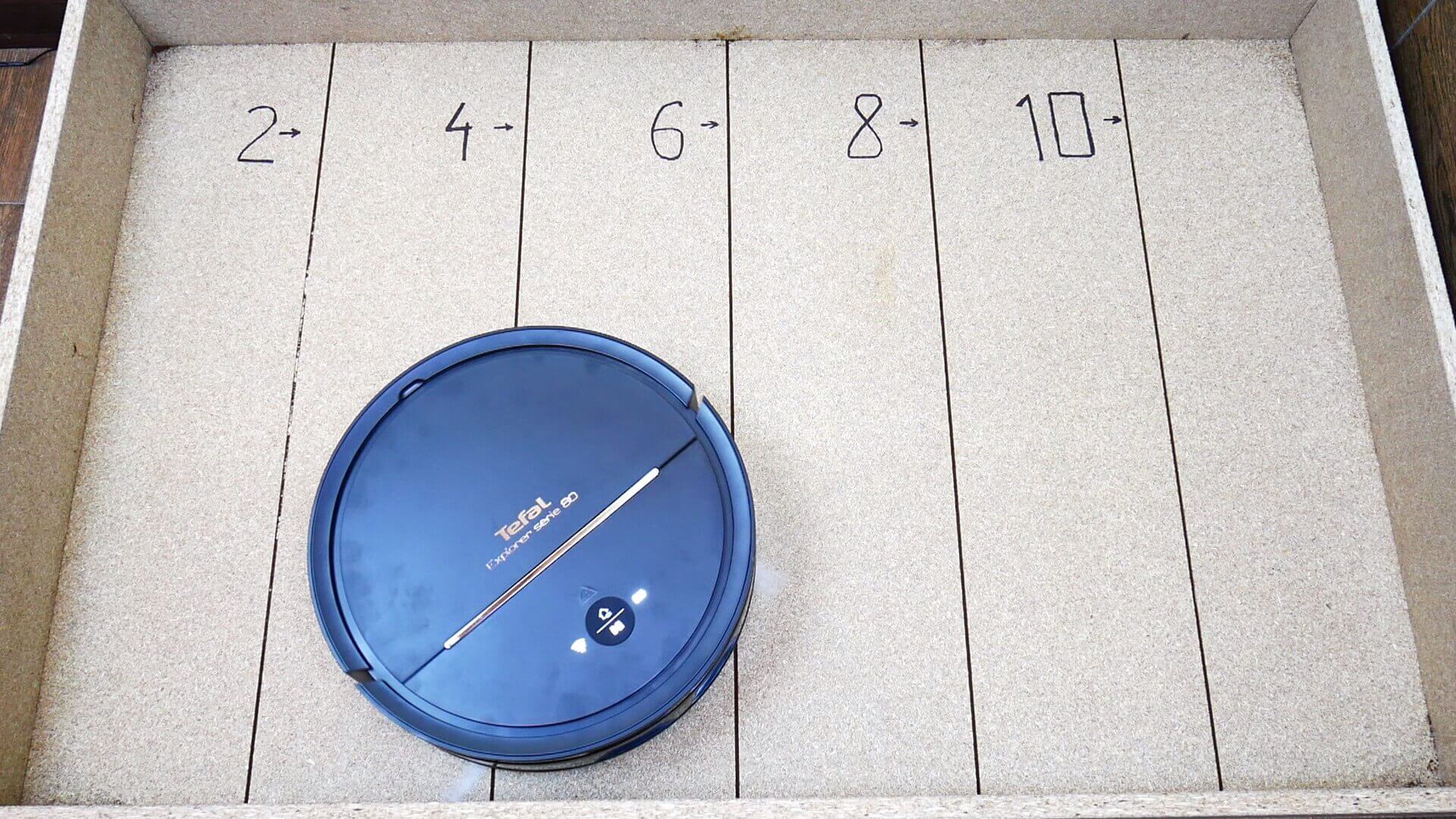
Suction power 80 model
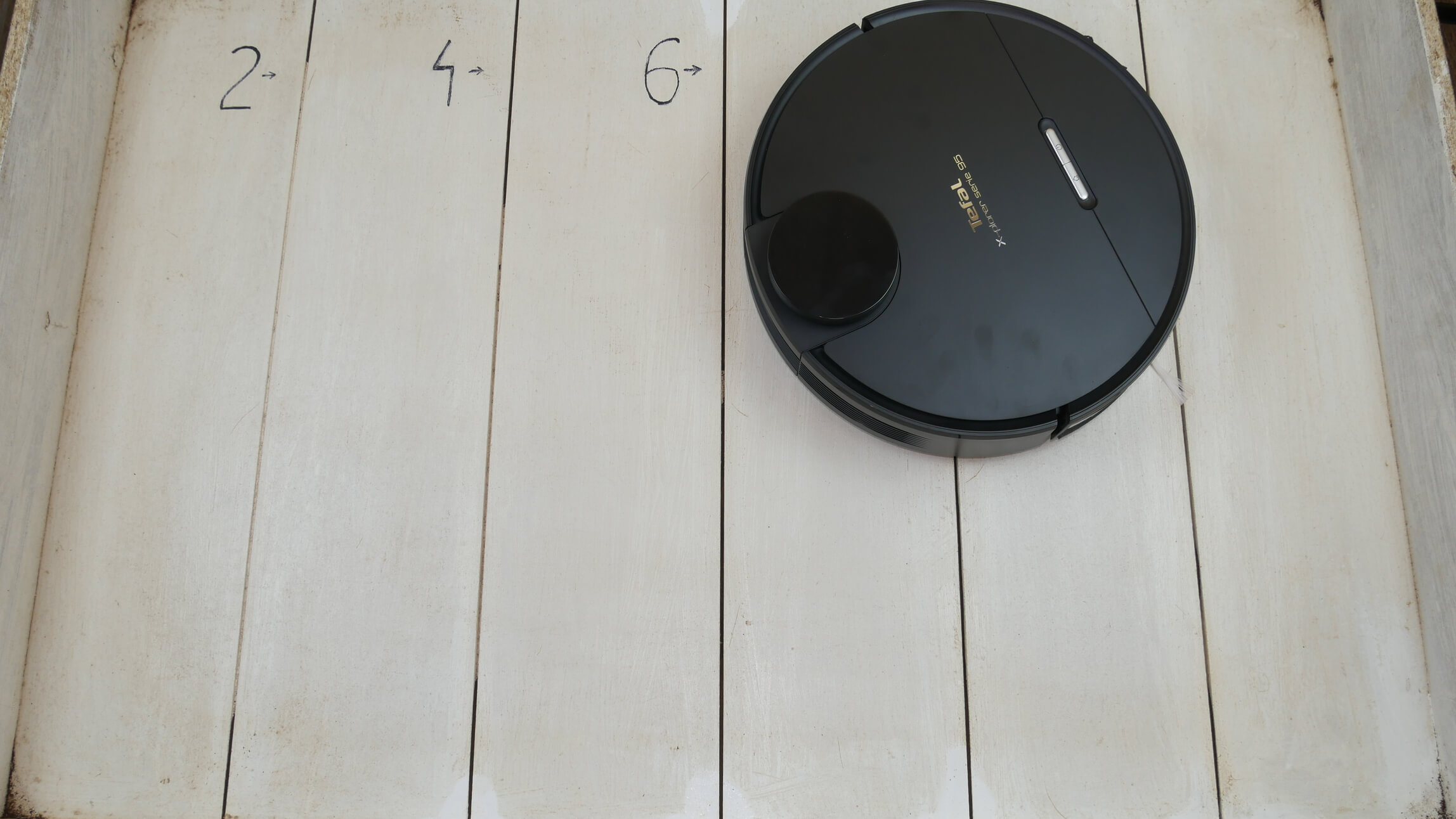
Suction power 95th model
When it comes to wet cleaning, the flagship 95 model is by far the best performer. The Tefal X-plorer Series 95 not only presses the cloth firmly to the floor but also thoroughly wets the surface at maximum water flow, while also incorporating a Y-shaped sweep pattern for enhanced dirt removal. Overall, wet cleaning performance is excellent. The Tefal X-plorer Series 75 delivers fairly standard results, but the 80 model's wet cleaning performance isn't as high. There were a few traces of dirt left on the stand that the robot didn't remove.
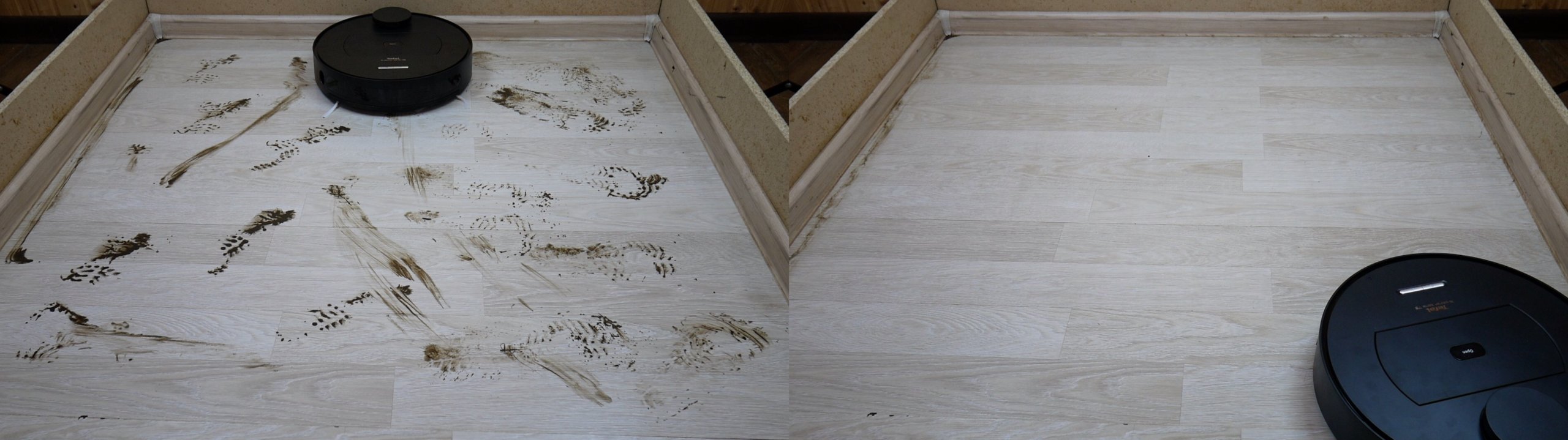
Wet cleaning model 75
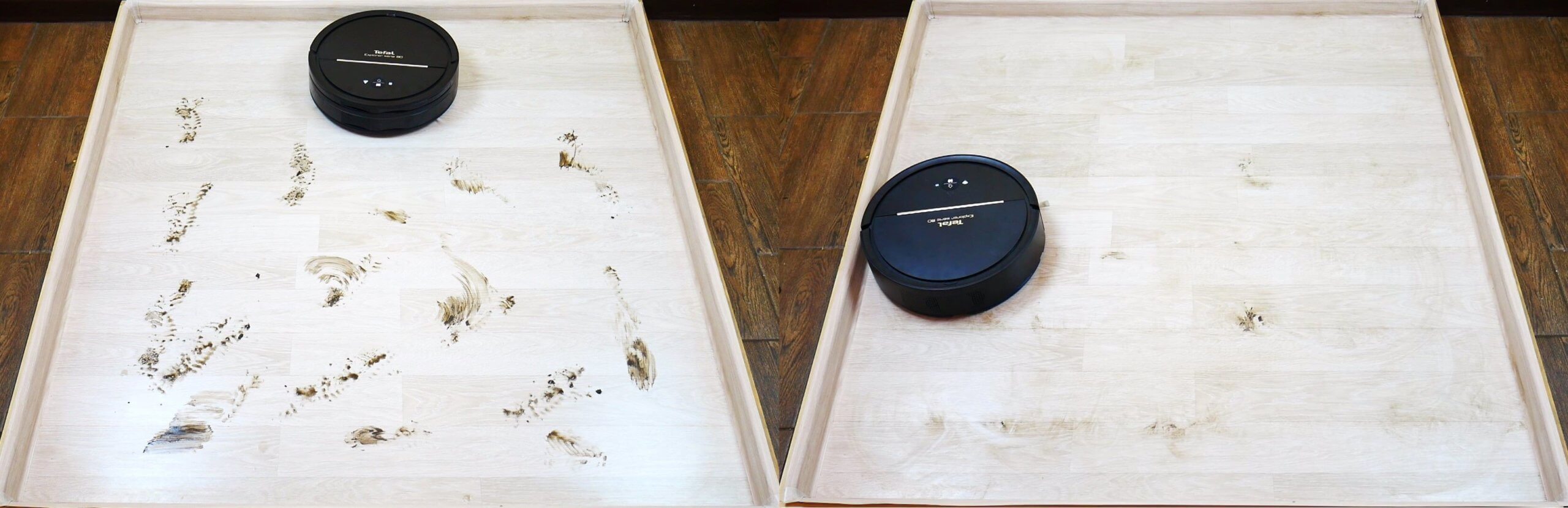
Wet cleaning model 80
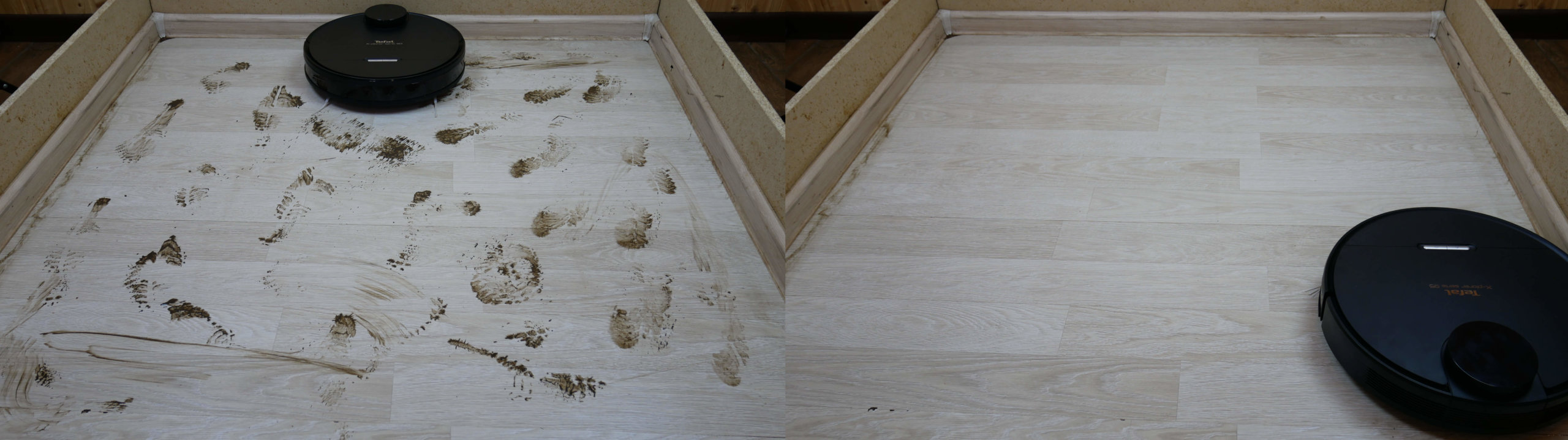
Wet cleaning model 95
In terms of cross-country ability, the Tefal X-plorer Series 95 wins once again. It can cross two-centimeter thresholds, while its predecessors can only overcome 15 mm ones.
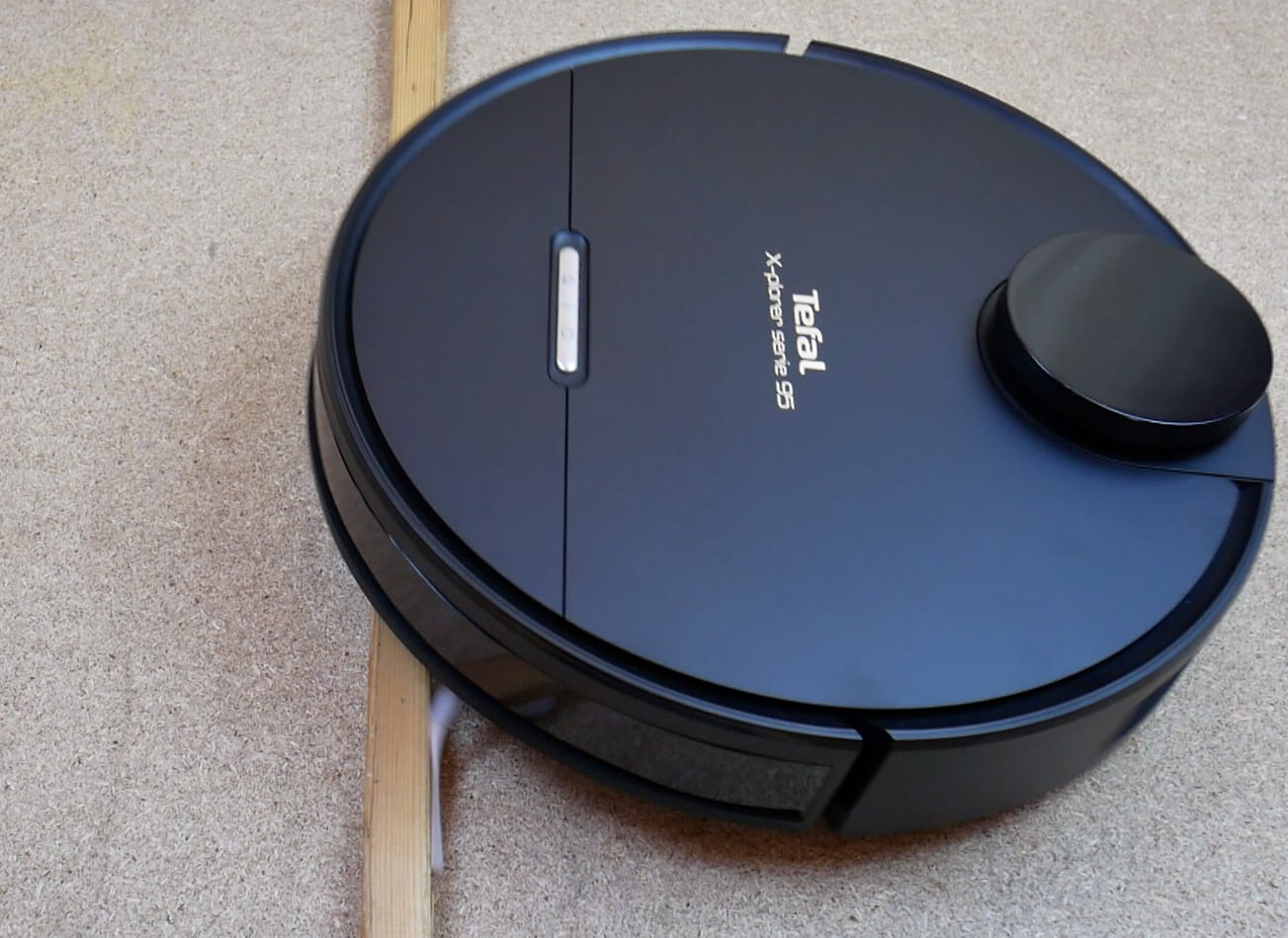
Obstacle clearance
And, without exception, all the compared robots are sensitive to dark flooring, recognizing it by its height differences. This is important to consider.
Comparison results
I've done a detailed comparison of the Tefal X-plorer 75, 80, and 95 series robot vacuum cleaners. You've seen the differences in design, specifications, functionality, and cleaning performance. The Tefal X-plorer 95 Series clearly wins in every respect and deserves to be considered the company's flagship. And at the very least, it's worth the extra money. I believe that if you're choosing a robot vacuum cleaner with a wet mopping function, this model should definitely be your top choice of the three.
When choosing between the Tefal X-plorer Series 75 and 80, it's important to understand that the 80 model benefits from more reliable navigation and a larger dust container. It's almost twice as large as the 75 model's. At the same time, the 75 model is slightly superior in terms of power and features.
In the end, if I were to award each robot a place on the podium, I would confidently give the palm to the Tefal X-plorer Serie 95, silver to the Tefal X-plorer Serie 75, and bronze to the Tefal X-plorer Serie 80. Even in overall ranking of robotic vacuum cleaners, which passed the test on robovac.washerhouse.com, the 95th model was able to score 80 out of 100 points, the 75th 69, and the 80th 55, which indirectly confirms my opinion.
In any case, all three robots are worth considering and are good options for cleaning large houses and apartments. Most importantly, they come with comprehensive manufacturer support. Moreover, Tefal states that spare parts for its robots will be produced for 10 years from the release of a specific model.
On that note, I'd like to conclude this comparison. Let me know in the comments which robot you'd choose. Happy shopping, everyone. Bye!