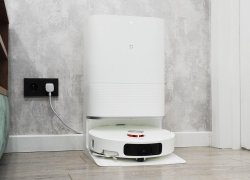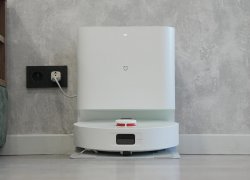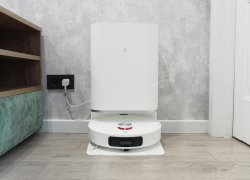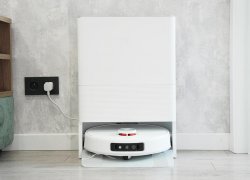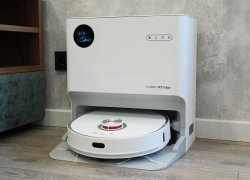
Xiaomi Robot Vacuum S10+: 4000 Pa, two wipes, object detection system
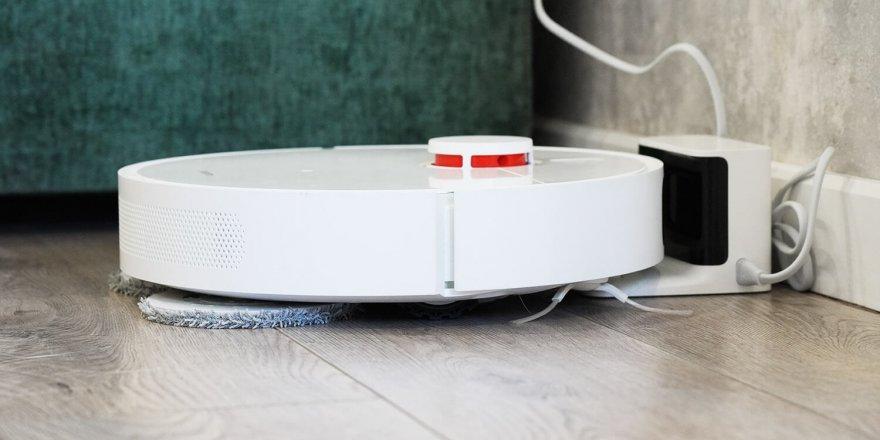
Hello to all project readers! In this video, I'll be reviewing the Xiaomi Robot Vacuum S10+ robot vacuum cleaner. Model number B105. Priced between $240 and $300, the device boasts lidar-based navigation, an object detection system, suction power reaching 4000 Pa, and two round rotating pads for wet cleaning. Plus, the robot is available in a global version, meaning it offers full localization, a warranty, and even control via Yandex.Alice. Next, I'll be thoroughly testing the Xiaomi S10+, highlighting its pros and cons based on my test results, and then offering my personal opinion. So, let's get started!
Equipment
The robot vacuum cleaner arrived in a branded box like this:
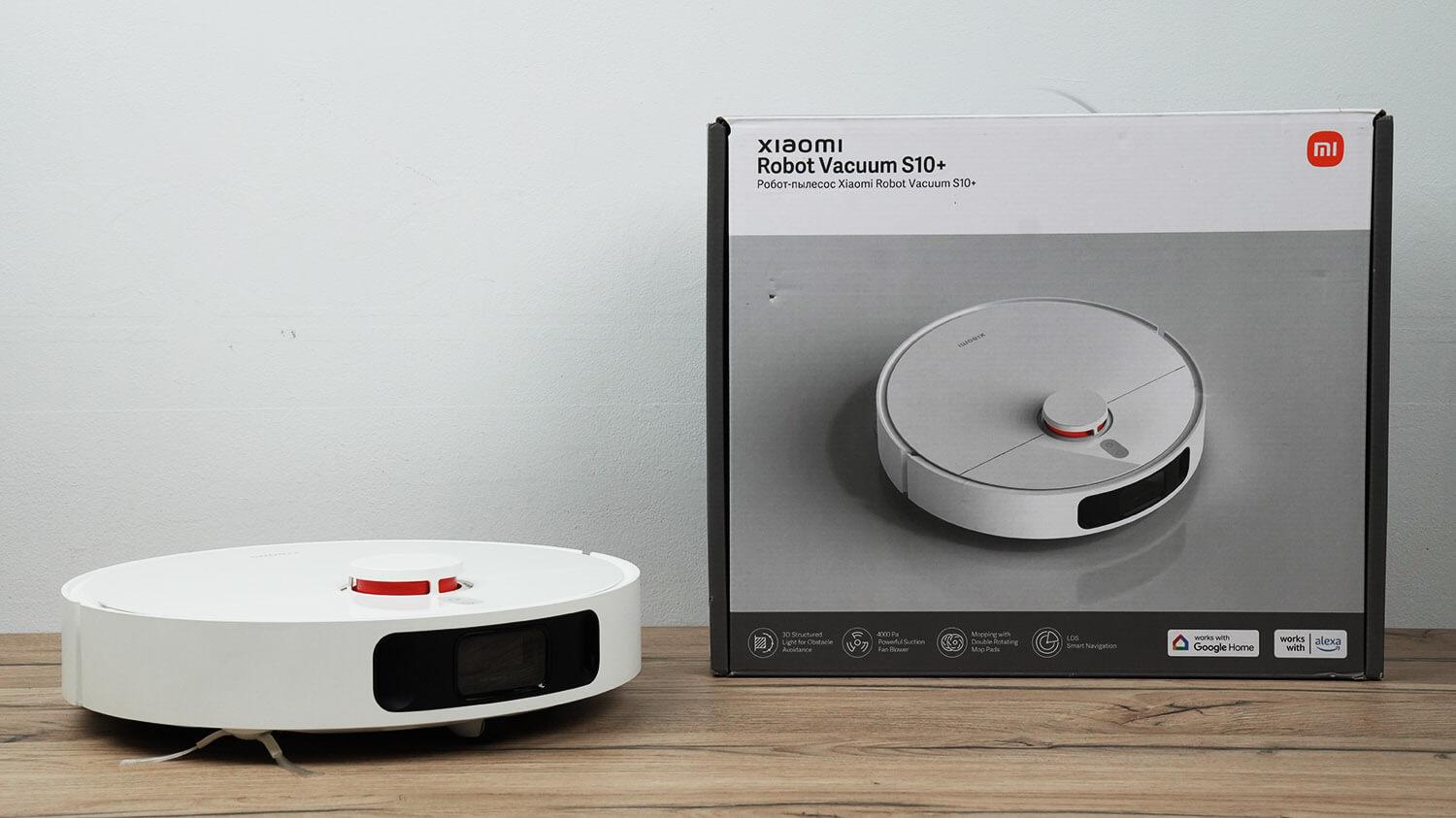
Robot and box
The standard package includes the robot itself, two holders with wipes, a charging base, a power adapter, a cleaning tool for the robot, and an operating manual translated into Russian.
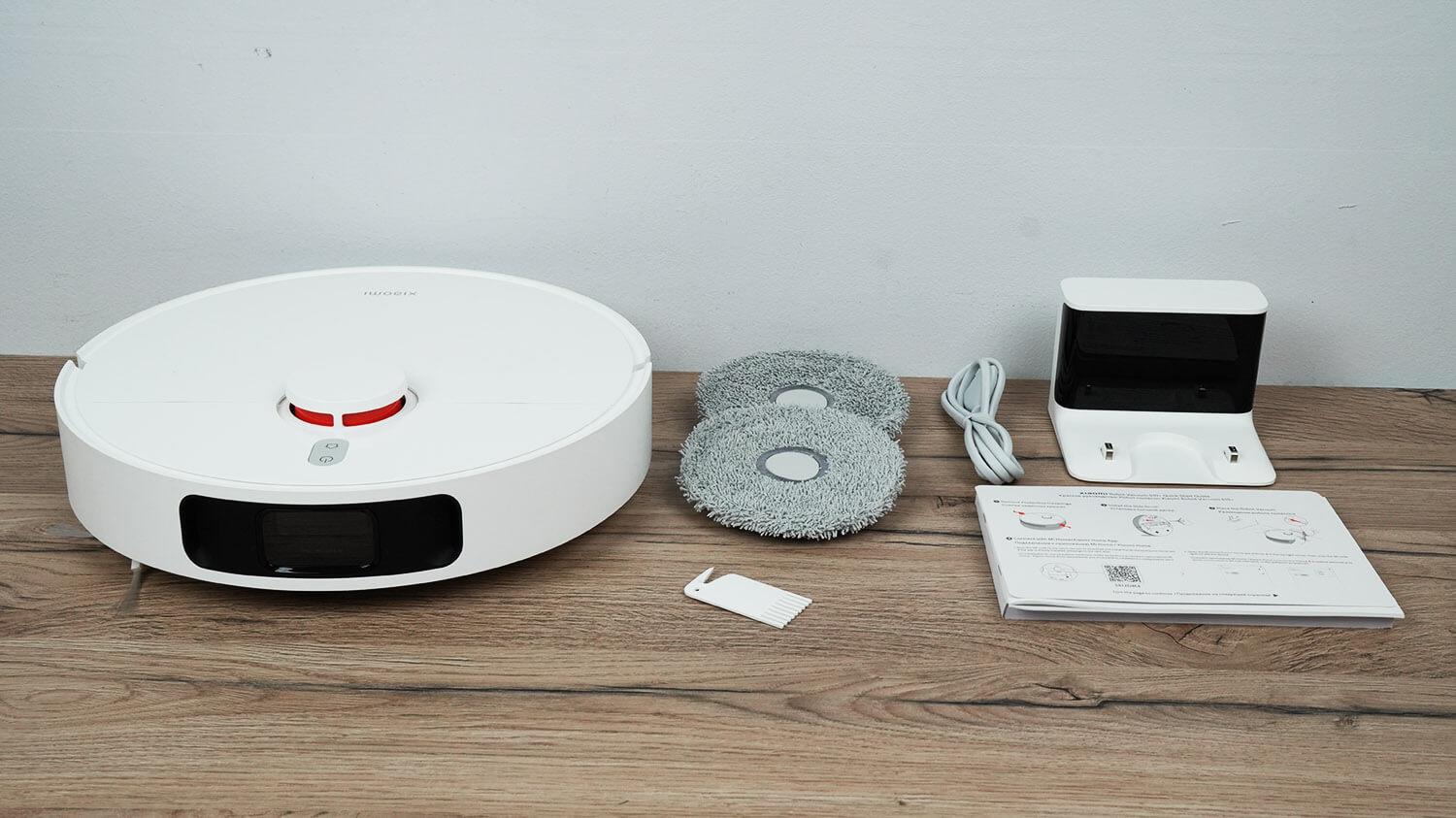
Equipment
Appearance
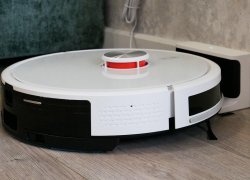
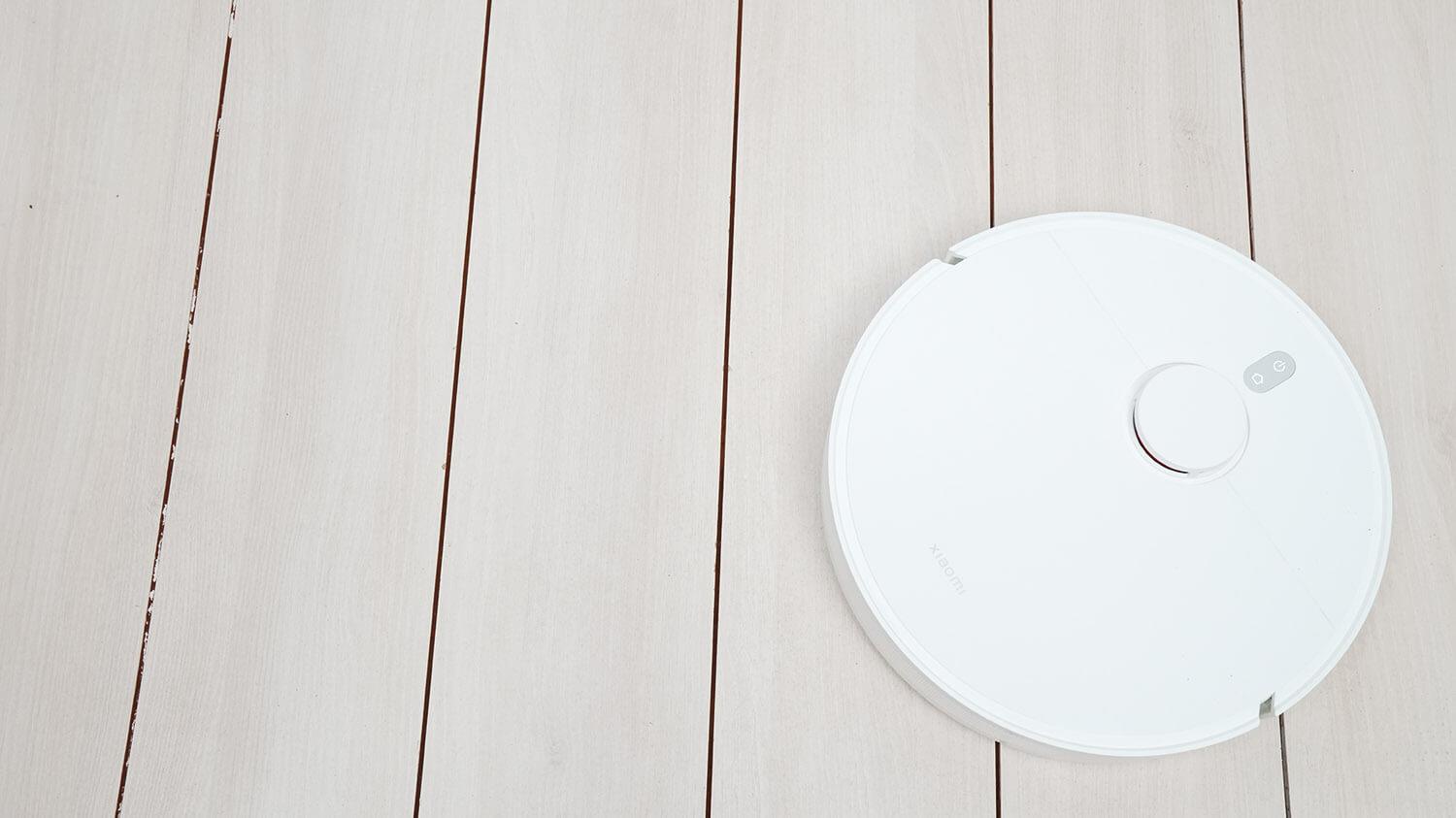
Now let's take a look at the design of the Xiaomi Robot Vacuum S10+. The robot vacuum cleaner comes in white, has a round body, and is 97 mm high.
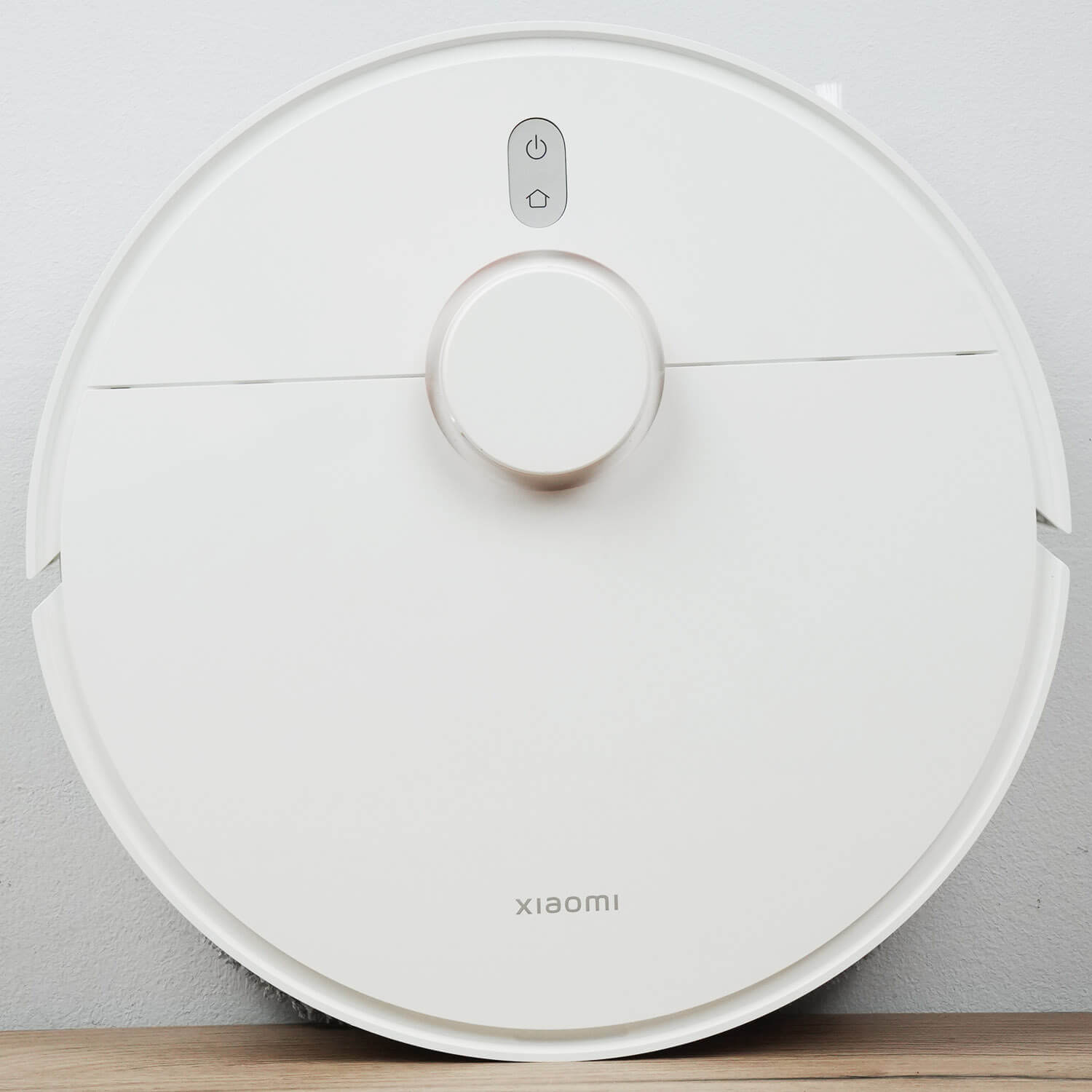
Top view
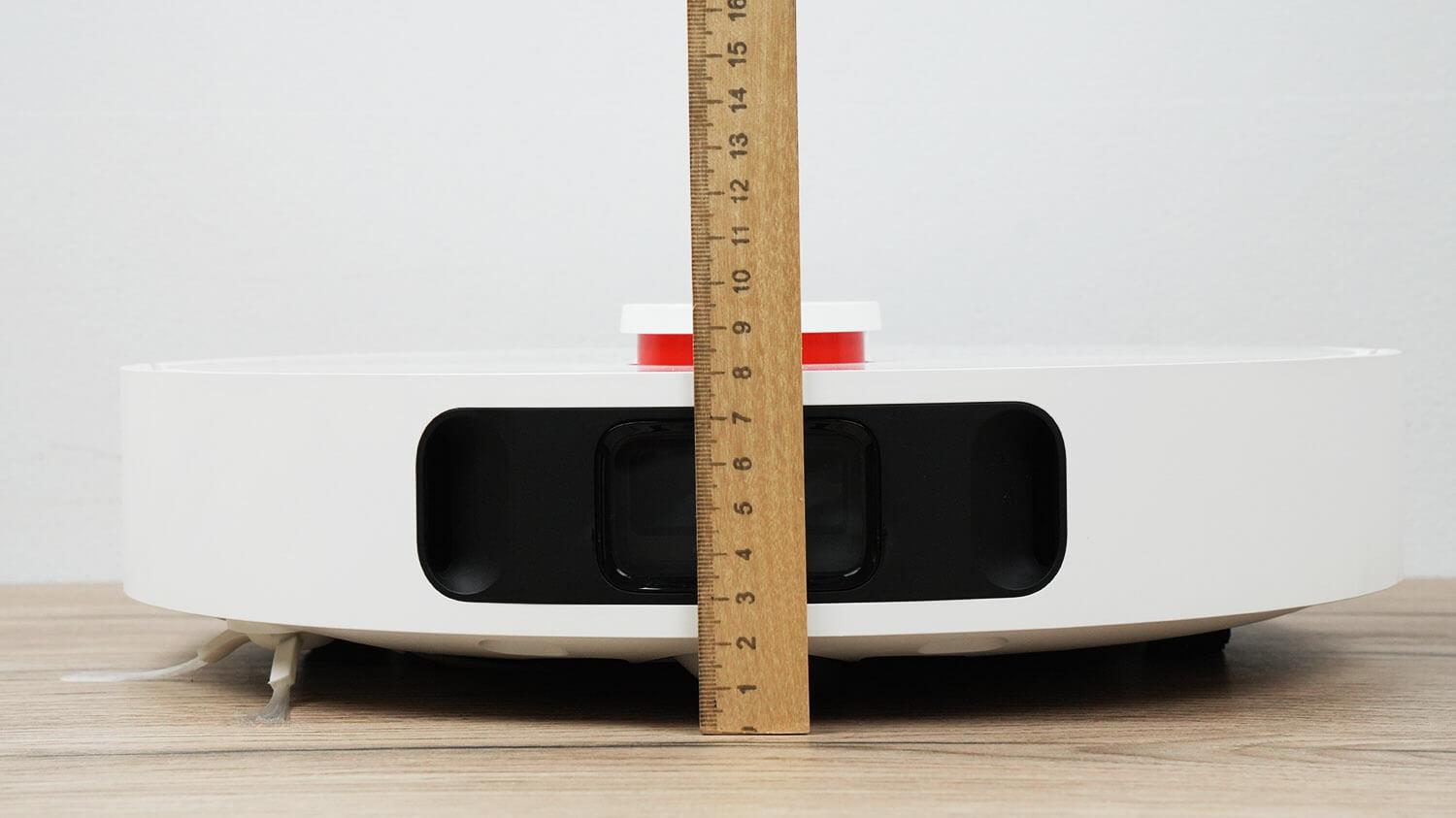
Body height
There's no wall sensor; a floor-based object detection system is located in the center. HIGH PRECISION 3D technology is specified, as is found in a very similar design. Dreame Bot L10s Pro and some other robots from the Dreame line.
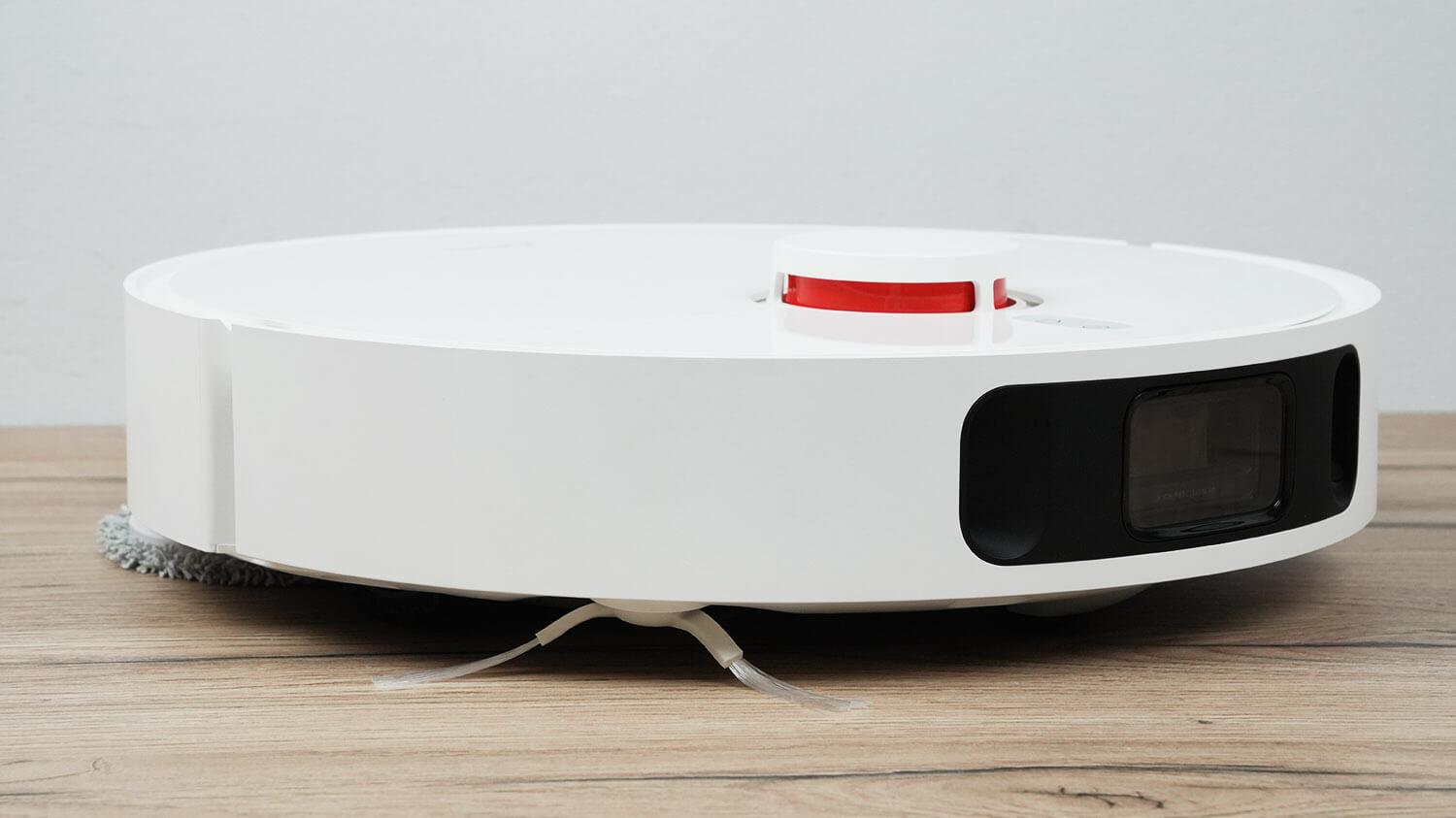
Side view
It's strange that the promotional materials don't mention anything about the item identification system.
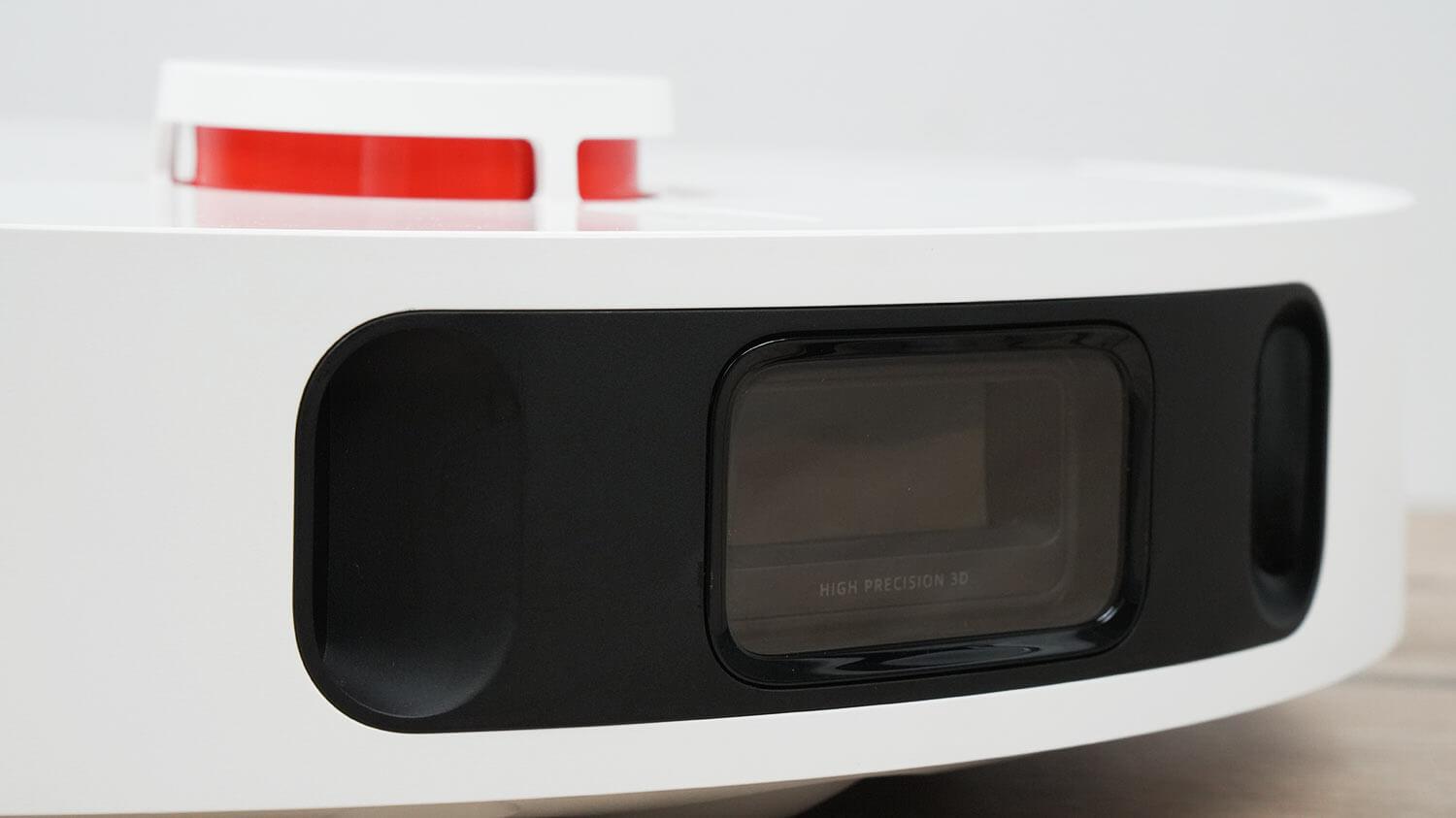
Object Identification System
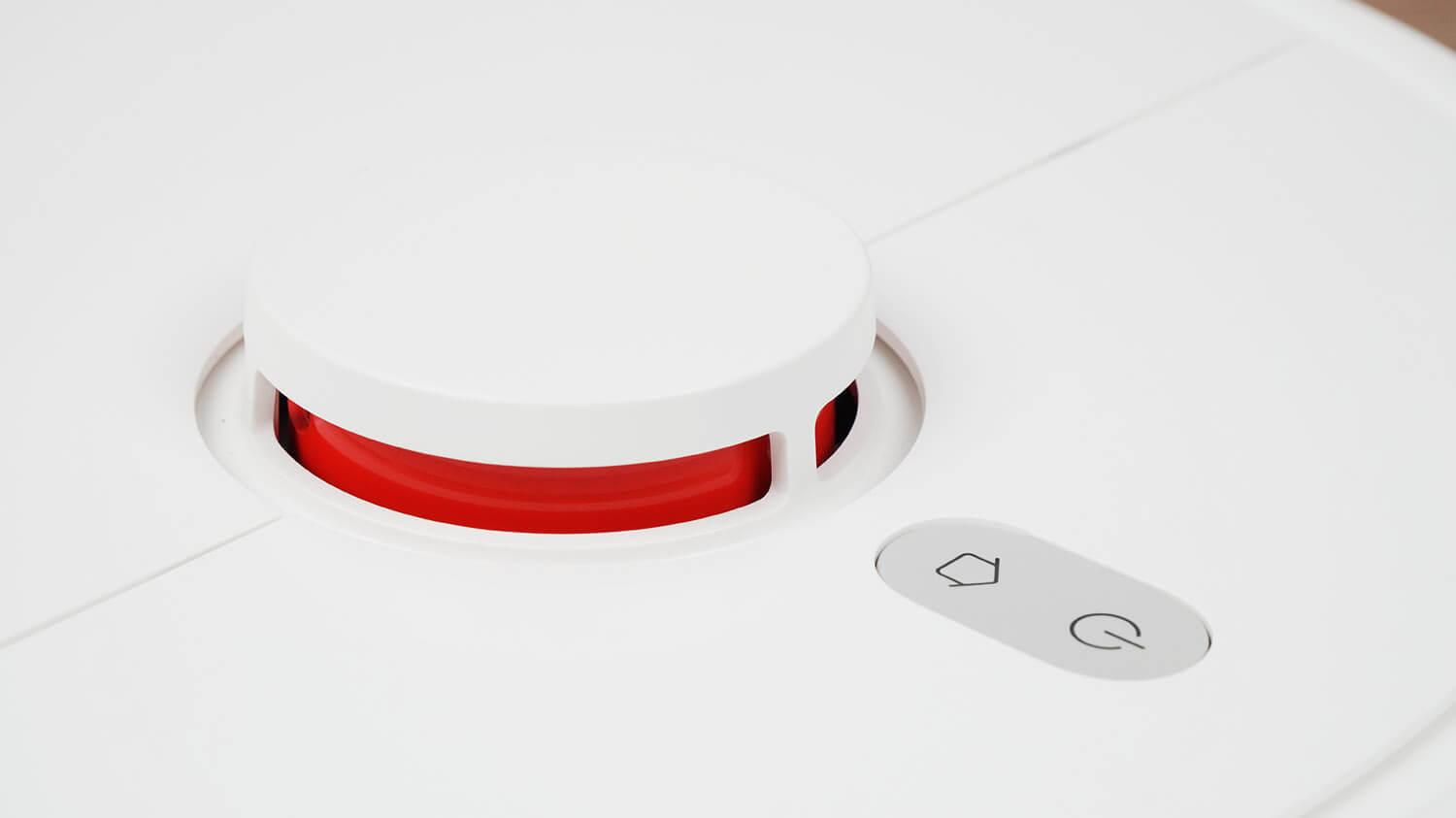
The main navigation device is the lidar. It is equipped with a spring-loaded cover to prevent it from getting stuck under furniture. Two mechanical control buttons are located next to the lidar.
Lidar and control buttons
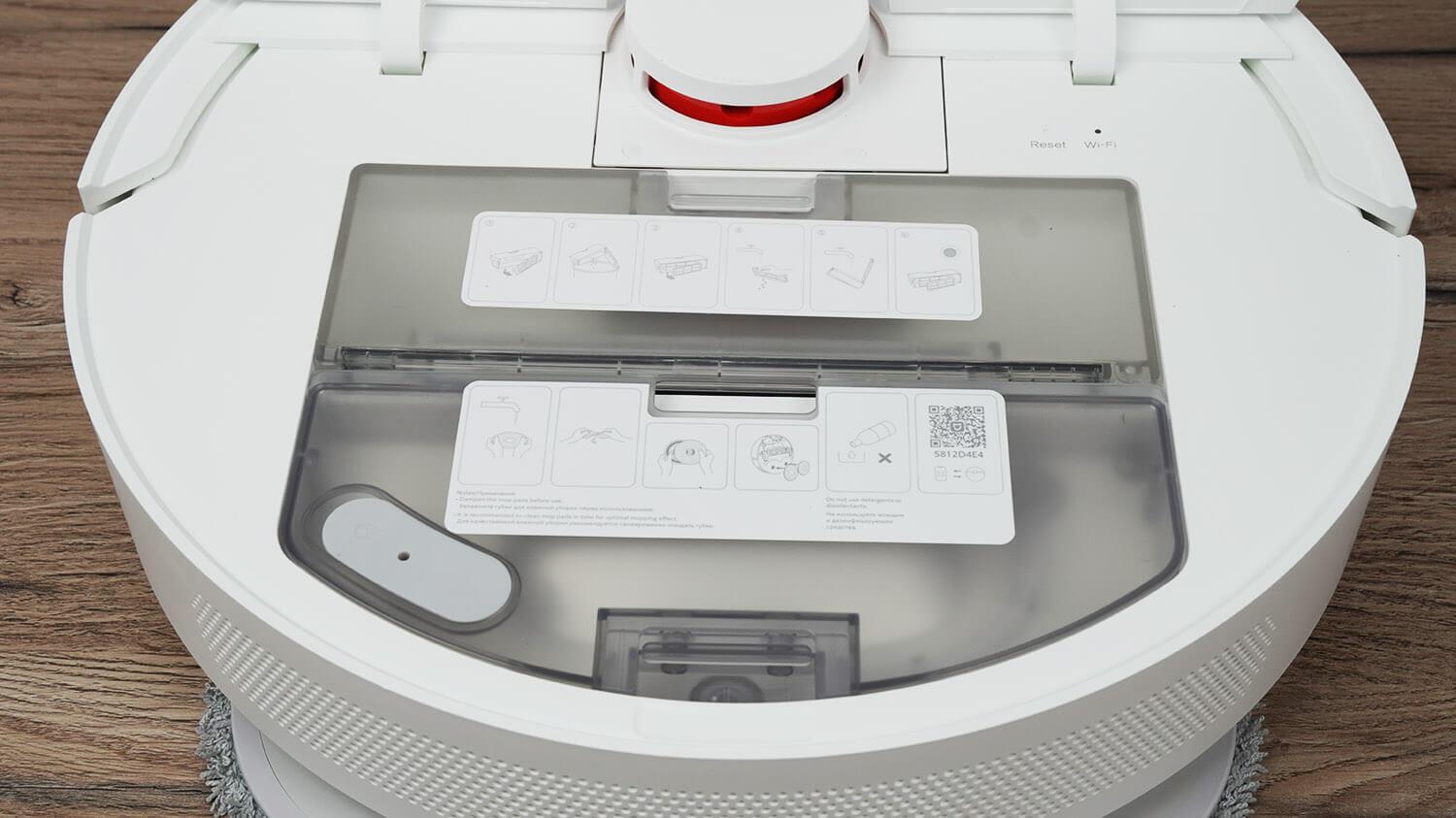
The dust container is located under the top cover. It states that the filtration system, including the HEPA filter, can be washed with water.
Placement of dust collector and water tank
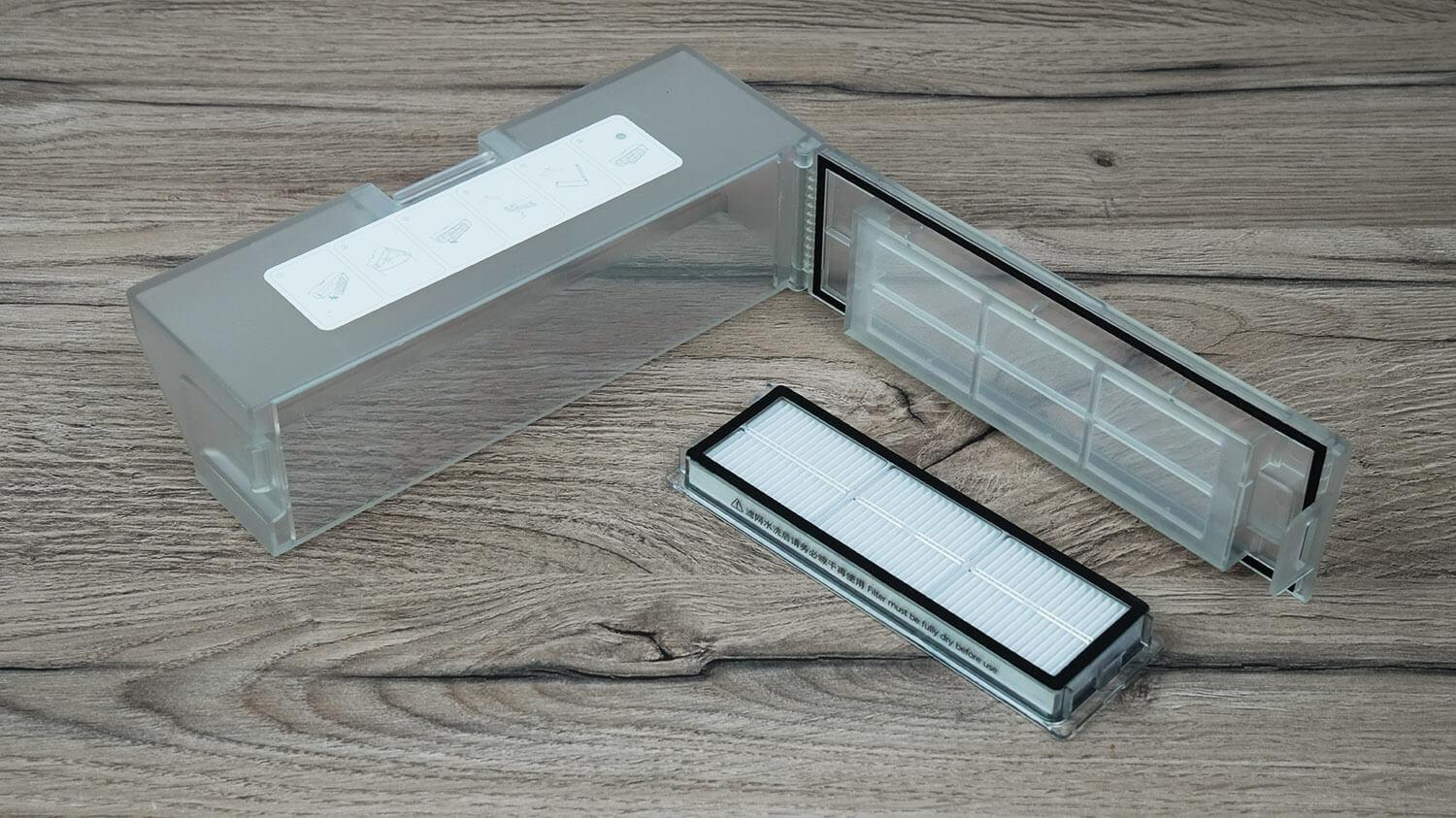
The container contains two filters: the HEPA filter itself and a mesh filter. The dust container capacity is 450 ml.
Filtration system
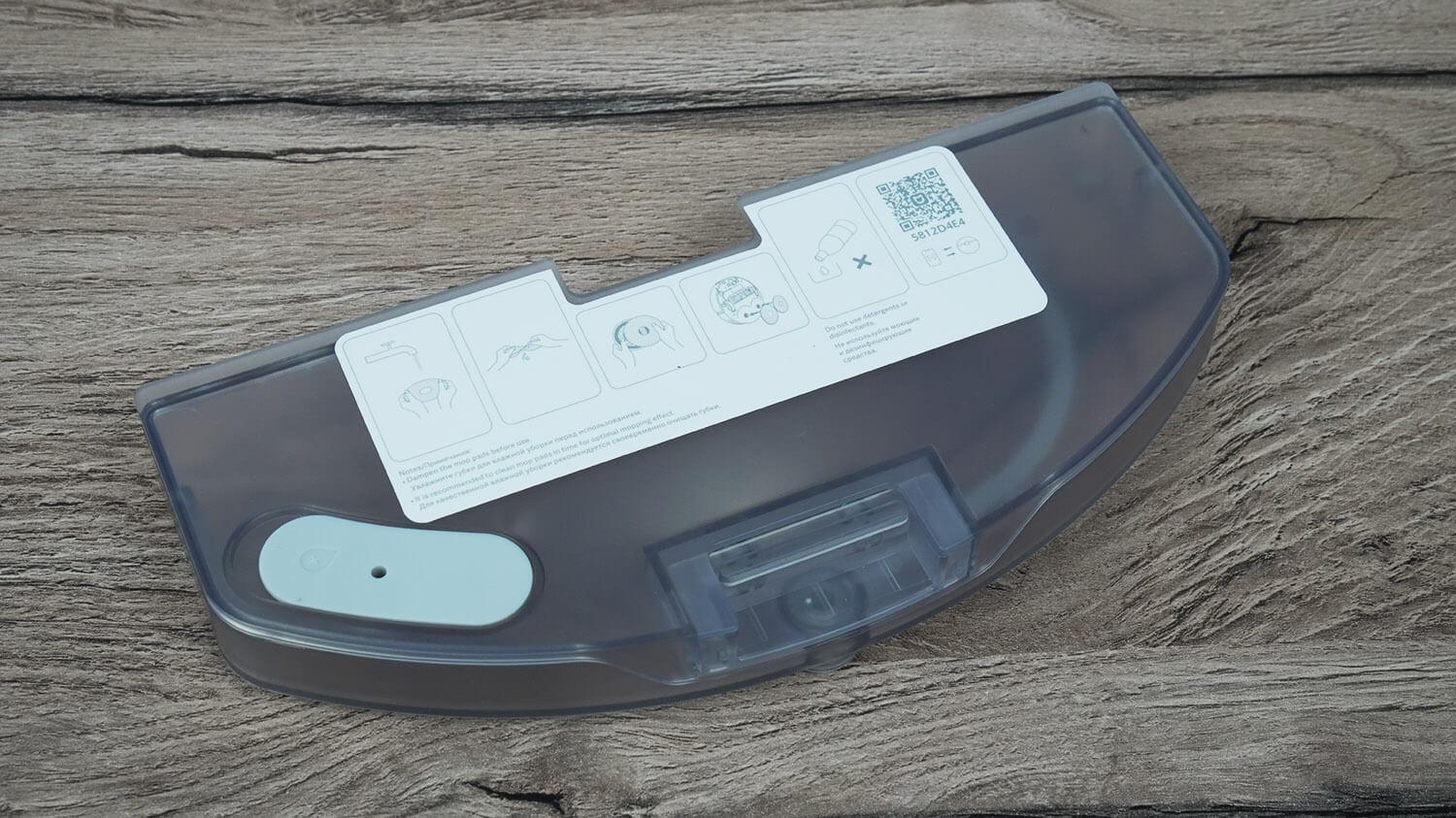
A 200 ml water tank is located next to the waste compartment. The water flow to the wipes is electronically controlled.
Water tank
The robot has four anti-fall sensors installed underneath. There is no carpet sensor. It has a single, three-beam, quick-release side brush.
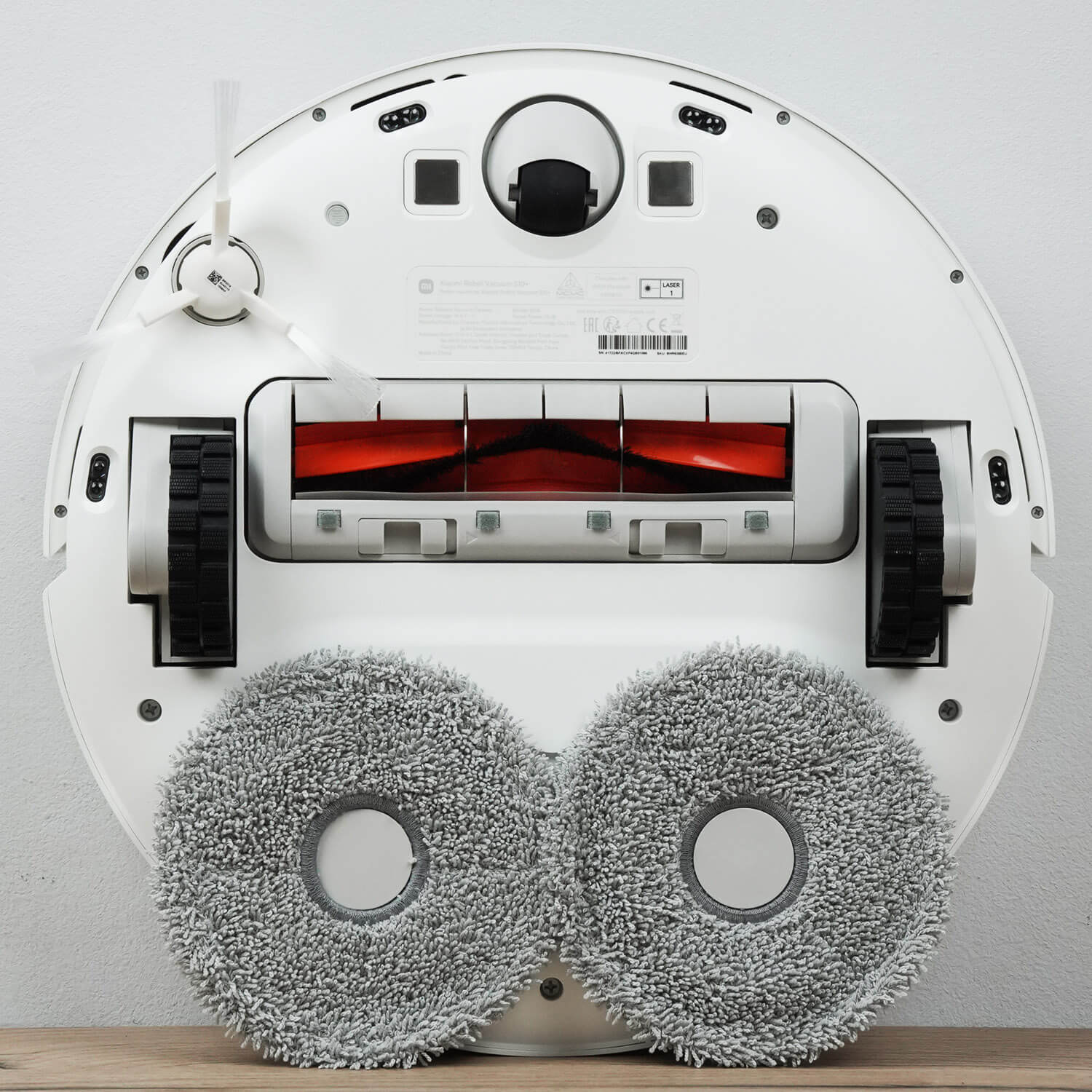
Bottom view
The central brush unit is floating, which is a plus. The turbo brush has bristles and petals. Both sides can be removed to remove tangled hair and pet hair.
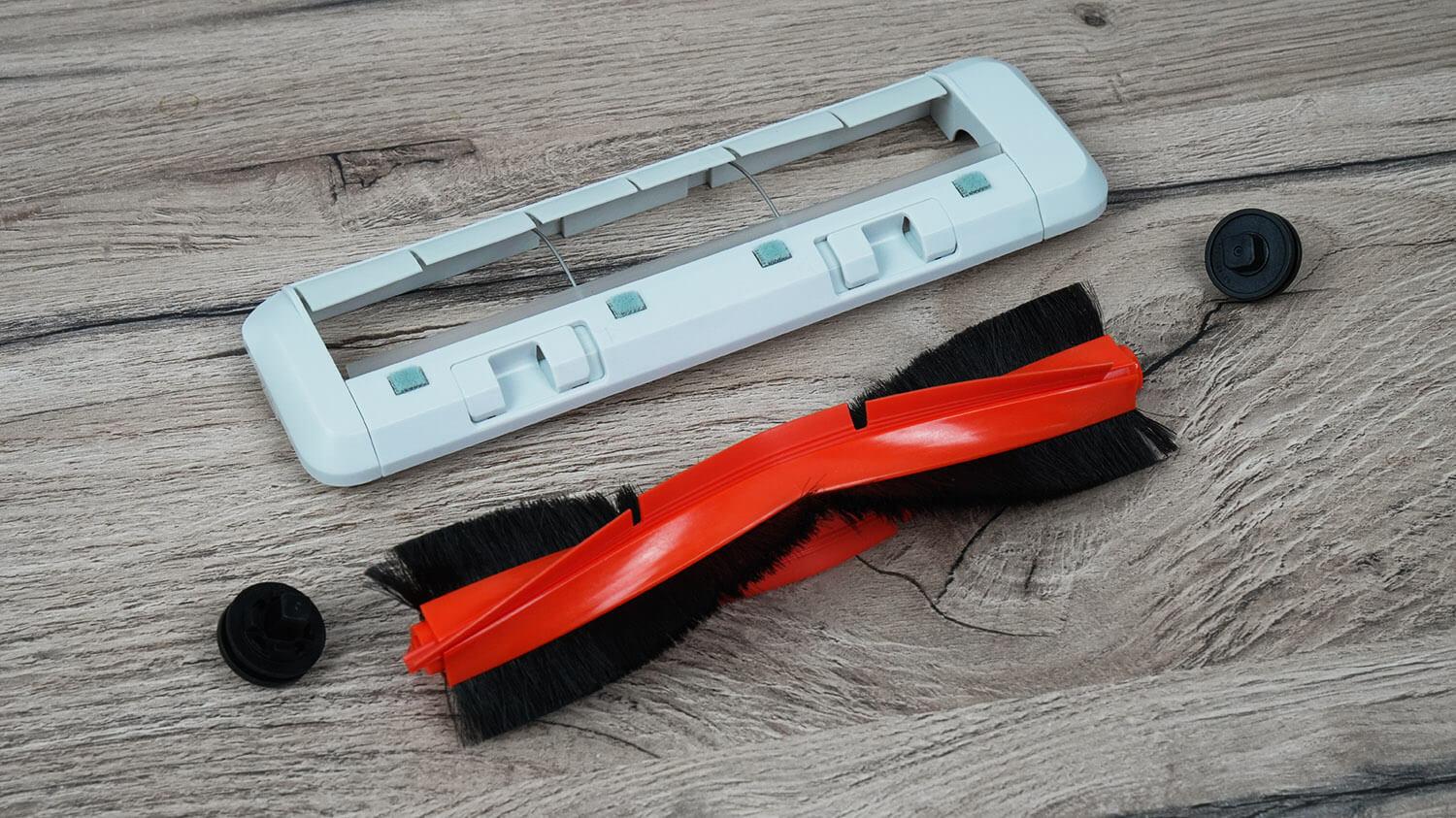
Central turbo brush
There are cloths installed behind the brush. They're quite thick. However, there are some issues: the cloth holders don't lift up on carpets, and there's no option to move one of the holders toward the baseboard, or at least no way to scroll the body against the walls. This feature is sorely missed.
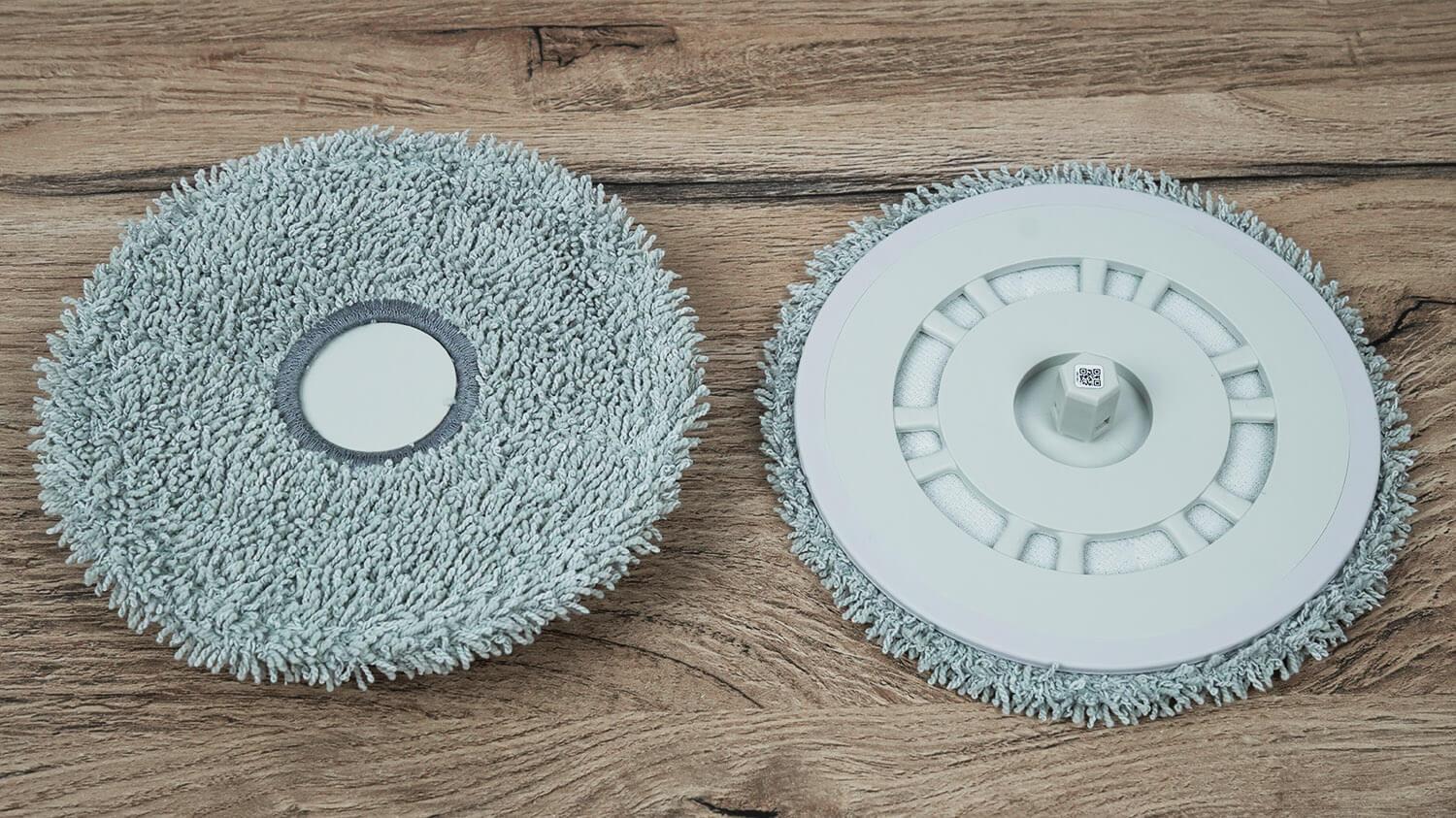
Napkins
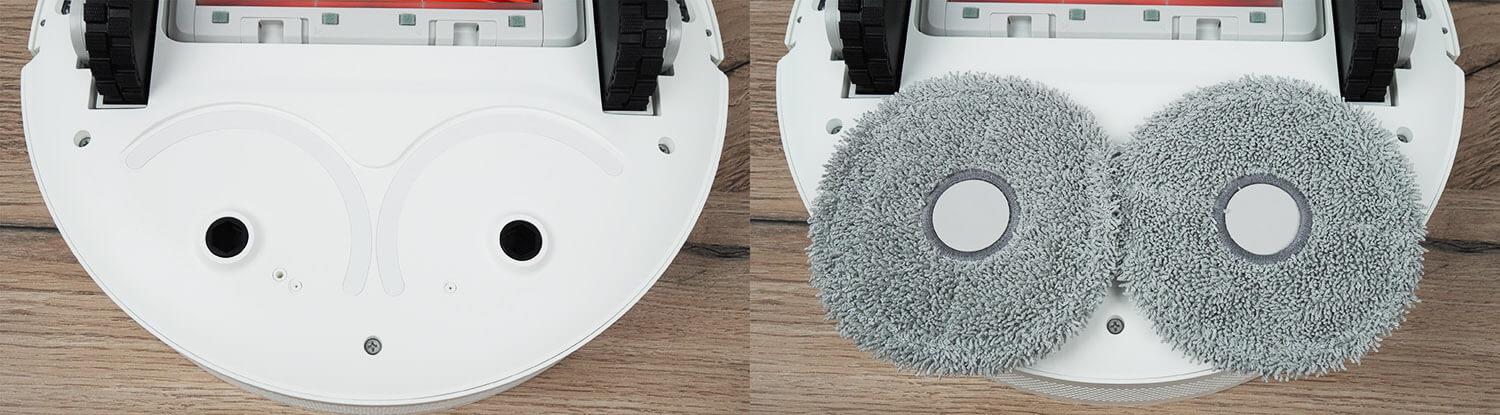
Installing napkins
The pros and cons of the robot's design will be discussed during the final review. Let's move on!
Technical specifications
The main characteristics of the Xiaomi Robot Vacuum S10+, as stated by the manufacturer, are displayed on the screen:
- Li-Ion battery 5200 mAh.
- Suction power 4000 Pa.
- Dust collector 450 ml.
- Water tank 200 ml.
- Obstacle clearance 2 cm.
- Robot dimensions: 350*97 mm.
Overall, the specifications are standard for this price segment and in the realities of 2025.
Functional capabilities
As for the robot vacuum cleaner's functions, it's controlled via the proprietary Mi Home mobile app. It's entirely in Russian, as are the voice commands. Everything is convenient and intuitive. Since the version is European, you can select the Russian region when connecting.
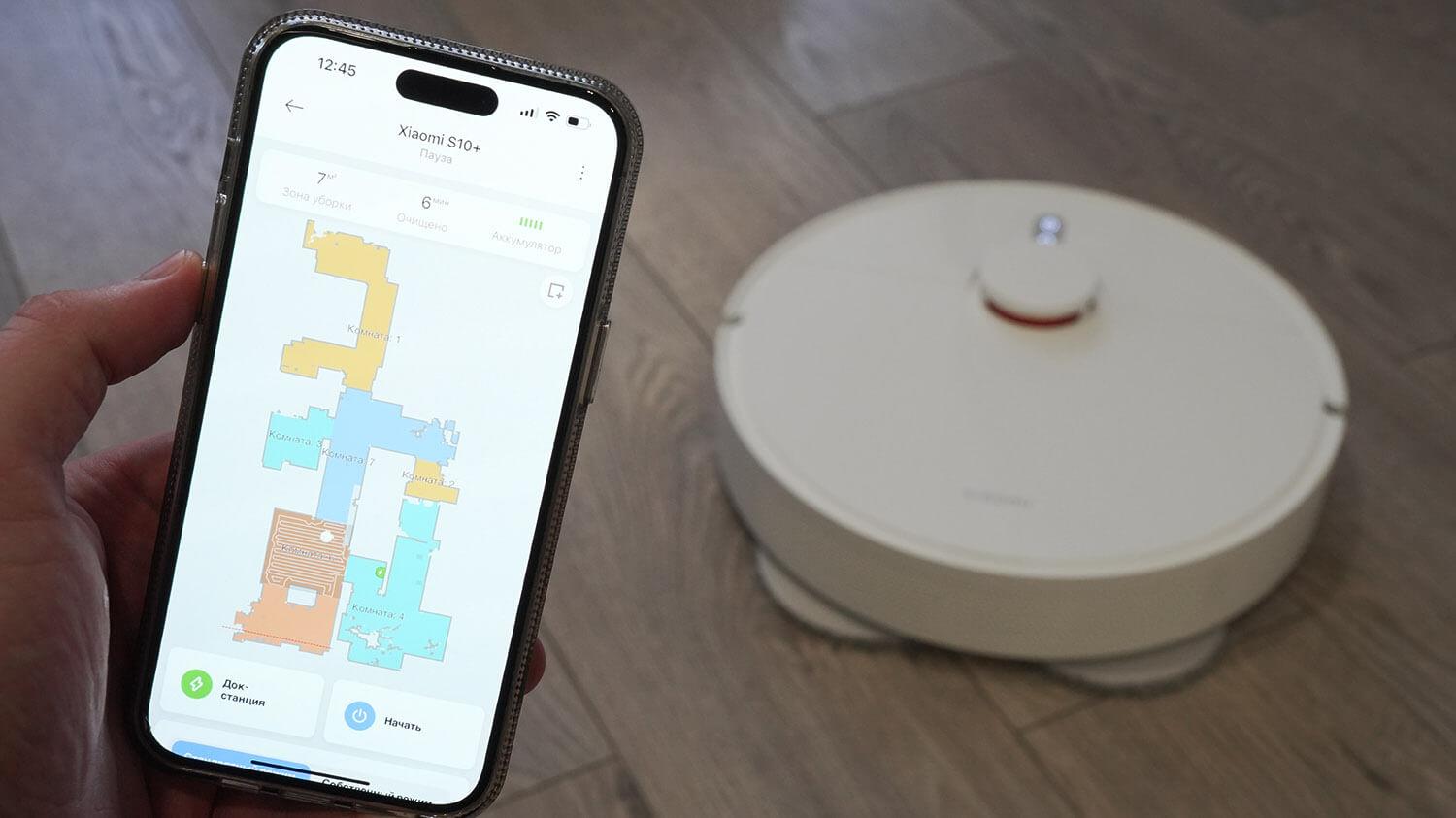
Control via app
All main functions are displayed on the screen:
- Saving multiple cleaning maps.
- Zoning of premises into rooms.
- Selecting areas and rooms for cleaning.
- Virtual walls and no-go zones.
- Suction power adjustment.
- Adjusting the water supply level.
- User mode.
- Cleaning log.
- Setting up cleaning according to a schedule.
- Voice notifications in Russian.
- Carpet bypass during wet cleaning.
- Yandex.Alice support.


Functions
In principle, the implemented features are sufficient for flexible cleaning settings. However, there are some nuances. Firstly, carpet recognition is advertised, but without a wall sensor, it works very poorly. In my case, the robot only detected a small section of the carpet, and there's no way to enlarge it or manually set the desired carpet area in the app. Incidentally, even when a carpet is detected, this model doesn't automatically increase power on carpets. Secondly, there's no option to enable dry cleaning mode with the cleaning pads installed. If the pads are attached to the robot, only the simultaneous dry and wet cleaning mode is active. This may be inconvenient for some cleaning scenarios. It's also inconvenient that there's no way to disable the object detection system if needed. Overall, these aren't critical issues, but they exist.
Testing
A detailed video review with all tests has already been prepared and published on the channel:
Navigation
And finally, let's move on to the tests. First, let's check the navigation in the obstacle course room. After leaving the base, the robot navigates the perimeter of the selected area. The mirror didn't introduce any errors in the map, which is surprising. The robot didn't get stuck on the clothes dryer, carefully navigating around the legs thanks to the sensor system on the bumper. After traversing the perimeter, the Xiaomi Robot Vacuum S10+ begins cleaning the entire accessible area in a serpentine pattern. It also swept around the box and the chrome chair legs, although it only swept the outer edges of the latter. By the end of the cleaning, it was able to get under the table and finish the job. Then, it returned to the base.
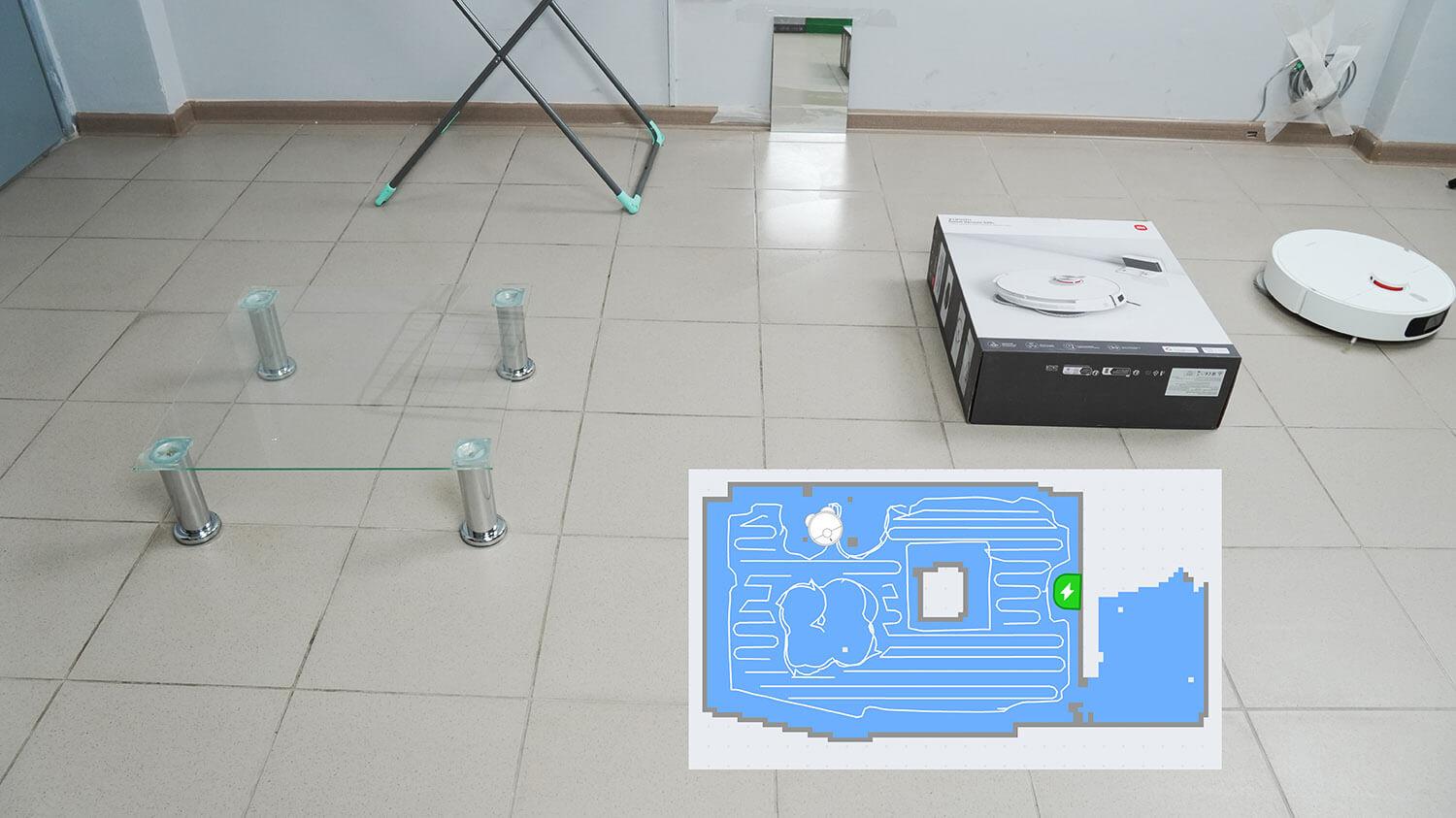
Navigating an Obstacle Room
Regarding house navigation, the robot cleans room by room, following the perimeter, then in a serpentine pattern. There were no uncleaned areas, and the cleaning speed was high, so this test was passed.
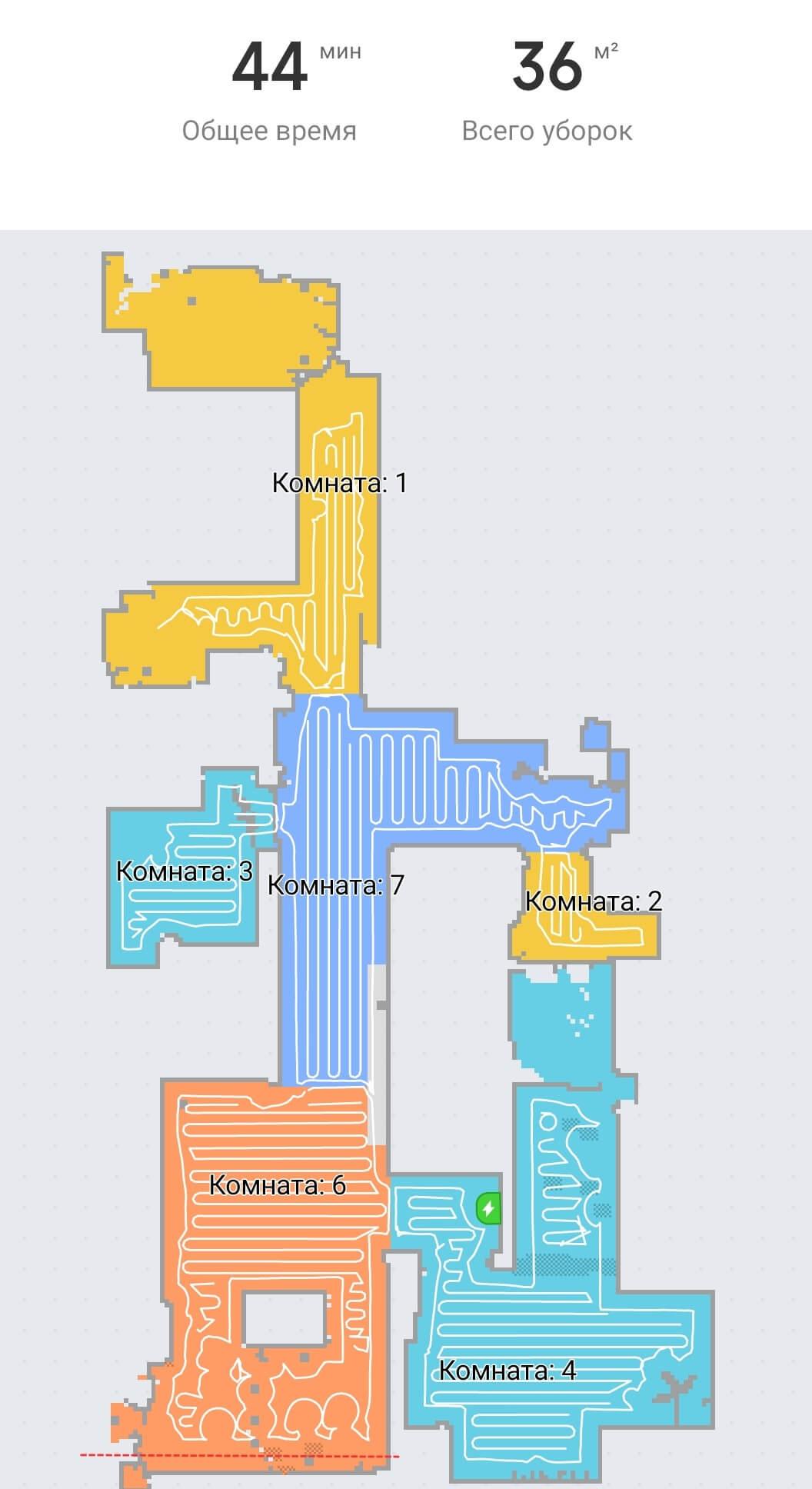
Navigation within the home
Passing under low furniture
Speaking about the minimum height for passing under furniture, a robot vacuum cleaner can pass under a 10 cm gap, which is good.
Autonomy
I also tested the battery life when running the robot at maximum power with wet cleaning enabled. It lasted 88 minutes, cleaning 75 square meters of usable space. In reality, that's nearly enough for two full cleanings of a 70-square-meter two-bedroom apartment. It also features a resume cleaning mode after recharging at the base, so this model is capable of cleaning larger areas.
Identifying objects on the floor
As for the object avoidance system, in good lighting the robot was able to detect and accurately avoid two of six objects on the floor. It ran over a sock, chewed a wire, and knocked over a dummy pet and a bathroom scale. It only managed to accurately avoid a shoe and a stuffed animal, so I can say the object detection system is there, albeit very weak.
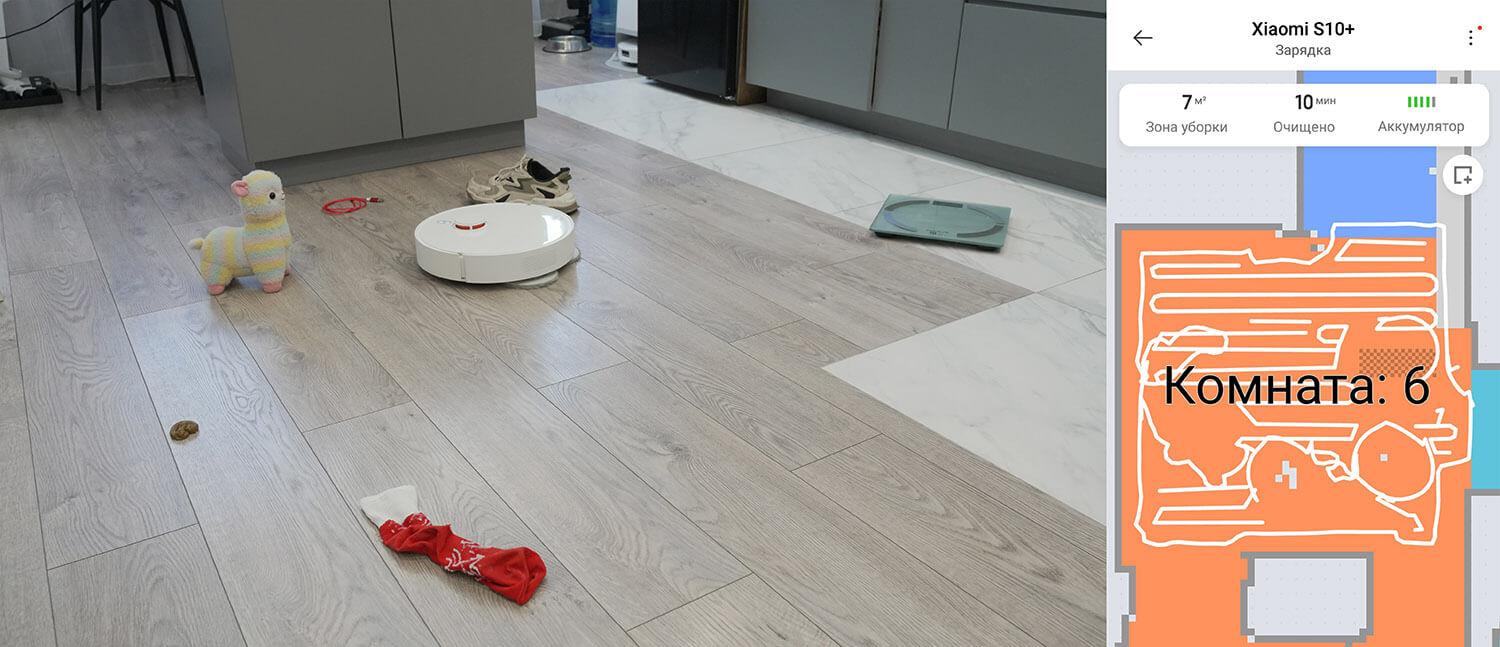
Identifying objects on the floor
The robot is certainly more accurate than its counterparts without this system at all; however, you shouldn't rely too much on these sensors.
Suction power
Regarding suction power, the Xiaomi Robot Vacuum S10+ was able to partially remove debris from a 2mm gap in Silent mode. The results remained unchanged in other modes, namely Standard, Intensive, and Turbo, suggesting the robot is actually quite weak.
Suction power
Dry cleaning
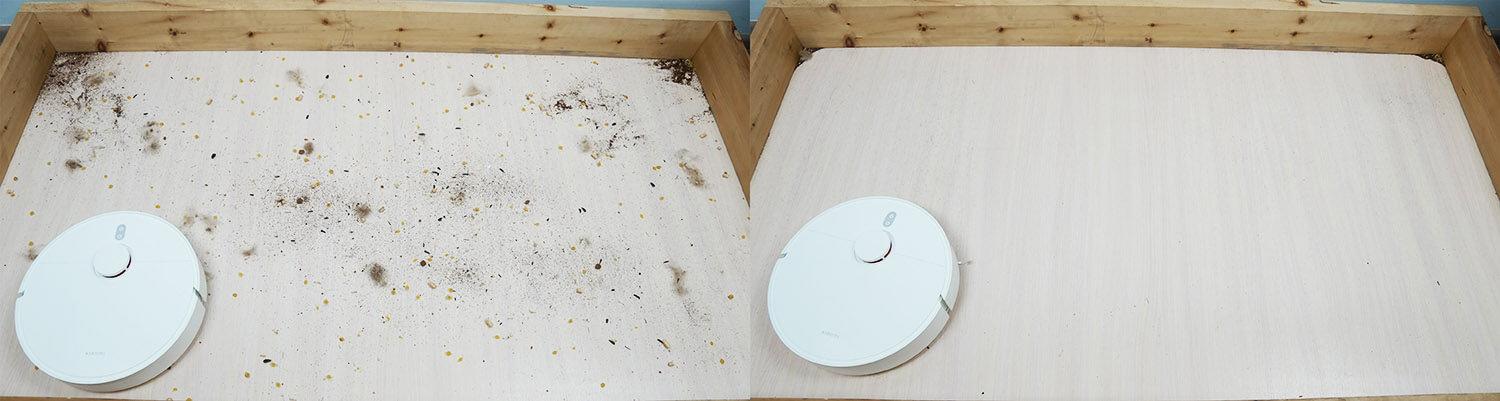
Cleaning performance on laminate floors is on par with similar products—almost all debris was removed, with the exception of small remnants in corners that are difficult for round robots to reach. The center brush picked up some hair and pet hair, which is normal for this type of brush. Fortunately, it's easy to clean, as it can be disassembled on both sides and comes with a special cleaning tool.
Dry cleaning
Carpet cleaning
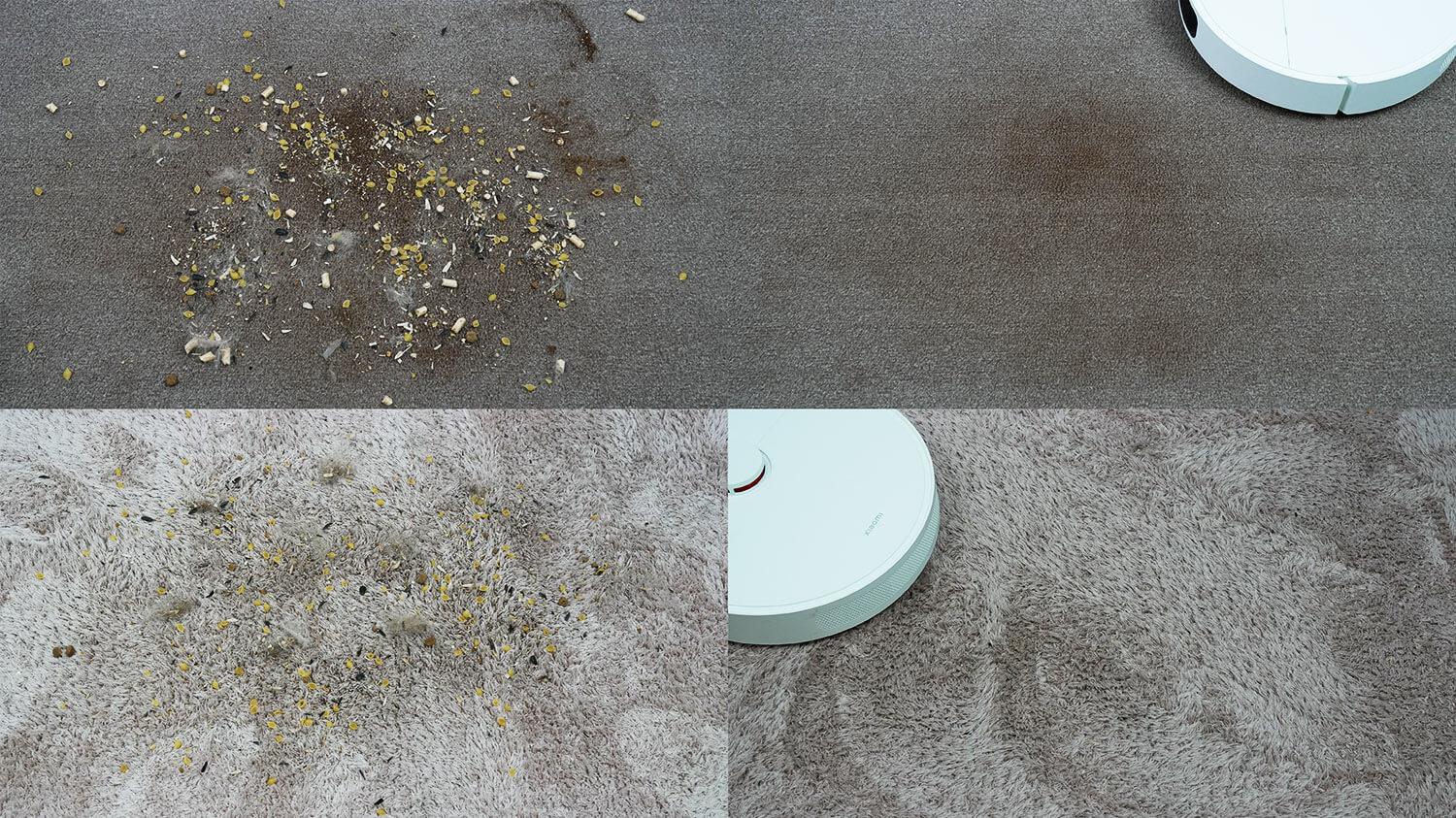
The robot cleans low-pile carpets without any problems. On medium-pile carpets, cleaning performance is good, despite the low power. The floating turbo brush unit and the well-designed brush itself came in handy here. Test passed!
Carpet cleaning
Wet cleaning
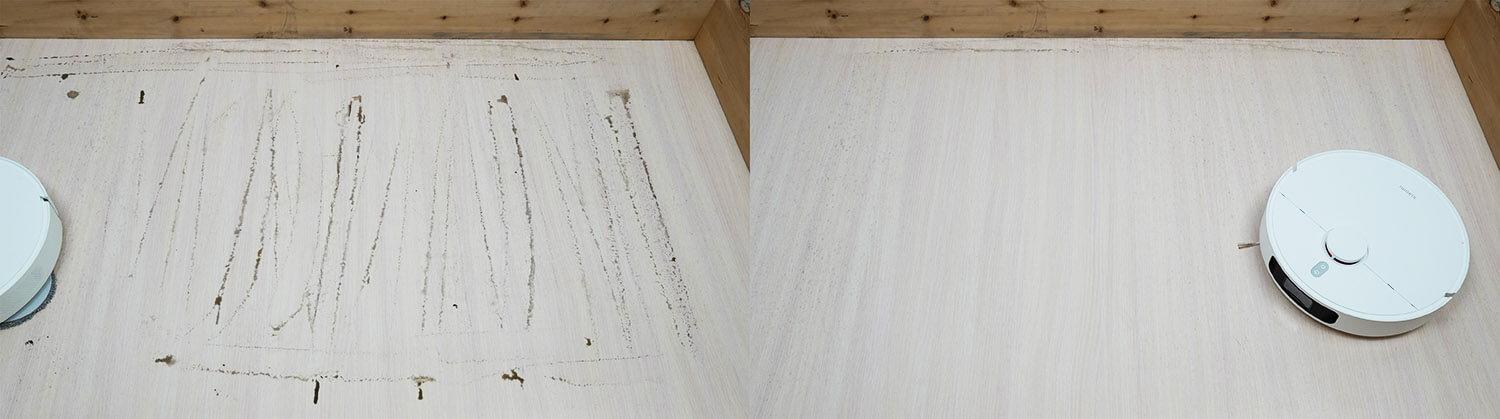
Speaking of wet cleaning, a robot vacuum cleaner can remove light, dried-on stains, which is a plus. However, keep in mind that due to the lack of a washing station for these cloths, there's a risk that they will leave circular streaks when cleaning dirty surfaces.
Wiping off dirt
Additionally, the napkin holder doesn't extend sideways, leaving a blind spot between the edge of the napkin and the baseboard. In this case, it's about 4.5 cm.
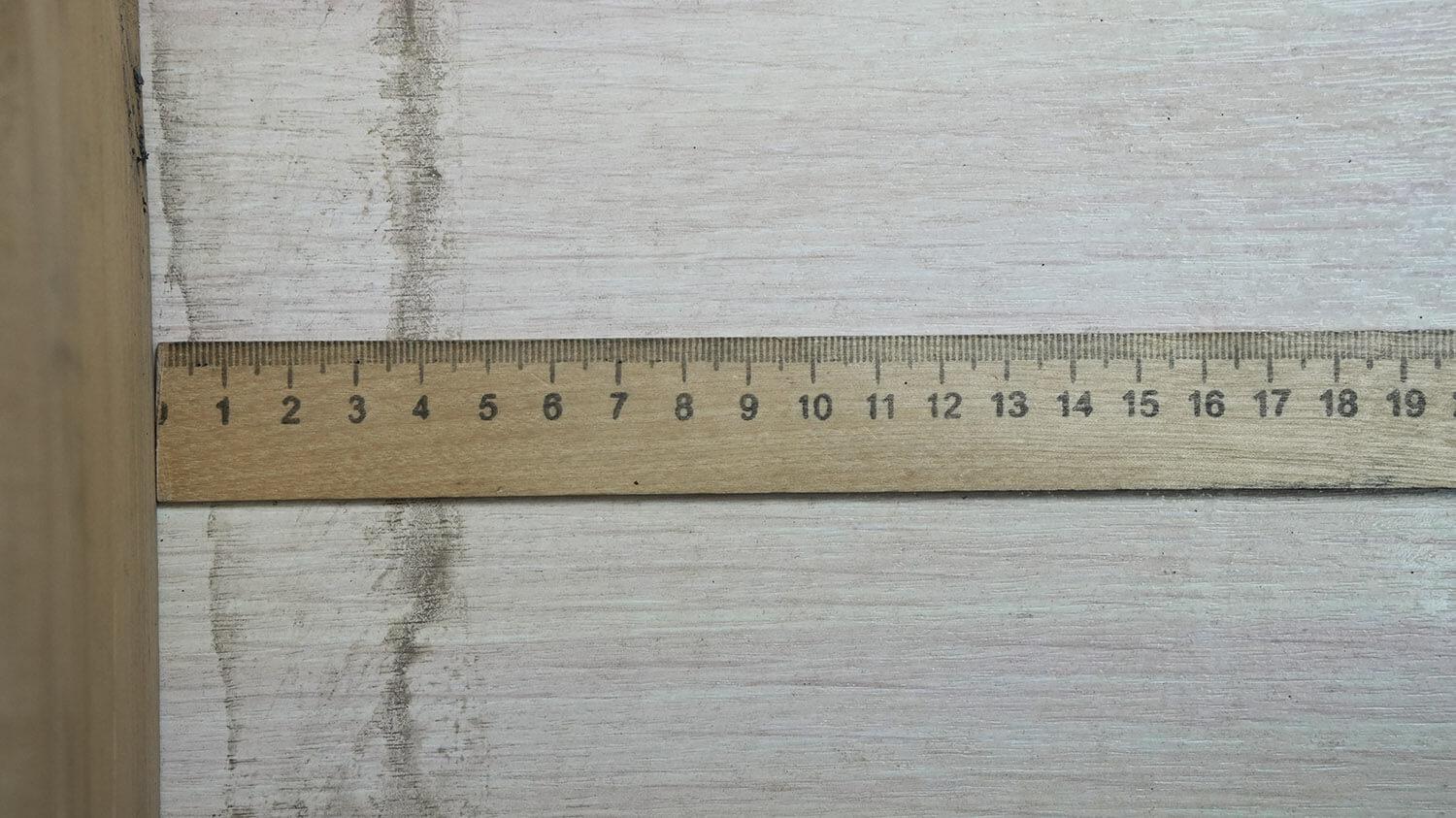
Blind spot
This is what a blind spot would look like in a real-life situation:
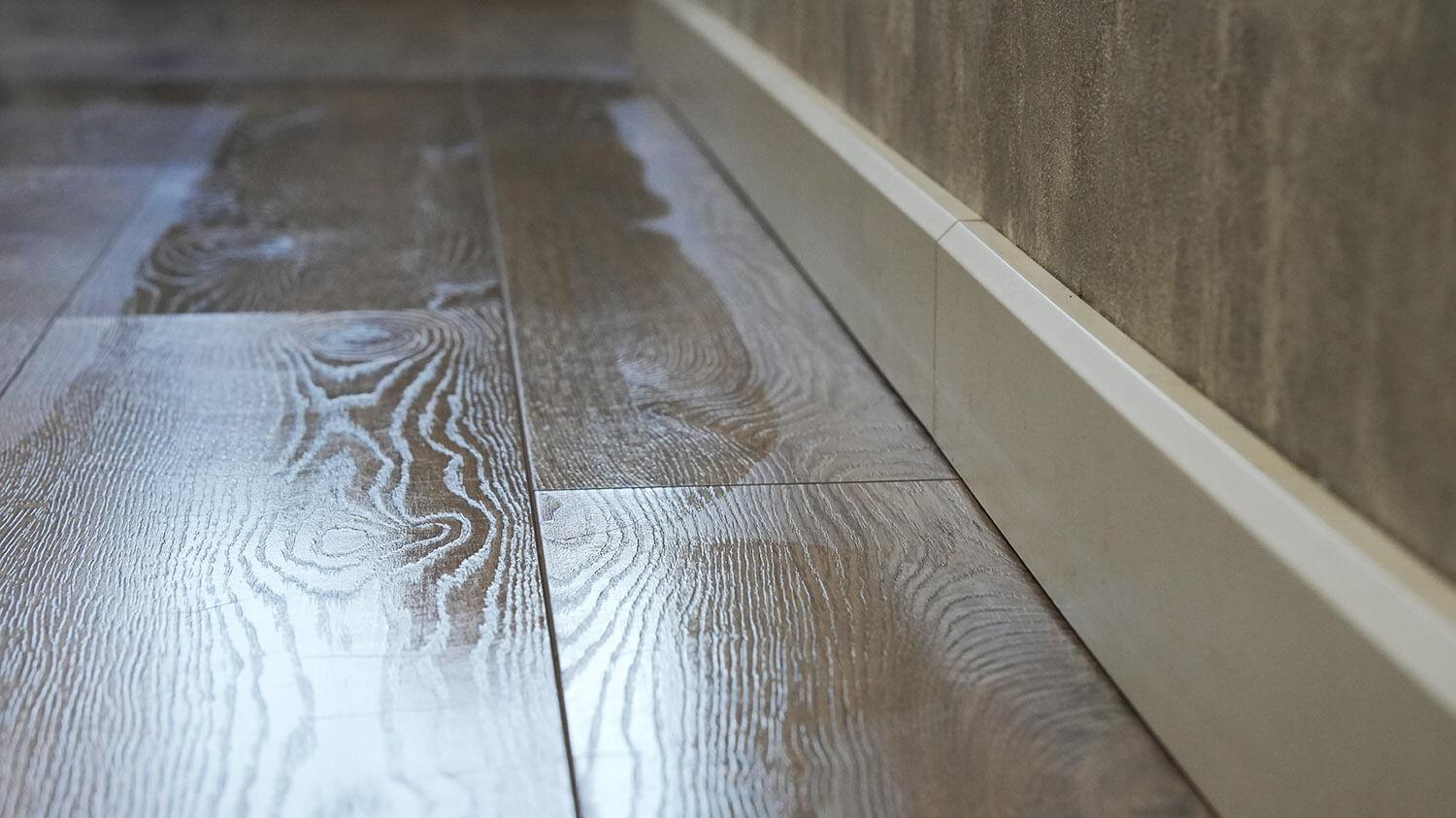
Blind spot in everyday life
But the most important thing is that this model can vacuum and mop simultaneously, and the round cloths leave a much clearer wet trail. Moreover, the cloth's structure allows for cleaning uneven surfaces and crevices. This is the main advantage of this cleaning module.
Wet cleaning and carpets
Speaking of wet cleaning on carpets, the robot can actually detect carpets even without a carpet sensor, and it doesn't even enter them with the pads installed. While this is great, it would be nice to have the option to disable this feature in the settings if needed. Some people like to run the robot with the rotating pads on the carpets, cleaning the pile that way.
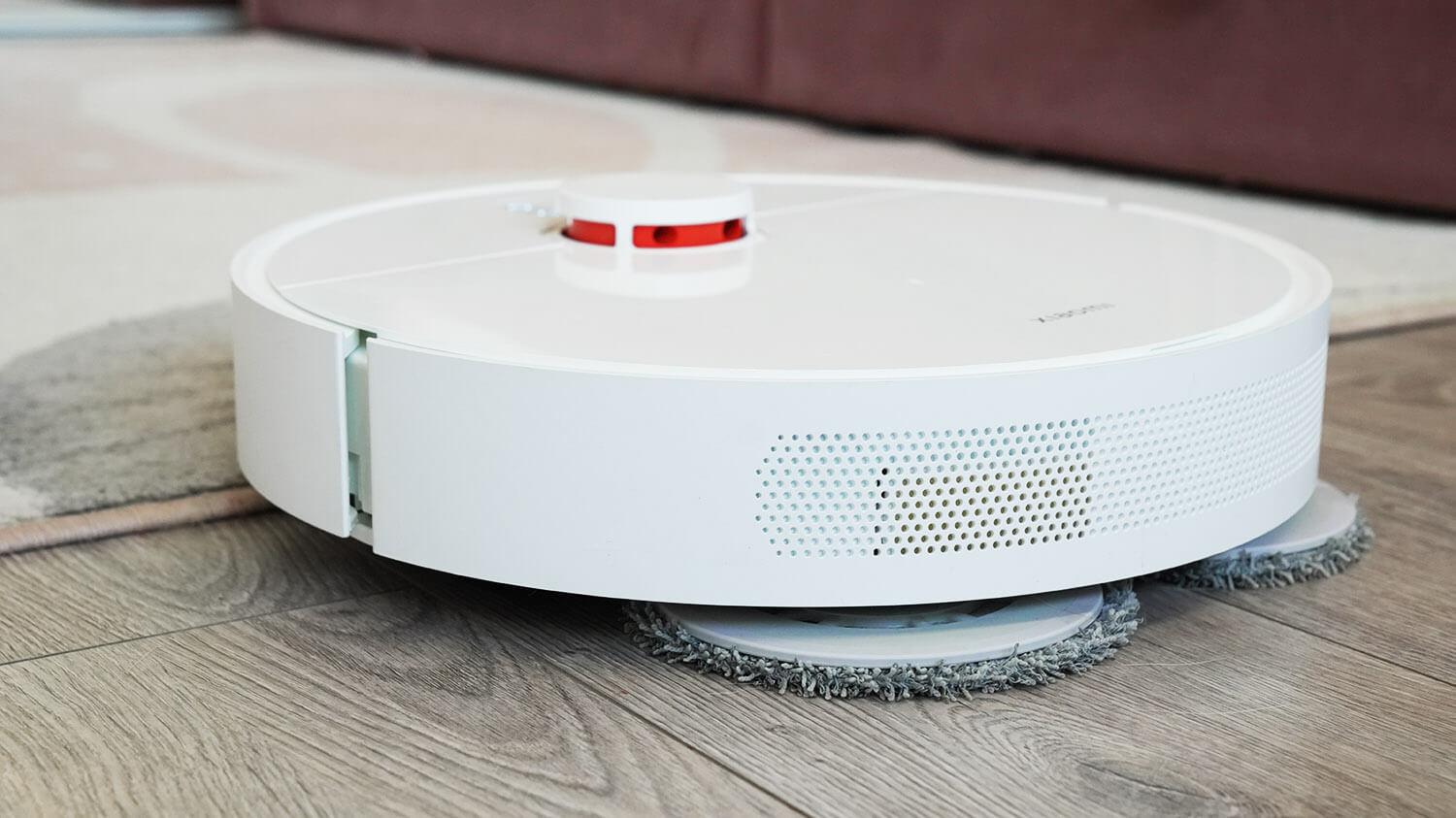
Carpet round
In order for this machine to clean carpets, the cloths need to be completely removed manually, which is not always convenient.
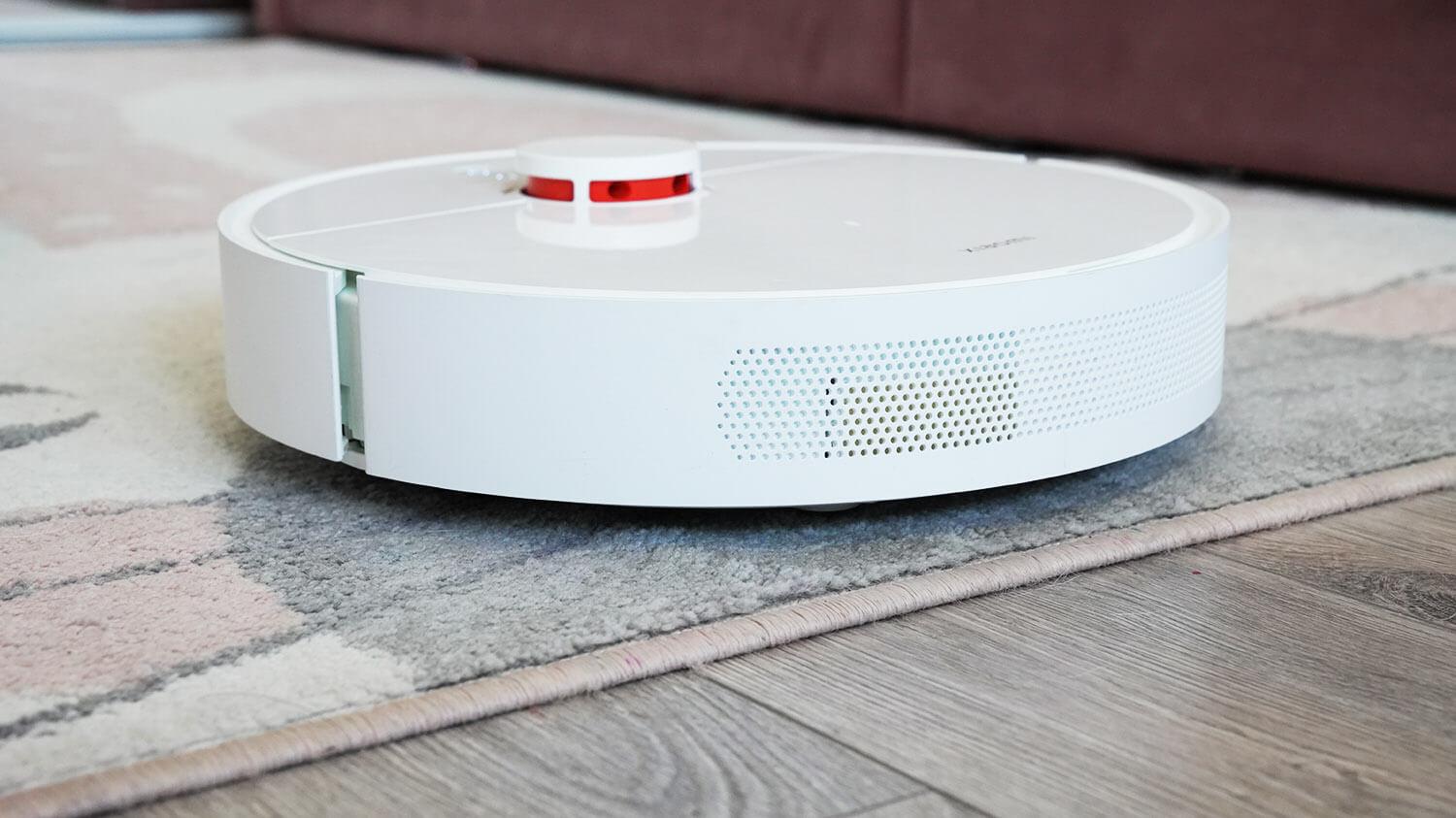
Cleaning a carpet without wipes
Obstacle course
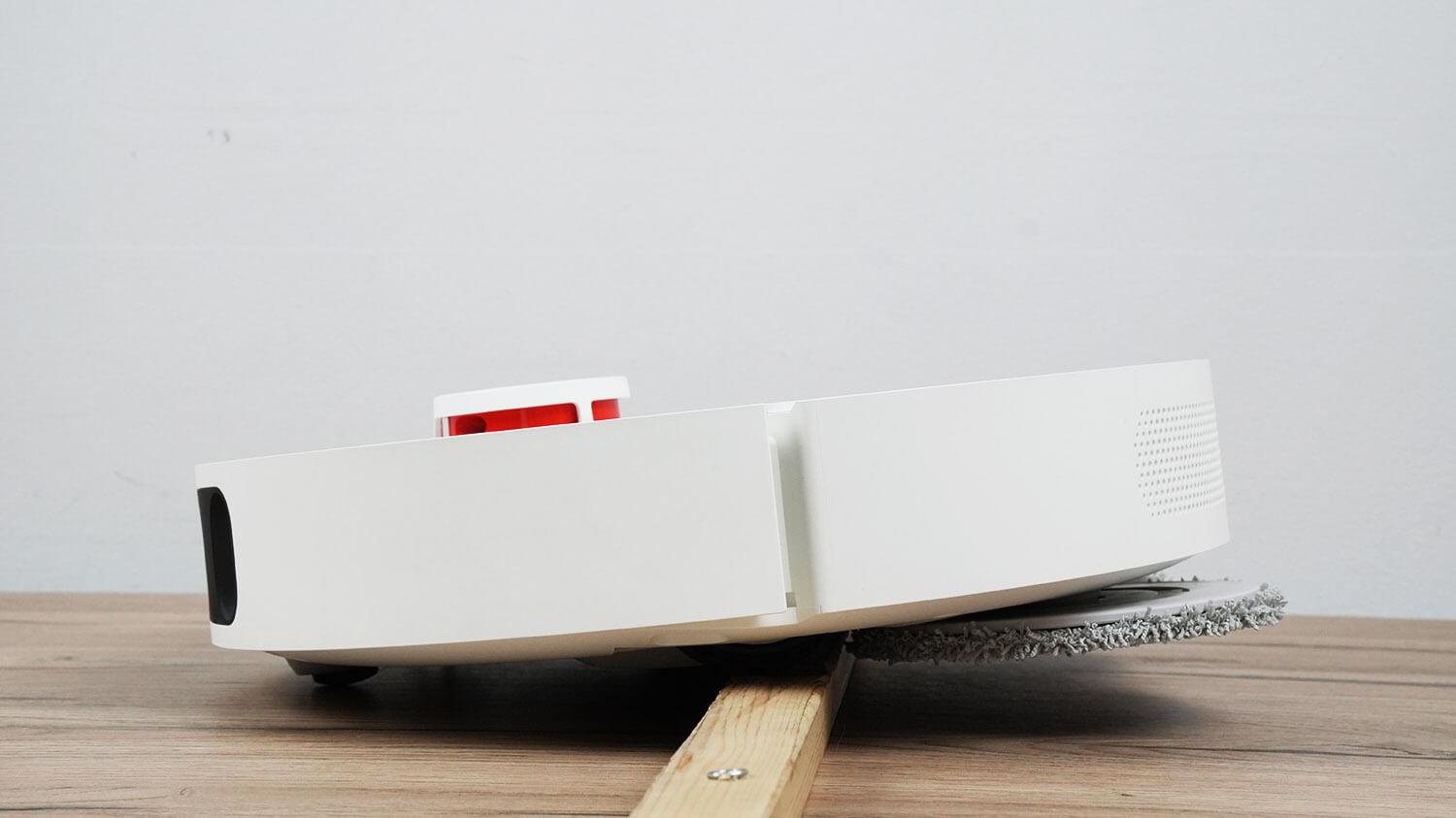
The robot vacuum easily navigates 2 cm high thresholds, lifting up the cleaning cloths as it goes. That's a plus!
Obstacle course
Driving on black surfaces
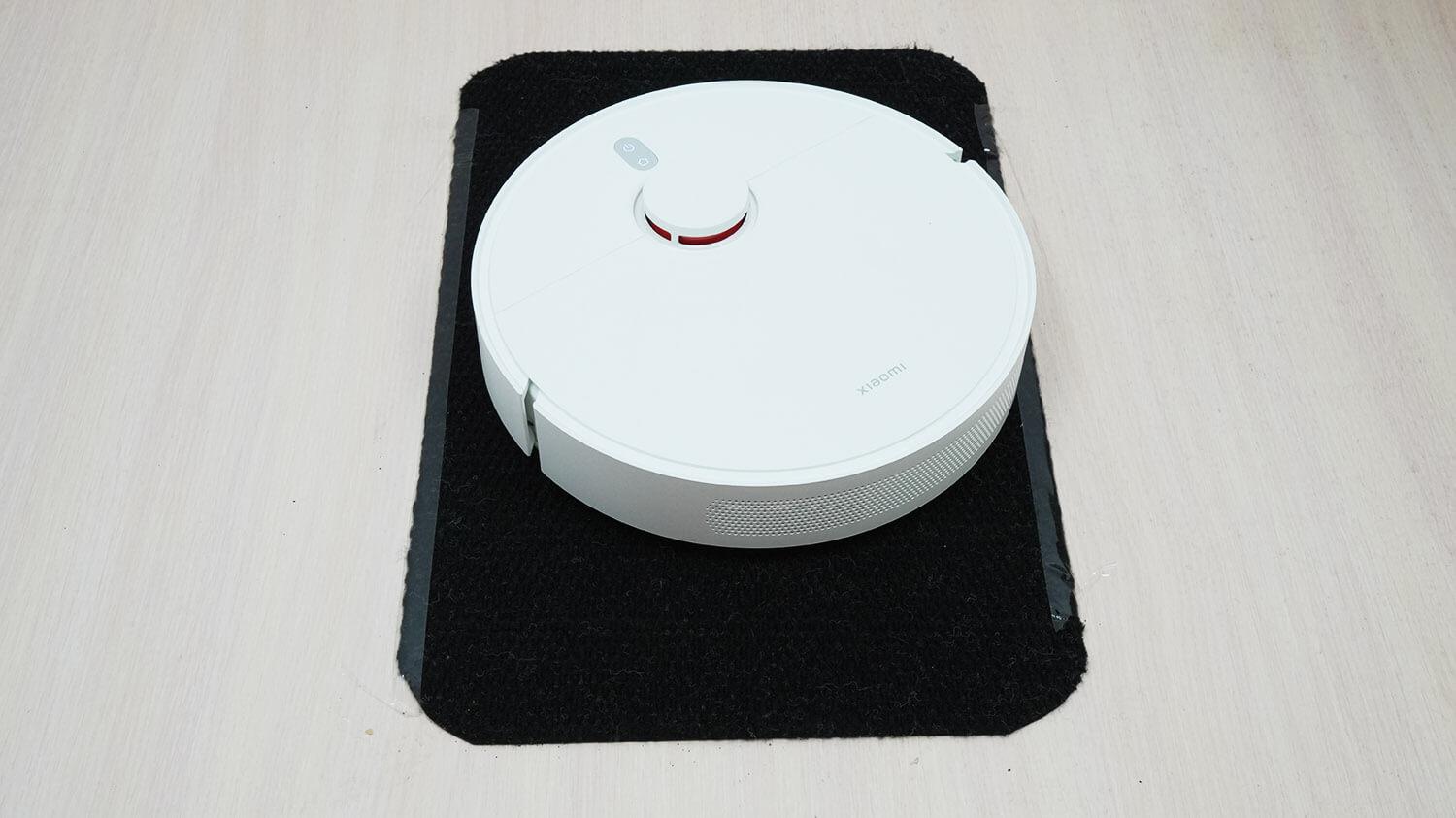
It's also not afraid of black surfaces, easily driving on completely black carpet. This is another advantage of the robot!
Driving on black surfaces
Noise level
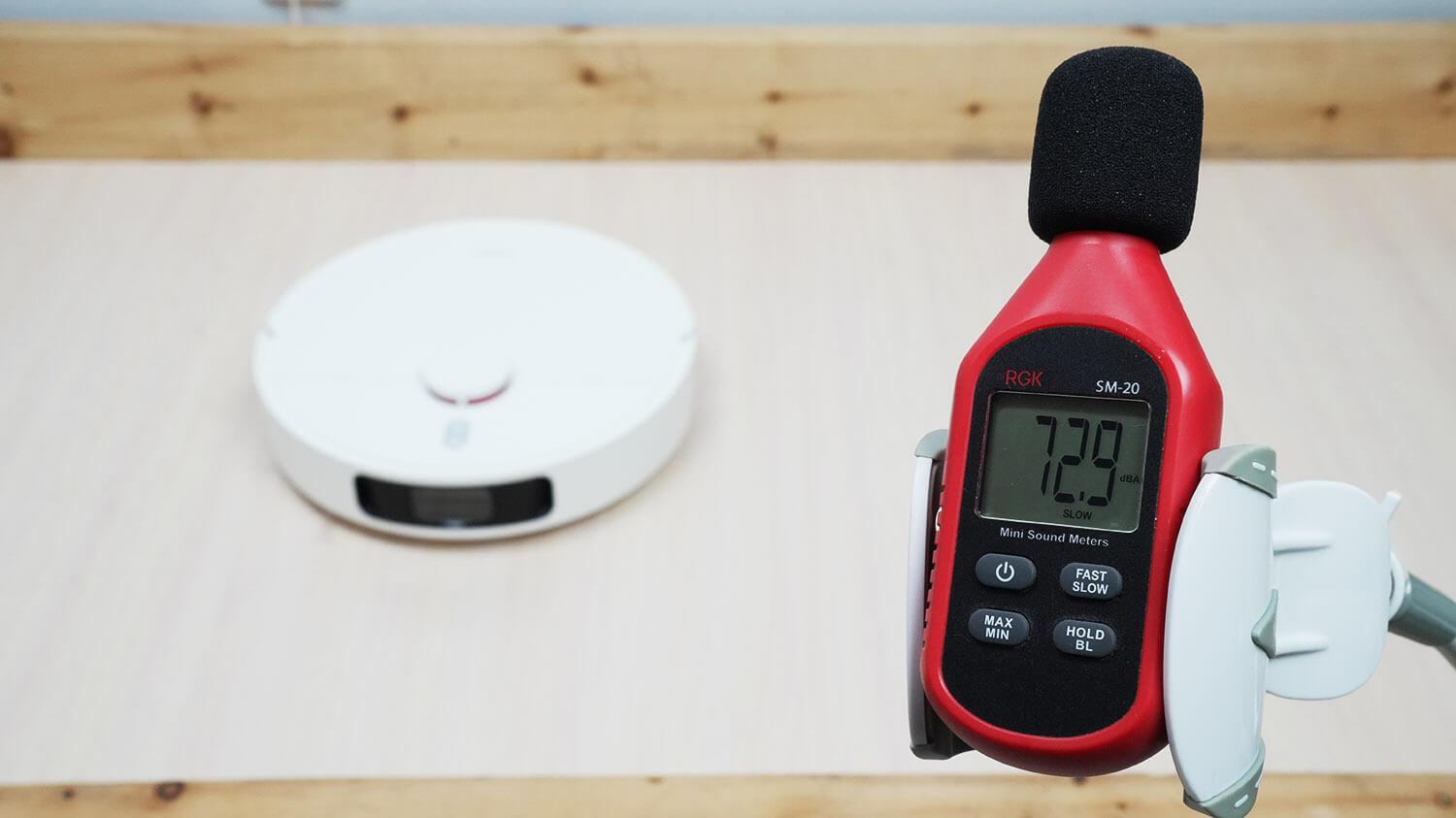
As for the noise level, it ranges from 60.5 to 73.5 dB, depending on the selected power mode. The noise level is elevated, considering there's no real power output.
Noise level
Personal opinion
The Xiaomi Robot Vacuum S10+ robot vacuum cleaner has been thoroughly reviewed and tested. our evaluation system he managed to gain 120 points, which is a good result for the price segment of this model and taking into account the lack of a self-cleaning station.
Overall rating of tested robot vacuum cleaners: https://robovac.washerhouse.com/en/rejtingi/robovac-obshhij-rejting-robotov-pylesosov-robo.html.
I'll highlight the pros and cons I discovered during the review, and then share my opinion on the robot. I liked the following:
- Excellent dry and wet cleaning performance. The robot can even clean carpets and scrub away dirt. This is sufficient for home use.
- Navigation is excellent. Moreover, thanks to the sensors on the front bumper, the Xiaomi S10+ is more careful when approaching objects and even avoids some without touching them.
- Capable of automatically avoiding carpets in dry and wet cleaning modes.
- Full Russification of the application interface and voice commands.
- The robot vacuum cleaner is not afraid of black surfaces.
- Good cross-country ability.
- Availability of warranty and service.
However, this model still has its fair share of drawbacks. The main ones are:
- In reality, the suction power is weak.
- Napkins do not rise on carpets.
- Dry cleaning mode cannot be selected when wipes are installed.
- There's no wall or carpet sensor. As a result, the robot may wander when passing along walls and only detect parts of carpets, rather than all of them.
- There is no automatic power increase function on carpets, despite the stated function of recognizing these carpets.
- Weak system for identifying objects.
- The blind spot is near the baseboard. A rear-facing scrolling mode near walls could have been added, as is implemented in some similar Xiaomi models.
- High noise level at maximum power.
In conclusion, I can say that half of the comments will only be relevant if you have carpets, and the robot's design isn't designed for cleaning carpets if you want it to vacuum and mop simultaneously. If you're willing to manually remove the cleaning pads each time the robot cleans your carpets, then it's a good choice. Therefore, I would recommend this model primarily for cleaning hard floors, and of course, if its price is closer to $200. For 25-30 thousand rubles, there are many more powerful and well-designed alternatives with a cleaning station or at least a pad lift function and a more accurate object detection system, even in the Xiaomi lineup.
On that note, I'd like to end this review. If you have any questions, please ask them in the comments. Happy shopping, everyone. Bye!