Dreame D10 Plus Gen 2: More power, silicone brush, self-cleaning
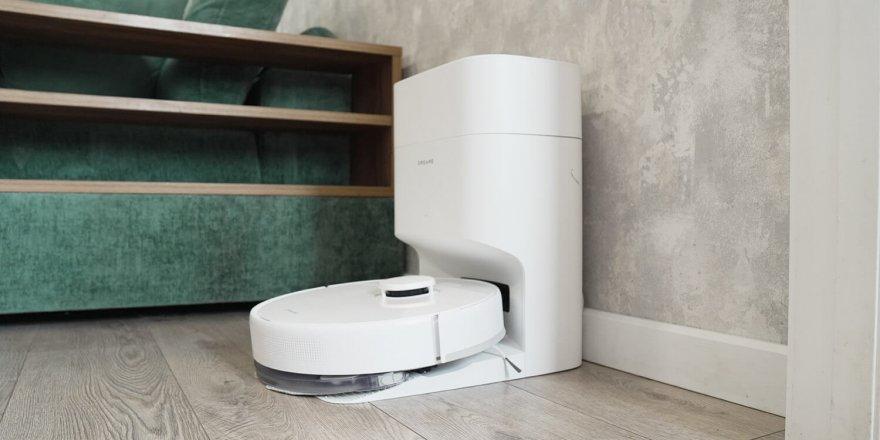
We're continuing our testing of new products, and this time we're reviewing the Dreame D10 Plus Gen 2 robot vacuum cleaner. It's an updated version of the previously released first-generation Dreame D10 Plus, which we also reviewed. The second generation features a new brush, a silicone one, and increased suction power from 4000 to 6000 Pa. The price has also increased slightly. It starts at $300, while the first version can be found for around $270, especially during sales. Below, I'll thoroughly test the new version, compare its results with its predecessor, and then highlight its pros and cons. Let's get started!
Equipment
The standard package includes the robot vacuum cleaner itself with a self-cleaning station and power adapter, a spare dust bag, a wet cleaning attachment, and an operating manual.
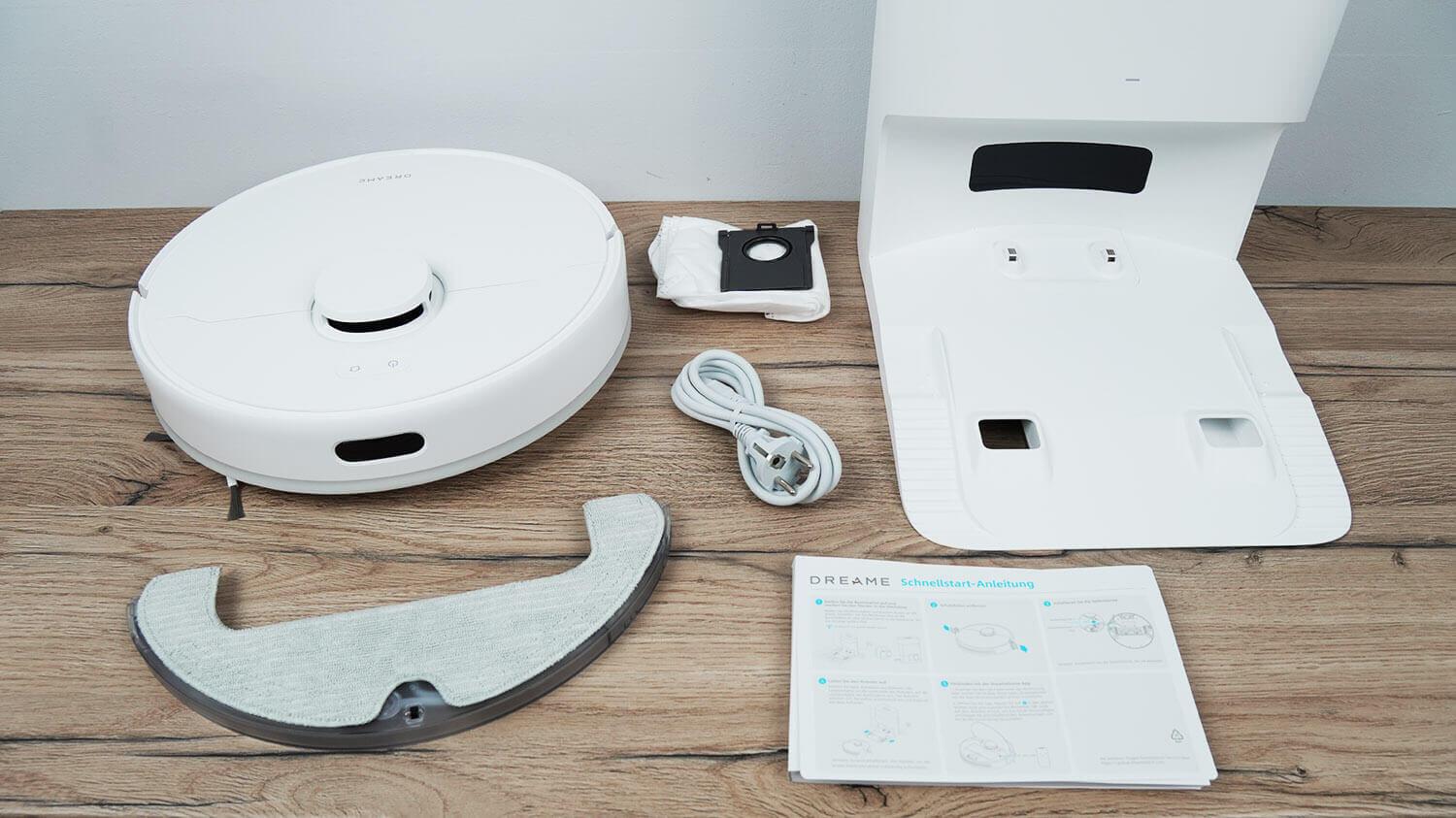
Equipment
Appearance
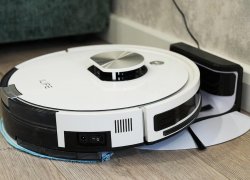
Now let's look at the robot's appearance. It has a familiar round shape and comes in white. The body height is a standard 97 mm.
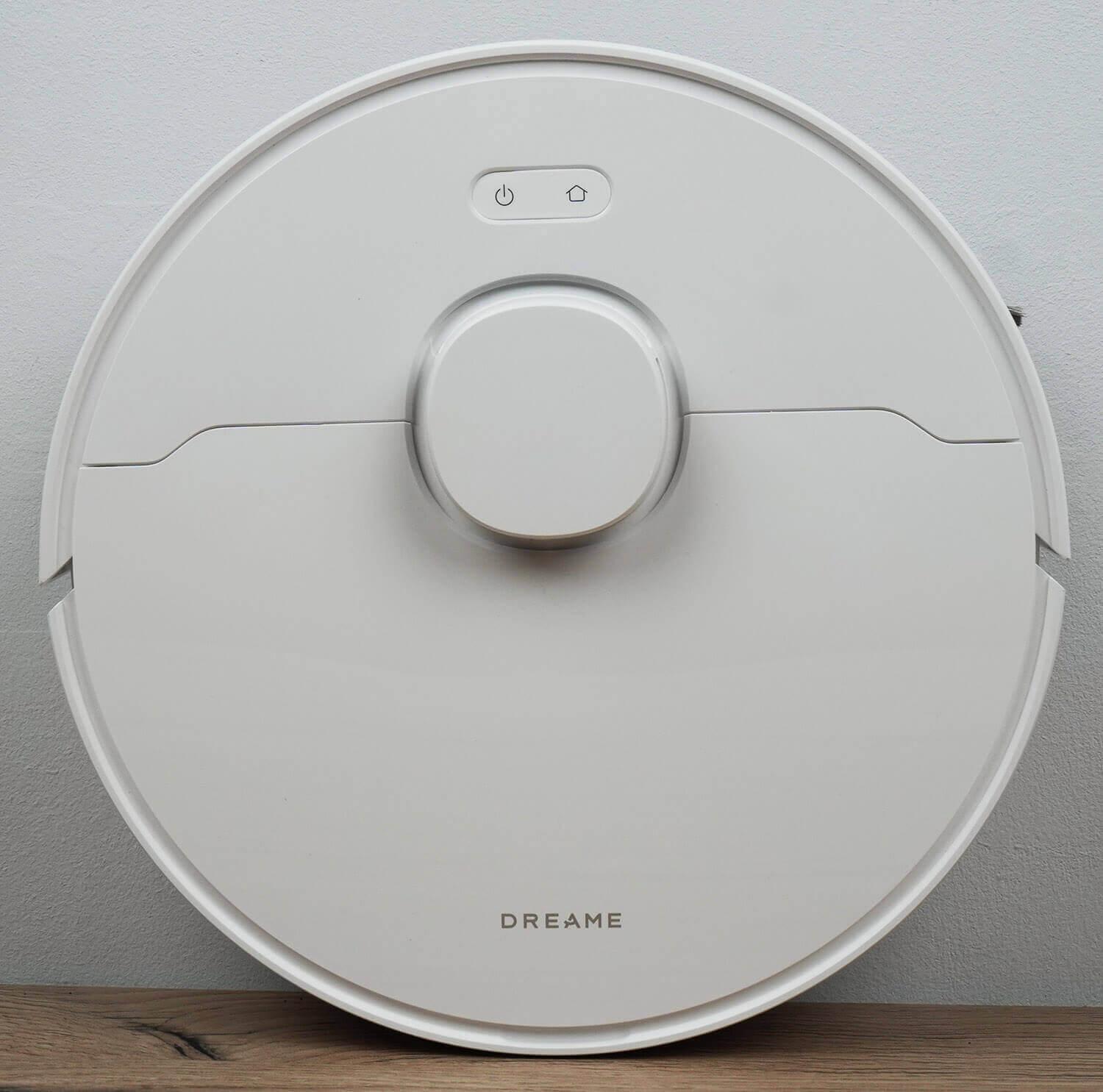
Top view
A wall sensor was never installed in this model; a sensor for detecting large obstacles in the robot's path is installed on the front bumper.
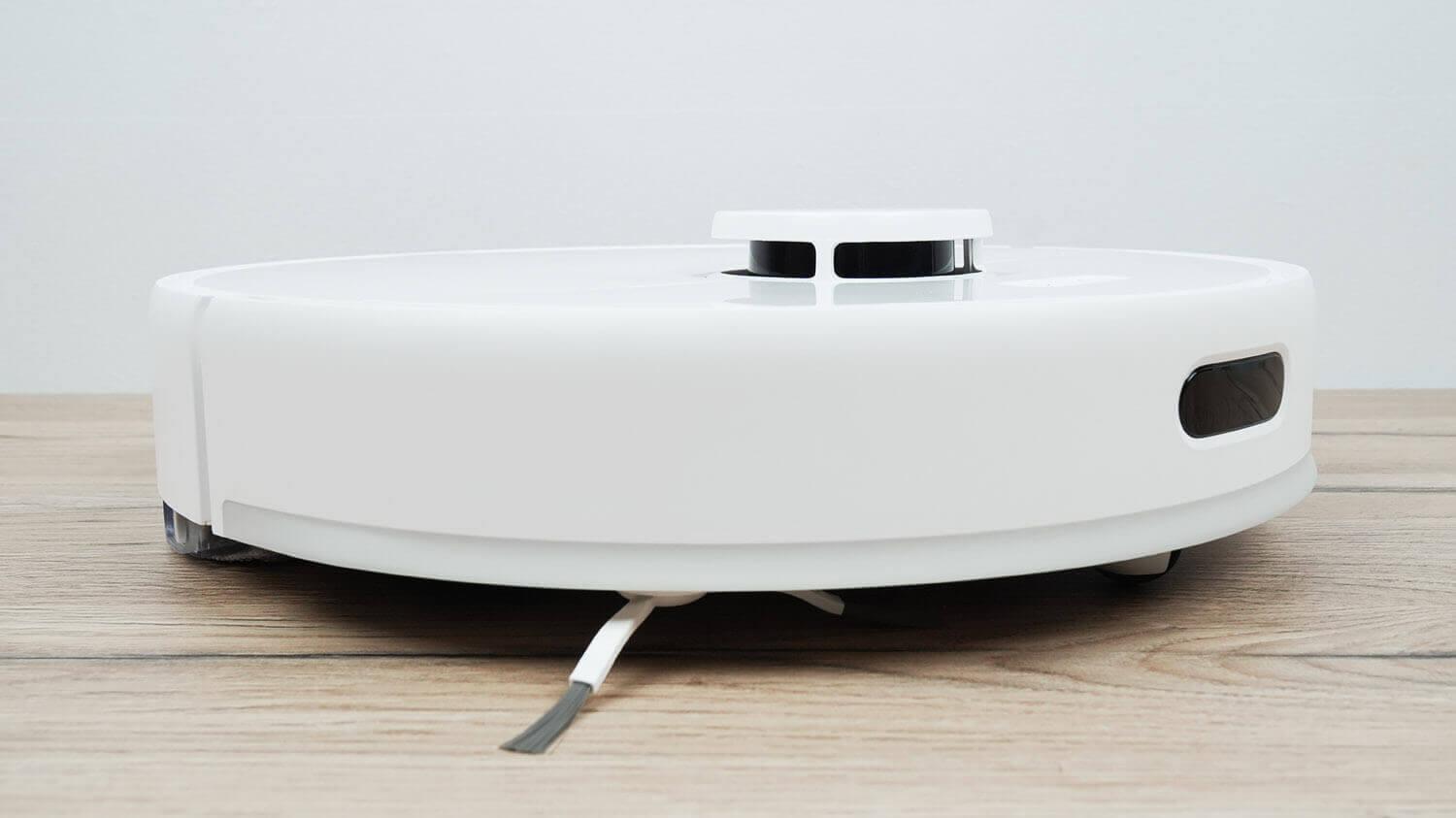
Side view
The main navigation unit is the lidar. Two mechanical control buttons are located next to it. The dust collector is located under the top cover. It holds up to 400 ml of dry waste. The filtration system is based on a HEPA filter and a mesh.
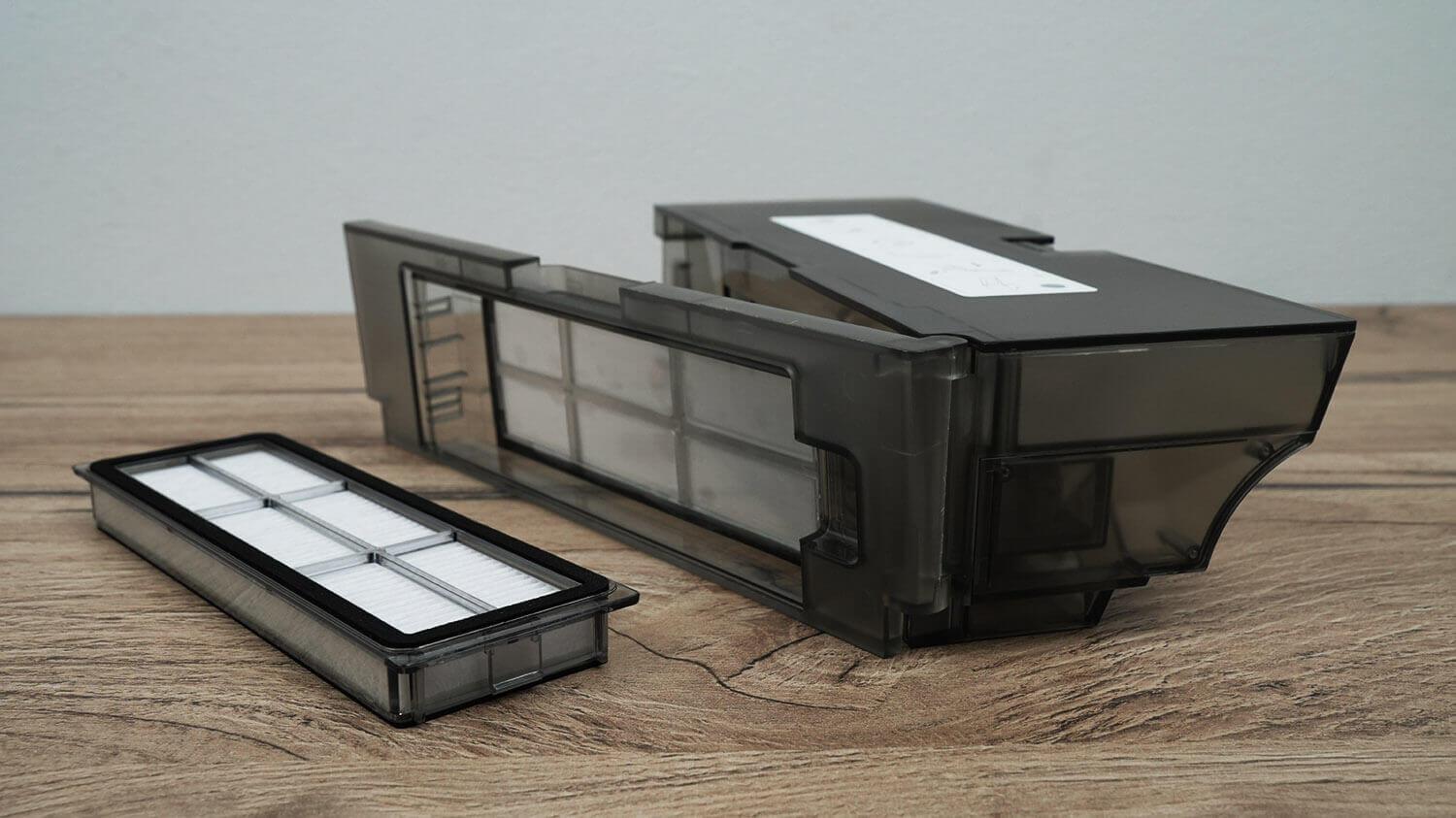
Dust collector
A wet cleaning attachment is attached to the bottom of the robot. A pump is installed inside for electronically controlling the liquid flow. The tank holds only 150 ml. The cloth is a standard design and is held in place by pockets and Velcro.
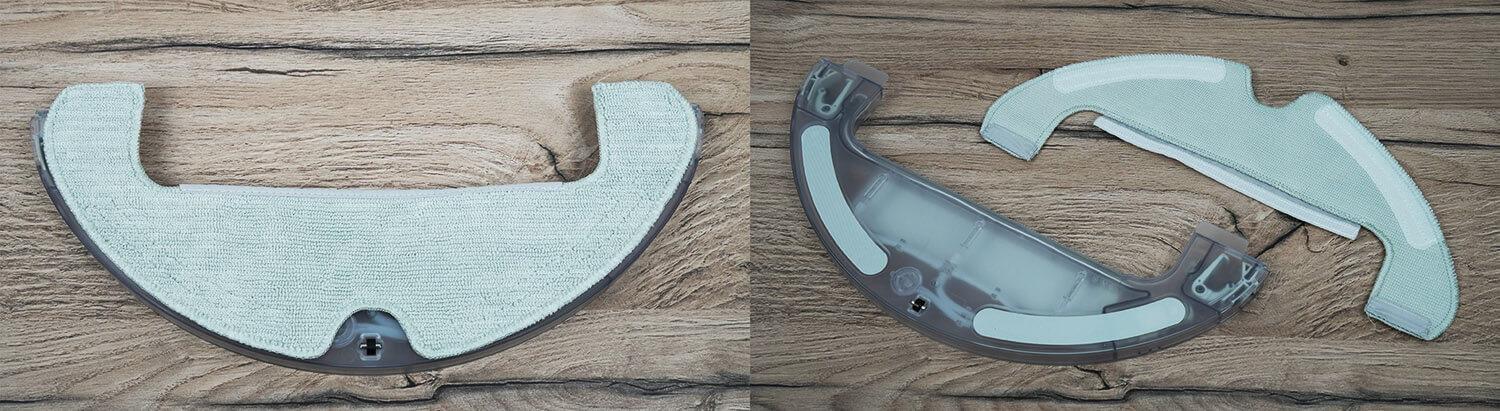
Water tank
Four sensors on the bottom prevent falls from heights. There's no carpet sensor, and the side brush is a single, three-beam brush that's easily removed.
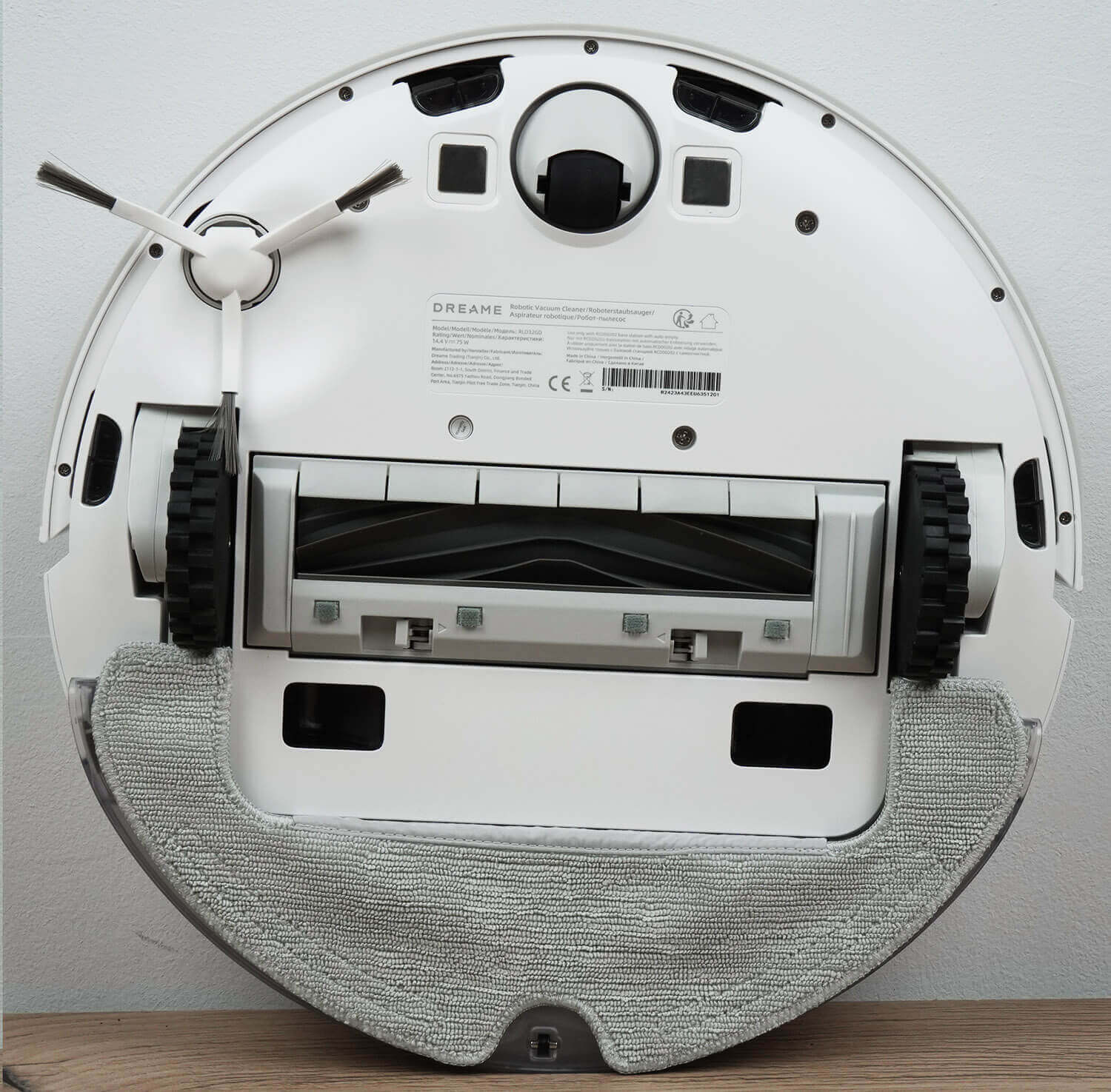
Bottom view
The central brush unit is floating. The silicone brush can be removed on both sides to remove tangled hair and pet hair.
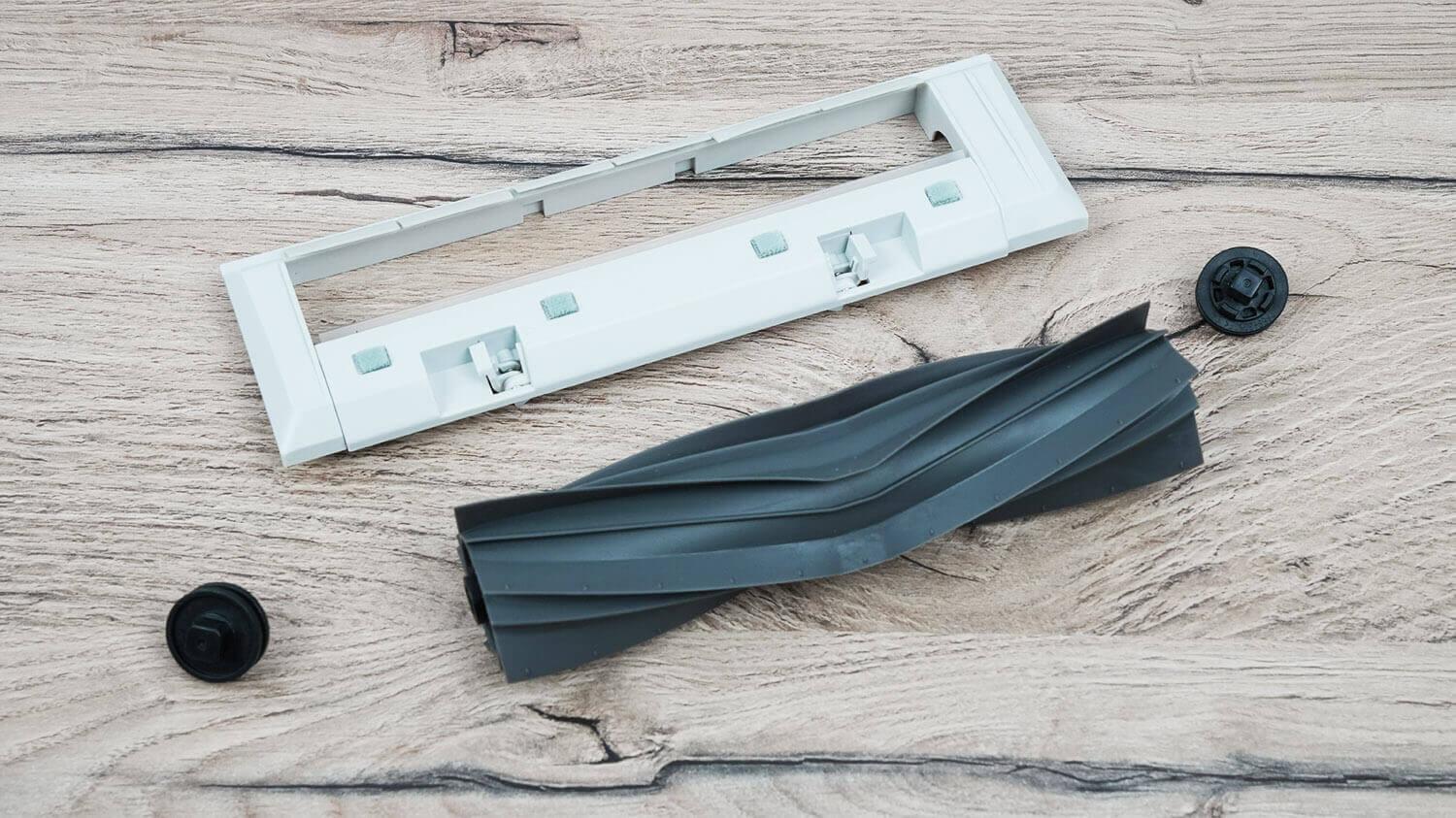
Central brush
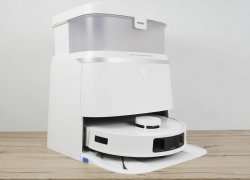
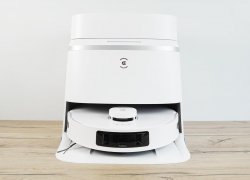
Speaking of the station, the robot vacuum cleaner charges and self-empties its dust bin there. The design has been slightly modified. Waste is discharged through an opening in the robot's bottom. Below it is the station's waste chute. The waste bag is located under the top cover. Its capacity has been increased from 2.5 to 4 liters.
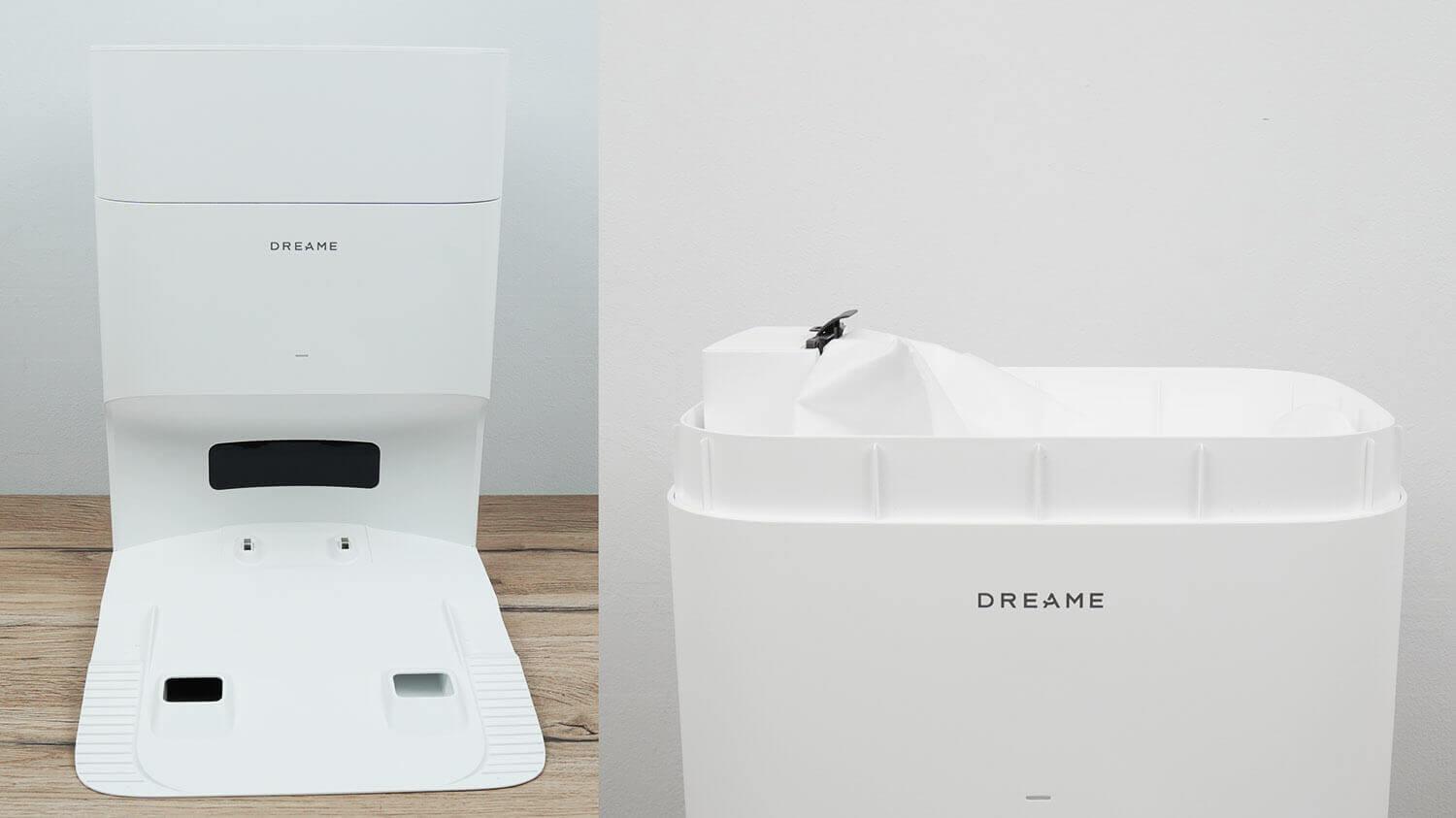
Station
So, the only design differences compared to the standard D10 Plus are the turbo brush and the dust bag capacity. Everything else remains unchanged.
Technical specifications
Key Features of the Dreame D10 Plus Gen2:
- Li-Ion battery 5200 mAh.
- Suction power 6000 Pa.
- Operating time up to 240 min.
- Garbage bag: 4 liters.
- Dust collector 400 ml.
- Water tank 150 ml.
- Obstacle clearance 2 cm.
- Robot dimensions: 350*97 mm.
- Station dimensions: 298*406*427 mm.
The only specification change is the suction power, which will be verified in tests. Otherwise, the performance is on par with similar devices in this price range.
Functional capabilities
Speaking of features, the Dreame D10 Plus Gen2 is controlled via the Dreamehome app. It's available in Russian and is intuitive and easy to use.
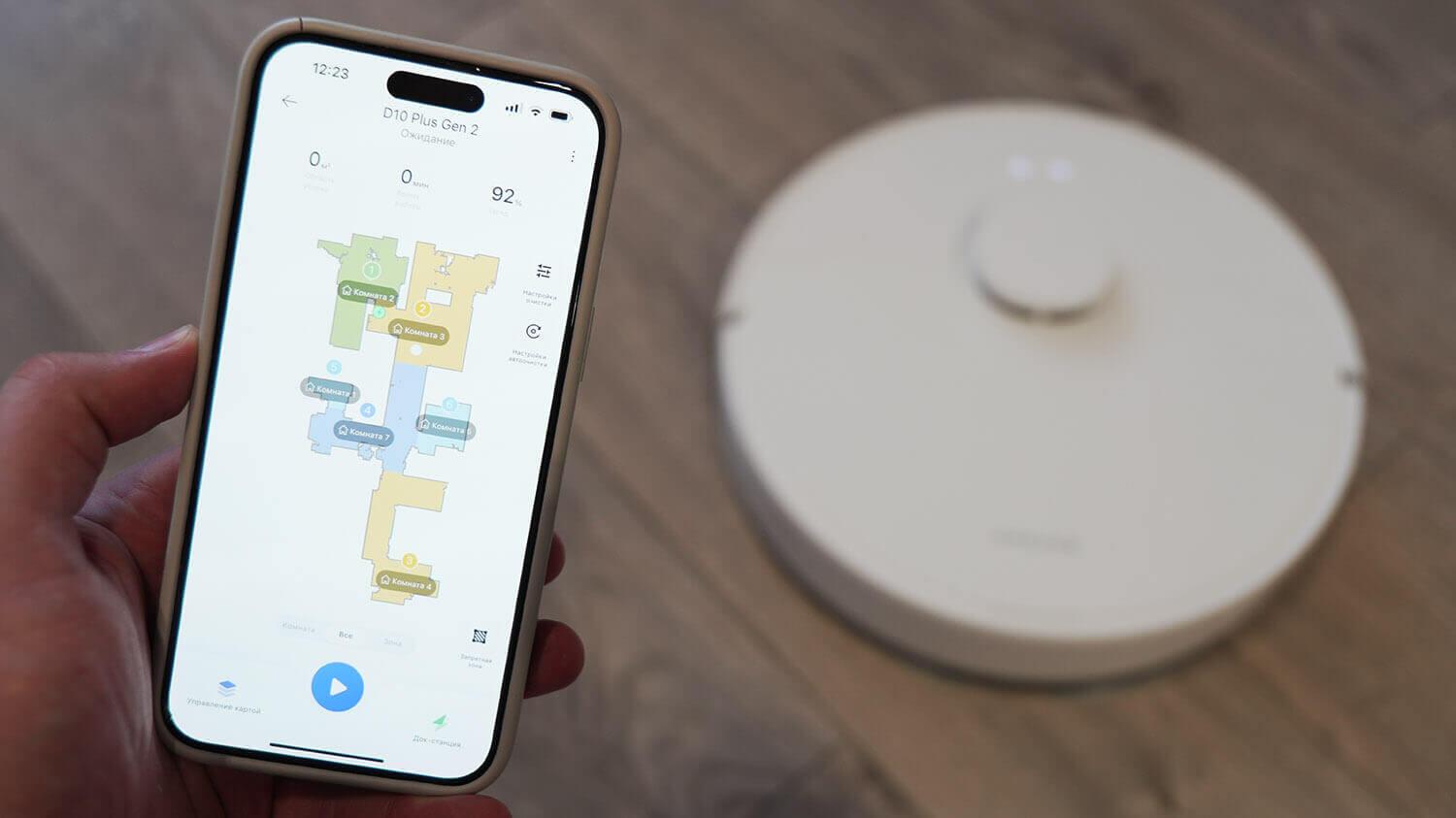
Control via app
The main functions are displayed on the screen:
- Self-cleaning of the dust collector at the station.
- Saving multiple cleaning maps in memory.
- Automatic zoning of premises into rooms.
- Selecting areas and rooms for cleaning.
- Virtual walls and no-go zones (and for wet cleaning mode).
- Suction power adjustment.
- Adjusting the degree of wetting of the napkin.
- User mode.
- Cleaning log.
- Setting up cleaning according to a schedule.
- Voice notifications in Russian.
- Automatic power increase on carpet.
- Yandex.Alice support.
Overall, it has all the basic features for flexible cleaning settings. I'll just note that, like the previously released D9 Max Gen 2, automatic power increase on carpets does not always work, because there is no carpet detection sensor.
Testing
A detailed video review of the Dreame D10 Plus Gen 2, including all tests, has already been published on the channel:
Navigation
Let's move on to the tests. We'll start by navigating the Dreame D10 Plus Gen2 in a room with obstacles. The robot first walks around the room's perimeter, then cleans it in a zigzag motion. It easily moved over the dryer's legs, carefully swept the box and chair legs, and then returned to its station. The test was successful.
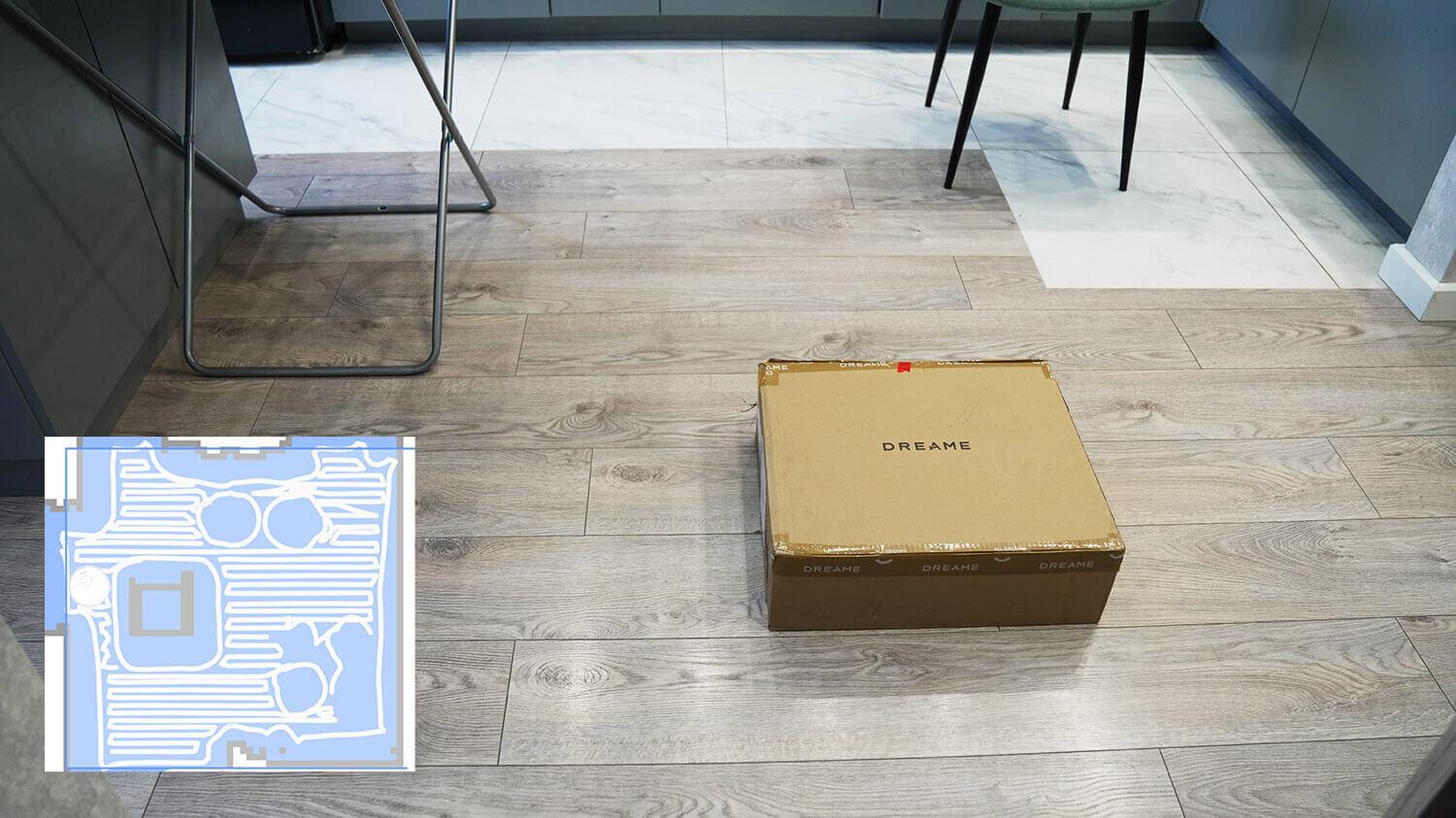
Navigating an Obstacle Room
As for navigating around the house, the robot followed the same pattern: first the perimeter of the room, then a serpentine pattern. Despite the lack of a wall sensor, it cleaned neatly along the baseboards. Yes, it hits objects and walls more often than models with a wall sensor, but there were no strong impacts, and most importantly, it left no uncleaned areas. I have no complaints about the navigation.
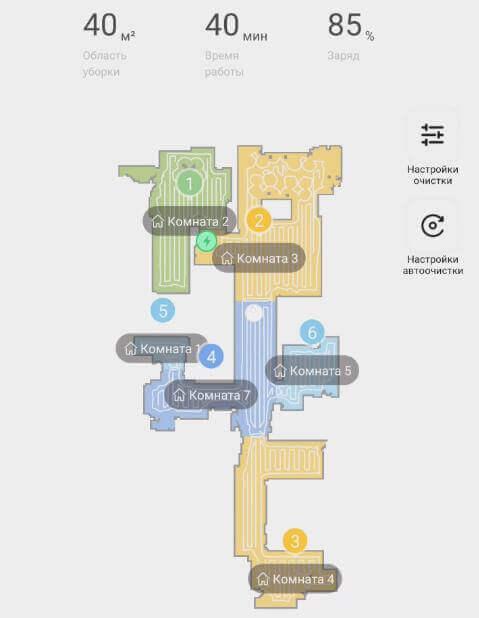
Navigation within the home
Suction power
The suction power is excellent. In "Quiet" mode, the robot managed to vacuum debris from a 2 mm gap and some from a 6 mm gap. In "Standard" mode, the Dreame D10 Plus Gen2 cleaned 4 mm and 6 mm gaps. In "Intensive" mode, the robot managed to vacuum debris from an 8 mm gap. And in "Turbo" mode, the robot even cleaned debris from a 10 mm gap.
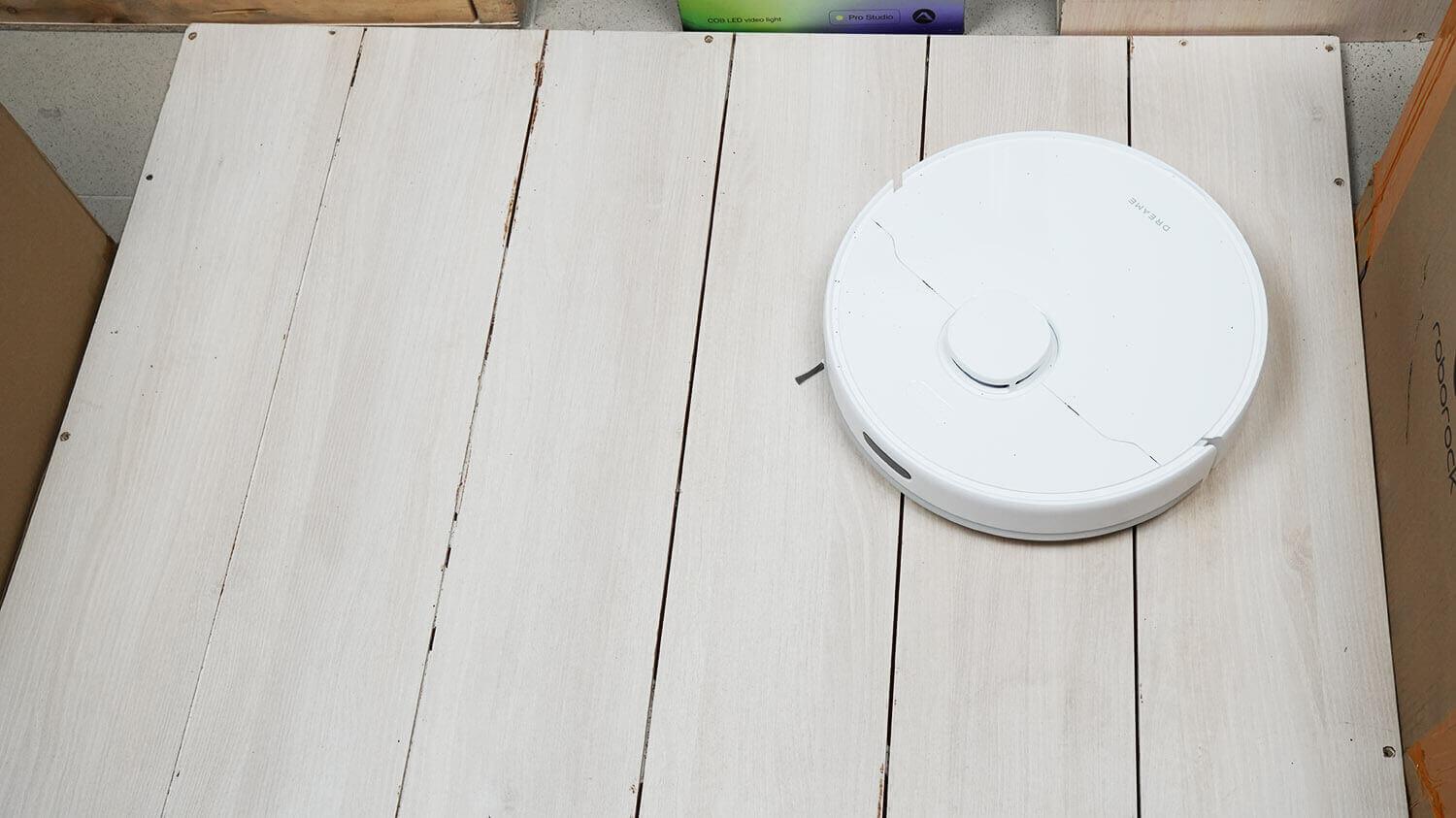
Power
So, as a result, I can say that the power is actually high and higher than that of its first generation predecessor, the Dreame D10 Plus, which showed a result of 4 mm.
Dry cleaning
The cleaning performance on laminate floors was impressive – almost all debris was removed, with the exception of small remnants in corners that are difficult for round robots to reach. The central brush did not pick up any pet hair, a distinct advantage of silicone brushes. All debris was collected in the dust bin.
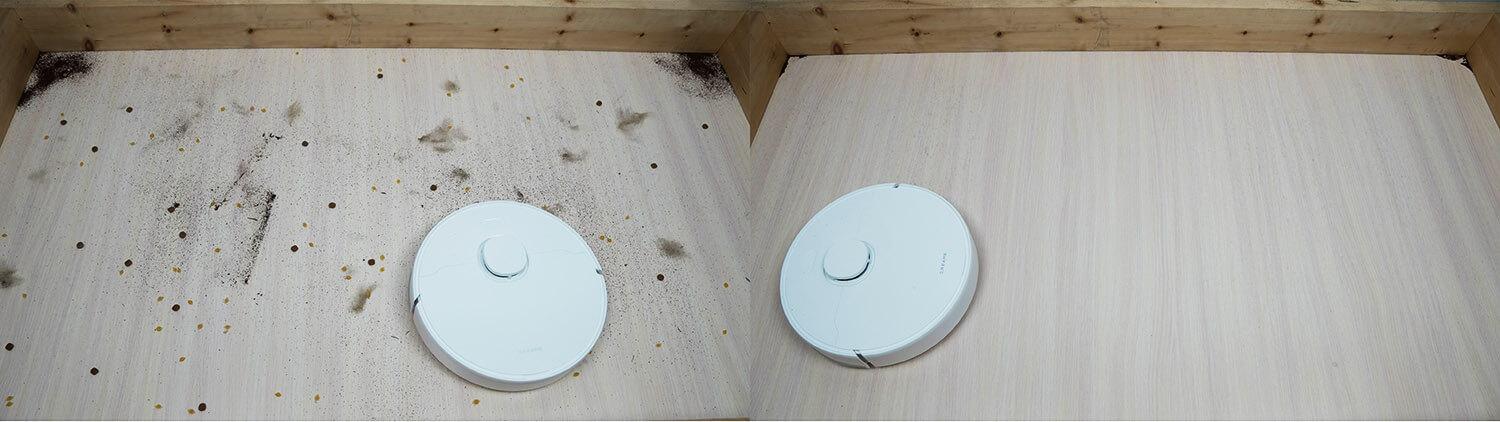
Dry cleaning
Carpet cleaning
But the silicone turbo brush also has its weaknesses. It cleans carpets less effectively, even with high suction power. On low-pile carpets, the robot makes quick work of the job, but on medium-pile carpets, debris may remain that the robot doesn't pick up on the first or second pass. This is important to consider.
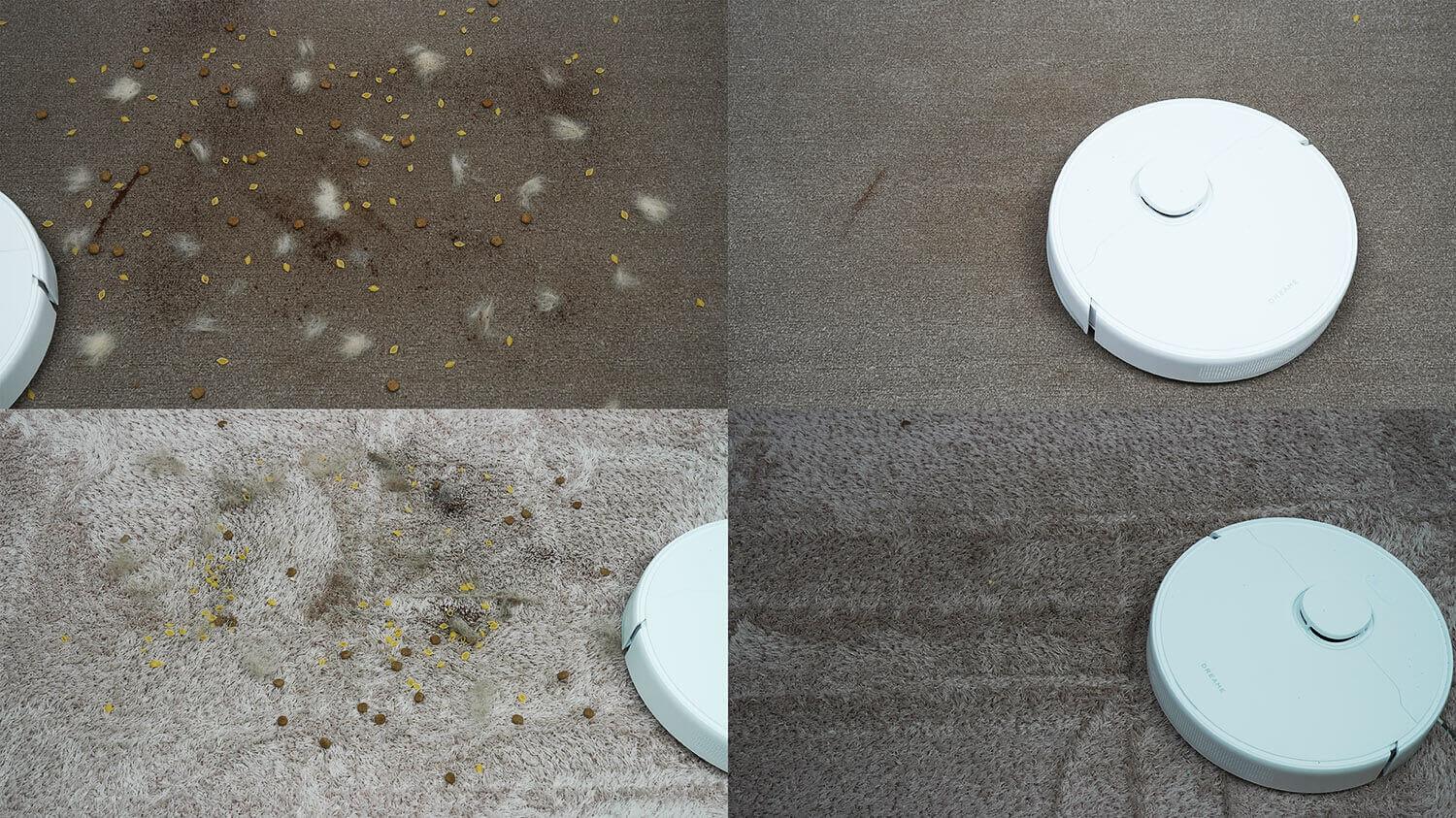
Carpet cleaning
Self-cleaning
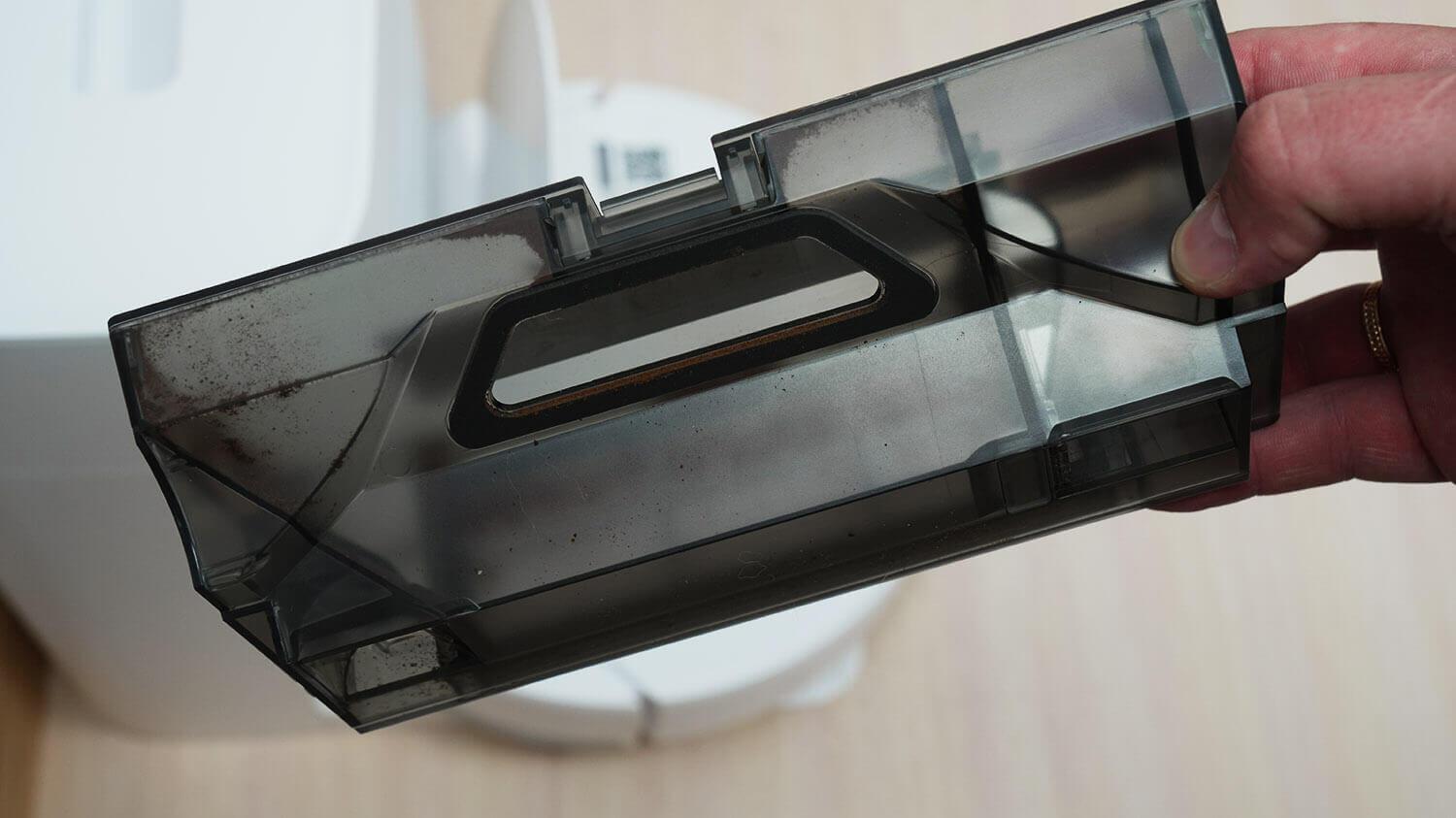
Immediately after the "dirty tests," I checked how well the robot vacuum cleaner self-cleans. Before returning to the station, the dust bin was completely full of dirt. After the self-cleaning test, the dust bin was empty, so this robot's self-cleaning is well-implemented! The results are excellent.
Self-cleaning
Wet cleaning and carpets
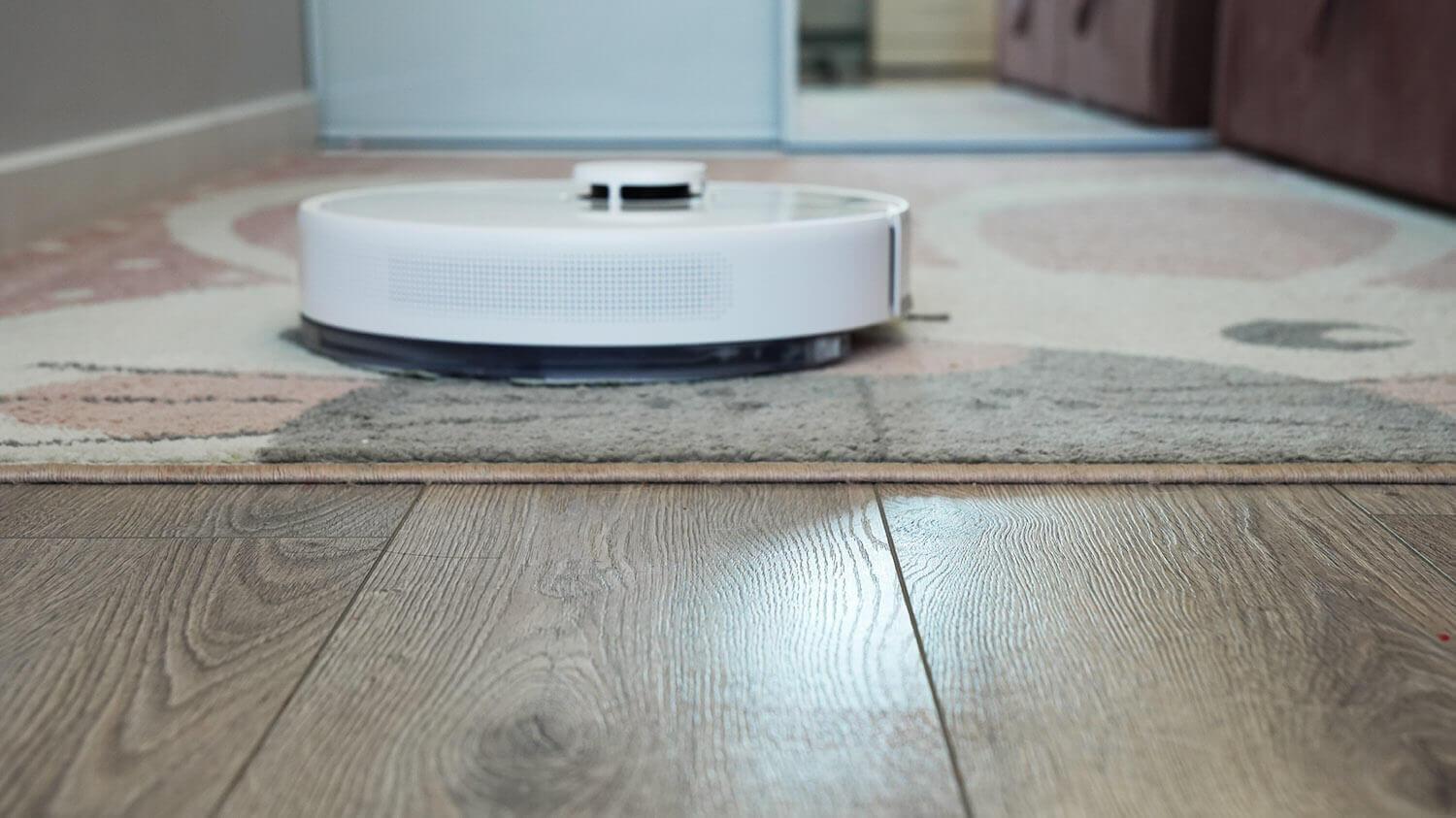
There's a caveat when wet cleaning carpeted floors. The robot doesn't recognize carpets and may wet them. To avoid this, set up carpet-specific wet cleaning zones. Another option is to first perform a full dry cleaning, including carpets, then attach the wet cleaning attachment and run the robot on hard floors only.
Wet cleaning and carpets
Wet cleaning
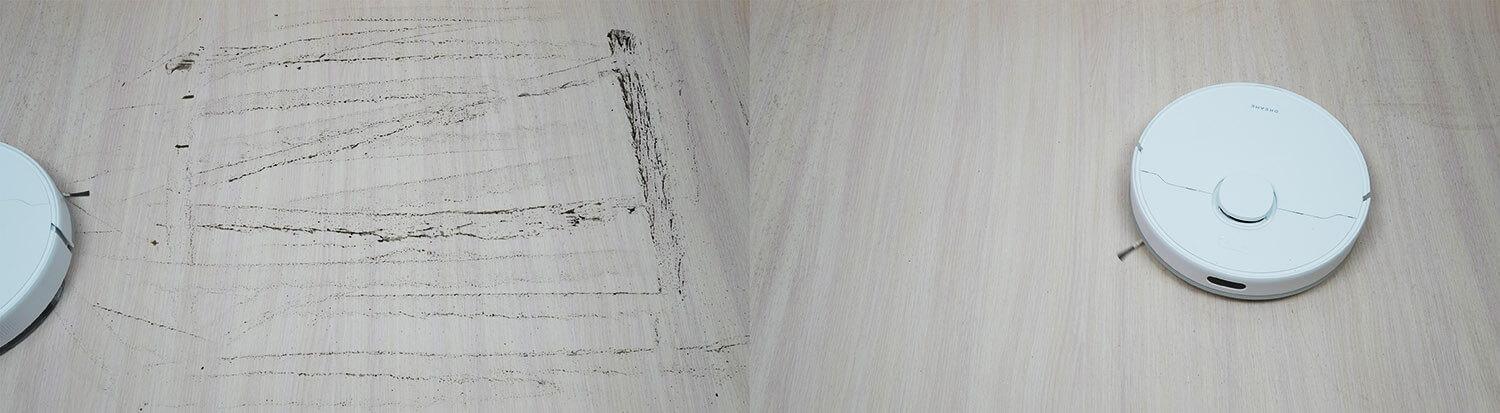
The Dreame D10 Plus Gen2's wet cleaning performance leaves much to be desired by today's standards. The robot only handles light dirt and is designed more for light floor cleaning. The cleaning cloth helps remove fine dust that the turbo brush might miss.
Wet cleaning
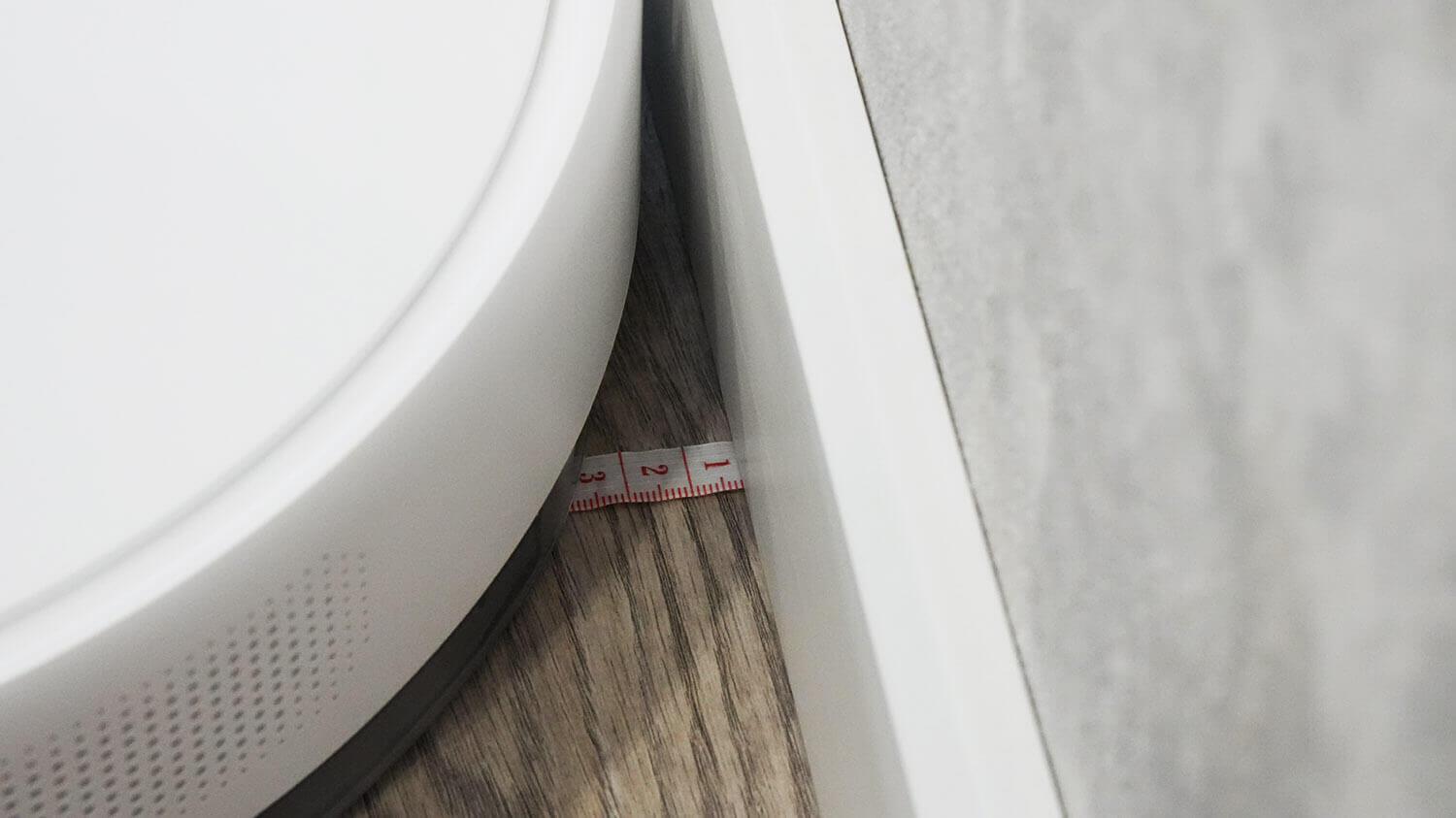
It's important to keep in mind that there's a blind spot of about 2.5 cm between the edge of the napkin and the baseboard. In practice, due to insufficient pressure along the edges, the napkin will leak up to 4-6 cm in these areas.
Blind spot
Obstacle clearance
The Dreame D10 Plus Gen2 has excellent cross-country ability: the robot can easily handle thresholds up to 2 cm high.
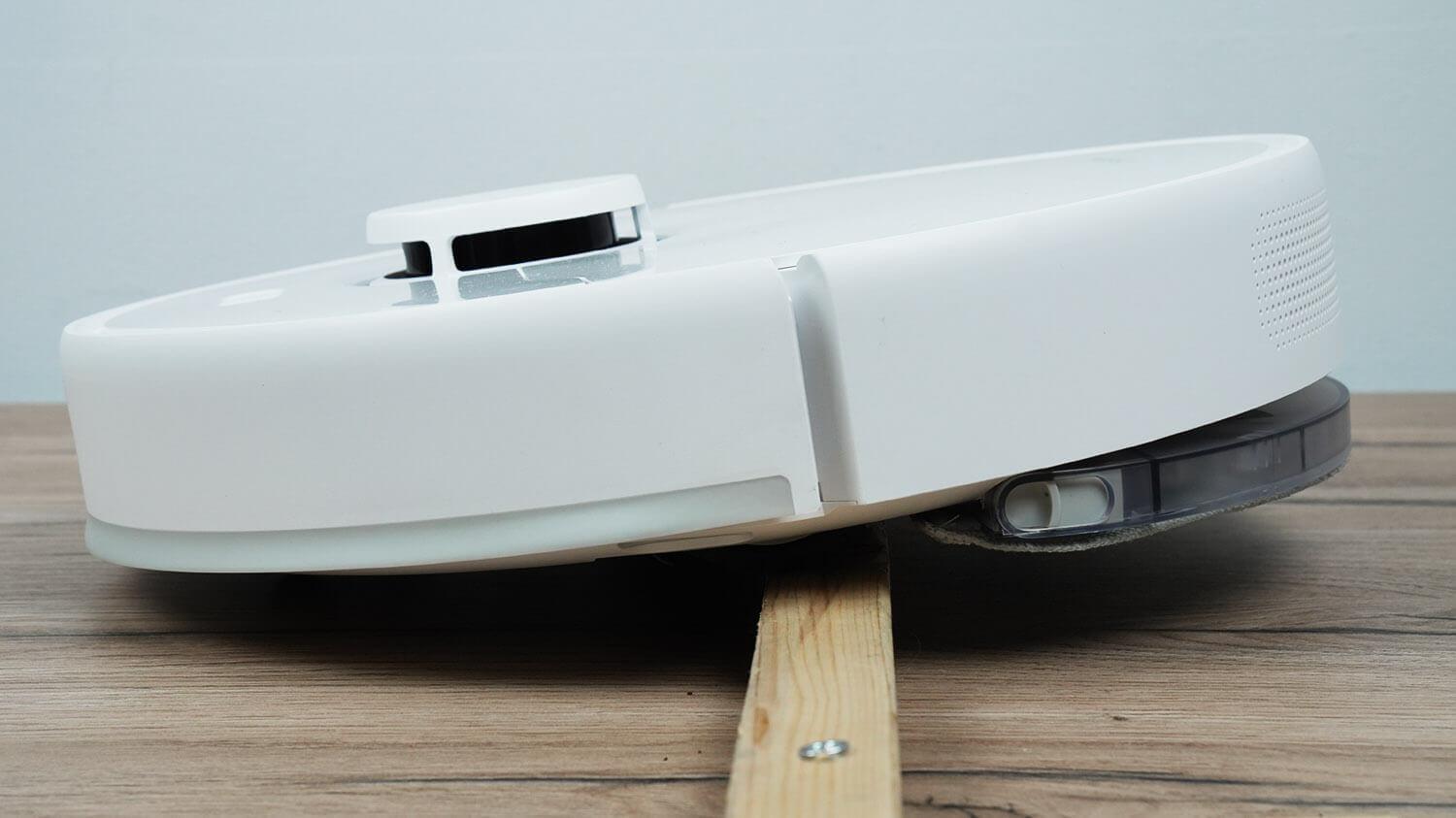
Obstacle clearance
Driving on black surfaces
However, black carpets still pose a problem. The robot perceives them as height differences and avoids them. Hard black surfaces don't have this problem, so it's worth keeping this in mind.
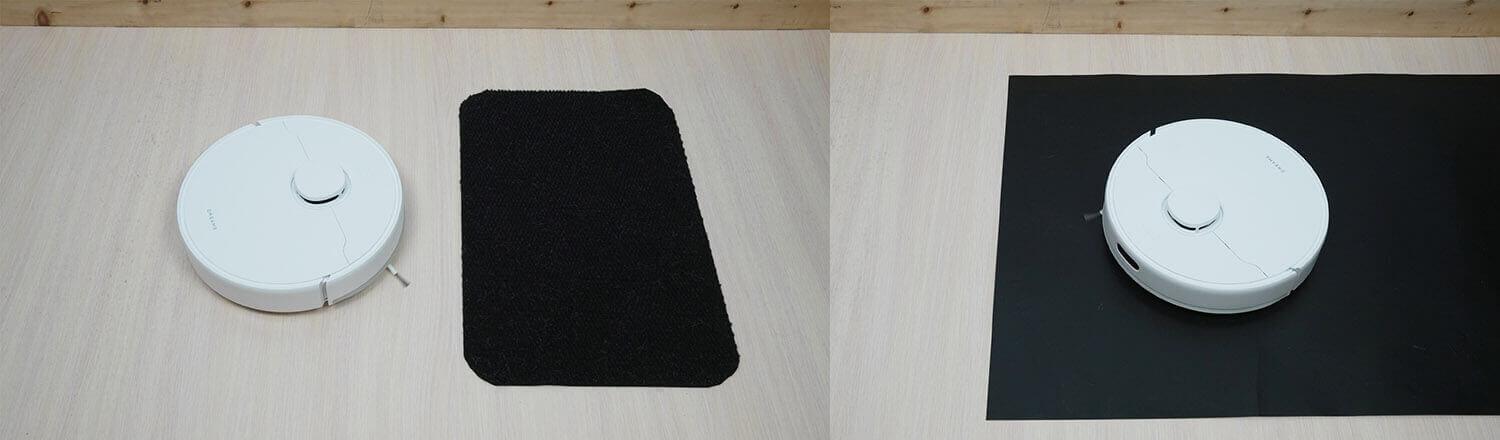
Dreame D10 Plus Gen 2: Driving on Black Surfaces
Noise level
The robot's noise level ranges from 57 to 70 dB in different modes—quite standard for robot vacuum cleaners, especially considering its power. I also checked the station's noise level, which is between 71.5 and 72 dB. This is also standard.
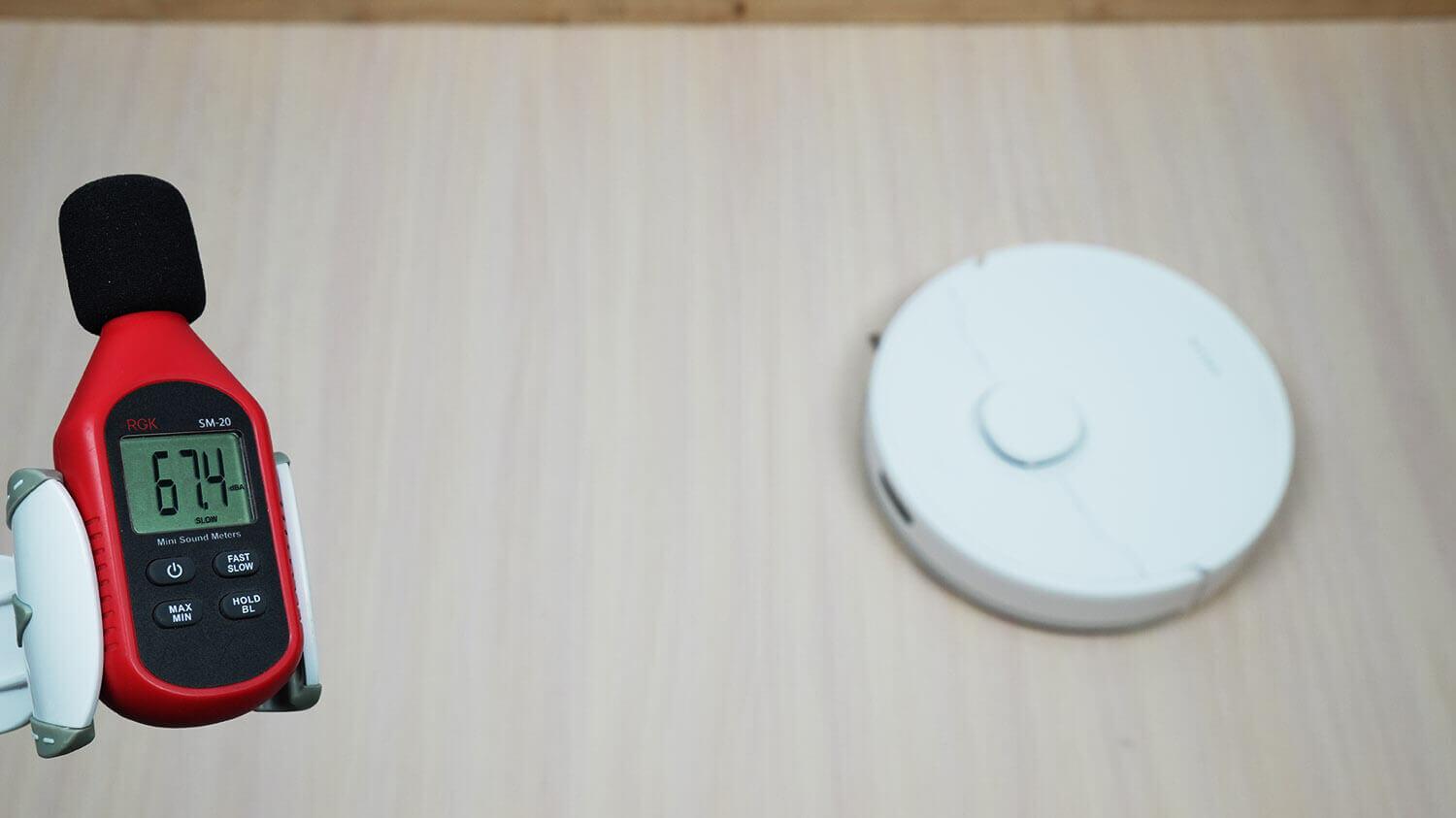
Noise level
Let's sum it up
The Dreame D10 Plus Gen2 robot vacuum cleaner has been thoroughly reviewed and tested. our evaluation system he managed to gain 134 pointsThe result is quite good for a self-cleaning robot vacuum cleaner. 8 points higher than the released D10 Plus first generation. But, for comparison, Dreame Bot D10s Plus scored 148 points.
Overall rating of tested robots: https://robovac.washerhouse.com/en/rejtingi/robovac-obshhij-rejting-robotov-pylesosov-robo.html.
First, I'll highlight the pros and cons of the tested robot vacuum cleaner, after which I'll express my own opinion about it, including a comparison with the first generation.
I liked the following:
- Self-cleaning of the dust collector at the station.
- High suction power.
- High-quality dry cleaning on hard surfaces.
- Capable of vacuuming and mopping the floor at the same time.
- The silicone brush is easier to clean from hair and fur.
- Complete Russification.
- A wide range of features for flexible cleaning settings, including a user mode and Yandex.Alice support.
- Good cross-country ability.
- Availability of warranty and service.
As for the disadvantages, I consider the main ones to be:
- The lack of a wall sensor and a carpet sensor means that the robot encounters obstacles more often and does not always automatically increase suction power when entering carpets.
- The silicone turbo brush is less effective at cleaning medium-pile carpets.
- The robot avoids black carpets, perceiving them as differences in height.
- Basic wet cleaning. Considering the cost, which can reach $400, the robot doesn't wash the cloth at the station, and the tank itself is small.
Overall, I can say this update is a success. The robot is actually more powerful than its predecessor, and the trash bag capacity has been increased. So, if the price is the same or the price difference is small, it makes sense to choose the updated version.
In any case, I would recommend considering the Dreame D10 Plus Gen 2 primarily for cleaning hard floors and if the silicone brush is important to you. In my opinion, this device can successfully compete in the sub-$300 price range. There aren't many comparable devices at that price. However, I think the $400 price tag is a bit steep.
On that note, I'd like to end this review. If you have any questions, please ask them in the comments. Happy shopping, everyone. Bye!